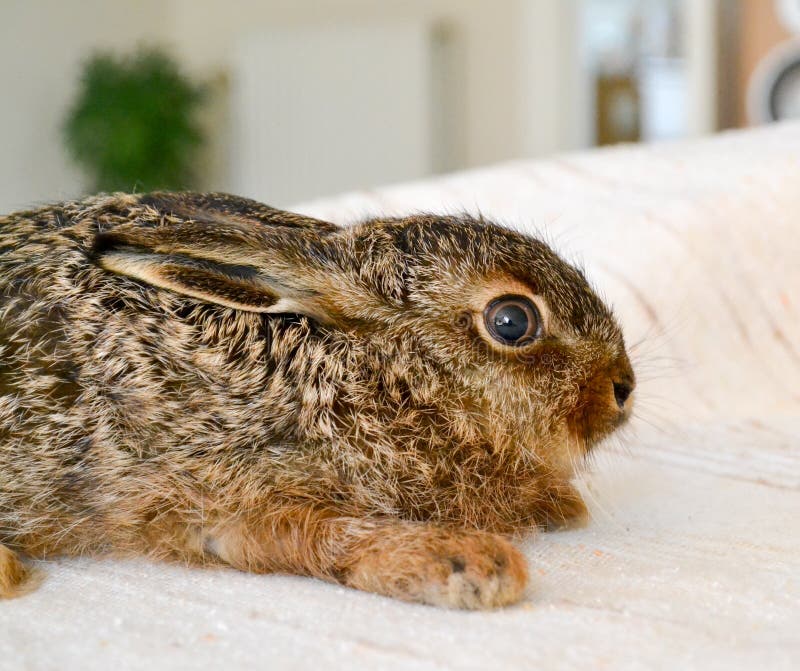
As a child, I'm sure many of us have been tempted to bring home a wild rabbit we found in our backyard or while out on a hike. Those big brown eyes and fluffy little bodies can be incredibly endearing, making it hard to resist the urge to scoop them up and take them home. However, as cute as they may be, it's essential to understand why bringing a wild rabbit home is not a good idea. In this article, we'll explore the reasons why it's best to leave these adorable creatures where they belong - in the wild.
Why Wild Rabbits Don't Make Good Pets
One of the primary reasons why wild rabbits don't make good pets is that they have complex social and spatial needs that are difficult to replicate in a home environment. In the wild, rabbits live in large groups with complex social hierarchies, and they require a lot of space to move around and exercise. Even if you have a large backyard, it's unlikely that you can provide the same level of freedom and social interaction that a wild rabbit would experience in its natural habitat.
 Why You Should Never Bring a Wild Rabbit Home Why Wild Rabbits Dont Make Good Pets" loading="lazy" style="max-width:700px;width:100%;height:auto;border-radius:8px;">
Another reason why wild rabbits don't make good pets is that they have specific dietary needs that are hard to meet in a home environment. In the wild, rabbits eat a wide variety of plants, including grasses, leaves, and vegetables. They also have a unique digestive system that allows them to break down and extract nutrients from plant material. Replicating this diet in a home environment can be challenging, and many wild rabbits that are kept as pets suffer from malnutrition and other health problems as a result.
The Risks of Handling Wild Rabbits
Handling wild rabbits can also be risky, both for the rabbit and for the person handling them. Wild rabbits are prey animals, and as such, they have a strong instinct to defend themselves when they feel threatened. They may bite or scratch when handled, which can lead to injuries and the transmission of diseases such as rabies or tularemia.
 Why You Should Never Bring a Wild Rabbit Home What to Do If You Find a Wild Rabbit" loading="lazy" style="max-width:700px;width:100%;height:auto;border-radius:8px;">
In addition to the risks associated with handling wild rabbits, there is also the risk of causing them stress and disrupting their natural behavior. Wild rabbits are designed to live in the wild, and removing them from their natural habitat can be incredibly stressful for them. This stress can lead to a range of health problems, including respiratory infections, gastrointestinal problems, and even death.
The Importance of Leaving Wild Rabbits in the Wild
So, why is it so important to leave wild rabbits in the wild? One of the primary reasons is that they play a crucial role in their ecosystems. Rabbits are an important food source for many predators, including hawks, owls, and foxes. They also help to disperse seeds and nutrients through their droppings, which can aid in the growth of new plants. By removing wild rabbits from their natural habitat, we can disrupt the delicate balance of their ecosystems and have unintended consequences for the environment.

Another reason why it's essential to leave wild rabbits in the wild is that they have a unique genetic makeup that is adapted to their specific environment. When we bring wild rabbits into captivity, we can disrupt this genetic makeup and potentially harm the long-term survival of the species. This is especially true if we breed wild rabbits in captivity, as this can lead to a loss of genetic diversity and an increased risk of disease.
In addition to the ecological and genetic reasons for leaving wild rabbits in the wild, there are also ethical considerations to take into account. Wild rabbits are living creatures with their own needs, desires, and rights. By removing them from their natural habitat and keeping them in captivity, we can be seen as exploiting them for our own entertainment or companionship. This is especially true if we don't provide them with the proper care and attention they need to thrive.

What to Do If You Find a Wild Rabbit
So, what should you do if you find a wild rabbit in your backyard or while out on a hike? The first thing to do is to leave it alone and observe it from a distance. If the rabbit appears to be healthy and uninjured, it's best to let it continue on its way. If the rabbit appears to be injured or orphaned, it's essential to contact a local wildlife rehabilitation center or a licensed wildlife rehabilitator for advice. They can provide you with guidance on how to care for the rabbit and help it recover from its injuries.
It's also important to remember that wild rabbits are not typically orphaned, even if they appear to be alone. Female rabbits often leave their babies in hiding places while they forage for food, and the babies may not be orphaned at all. If you find a baby rabbit that appears to be alone, it's best to leave it where it is and observe it from a distance to see if its mother returns. If the mother does not return after several hours, you can contact a local wildlife rehabilitation center for advice on how to care for the baby rabbit.
How to Coexist with Wild Rabbits
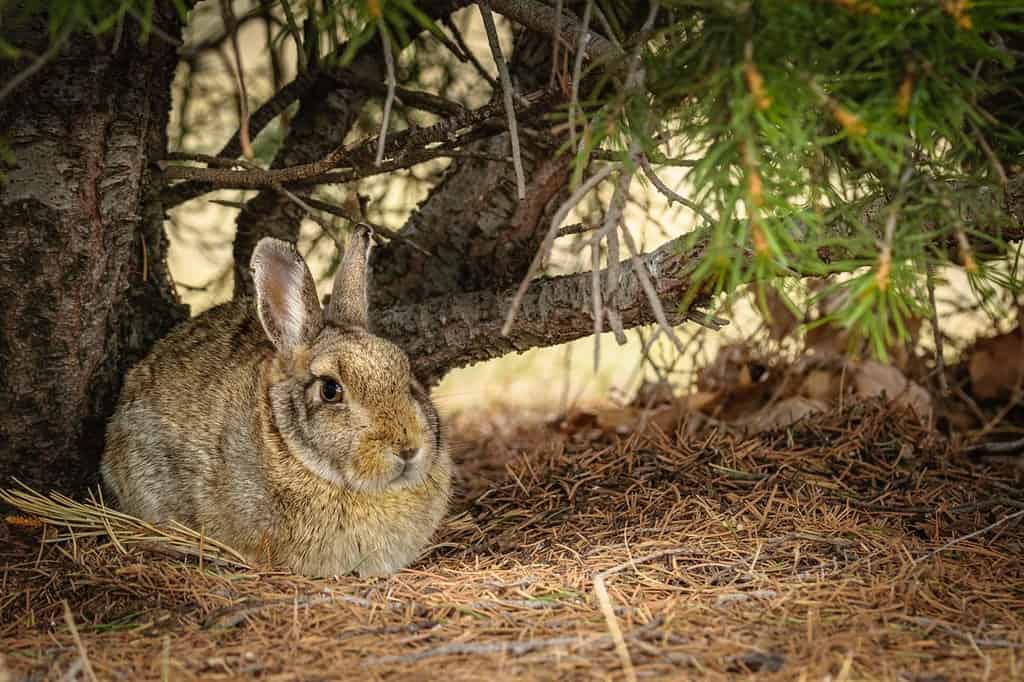
So, how can we coexist with wild rabbits and appreciate their beauty without bringing them into our homes? One of the best ways to do this is to create a rabbit-friendly habitat in our backyards or gardens. This can include planting native vegetation, providing a source of fresh water, and creating hiding places such as rock piles or brush heaps. By creating a welcoming environment for wild rabbits, we can enjoy watching them from a distance and appreciate their unique characteristics.

Another way to coexist with wild rabbits is to learn more about their behavior, habitat, and ecology. By understanding their needs and habits, we can better appreciate their role in the ecosystem and take steps to protect and conserve them. This can include supporting conservation efforts, reducing our impact on the environment, and promoting sustainable practices in our daily lives.
In conclusion, while wild rabbits may be cute and endearing, it's essential to remember that they belong in the wild. By leaving them in their natural habitat, we can help to protect and conserve them, as well as appreciate their unique characteristics and role in the ecosystem. Whether you're a seasoned naturalist or just a nature enthusiast, there are many ways to enjoy and appreciate wild rabbits without bringing them into your home. So next time you see a wild rabbit, remember to observe it from a distance, respect its space, and appreciate its beauty in its natural habitat.