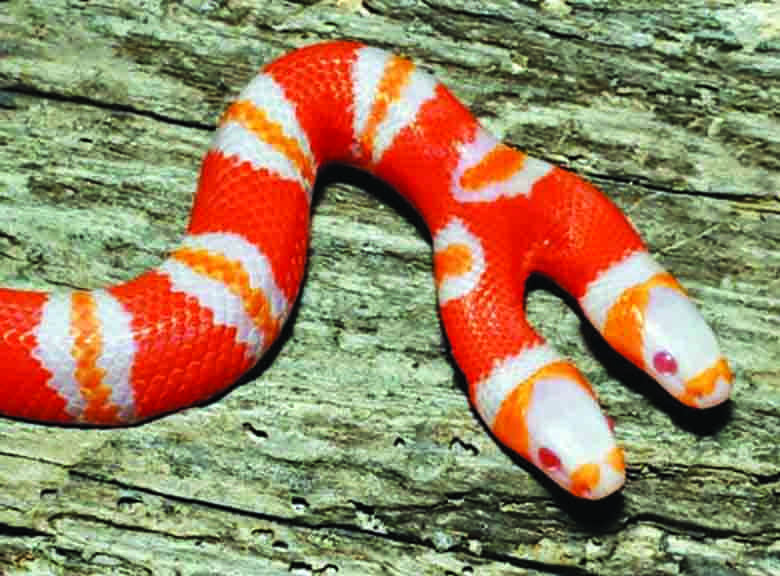
Snakes are one of the most fascinating creatures in the animal kingdom, with their slithery movements and unique characteristics. However, some snakes are born with a rare and intriguing condition - two heads. This phenomenon has sparked the curiosity of many, leaving us wondering why some snakes are born with this unusual feature. In this article, we'll delve into the world of polycephalic snakes, exploring the reasons behind this rare condition and what it means for these extraordinary creatures.
What is Polycephaly?
Polycephaly is a rare congenital condition where an animal is born with multiple heads. This condition can occur in various species, including snakes, and is often the result of genetic mutations or environmental factors during development. In the case of snakes, polycephaly is extremely rare, occurring in only a handful of species. The most well-known example of polycephalic snakes is the two-headed snake, where two fully formed heads are connected to a single body.
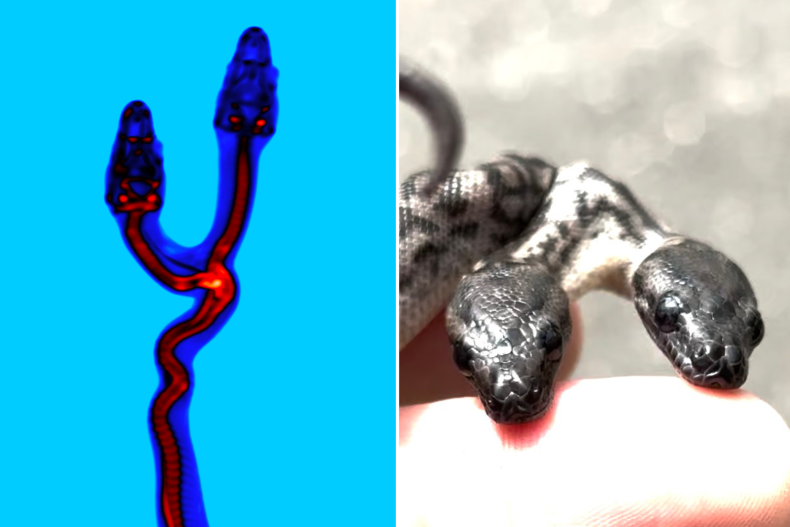
Causes of Polycephaly in Snakes
So, why do some snakes develop two heads? The answer lies in the complex process of embryonic development. During the early stages of development, the embryo undergoes a series of cell divisions and morphological changes that shape the formation of the body. In some cases, genetic mutations or environmental factors can disrupt this process, leading to the formation of multiple heads. For example, a genetic mutation can cause the embryo to split into two separate heads, each with its own brain and sensory organs. This can occur due to various factors, including genetic defects, exposure to toxins, or even viral infections.
In some species of snakes, polycephaly may be more common due to their unique reproductive biology. For example, some species of snakes, such as the garter snake, exhibit a phenomenon called "embryonic twinning," where two embryos develop from a single egg. This can lead to the formation of conjoined twins, including two-headed snakes. While this is still a rare occurrence, it highlights the complex and fascinating world of snake development.
Types of Polycephalic Snakes
Not all two-headed snakes are created equal. There are several types of polycephalic snakes, each with their own unique characteristics and features. One of the most common types is the "dicephalic" snake, where two fully formed heads are connected to a single body. This type of polycephaly is often seen in species such as the cottonmouth and the copperhead. Another type is the "craniopagus" snake, where the two heads are connected at the skull, often with shared brain tissue.

In addition to these types, there are also cases of "parapagus" snakes, where the two heads are connected at the side of the body, often with separate brains and sensory organs. Each of these types of polycephalic snakes presents its own unique challenges and opportunities for study, allowing scientists to gain a deeper understanding of this rare and fascinating condition.
The Challenges of Being a Two-Headed Snake
Being a two-headed snake comes with its own set of challenges. For one, the snake must coordinate the movements of both heads, which can be a difficult task. Imagine trying to hunt and eat with two separate heads, each with its own brain and sensory organs. This can lead to conflicts between the two heads, making it difficult for the snake to survive in the wild.
In addition to these challenges, two-headed snakes may also face difficulties in terms of thermoregulation and spatial awareness. With two heads, the snake may have a harder time regulating its body temperature, which can be critical for survival. Furthermore, the snake's spatial awareness may be affected, making it more difficult to navigate through its environment.
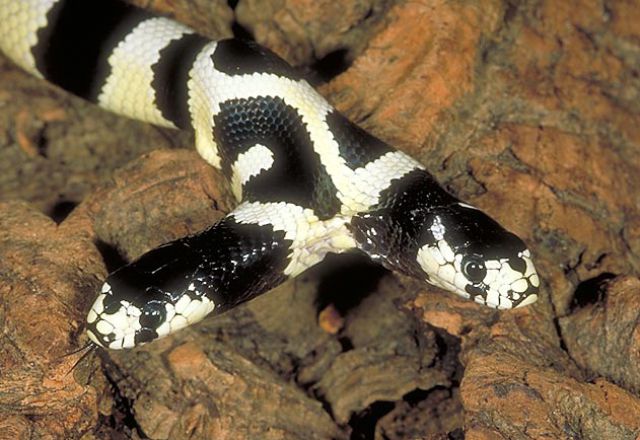
Despite these challenges, some two-headed snakes have been known to thrive in captivity, where they can receive specialized care and attention. In fact, some zoos and snake sanctuaries have successfully cared for two-headed snakes, providing them with the unique care and housing they need to survive.
Conservation Implications
The study of polycephalic snakes has important implications for conservation efforts. By understanding the causes and consequences of polycephaly, scientists can gain a deeper insight into the complex and often fragile world of snake development. This knowledge can be used to inform conservation efforts, such as protecting habitats and reducing the impact of human activities on snake populations.
Furthermore, the study of polycephalic snakes can also shed light on the evolution of snake development and the complex interactions between genetic and environmental factors. By exploring the rare and fascinating world of two-headed snakes, scientists can gain a deeper understanding of the intricate and often surprising ways in which life evolves and adapts to its environment.
Conclusion
In conclusion, the phenomenon of two-headed snakes is a fascinating and complex topic that continues to capture the imagination of scientists and snake enthusiasts alike. By exploring the causes and consequences of polycephaly, we can gain a deeper understanding of the intricate and often surprising world of snake development. Whether you're a seasoned herpetologist or just a curious observer, the world of two-headed snakes is sure to inspire and educate, offering a unique glimpse into the intricate and fascinating world of reptilian biology.
As we continue to explore and learn more about polycephalic snakes, we are reminded of the importance of conservation and the need to protect these fascinating creatures and their habitats. By supporting conservation efforts and promoting a greater understanding of snake biology, we can help ensure the long-term survival of these incredible animals, including the rare and fascinating two-headed snakes that capture our imagination and inspire our wonder.