what does a capybara look like

Have you ever heard of a capybara? If you're like most people, you probably haven't, but trust me, these creatures are pretty fascinating. The capybara is the world's largest rodent, and it's found in South America, specifically in the grasslands and dense forests near bodies of water. In this article, we're going to dive into what a capybara looks like, and I'm excited to share some interesting facts about these amazing animals.
Introduction to Capybaras
Capybaras are quite large, with adults typically growing up to 130 cm in length and weighing between 35 and 66 kg. They have a stocky body, with short legs and a rounded head. Their fur is coarse and thick, and it comes in a variety of colors, including brown, red, and yellow. Capybaras are also excellent swimmers, and they have webbed feet that help them navigate through the water with ease.
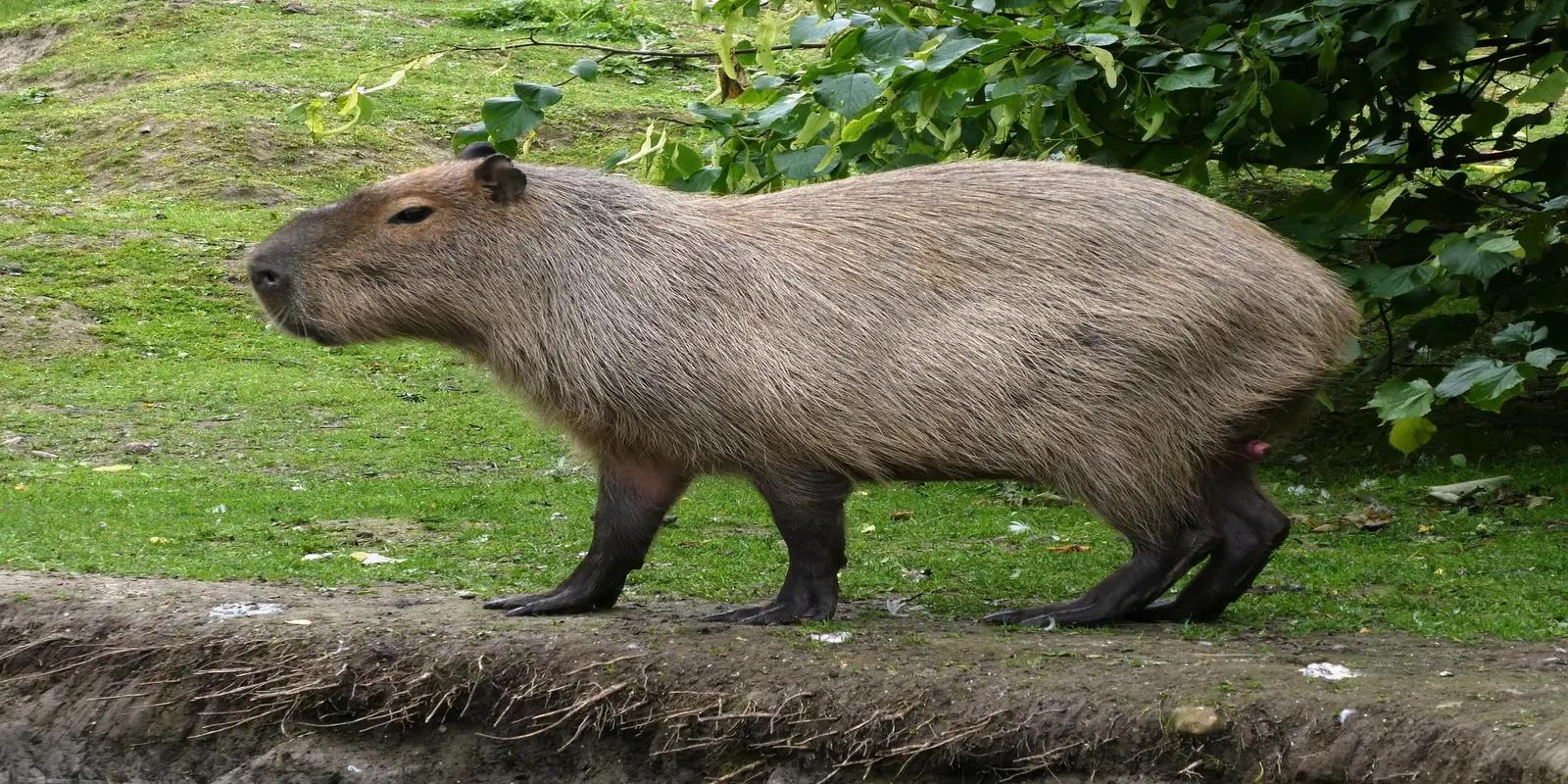
Physical Characteristics
One of the most distinctive features of a capybara is its teeth. They have large incisors that are perfectly suited for gnawing on plants and fruits. Their teeth are also extremely hard, which helps them to grind down tough plant material. Capybaras also have a set of sharp claws that they use for defense and for digging burrows. Their eyes and ears are relatively small, but they have a keen sense of smell that helps them to detect predators and find food.
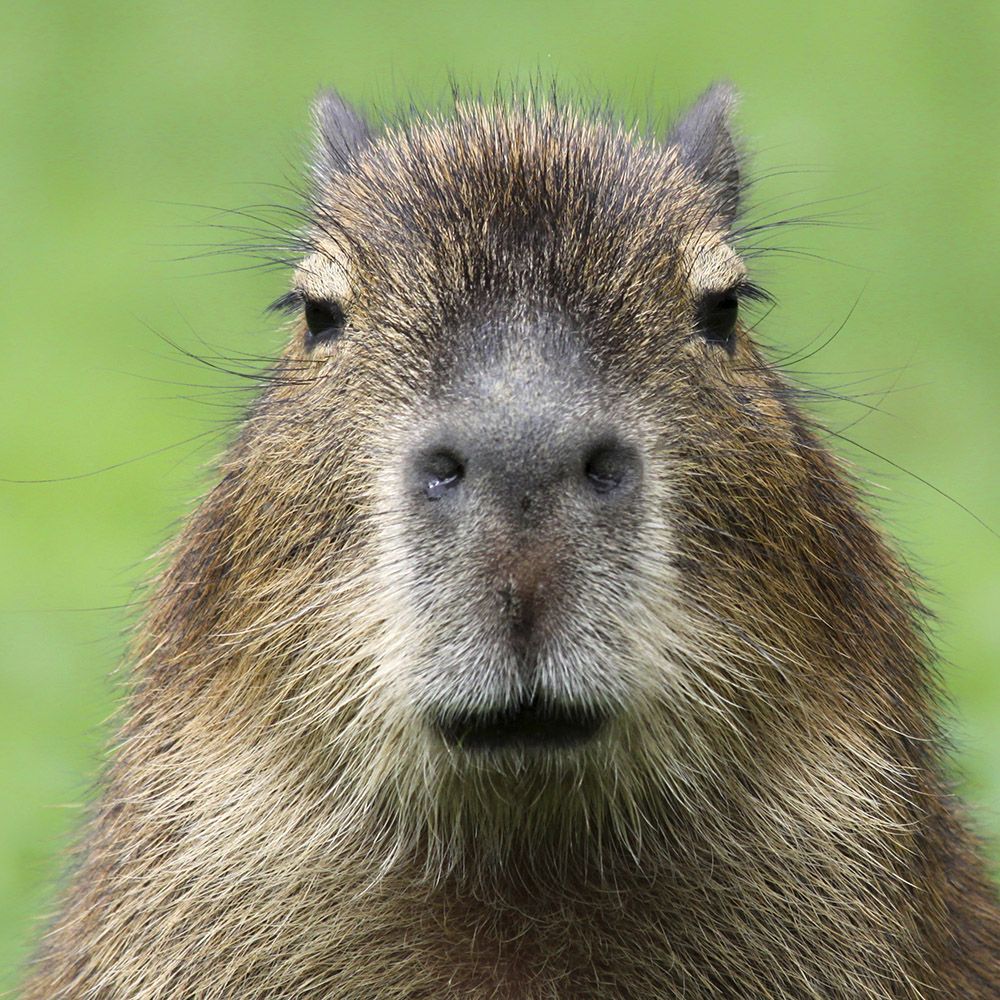
In terms of their body shape, capybaras are a bit like guinea pigs on steroids. They have a stout body, with a broad chest and a short, stubby tail. Their fur is longest on their back, where it can reach up to 10 cm in length. Capybaras are also known for their unique scent glands, which are located on their face, near their whiskers. These scent glands produce a pungent secretion that helps to mark their territory and attract mates.
Capybara Habitat and Behavior
Capybaras are found in a variety of habitats, including grasslands, savannas, and wetlands. They are excellent swimmers and can often be found in areas with dense vegetation and access to water. In the wild, capybaras are social creatures that live in large groups, called herds.These herds can consist of up to 100 individuals, and they are usually led by a dominant male. Capybaras are also nocturnal, which means they are most active at night, and they spend most of their time grazing on plants and fruits.
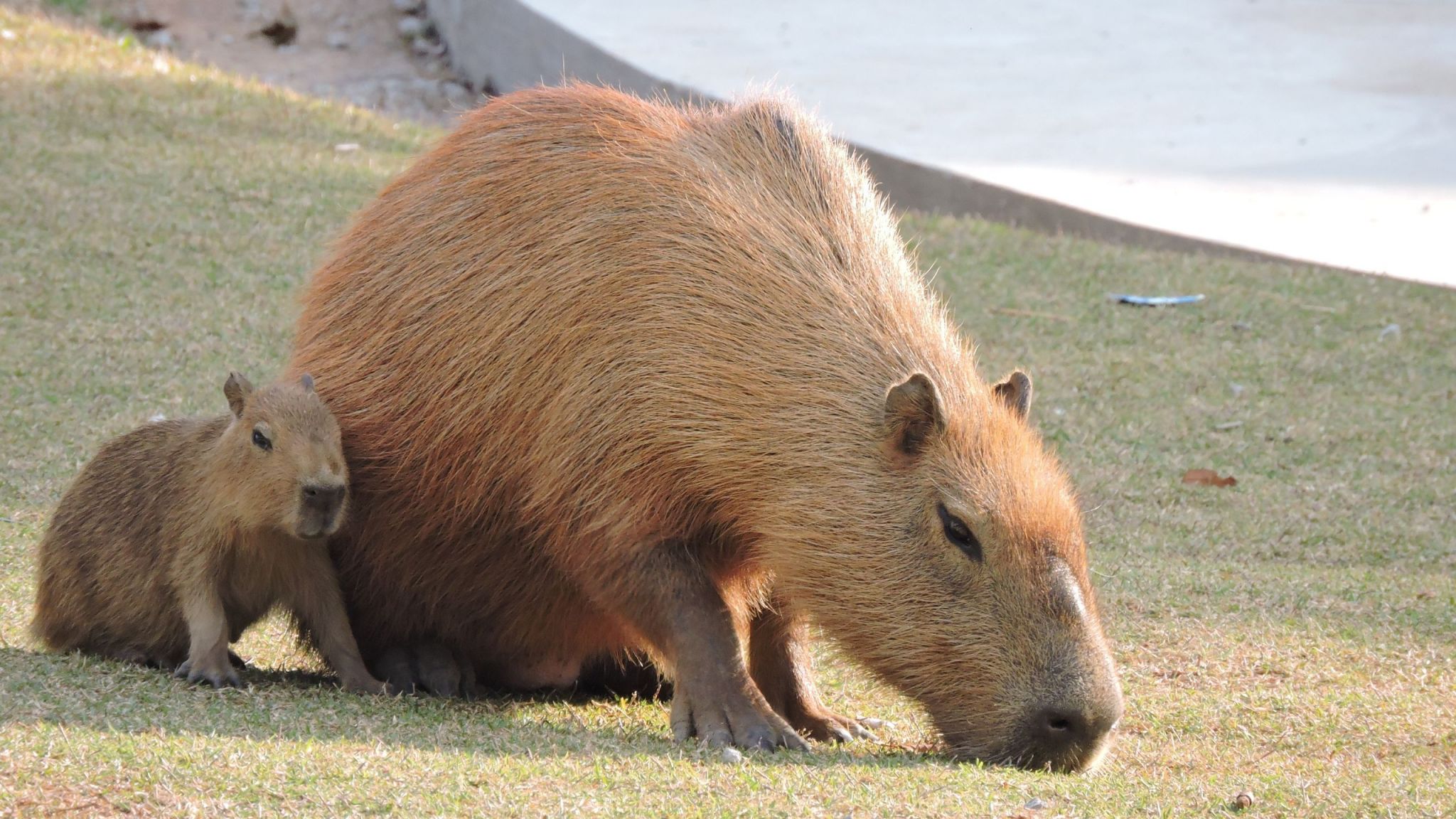
Despite their size, capybaras are surprisingly agile and can run at speeds of up to 30 km/h. They are also excellent divers and can stay underwater for up to 5 minutes. In the wild, capybaras have a number of predators, including jaguars, pumas, and caimans. To protect themselves, capybaras have developed a number of defense strategies, including their sharp claws and teeth, as well as their ability to release a pungent secretion from their scent glands.
Capybara Diet and Nutrition
Capybaras are herbivores, which means they only eat plants and fruits. Their diet consists mainly of grasses, aquatic plants, and fruit trees. In the wild, capybaras will often feed on whatever is available, including crops and other vegetation. In captivity, capybaras are typically fed a diet of hay, grains, and vegetables, as well as a variety of fruits and treats.

Capybaras have a number of interesting adaptations that help them to digest their food. They have a large cecum, which is a specialized part of their digestive system that helps to break down cellulose in plant cell walls. They also have a long digestive tract, which allows them to extract as many nutrients as possible from their food. In the wild, capybaras will often eat up to 3.5 kg of food per day, which is impressive considering their size.
Capybara Reproduction and Lifespan
Capybaras are capable of breeding throughout the year, but they typically give birth during the wet season. Female capybaras will often have up to 8 babies per litter, and the gestation period is approximately 130-150 days. Baby capybaras are born with their eyes open and are able to walk and swim within hours of birth. They are weaned after about 3-4 months, and they reach sexual maturity at around 1-2 years of age.
In the wild, capybaras can live for up to 10 years, although their average lifespan is around 5-7 years. In captivity, capybaras can live for up to 12 years, provided they receive proper care and nutrition. Capybaras are also known to be prone to a number of health problems, including obesity, respiratory infections, and parasites. To prevent these problems, it's essential to provide capybaras with a healthy diet, plenty of exercise, and regular veterinary check-ups.
Capybara Conservation Status
Unfortunately, capybaras are facing a number of threats in the wild, including habitat loss, hunting, and climate change. Their habitats are being destroyed and fragmented, which makes it difficult for them to find food, shelter, and mates. Capybaras are also hunted for their meat and hide, which is used to make leather products. To make matters worse, climate change is altering the availability of food and water, which can have a devastating impact on capybara populations.
Despite these threats, capybaras are not currently considered to be endangered. However, their populations are declining in some areas, and conservation efforts are necessary to protect these amazing creatures. Some conservation organizations are working to protect capybara habitats and prevent hunting, while others are educating the public about the importance of capybara conservation. By working together, we can help to ensure the long-term survival of these incredible animals.
In conclusion, capybaras are fascinating creatures that are full of surprises. From their unique appearance to their interesting habits and adaptations, there's no denying that capybaras are one of the most intriguing animals in the world. By learning more about these amazing creatures, we can gain a greater appreciation for the natural world and the importance of conservation. So next time you're out in nature, keep an eye out for these incredible animals, and remember to respect and protect their habitats.
0 Response to "what does a capybara look like"
Post a Comment