Stop Touching These 5 Caterpillars, One Sting Is Deadly

When we think of caterpillars, we often imagine cute, fuzzy creatures that will eventually transform into beautiful butterflies or moths. However, not all caterpillars are harmless, and some can even be deadly. In this article, we'll explore five caterpillars that you should never touch, as their sting can be extremely painful and even life-threatening. So, let's dive in and learn more about these dangerous creatures.
Introduction to Venomous Caterpillars
Most caterpillars are completely safe to touch, but there are some species that have evolved to produce venom as a defense mechanism. This venom can be delivered through spines or hairs on their bodies, and it can cause a range of symptoms, from mild pain and swelling to anaphylaxis and even death. It's essential to be aware of the caterpillars that can harm you, especially if you have children or pets that love to explore the outdoors.

The Io Moth Caterpillar
The Io moth caterpillar is one of the most venomous caterpillars in North America. It has a distinctive row of spines on its back, which are filled with a painful venom. If you touch this caterpillar, you can expect to experience intense burning, swelling, and redness. In some cases, the venom can also cause nausea, vomiting, and even anaphylaxis. The Io moth caterpillar is typically found in the southern United States, and it feeds on a variety of plants, including willow, oak, and maple trees.
The Buck Moth Caterpillar
The buck moth caterpillar is another venomous species that's found in North America. It has a pair of horns on its rear end, which are filled with a painful venom. The venom from this caterpillar can cause symptoms similar to those of the Io moth caterpillar, including burning, swelling, and redness. In some cases, it can also cause an allergic reaction, which can lead to anaphylaxis. The buck moth caterpillar is typically found in the eastern United States, and it feeds on a variety of plants, including oak, willow, and birch trees.
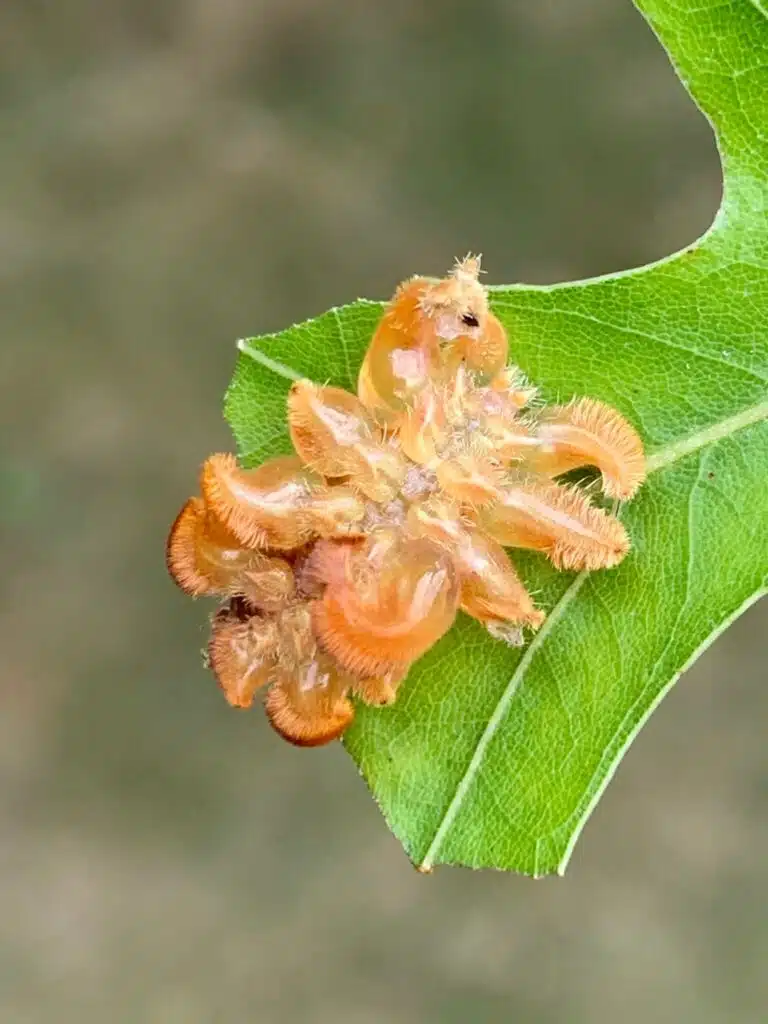
The Most Deadly Caterpillars
While the Io moth caterpillar and the buck moth caterpillar are both venomous, there are some caterpillars that are even more deadly. The following three caterpillars are known to be extremely venomous, and their sting can be life-threatening.
The Lonomia Caterpillar
The Lonomia caterpillar is found in South America, and it's considered to be one of the most venomous caterpillars in the world. Its venom is so potent that it can cause hemorrhaging, renal failure, and even death. The Lonomia caterpillar has a distinctive pair of spines on its back, which are filled with a powerful venom. If you touch this caterpillar, you can expect to experience severe pain, swelling, and bruising, as well as a range of systemic symptoms, including fever, nausea, and vomiting.
The Giant Silkworm Caterpillar
The giant silkworm caterpillar is found in Central and South America, and it's known for its large size and painful venom. The caterpillar has a pair of spines on its rear end, which are filled with a potent venom. If you touch this caterpillar, you can expect to experience intense burning, swelling, and redness, as well as a range of systemic symptoms, including nausea, vomiting, and fever. In some cases, the venom can also cause an allergic reaction, which can lead to anaphylaxis.

The Flannel Moth Caterpillar
The flannel moth caterpillar is found in North America, and it's known for its distinctive fuzzy appearance. However, don't let its cute appearance fool you - the flannel moth caterpillar is also venomous, and its sting can be extremely painful. The caterpillar has a pair of spines on its back, which are filled with a potent venom. If you touch this caterpillar, you can expect to experience intense burning, swelling, and redness, as well as a range of systemic symptoms, including nausea, vomiting, and fever.
What to Do If You're Stung
If you're stung by one of these venomous caterpillars, it's essential to act quickly to minimize the damage. First, remove any remaining spines or hairs from your skin, as these can continue to deliver venom. Next, wash the affected area with soap and water to prevent infection. You can also apply a cold compress or an ice pack to reduce the swelling and pain. If you experience any systemic symptoms, such as nausea, vomiting, or fever, seek medical attention immediately. In some cases, you may need to receive antivenom or other treatment to counteract the effects of the venom.

Conclusion
In conclusion, while most caterpillars are harmless, there are some species that can be extremely venomous. The Io moth caterpillar, the buck moth caterpillar, the Lonomia caterpillar, the giant silkworm caterpillar, and the flannel moth caterpillar are all known to be deadly, and their sting can cause a range of symptoms, from mild pain and swelling to anaphylaxis and even death. If you're an outdoor enthusiast, it's essential to be aware of these caterpillars and take steps to avoid them. By knowing what to look for and how to protect yourself, you can enjoy the outdoors while minimizing the risk of a painful and potentially deadly encounter with one of these venomous creatures.
0 Response to "Stop Touching These 5 Caterpillars, One Sting Is Deadly"
Post a Comment