How to Bathe a Cat Without Getting Scratched
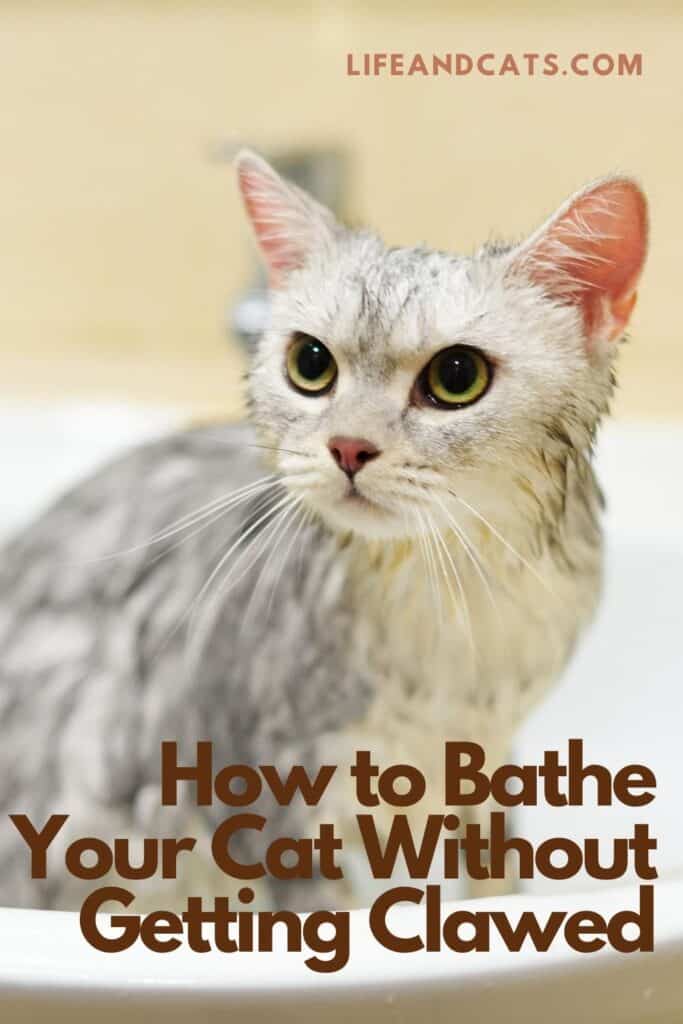
As a cat owner, you know that bathing your feline friend can be a daunting task. Cats are notorious for their dislike of water, and the mere mention of a bath can send them running for cover. But, sometimes a bath is necessary to keep your cat clean and healthy. If you're like many cat owners, you've probably wondered how to bathe a cat without getting scratched. The good news is that with some patience, preparation, and the right techniques, you can bathe your cat without getting scratched.
Preparing for the Bath
Before you even think about getting your cat wet, it's essential to prepare them for the experience. This means getting them used to the idea of being handled and touched all over their body. Start by gently stroking your cat's fur, paying particular attention to areas that may be sensitive, such as the belly and paws. You should also get your cat accustomed to having their nails trimmed, as this will help prevent scratching during the bath.

In addition to preparing your cat, you'll also need to gather the necessary supplies. These include a cat shampoo and conditioner, a washcloth, a towel, and a non-slip mat for the bottom of the sink or tub. You may also want to consider using a calming aid, such as pheromone spray or a calming treat, to help reduce your cat's stress levels. It's also a good idea to have a second person on hand to help you during the bath, as this can make the process much easier and safer for both you and your cat.
Choosing the Right Time and Place
When it comes to bathing your cat, timing is everything. You'll want to choose a time when your cat is most relaxed, such as after a meal or a play session. Avoid bathing your cat when they're hungry, thirsty, or tired, as this can make them more irritable and prone to scratching. You should also choose a quiet, comfortable location for the bath, such as a bathroom or laundry room, where your cat can feel safe and secure.

In terms of the actual bathing process, it's essential to move slowly and carefully to avoid startling your cat. Start by wetting your cat's fur with warm water, then apply a small amount of shampoo and work it into a lather. Be sure to avoid getting shampoo in your cat's eyes, ears, or nose, as this can be painful and irritating. Rinse your cat thoroughly with warm water, then repeat the process if necessary.

Minimizing Stress and Scratching
One of the most critical aspects of bathing a cat is minimizing stress and scratching. To do this, it's essential to be gentle and patient, moving slowly and carefully to avoid startling your cat. You should also be prepared for your cat to struggle and try to escape, and have a plan in place for dealing with this situation. This may involve having a second person on hand to help restrain your cat, or using a calming aid to help reduce their stress levels.
In addition to being gentle and patient, it's also essential to be aware of your cat's body language. If your cat is showing signs of stress or anxiety, such as flattening their ears or tail, or trying to hide, it's best to stop the bath immediately and try to calm them down. You can do this by speaking softly and stroking their fur, or by offering a treat or toy to distract them.

Another key aspect of minimizing stress and scratching is to keep the bath as short as possible. This means having all the necessary supplies within easy reach, and being prepared to rinse and dry your cat quickly and efficiently. You should also be prepared for your cat to shake themselves off after the bath, which can be a bit messy. To deal with this, it's a good idea to have a towel on hand to wrap your cat in, and to be prepared to clean up any water or shampoo that may spill.
Drying and Aftercare
Once the bath is complete, it's essential to dry your cat thoroughly to prevent chilling and discomfort. You can do this by wrapping your cat in a towel and gently stroking their fur to remove excess water. You should also be prepared to provide a warm, comfortable place for your cat to rest and recover after the bath. This may involve setting up a cozy bed or blanket, or providing a warm lap for your cat to snuggle up in.
In terms of aftercare, it's essential to keep an eye on your cat's behavior and watch for any signs of stress or discomfort. If your cat seems upset or agitated after the bath, it's a good idea to try to calm them down with a treat or toy, or by speaking softly and stroking their fur. You should also be prepared to provide any necessary medical care, such as treating scratches or cuts, or dealing with any skin irritations that may arise.
Overall, bathing a cat without getting scratched requires patience, preparation, and the right techniques. By following these tips and being gentle and patient, you can help minimize stress and scratching, and keep your cat clean and healthy. Remember to always prioritize your cat's safety and well-being, and to seek professional help if you're unsure about any aspect of the bathing process. With the right approach, you can help make bath time a positive and enjoyable experience for both you and your feline friend.
As a final note, it's worth considering whether your cat really needs a bath in the first place. Many cats are able to keep themselves clean, and bathing can be stressful and uncomfortable for them. If your cat is generally clean and well-groomed, it may be best to avoid bathing them unless absolutely necessary. However, if your cat has gotten into something messy or has a skin condition that requires bathing, it's essential to take the necessary steps to keep them clean and healthy.
In conclusion, bathing a cat without getting scratched is a challenging task, but it can be done with the right approach. By preparing your cat, choosing the right time and place, minimizing stress and scratching, and providing proper aftercare, you can help make the bathing process as smooth and stress-free as possible. Remember to always prioritize your cat's safety and well-being, and to seek professional help if you're unsure about any aspect of the bathing process. With patience, preparation, and the right techniques, you can help keep your cat clean and healthy, and strengthen the bond between you and your feline friend.
0 Response to "How to Bathe a Cat Without Getting Scratched"
Post a Comment