10 Deep Sea Creatures That Glow in the Dark

As we explore the depths of our ocean, we're constantly amazed by the incredible creatures that call it home. One of the most fascinating aspects of deep-sea life is the ability of certain creatures to glow in the dark. This phenomenon, known as bioluminescence, is the production and emission of light by living organisms. It's a unique feature that has evolved in many deep-sea creatures, helping them to communicate, find prey, or evade predators in the dark depths of the ocean. In this article, we'll delve into the world of glowing deep-sea creatures and explore 10 of the most incredible examples.
Introduction to Bioluminescence
Bioluminescence is a complex process that involves a series of chemical reactions within an organism's body. These reactions result in the production of light, which can be emitted in a variety of colors and intensities. In the deep sea, bioluminescence is often used for communication, mating, or territorial displays. It can also be used to lure prey or distract predators, giving the creature an advantage in the dark and often food-scarce environment of the deep ocean. With the help of bioluminescence, deep-sea creatures can produce a range of effects, from simple glows to complex patterns and flashes.
The Deep-Sea Environment
The deep sea is a vast and largely unexplored environment, covering over 70% of our planet. It's a region of extreme conditions, with near-freezing temperatures, crushing pressures, and a lack of sunlight. In this environment, creatures have evolved unique adaptations to survive and thrive. Bioluminescence is just one of the many strategies that deep-sea creatures have developed to cope with the challenges of their environment. From giant squid to deep-sea fish, many creatures have evolved to produce light, using it to their advantage in the dark depths of the ocean.

10 Deep-Sea Creatures That Glow in the Dark
Let's take a look at 10 of the most incredible deep-sea creatures that glow in the dark. These creatures are found in oceans around the world, from the shallow waters of the continental shelf to the deepest trenches of the abyssal zone.
1. Anglerfish
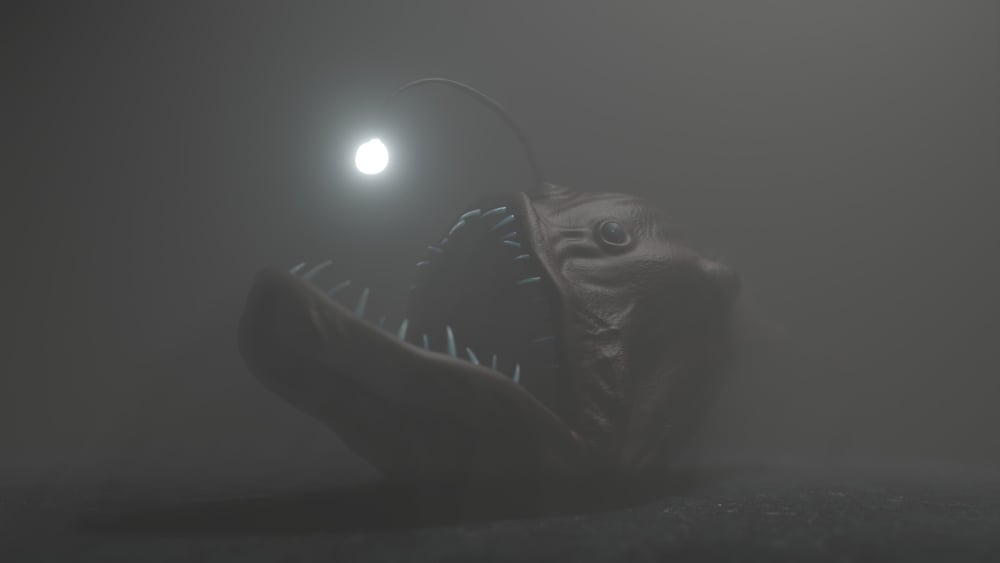
Anglerfish are a type of deep-sea fish that are found in oceans around the world. They're known for the fleshy growth on their head, which is used as a lure to attract prey. Many species of anglerfish have bioluminescent lures, which they use to attract small fish and other prey in the dark depths of the ocean.

2. Giant Squid
Giant squid are one of the largest invertebrates on Earth, with some species reaching lengths of over 13 meters. They're found in the deep waters of the Atlantic and Pacific oceans, where they use their bioluminescent spots to communicate and attract prey. Giant squid have specialized light-producing cells in their skin, which they use to produce a range of colors and patterns.
3. Dragonfish
Dragonfish are a type of deep-sea fish that are found in oceans around the world. They're known for their large teeth and bioluminescent lures, which they use to attract prey in the dark depths of the ocean. Some species of dragonfish have specialized light-producing organs in their bellies, which they use to produce a glowing effect.
4. Jellyfish
Jellyfish are a type of marine animal that are found in oceans around the world. Many species of jellyfish have bioluminescent capabilities, which they use to attract prey or communicate with other jellyfish. Some species of jellyfish can produce complex patterns and flashes of light, using their bioluminescence to create a dazzling display.
5. Lanternfish
Lanternfish are a type of deep-sea fish that are found in oceans around the world. They're known for their bioluminescent bellies, which they use to attract prey and communicate with other lanternfish. Some species of lanternfish have specialized light-producing organs in their bodies, which they use to produce a range of colors and patterns.
6. Vampire Squid
Vampire squid are a type of deep-sea cephalopod that are found in the oxygen-poor waters of the eastern Pacific. They're known for their bioluminescent spots, which they use to communicate and attract prey in the dark depths of the ocean. Vampire squid have specialized light-producing cells in their skin, which they use to produce a range of colors and patterns.

7. Glowworms
Glowworms are a type of marine animal that are found in oceans around the world. They're known for their bioluminescent capabilities, which they use to attract prey and communicate with other glowworms. Some species of glowworms can produce complex patterns and flashes of light, using their bioluminescence to create a dazzling display.
8. Frilled Sharks
Frilled sharks are a type of deep-sea shark that are found in oceans around the world. They're known for their bioluminescent bellies, which they use to attract prey and communicate with other frilled sharks. Some species of frilled sharks have specialized light-producing organs in their bodies, which they use to produce a range of colors and patterns.
9. Colossal Squid
Colossal squid are one of the largest invertebrates on Earth, with some species reaching lengths of over 19 meters. They're found in the deep waters of the Antarctic and southern oceans, where they use their bioluminescent spots to communicate and attract prey. Colossal squid have specialized light-producing cells in their skin, which they use to produce a range of colors and patterns.
10. Deep-Sea Corals
Deep-sea corals are a type of marine animal that are found in oceans around the world. They're known for their bioluminescent capabilities, which they use to attract prey and communicate with other corals. Some species of deep-sea corals can produce complex patterns and flashes of light, using their bioluminescence to create a dazzling display.
Conclusion
In conclusion, the deep sea is home to a vast array of creatures that glow in the dark. From anglerfish to colossal squid, these creatures have evolved bioluminescence as a way to survive and thrive in the harsh environment of the deep ocean. By studying these creatures and their bioluminescent capabilities, we can gain a deeper understanding of the complex and fascinating world of the deep sea. Whether you're a marine biologist or just someone who's interested in the ocean and its creatures, the world of glowing deep-sea creatures is sure to amaze and inspire.
Future Research and Exploration
As we continue to explore the deep sea and its creatures, we're constantly discovering new and exciting examples of bioluminescence. From the development of new technologies to the discovery of new species, there's always more to learn about the deep sea and its inhabitants. By supporting marine research and conservation efforts, we can help to protect the deep sea and its creatures for future generations. Whether you're a scientist or just someone who cares about the ocean, there are many ways to get involved and make a difference.
Getting Involved
So how can you get involved and help to protect the deep sea and its creatures? One way is to support organizations that work to conserve and protect the ocean and its inhabitants. You can also make a difference by reducing your impact on the environment, using eco-friendly products and reducing your carbon footprint. By working together, we can help to protect the deep sea and its creatures for future generations. Whether you're a marine biologist or just someone who cares about the ocean, there are many ways to get involved and make a difference.
As we conclude our journey into the world of glowing deep-sea creatures, we're reminded of the incredible diversity and complexity of life on our planet. From the simplest bacteria to the most complex organisms, life is found in every corner of the globe, from the deepest depths of the ocean to the highest reaches of the atmosphere. By exploring and learning about the natural world, we can gain a deeper appreciation for the beauty and wonder of life on Earth. Whether you're a scientist or just someone who's interested in the ocean and its creatures, the world of glowing deep-sea creatures is sure to amaze and inspire.
0 Response to "10 Deep Sea Creatures That Glow in the Dark"
Post a Comment