How Polar Bears Hunt on Ice
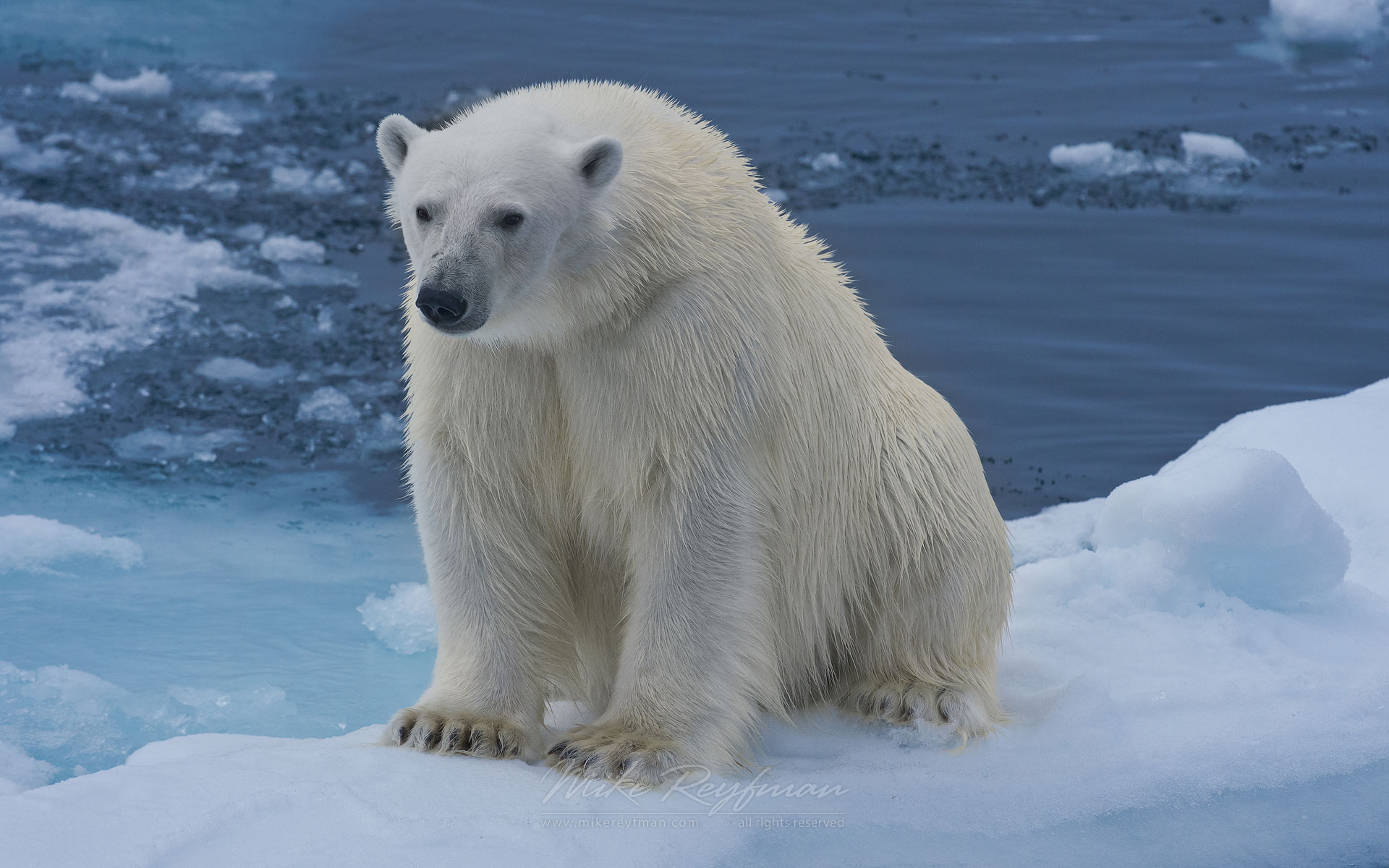
Imagine standing on a vast, frozen landscape, the wind biting at your face, with nothing but ice and snow stretching as far as the eye can see. Now, imagine you're a polar bear, and your survival depends on navigating this harsh environment to find your next meal. The stakes are incredibly high, and the margin for error is razor-thin.
Trying to picture the challenges these magnificent creatures face can be overwhelming. How do they survive in such extreme conditions? Where do they find food when resources are scarce? And how do they master the art of hunting on a constantly shifting, icy terrain?
This post delves into the fascinating world of polar bear hunting strategies on ice. We will explore the methods they use, the prey they target, and the adaptations that make them such successful predators in the Arctic. We will uncover the secrets to their icy survival.
From patiently waiting at breathing holes to ambushing seals sunbathing on the ice, polar bears have developed a sophisticated array of hunting techniques. Their incredible sense of smell, thick fur, and powerful physique all contribute to their ability to thrive in one of the planet's most challenging environments. We'll journey into the world of polar bears, seals, and the intricate dance of survival on the Arctic ice, exploring strategies like still-hunting, stalking, and even using tools. So get ready to learn more about these amazing creatures and the way they survive in the harshest conditions on Earth.
The Waiting Game: Still Hunting
I'll never forget the first time I saw a polar bear in a documentary, seemingly motionless near a small opening in the ice. At first, I thought the bear was simply resting. Only later did I understand that it was employing a hunting strategy called still-hunting, patiently waiting for a seal to surface for air. It was a stark reminder that nature operates on a different timescale than our own, where patience is a virtue rewarded with survival.
Still-hunting is a primary hunting tactic for polar bears, particularly around seal breathing holes, also known as aglus.These holes, maintained by seals to access air beneath the ice, become crucial hunting spots. The polar bear will lie in wait, sometimes for hours, its white fur providing camouflage against the snowy backdrop. Its keen sense of smell allows it to detect the presence of a seal even before it surfaces. When a seal finally comes up for air, the bear uses its powerful paws to strike with incredible speed, pulling the seal out of the water and onto the ice. This method is most effective during the winter months when the ice is thickest and seals rely heavily on these breathing holes. The success of still-hunting hinges on the bear's ability to remain undetected and to react with lightning-fast precision when the opportunity arises. Furthermore, the bear's knowledge of seal behavior and the location of breathing holes is critical for success. They often learn these locations from their mothers, passing down generations of hunting expertise. The impact of climate change on sea ice, however, is disrupting these traditional hunting grounds and making still-hunting increasingly difficult, as the thinner ice means seals are less reliant on breathing holes.
The Ambush: Stalking and Charging
Stalking and charging is an active hunting method where the polar bear uses its camouflage and agility to get as close as possible to its prey before launching a surprise attack. This technique is often employed when targeting seals resting on the ice. The bear will start by spotting a seal from a distance, using its excellent eyesight to scan the horizon. Once a target is identified, the polar bear begins a slow, deliberate approach, taking advantage of any available cover, such as snowdrifts or pressure ridges, to conceal its movements. It may even crawl on its belly to remain undetected. As it gets closer, the bear will assess the seal's awareness and adjust its approach accordingly. If the seal remains unaware, the polar bear will get as close as possible, sometimes within just a few meters, before exploding into a sudden charge. The aim is to surprise the seal and prevent it from escaping into the water. The bear's powerful paws and sharp claws are used to secure the seal, while its bite can deliver a fatal blow. The success of stalking and charging depends on several factors, including the bear's stealth, speed, and the seal's vigilance. Seals are naturally wary creatures, so the polar bear must be able to anticipate their behavior and react quickly to any signs of alarm. The hunting strategy is more effective in areas with uneven terrain or plentiful snow cover, which provides better concealment for the bear. In contrast to still hunting, stalking and charging is a more physically demanding method, requiring the bear to expend significant energy in pursuit of its prey. This is also impacted by climate change and shrinking sea ice, the bears must travel further and work harder to catch the same amount of prey.
Polar Bear Hunting: History and Myth
The history of polar bear hunting is intertwined with the history of Arctic indigenous cultures. For centuries, groups like the Inuit have relied on polar bears for food, clothing, and tools. Traditional hunting methods were developed based on intimate knowledge of polar bear behavior and the Arctic environment. These methods often involved using dogs to track and corner the bears, or setting traps made from ice and snow. Polar bear hunts were not only a means of survival but also an important part of cultural traditions and spiritual beliefs. Polar bears were often revered as powerful and intelligent creatures, and their hunts were accompanied by rituals and ceremonies to honor the animal's spirit. In contrast, European and North American interactions with polar bears often focused on commercial hunting for fur and trophies. This led to significant declines in polar bear populations in some areas during the 19th and 20th centuries. Today, polar bear hunting is regulated in many regions to ensure the sustainability of the population. However, the practice remains controversial, with some arguing that it is unethical and unnecessary, while others maintain that it is a legitimate form of subsistence for indigenous communities. Myths surrounding polar bears are common in many cultures. In some stories, they are depicted as powerful spirits or guardians of the Arctic, while in others, they are portrayed as dangerous and unpredictable predators. The Inuit have a rich oral tradition of stories about polar bears, often featuring them as characters with human-like qualities. The reality of polar bear hunting is complex, involving both ecological and cultural considerations. It is a reminder of the intricate relationship between humans and the natural world, and the importance of finding sustainable ways to coexist.
The Hidden Secrets of Polar Bear Hunting
One of the least understood aspects of polar bear hunting is their reliance on specific ice formations and their ability to navigate using a combination of instinct, memory, and environmental cues. Polar bears are not simply wandering aimlessly across the ice; they often follow established routes and target areas where seals are known to congregate. They have an uncanny ability to remember the locations of seal breathing holes and other hunting spots, even after months of absence. They can also use their keen sense of smell to detect the presence of seals from great distances, sometimes up to 20 miles away. This ability allows them to efficiently locate prey in the vast and seemingly featureless Arctic landscape. Another hidden secret of polar bear hunting is their adaptability. While seals are their primary prey, polar bears are opportunistic hunters and will consume a variety of other animals, including birds, eggs, and even vegetation, when seals are scarce. They have also been known to scavenge on whale carcasses and other marine mammals. This adaptability is crucial for their survival, especially in the face of climate change, which is reducing the availability of their preferred prey. Furthermore, polar bears can modify their hunting strategies depending on the conditions. For example, they may use different techniques when hunting on land compared to hunting on the ice. They may also adjust their hunting behavior based on the time of year and the availability of different prey species. The hidden secrets of polar bear hunting highlight the complexity of these animals and their remarkable ability to thrive in one of the most challenging environments on Earth. Understanding these secrets is essential for developing effective conservation strategies to protect polar bears and their habitats.
Recommendations for Polar Bear Conservation
Protecting polar bears and their hunting grounds requires a multifaceted approach that addresses both the immediate threats they face and the long-term challenges posed by climate change. Firstly, reducing greenhouse gas emissions is crucial to slow the rate of sea ice loss, which is the primary threat to polar bear survival. This requires a global effort to transition to renewable energy sources and reduce our reliance on fossil fuels. Secondly, protecting critical polar bear habitats is essential. This includes designating protected areas where hunting and other human activities are restricted. It also involves managing coastal development to minimize disturbance to polar bear denning sites and migration routes. Thirdly, reducing pollution in the Arctic is important for maintaining the health of polar bear populations. This includes regulating the discharge of pollutants from ships and industrial facilities, as well as cleaning up existing contamination sites. Fourthly, promoting sustainable tourism in the Arctic can help to raise awareness about polar bears and their conservation needs, while also providing economic benefits to local communities. However, it is important to ensure that tourism activities are conducted responsibly and do not harm polar bear habitats or disturb their hunting activities. Finally, supporting research on polar bear behavior, ecology, and population dynamics is essential for informing conservation efforts. This includes monitoring polar bear populations, tracking their movements, and studying the impacts of climate change on their health and survival. By implementing these recommendations, we can help to ensure that polar bears continue to thrive in the Arctic for generations to come. It's a shared responsibility that demands global attention and action.
The Impact of Climate Change
Climate change is undeniably the biggest threat to polar bears and their hunting success. As global temperatures rise, sea ice is melting at an alarming rate, shrinking the area where polar bears can hunt seals. The shrinking ice also forces them to swim longer distances, expending precious energy reserves. Additionally, the timing of ice formation and break-up is changing, disrupting the polar bears' hunting seasons and making it more difficult for them to find food. The impact of climate change is not just about the loss of sea ice; it also affects the availability of seals, their primary prey. As the ice melts, seal populations are also declining, further reducing the polar bears' food supply. This leads to malnutrition, reduced reproductive rates, and increased mortality among polar bear populations. The changing climate is also causing other problems for polar bears, such as increased exposure to pollutants and diseases. As the ice melts, it releases pollutants that have been trapped for decades, contaminating the water and the food chain. Polar bears are also becoming more vulnerable to diseases as their immune systems are weakened by malnutrition. The long-term consequences of climate change for polar bears are dire. If sea ice continues to decline at the current rate, polar bear populations could face extinction in many parts of the Arctic within the next few decades. This is a tragedy not only for the polar bears themselves but also for the entire Arctic ecosystem, which depends on these apex predators to maintain its balance. Addressing climate change is essential for the survival of polar bears and the preservation of the Arctic environment. This requires a global effort to reduce greenhouse gas emissions and transition to a sustainable energy economy.
Tips for Observing Polar Bears Safely
If you ever have the opportunity to observe polar bears in their natural habitat, it is crucial to do so with the utmost respect and caution. Polar bears are powerful predators, and it is essential to maintain a safe distance and avoid any behavior that could provoke them. One of the most important tips for observing polar bears safely is to hire a reputable tour operator with experience in polar bear viewing. These operators have the knowledge and expertise to ensure that you can observe the bears safely and responsibly. They will also be able to provide you with information about polar bear behavior and ecology. Another important tip is to maintain a safe distance from the bears at all times. The recommended distance is at least 100 meters, but it is always better to err on the side of caution. Never approach a polar bear, and avoid any behavior that could be interpreted as threatening, such as making loud noises or sudden movements. When observing polar bears from a boat or vehicle, always stay inside and avoid getting out unless you are specifically instructed to do so by your guide. Never feed polar bears, as this can habituate them to humans and make them more likely to approach people in the future. Be aware of your surroundings and pay attention to the bears' behavior. If a polar bear appears agitated or aggressive, back away slowly and avoid making eye contact. Report any sightings of polar bears in populated areas to the local authorities. By following these tips, you can help to ensure that you can observe polar bears safely and responsibly, while also minimizing your impact on their habitat and behavior. Respecting these magnificent creatures is key to ensuring their long-term survival. Remember, it's their home, and we are just visitors.
Understanding Polar Bear Adaptations
Polar bears have evolved a remarkable set of adaptations that allow them to thrive in the harsh Arctic environment. Their thick fur coat provides insulation against extreme cold, while a layer of blubber beneath their skin acts as an additional insulator and energy reserve. Their white fur provides camouflage in the snow and ice, helping them to sneak up on prey. Polar bears have large paws with rough pads and non-retractable claws, which provide traction on slippery ice and snow. They are also excellent swimmers, able to hold their breath for extended periods and swim long distances in search of food. Their streamlined bodies and powerful legs help them to navigate through the water with ease. Polar bears have a keen sense of smell, which they use to locate seals from great distances. They can detect the scent of a seal breathing hole even when it is buried under several feet of snow. Their teeth are adapted for tearing flesh, and their jaws are powerful enough to crush bones. Polar bears have a unique adaptation that allows them to conserve energy during periods of food scarcity. They can slow down their metabolism and enter a state of dormancy, similar to hibernation, which allows them to survive for extended periods without eating. These adaptations are essential for the survival of polar bears in the Arctic environment. However, these adaptations are being challenged by climate change, which is altering the Arctic landscape and making it more difficult for polar bears to find food and survive. Protecting polar bears and their habitat is crucial for ensuring that these remarkable animals can continue to thrive in the Arctic for generations to come. This is the responsibility of humans, we need to preserve the animals natural habitats, for the good of all.
Fun Facts About Polar Bear Hunting
Did you know that polar bears can smell a seal from up to 20 miles away? Or that they can hold their breath for over a minute underwater? These are just a few of the fascinating facts about polar bear hunting that highlight their incredible adaptations and hunting skills. Another interesting fact is that polar bears are not always successful hunters. In fact, studies have shown that they often fail to catch their prey, especially during the summer months when the ice is thin and seals are more difficult to access. This makes them rely on scavenging and they are always on the lookout for food. Polar bear cubs learn hunting techniques from their mothers. They will often spend several years with their mothers, learning how to locate seals, stalk them, and kill them. Polar bear mothers are fiercely protective of their cubs and will defend them against any perceived threat. Polar bears are also known to use tools to help them hunt. For example, they have been observed using blocks of ice to knock seals off ice floes or to break open seal dens. The scientific name for polar bear is Ursus maritimus, which means "maritime bear." This reflects their close relationship with the sea ice, which is essential for their survival. Polar bears are found in the Arctic regions of Canada, Russia, Greenland, Norway, and the United States. They are apex predators, meaning that they are at the top of the food chain and have no natural predators other than humans. Learning about these fun facts can help us to appreciate the complexity of polar bear hunting and the challenges that these animals face in a changing Arctic environment. By understanding their behavior and ecology, we can better protect them and their habitat for future generations. Conservation and the long term effects of this is something that everyone should consider.
How to Support Polar Bear Conservation Efforts
Supporting polar bear conservation efforts can take many forms, from making individual lifestyle changes to supporting organizations that are working to protect polar bears and their habitat. One of the most effective ways to support polar bear conservation is to reduce your carbon footprint. This can be done by reducing your energy consumption, using public transportation, eating less meat, and supporting businesses that are committed to sustainability. Another way to support polar bear conservation is to donate to organizations that are working to protect polar bears and their habitat. There are many reputable organizations that are dedicated to polar bear conservation, such as Polar Bears International, World Wildlife Fund, and the National Wildlife Federation. You can also support polar bear conservation by advocating for policies that protect polar bears and their habitat. This includes supporting legislation that reduces greenhouse gas emissions, protects critical habitats, and regulates hunting and other human activities that can harm polar bears. Educating yourself and others about polar bear conservation is also an important way to support these efforts. By learning about the challenges that polar bears face and the steps that can be taken to protect them, you can help to raise awareness and inspire others to take action. You can also support local communities in the Arctic that are working to protect polar bears and their habitat. These communities often have a deep understanding of polar bear ecology and can play a vital role in conservation efforts. By supporting their efforts, you can help to ensure that polar bears continue to thrive in the Arctic for generations to come. Remember every little helps, doing your part will ensure polar bear conservation.
What if Polar Bear Hunting Ceased Entirely?
If polar bear hunting ceased entirely, the immediate impact on polar bear populations would likely be positive, at least in areas where hunting is a significant source of mortality. However, the long-term consequences are more complex and could potentially have unintended negative effects. In some Arctic communities, polar bear hunting is an important source of food and income. If hunting were to cease, these communities would need to find alternative sources of sustenance and economic support. This could potentially lead to increased reliance on other resources, such as fish or other wildlife, which could have its own ecological consequences. Another potential consequence of ceasing polar bear hunting is an increase in human-polar bear conflicts. In some areas, polar bears are attracted to human settlements by the presence of food or garbage. If hunting were to cease, polar bear populations could increase, leading to more frequent encounters between humans and bears. This could result in increased property damage, injuries, and even fatalities. Furthermore, ceasing polar bear hunting could potentially lead to a loss of traditional knowledge and skills related to polar bear ecology and management. In many Arctic communities, hunting is an integral part of their cultural heritage and way of life. If hunting were to cease, this traditional knowledge could be lost over time, making it more difficult to manage polar bear populations effectively. Ultimately, the decision of whether or not to cease polar bear hunting is a complex one that must take into account the ecological, economic, and cultural factors involved. It is important to consult with local communities and experts to develop management strategies that are both sustainable and equitable. Climate change is a factor but other aspects should also be considered as well.
Listicle: 5 Key Facts About Polar Bear Hunting
Here are five key facts about polar bear hunting that highlight the challenges and adaptations of these Arctic predators:
- Masters of the Ice: Polar bears are highly adapted to hunting on sea ice, which is essential for accessing their primary prey, seals.
- Still-Hunting Specialists: They often employ a hunting technique called still-hunting, patiently waiting near seal breathing holes for hours or even days.
- Climate Change Threat: The shrinking sea ice due to climate change is making it increasingly difficult for polar bears to find and catch seals, threatening their survival.
- Incredible Sense of Smell: Polar bears have an exceptional sense of smell, allowing them to detect seals from great distances, even under several feet of snow.
- Opportunistic Hunters: While seals are their preferred prey, polar bears are opportunistic hunters and will consume a variety of other animals, including birds, eggs, and even vegetation, when seals are scarce.
These facts demonstrate the importance of sea ice for polar bear survival, the challenges they face in a changing Arctic environment, and their remarkable adaptations that allow them to thrive in one of the most extreme environments on Earth. Educate yourself and spread the word so we are able to help these animals thrive and keep polar bear hunting around for years to come.
Question and Answer About How Polar Bears Hunt on Ice
Here are some frequently asked questions about how polar bears hunt on ice:
Q: What is the primary prey of polar bears?
A: The primary prey of polar bears are seals, particularly ringed seals and bearded seals. They rely on the high-fat content of seals to provide them with the energy they need to survive in the Arctic.
Q: How do polar bears find seals to hunt?
A: Polar bears use their keen sense of smell to locate seals from great distances. They can detect the scent of a seal breathing hole even when it is buried under several feet of snow. They also patrol areas where seals are known to congregate, such as ice edges and cracks.
Q: What are the main hunting techniques used by polar bears?
A: The main hunting techniques used by polar bears include still-hunting, stalking, and ambushing. Still-hunting involves waiting patiently near a seal breathing hole until a seal surfaces for air. Stalking involves slowly approaching a seal that is resting on the ice and then charging at it. Ambushing involves waiting near a seal den or resting spot and then attacking when the seal is vulnerable.
Q: How does climate change affect polar bear hunting?
A: Climate change is causing sea ice to melt at an alarming rate, which is reducing the area where polar bears can hunt seals. The shrinking ice also forces them to swim longer distances, expending precious energy reserves. Additionally, the timing of ice formation and break-up is changing, disrupting the polar bears' hunting seasons and making it more difficult for them to find food. In light of the climate change, polar bear habitats are changing and the effect it has on the animals.
Conclusion of How Polar Bears Hunt on Ice
Polar bears are truly remarkable creatures, perfectly adapted to survive and hunt in the challenging Arctic environment. Their hunting strategies, from the patient waiting game of still-hunting to the active pursuit of stalking and ambushing, showcase their intelligence and physical prowess. However, the future of these magnificent animals is uncertain. Climate change, with its impact on sea ice, poses a significant threat to their survival. It's crucial that we continue to learn about polar bears and support conservation efforts to protect their habitat and ensure their survival for generations to come. Understanding their hunting techniques and the challenges they face is the first step towards becoming advocates for these incredible creatures of the ice.
0 Response to "How Polar Bears Hunt on Ice"
Post a Comment