How Drones Are Used to Protect Wildlife
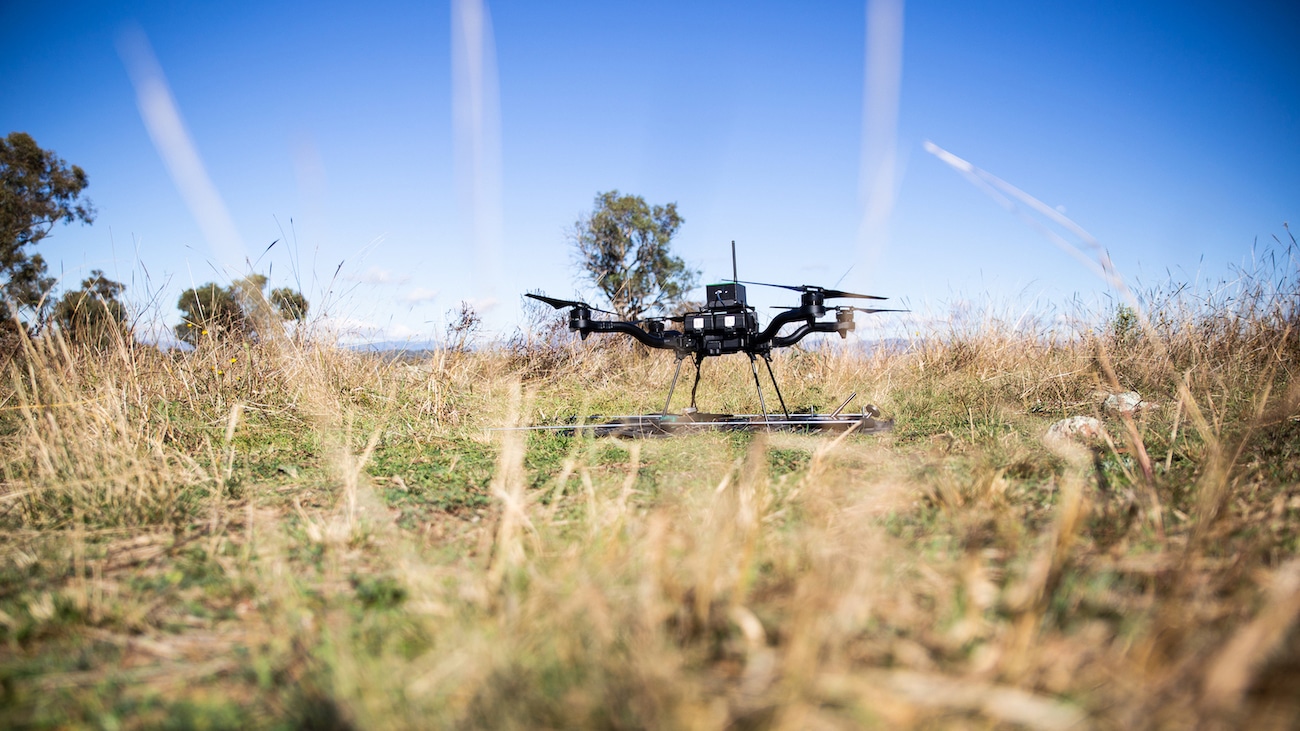
Imagine soaring silently above vast landscapes, witnessing the secret lives of animals without disturbing their natural habitats. It sounds like a scene from a nature documentary, right? But what if I told you this is a reality, made possible by a technology often associated with something else entirely: drones.
For years, conservationists have faced significant hurdles in their efforts. Monitoring wildlife populations over large, often inaccessible areas is labor-intensive, expensive, and can even put researchers at risk. Traditional methods, such as aerial surveys using manned aircraft, are noisy and disruptive to wildlife, potentially skewing data and causing unnecessary stress to already vulnerable species. Furthermore, catching poachers in the act often feels like a losing battle, as they operate in remote locations, making detection difficult and prosecution even more challenging.
But here's where drones come in. These unmanned aerial vehicles (UAVs) are rapidly transforming wildlife conservation, offering a powerful and versatile tool for researchers, park rangers, and conservation organizations around the globe. From monitoring endangered species to combating poaching and assessing habitat damage, drones are proving to be invaluable allies in the fight to protect our planet's biodiversity.
This article explores the multifaceted ways drones are being deployed in wildlife conservation. We'll delve into specific examples of drone applications, including population monitoring, anti-poaching efforts, habitat assessment, and even disaster response. We will highlight how drones are helping to revolutionize conservation practices, offering a more efficient, cost-effective, and less intrusive way to safeguard our planet's incredible wildlife for generations to come. Think of it as a bird's-eye view of conservation innovation, using technology to protect the very creatures that inspired it.
Monitoring Endangered Species with Drones
I remember visiting a wildlife sanctuary a few years ago, eager to see the elusive snow leopard. After hours of trekking, all I saw were footprints – a tantalizing hint of the majestic creature, but no actual sighting. It struck me then how difficult it must be to truly understand and protect animals that are masters of camouflage and inhabit remote, treacherous terrain. This is where drones excel. They provide a non-invasive way to track and monitor endangered species, gathering crucial data on population size, distribution, and behavior without causing undue stress or disturbance.
Using high-resolution cameras and thermal imaging technology, drones can identify and count animals even in dense vegetation or at night. This is particularly valuable for species like rhinos, elephants, and tigers, which are often targeted by poachers. By providing real-time data on animal movements and behavior, drones can help rangers anticipate and prevent poaching attempts. Moreover, drones can be equipped with sensors to collect environmental data, such as temperature, humidity, and vegetation cover, providing a comprehensive picture of the habitat and its impact on the species being monitored. This information is vital for developing effective conservation strategies and mitigating threats to endangered populations.
Furthermore, drones can be used to deploy non-lethal tracking devices, such as GPS collars, on animals without the need for capture. This is a significant advantage, as capture can be stressful and even dangerous for some species. By using drones to deploy these devices, researchers can gather valuable long-term data on animal movements and behavior with minimal disturbance.
Anti-Poaching Patrols and Surveillance
Imagine being a park ranger, tasked with protecting vast swaths of land from heavily armed poachers. The odds often feel stacked against you. The terrain is challenging, resources are limited, and the poachers are often well-equipped and highly motivated. Drones are rapidly changing this dynamic, offering a powerful tool for anti-poaching patrols and surveillance. Equipped with high-resolution cameras and thermal imaging, drones can patrol remote areas day and night, detecting poachers and alerting rangers to their presence.
The ability to conduct real-time surveillance is a game-changer in the fight against poaching. Drones can be deployed quickly and quietly, providing a discreet and effective way to monitor known poaching hotspots. They can also be used to track suspicious vehicles and individuals, gathering evidence that can be used to prosecute poachers. Moreover, the mere presence of drones can act as a deterrent, discouraging poachers from entering protected areas. The psychological impact of knowing that they are being watched can be enough to prevent poaching attempts.
Furthermore, drones can be equipped with spotlights and loudspeakers, allowing rangers to confront poachers and issue warnings. This can be particularly effective in deterring opportunistic poaching, where individuals may be tempted to kill an animal if they believe they can get away with it. By making their presence known and issuing warnings, rangers can disrupt poaching attempts and prevent animals from being harmed.
The History and Myth of Drone Use in Wildlife Protection
While the widespread use of drones in wildlife conservation is relatively recent, the concept of using aerial technology for surveillance and monitoring dates back much further. During World War I, unmanned aircraft were used for reconnaissance and target practice. However, it wasn't until the development of smaller, more affordable, and easier-to-operate drones that their potential for civilian applications, including wildlife conservation, became apparent.
One myth surrounding the use of drones in wildlife protection is that they are a silver bullet solution, capable of completely eliminating poaching and other threats to wildlife. While drones are a powerful tool, they are not a substitute for traditional conservation efforts, such as boots-on-the-ground patrols, community engagement, and law enforcement. Drones are most effective when used in conjunction with these other strategies, providing a comprehensive approach to wildlife protection.
Another myth is that drones are always welcomed by local communities. In some cases, communities may be skeptical of drones, fearing that they will be used for surveillance or that they will disrupt traditional hunting practices. It is essential to engage with local communities and address their concerns before deploying drones in wildlife conservation efforts. Transparency and collaboration are key to ensuring that drones are used in a way that benefits both wildlife and the people who depend on it.
Unveiling the Hidden Secrets of Drone Capabilities
Beyond the commonly known applications of drones in wildlife conservation, there are some hidden secrets to their capabilities that are worth exploring. For instance, drones can be used to detect and monitor invasive species, which pose a significant threat to many ecosystems. By using drones equipped with specialized sensors, researchers can identify areas where invasive plants or animals are present, allowing them to take targeted action to control or eradicate these species.
Another hidden secret is the potential for drones to be used in wildlife rehabilitation. Drones can be used to deliver food and medication to injured or orphaned animals in remote locations, reducing the need for human intervention and minimizing stress to the animals. This can be particularly valuable for species that are sensitive to human contact or that inhabit areas that are difficult to access.
Furthermore, drones can be used to create detailed 3D models of habitats, providing valuable information for habitat restoration and management. By analyzing these models, researchers can identify areas that are degraded or damaged, allowing them to develop targeted restoration plans. Drones can also be used to monitor the progress of restoration efforts, ensuring that they are effective and sustainable.
Recommendations for Effective Drone Deployment
Deploying drones effectively in wildlife conservation requires careful planning and consideration. Here are some recommendations to ensure that drone operations are successful and sustainable. First, it is essential to obtain the necessary permits and approvals from local authorities before flying drones in protected areas. This will ensure that drone operations are legal and that they do not interfere with other activities in the area.
Second, it is important to train drone operators thoroughly in safe flying practices and data collection techniques. This will ensure that drone operations are conducted safely and that the data collected is accurate and reliable. Training should also include instruction on wildlife behavior and ethics, ensuring that drone operators minimize disturbance to animals.
Third, it is crucial to invest in high-quality drones and equipment. This will ensure that drone operations are efficient and that the data collected is of sufficient quality to meet the needs of conservation managers. Choosing the right type of drone, camera, and sensors is essential for achieving specific conservation goals.
Ethical Considerations When Using Drones
While drones offer tremendous potential for wildlife conservation, it’s vital to consider the ethical implications of their use. One key concern is the potential for disturbance to wildlife. The noise and visual presence of drones can stress animals, alter their behavior, and even disrupt breeding cycles. Therefore, it’s crucial to operate drones responsibly, maintaining a safe distance from wildlife and avoiding sensitive areas during critical periods.
Another ethical consideration is data privacy. Drones collect vast amounts of data, including images and videos of wildlife and their habitats. It’s important to ensure that this data is stored securely and used responsibly, respecting the privacy of both animals and people. Data should only be shared with authorized personnel and used for legitimate conservation purposes.
Finally, it’s essential to engage with local communities and address their concerns about drone use. Some communities may fear that drones will be used for surveillance or that they will disrupt traditional practices. Open communication and collaboration are key to building trust and ensuring that drones are used in a way that benefits both wildlife and people.
Tips and Tricks for Drone-Based Conservation
Maximize your drone’s effectiveness with these tips and tricks. Consider using mapping software to pre-plan flight paths. These tools help ensure comprehensive coverage of the target area and minimize battery drain. Also, practice flying in different weather conditions. Wind, rain, and even temperature can affect drone performance, so it’s important to be prepared for various scenarios.
Another useful tip is to experiment with different camera settings. Adjusting the ISO, aperture, and shutter speed can significantly improve image quality, especially in low-light conditions. Also, learn how to use image stabilization features to minimize blur caused by drone movement. These small adjustments can make a big difference in the quality of the data you collect.
Finally, remember to regularly maintain your drone and its components. Check the propellers, batteries, and sensors for wear and tear. Keep the drone clean and dry, and store it in a safe place when not in use. Proper maintenance will extend the lifespan of your drone and ensure that it performs optimally when you need it most.
The Future of Drones and Wildlife
The future of drones in wildlife conservation is incredibly promising. As technology advances, drones will become even more sophisticated, efficient, and affordable. We can expect to see drones equipped with more advanced sensors, such as Li DAR and hyperspectral cameras, which will provide even more detailed information about wildlife and their habitats. Furthermore, drones will become more autonomous, capable of performing complex tasks without human intervention. This will allow researchers to monitor wildlife over vast areas with minimal effort.
Another exciting development is the integration of artificial intelligence (AI) into drone systems. AI can be used to automatically identify animals in images and videos, freeing up researchers to focus on other tasks. AI can also be used to predict poaching hotspots and optimize anti-poaching patrols. The combination of drones and AI will revolutionize wildlife conservation, making it more efficient and effective than ever before.
Finally, we can expect to see greater collaboration between conservation organizations, governments, and drone manufacturers. This collaboration will lead to the development of new drone technologies and strategies that are tailored to the specific needs of wildlife conservation. By working together, we can harness the power of drones to protect our planet's incredible wildlife for generations to come.
Fun Facts About Drones in Conservation
Did you know that some drones are being used to deliver vaccines to endangered black-footed ferrets? These small mammals are highly susceptible to disease, and drones are providing a safe and efficient way to vaccinate them in remote areas. Also, some drones are equipped with microphones that can record the sounds of wildlife, allowing researchers to monitor populations and track their movements.
Another fun fact is that drones are being used to study whale behavior. By flying drones above whales, researchers can observe their movements, interactions, and feeding habits without disturbing them. This is providing valuable insights into the lives of these magnificent creatures. Furthermore, some drones are being used to detect illegal logging activities. By flying drones over forests, researchers can identify areas where trees have been illegally cut down, allowing them to alert authorities and prevent further damage.
Finally, it’s fascinating to learn that drones have been used to assist in rescuing stranded sea turtles. Equipped with cameras, drones can locate turtles in distress and guide rescue teams to their location, saving countless lives.
How to Get Involved in Drone-Based Conservation
If you’re passionate about wildlife and technology, there are many ways to get involved in drone-based conservation. Consider volunteering with a conservation organization that uses drones. Many organizations need help with data analysis, drone maintenance, and even piloting. You can also take courses on drone operation and conservation applications. These courses will teach you the skills you need to contribute to drone-based conservation efforts.
Another way to get involved is to support organizations that are using drones to protect wildlife. You can donate money, volunteer your time, or simply spread the word about their work. Every little bit helps to support the use of drones in conservation. Also, if you have drone piloting skills, you can offer your services to conservation organizations that need help with drone operations. Your expertise can make a significant contribution to their efforts.
Finally, you can advocate for the responsible use of drones in conservation. Encourage governments and organizations to develop policies that ensure drones are used ethically and effectively to protect wildlife. Your voice can help shape the future of drone-based conservation.
What If We Didn't Use Drones in Wildlife Protection?
Imagine a world where we couldn't utilize drones for wildlife protection. Conservation efforts would be significantly hampered. Monitoring vast and remote areas would require extensive manpower, time, and resources, making it difficult to track populations accurately. Anti-poaching efforts would rely solely on ground patrols, which are less effective and put rangers at greater risk. Habitat assessments would be less detailed and comprehensive, hindering our ability to restore and manage ecosystems effectively.
Without drones, we would lose a critical tool for combating poaching, monitoring endangered species, and understanding the complex dynamics of wildlife populations. Conservation efforts would become more expensive, less efficient, and less effective. The rate of species extinction would likely increase, and our ability to protect the planet's biodiversity would be severely compromised. Drones have become an integral part of modern conservation, and their absence would have devastating consequences.
Therefore, it's crucial to continue supporting the development and responsible use of drones in wildlife conservation. By harnessing the power of technology, we can protect our planet's incredible wildlife for generations to come. The investment in drones and their application in conservation is an investment in the future of our planet.
Top 5 Ways Drones Are Protecting Wildlife: A Listicle
Let's break down the top 5 ways drones are making a difference:
- Population Monitoring: Drones provide accurate counts of endangered species, helping track population trends and inform conservation strategies.
- Anti-Poaching Patrols: Drones deter poachers, provide real-time surveillance, and assist rangers in apprehending criminals.
- Habitat Assessment: Drones create detailed maps of habitats, identifying areas that need restoration and monitoring the impact of environmental changes.
- Disaster Response: Drones deliver aid to wildlife affected by natural disasters, such as wildfires and floods.
- Research and Data Collection: Drones collect valuable data on wildlife behavior, health, and genetics, providing insights that would be difficult or impossible to obtain through traditional methods.
These are just a few examples of the many ways drones are revolutionizing wildlife conservation. As technology continues to advance, we can expect to see even more innovative applications of drones in the years to come. Their ability to provide a bird's-eye view, gather data non-invasively, and access remote areas makes them an invaluable tool for protecting our planet's biodiversity.
Question and Answer About How Drones Are Used to Protect Wildlife
Q: Are drones harmful to wildlife?
A: When used responsibly, drones can minimize disturbance to wildlife. Careful planning, operator training, and adherence to ethical guidelines are crucial to ensure that drones do not stress animals or disrupt their habitats.
Q: How expensive is it to use drones for conservation?
A: The cost of using drones for conservation varies depending on the type of drone, the equipment required, and the size of the area being monitored. However, drones are often more cost-effective than traditional methods, such as aerial surveys using manned aircraft.
Q: What kind of training is required to operate drones for conservation?
A: Drone operators should receive training in safe flying practices, data collection techniques, wildlife behavior, and ethics. This training will ensure that drone operations are conducted safely and responsibly.
Q: Can drones be used in all types of weather conditions?
A: Drones can be used in a variety of weather conditions, but it’s important to be aware of the limitations. Wind, rain, and temperature can affect drone performance, so it’s crucial to choose the right type of drone and to operate it safely in challenging conditions.
Conclusion of How Drones Are Used to Protect Wildlife
The integration of drones into wildlife conservation represents a significant leap forward in our ability to protect the planet's biodiversity. From monitoring endangered species to combating poaching and assessing habitat damage, drones are proving to be invaluable tools for conservationists around the globe. By offering a more efficient, cost-effective, and less intrusive way to gather data and monitor wildlife populations, drones are helping to revolutionize conservation practices and ensure that future generations can enjoy the wonders of the natural world. As technology continues to advance, the potential for drones to contribute to wildlife conservation will only grow, making them an indispensable asset in the ongoing effort to safeguard our planet's incredible wildlife.
0 Response to "How Drones Are Used to Protect Wildlife"
Post a Comment