How Horses Sleep Standing Up
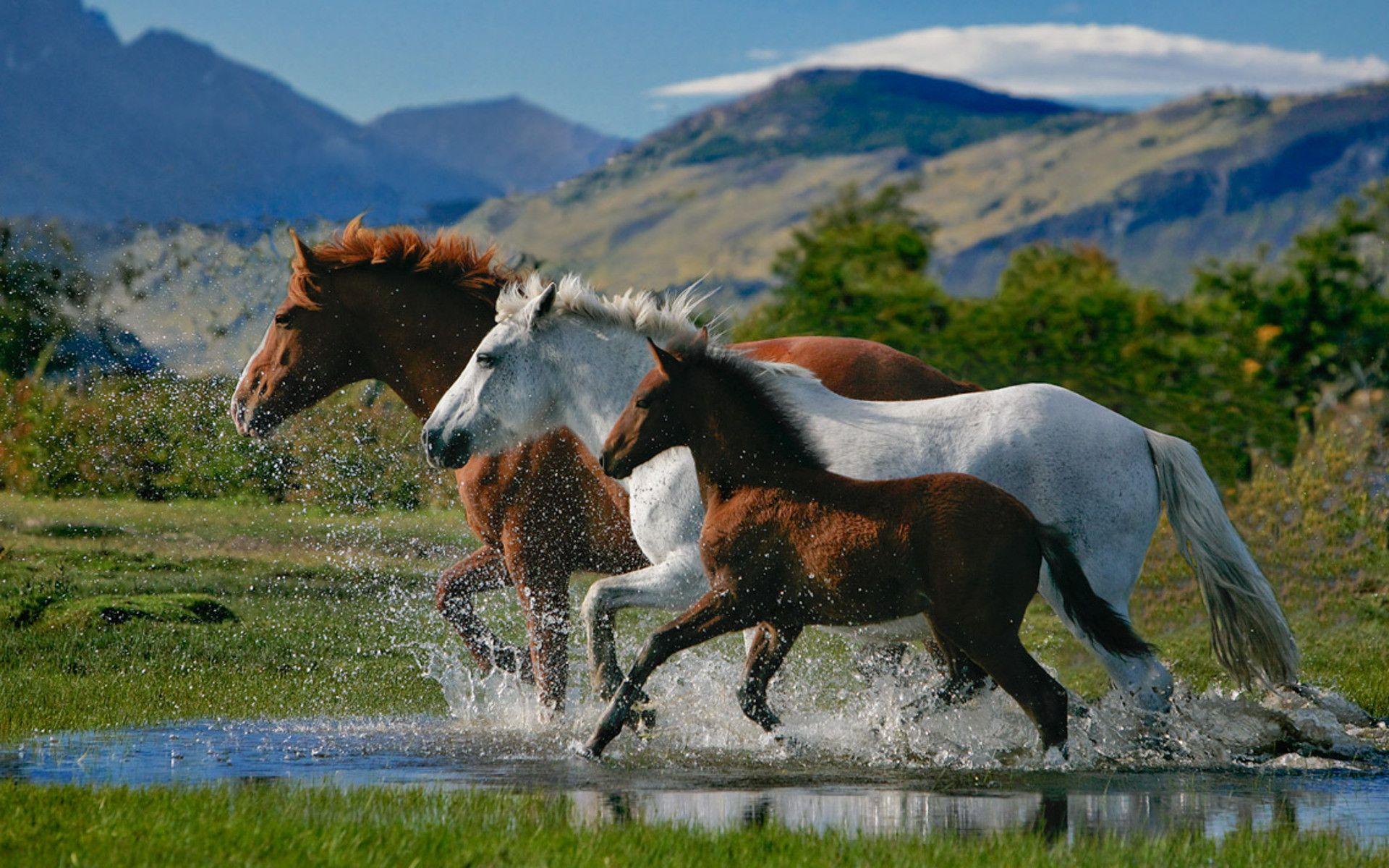
Have you ever watched a horse doze off in a field and wondered how it manages to stay upright? It seems like a precarious balancing act, doesn't it? Well, the answer is more fascinating than you might think!
We often take our own ability to lie down and sleep comfortably for granted. Imagine needing to maintain vigilance even while resting, or facing the constant threat of predators lurking nearby. It's a far cry from our cozy beds and quiet bedrooms.
The reason horses can sleep standing up lies in a remarkable anatomical feature called the "stay apparatus." This ingenious system of ligaments and tendons allows them to lock their major joints, primarily in their legs, without expending much muscular energy. In essence, it's like a built-in bracing mechanism, enabling them to rest without collapsing.
So, horses sleep standing thanks to their unique stay apparatus, a ligament and tendon system that locks their joints, conserving energy. This allows for quick escapes from predators. However, horses also need to lie down for REM sleep. We'll delve deeper into this amazing adaptation and more in the following sections.
The Marvel of the Stay Apparatus
I remember the first time I saw a horse seemingly "nod off" while standing in the pasture. I was convinced it would topple over any second! It was only later, after some research, that I learned about the incredible stay apparatus. It was a revelation, showcasing the power of natural adaptation. The stay apparatus isn't just one thing, but a collection of anatomical wonders working together. Ligaments, those strong, fibrous tissues connecting bone to bone, play a crucial role. They act like natural ropes, preventing the joints from buckling under the horse's weight. Tendons, which connect muscles to bone, also contribute by providing support and stability. This passive locking mechanism, requiring minimal muscular effort, is what allows horses to conserve energy while resting upright. It’s a testament to the evolutionary pressures that have shaped these magnificent animals.
Decoding Equine Sleep: Why Standing Isn't Enough
While the stay apparatus allows horses to doze while standing, it's important to understand that they can't achieve deep, restorative sleep in this position. REM (Rapid Eye Movement) sleep, the stage associated with dreaming and crucial for cognitive function, requires a completely relaxed state. To reach this level of relaxation, horses must lie down. This allows all muscles to fully relax, something impossible when the stay apparatus is engaged. A horse deprived of the opportunity to lie down for REM sleep will eventually become sleep-deprived, leading to behavioral changes, clumsiness, and even collapsing. Therefore, providing a safe and comfortable environment where horses feel secure enough to lie down is essential for their well-being. They need adequate space, soft bedding, and a sense of safety from potential threats.
Historical Perspectives and Folklore on Equine Sleep
Historically, the ability of horses to sleep standing up has been a source of wonder and even superstition. In many cultures, it was seen as a sign of strength and resilience, reflecting the horse's role as a powerful war animal or a reliable work partner. Some believed that horses never truly slept, always remaining vigilant and ready to serve their human companions. Of course, we now know that's not entirely true, but the myth highlights the profound respect and admiration humans have held for these animals throughout history. Folklore often intertwines with observations of nature, and the horse's standing sleep became a symbol of alertness and unwavering devotion. Understanding these historical perspectives allows us to appreciate the complex relationship between humans and horses, shaped by both practical needs and cultural beliefs.
Unveiling the Secrets of Restful Equine Sleep
One of the hidden secrets to a horse's ability to sleep standing up is the element of trust and security within its environment. While the stay apparatus provides the physical mechanism, the horse needs to feel safe enough to actually engage it and let its guard down, even if only partially. This is why herd dynamics play such a crucial role. In a herd, multiple horses can take turns standing guard, allowing others to rest more deeply, even if only standing. Furthermore, a horse's past experiences can significantly influence its ability to relax and sleep, whether standing or lying down. A horse that has experienced trauma or feels threatened in its environment might struggle to fully engage the stay apparatus, leading to restless or interrupted sleep. By creating a calm, predictable, and safe environment, we can help horses feel secure enough to utilize their natural sleep mechanisms effectively, promoting their overall well-being.
Recommendations for Promoting Healthy Equine Sleep
To ensure horses get adequate rest, it's crucial to provide them with an environment that supports both standing and lying down sleep. This means plenty of space in their stalls or paddocks to move around comfortably, as well as soft, clean bedding to encourage them to lie down. Regularly checking bedding for dampness or compaction is vital. Social interaction is also important, as horses feel safer and more relaxed when they have companions nearby. Ensuring a consistent daily routine, including feeding times and turnout, can also help reduce stress and promote better sleep. Consulting with a veterinarian or equine behaviorist can provide further insights into individual horse's sleep needs and any potential underlying issues. Remember, a well-rested horse is a healthier, happier, and more cooperative horse.
Understanding Equine Sleep Cycles and Patterns
Equine sleep cycles, unlike those of humans, are polyphasic, meaning they consist of multiple short periods of sleep throughout the day and night. Horses typically spend a few hours a day sleeping, broken up into several short naps. These naps can occur both standing and lying down, depending on the horse's level of comfort and security. During these naps, horses cycle through different stages of sleep, including light sleep, deep sleep, and REM sleep. As mentioned previously, REM sleep is essential for cognitive function and can only be achieved when lying down. The duration and frequency of these sleep cycles can vary depending on factors such as age, health, and environmental conditions. Foals, for instance, tend to sleep more than adult horses. Understanding these sleep cycles can help horse owners better manage their horse's environment and routine to promote optimal rest.
Tips for Spotting Sleep Deprivation in Horses
Recognizing the signs of sleep deprivation in horses is essential for ensuring their well-being. One of the most common indicators is behavioral changes, such as increased irritability, lethargy, or a lack of focus. A sleep-deprived horse might also appear clumsy or uncoordinated, stumbling or tripping more frequently than usual. In severe cases, horses might even collapse while standing, a clear sign that they are not getting enough REM sleep. Other subtle signs can include excessive yawning, drooping eyelids, or a general "zoned-out" appearance. If you suspect your horse is sleep-deprived, it's important to consult with a veterinarian to rule out any underlying medical conditions. They can also provide guidance on adjusting the horse's environment and routine to promote better sleep. Addressing sleep deprivation promptly can prevent more serious health problems and improve the horse's overall quality of life.
Addressing Environmental Factors Affecting Equine Sleep
The environment plays a significant role in determining the quality and quantity of a horse's sleep. Loud noises, bright lights, and constant activity can disrupt their sleep cycles and prevent them from reaching the deeper stages of rest. Ensuring a quiet and dimly lit environment, particularly during nighttime hours, can help promote better sleep. Similarly, proper ventilation is crucial for maintaining a comfortable temperature and preventing respiratory issues that can interfere with sleep. The presence of insects, such as flies and mosquitoes, can also be a nuisance and disrupt sleep. Implementing fly control measures, such as fly sprays or fly sheets, can help minimize these disturbances. Furthermore, the social environment can impact sleep, as horses feel safer and more relaxed when they have companions nearby. Maintaining a stable social group and minimizing disruptions to the herd dynamic can contribute to better sleep.
Fun Facts About Equine Sleep
Did you know that horses can dream? Just like humans, they experience REM sleep, which is associated with dreaming. While we can't know for sure what they dream about, it's likely that their dreams involve experiences from their daily lives, such as grazing, running, or interacting with other horses. Another fun fact is that horses can sleep with one eye open! This allows them to remain partially vigilant, scanning their surroundings for potential threats. However, they can also close both eyes when they feel safe and secure. Foals tend to sleep more than adult horses, spending a significant portion of their day napping. This is essential for their growth and development. Horses also have a natural tendency to sleep in groups, with some horses taking turns standing guard while others rest. This cooperative behavior enhances their safety and promotes better sleep for the entire herd. These fun facts highlight the fascinating and complex nature of equine sleep.
How to Create a Horse-Friendly Sleeping Environment
Creating a horse-friendly sleeping environment involves paying attention to several key factors. First and foremost, ensure that the stall or paddock is clean, dry, and well-ventilated. Provide ample soft bedding, such as straw or wood shavings, to encourage the horse to lie down. Remove any hazards that could cause injury, such as sharp edges or protruding objects. Minimize noise and light levels, especially during nighttime hours. Provide access to fresh water and hay, as hunger or thirst can disrupt sleep. Consider the social environment, ensuring that the horse has compatible companions nearby. Avoid sudden changes in the horse's routine, as this can cause stress and interfere with sleep. Regularly monitor the horse's behavior and physical condition for any signs of sleep deprivation or discomfort. By creating a comfortable, safe, and predictable environment, you can promote healthy sleep for your horse.
What if a Horse Can't Lie Down?
If a horse is unable to lie down, it can lead to serious health consequences. As previously mentioned, horses need to lie down to achieve REM sleep, which is essential for cognitive function and overall well-being. Prolonged sleep deprivation can result in behavioral changes, clumsiness, and even collapsing. The inability to lie down can be caused by a variety of factors, including physical pain, such as arthritis or musculoskeletal injuries; environmental factors, such as a lack of space or uncomfortable bedding; or psychological factors, such as stress or fear. If you notice that your horse is consistently avoiding lying down, it's important to consult with a veterinarian to determine the underlying cause. They can perform a thorough physical examination and recommend appropriate treatment options, such as pain management, environmental modifications, or behavioral therapy. Addressing the issue promptly can prevent more serious health problems and improve the horse's quality of life.
Listicle of 5 Facts About How Horses Sleep Standing Up
Here's a listicle about how horses sleep standing up:
1. The Stay Apparatus: Horses possess a unique anatomical feature called the stay apparatus, which allows them to lock their major joints and rest without collapsing. This system relies on ligaments and tendons rather than muscular effort, conserving energy.
2. REM Sleep Needs: While they can doze standing, horses must lie down to achieve REM (Rapid Eye Movement) sleep, the deepest and most restorative stage. Deprivation of REM sleep can lead to health and behavioral problems.
3. Herd Dynamics: Horses often sleep in groups, with some individuals taking turns standing guard. This social behavior enhances safety and allows others to rest more deeply.
4. Environmental Factors: The environment plays a crucial role in equine sleep. A quiet, dimly lit, and comfortable environment promotes better sleep quality.
5. Recognizing Deprivation: Signs of sleep deprivation in horses include behavioral changes, clumsiness, and, in severe cases, collapsing. Prompt veterinary attention is essential to address the underlying cause.
Question and Answer About How Horses Sleep Standing Up
Q: Is it true that horses never lie down?
A: No, that's a myth! Horses can and do lie down, especially to achieve REM sleep.
Q: How much sleep do horses need?
A: Horses typically need around 3-5 hours of sleep per day, usually broken into several short naps.
Q: What are the signs of sleep deprivation in horses?
A: Signs include irritability, clumsiness, and even collapsing.
Q: Can a horse sleep standing up all the time?
A: While they can doze standing, horses need to lie down for REM sleep. Without it, they will suffer from sleep deprivation.
Conclusion of How Horses Sleep Standing Up
In conclusion, the ability of horses to sleep standing up is a remarkable adaptation made possible by their stay apparatus. While this allows them to rest and remain vigilant, it's crucial to remember that horses also need to lie down for deep, restorative sleep. Understanding their sleep patterns and providing a safe and comfortable environment are essential for their overall health and well-being. By paying attention to their individual needs and addressing any potential sleep issues, we can ensure that these magnificent animals get the rest they need to thrive.
0 Response to "How Horses Sleep Standing Up"
Post a Comment