Animals That Sleep Standing Up
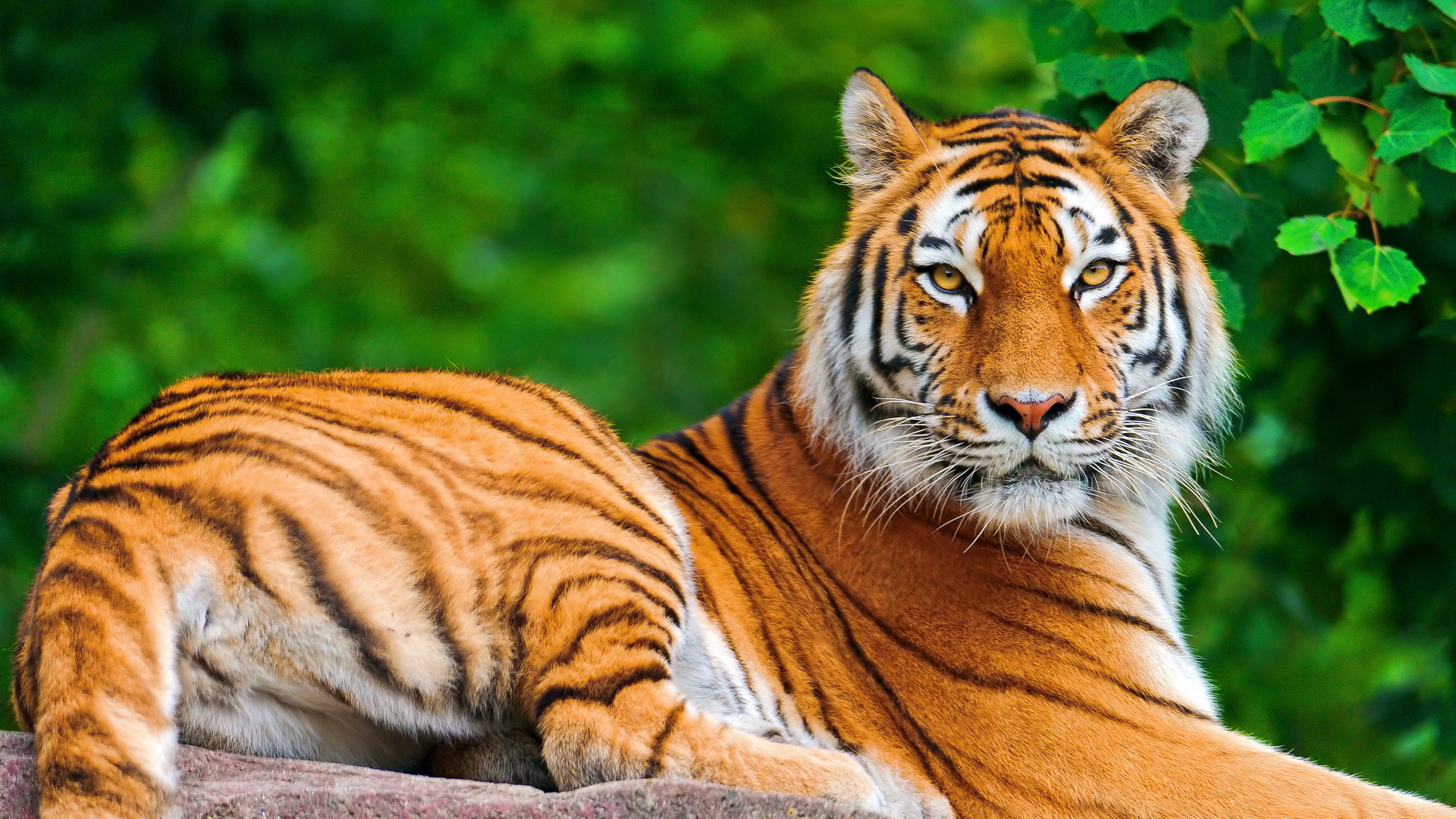
Have you ever wondered how some animals manage to catch some Zzz's while standing up? It sounds like a circus trick, but it's a real and fascinating adaptation found in several species across the animal kingdom.
We often think of sleep as something that requires a comfortable bed, a dark room, and a complete lack of disturbance. The idea that an animal can stand upright, seemingly defying gravity, and enter a state of rest challenges our preconceived notions about how sleep works and what it requires.
This article explores the amazing world of animals that have mastered the art of sleeping while standing. We'll delve into the "how" and "why" behind this behavior, looking at the unique adaptations and evolutionary advantages that make it possible.
So, which animals have this special ability? We'll cover familiar creatures like horses and flamingos, as well as some lesser-known examples. We'll explore the anatomy that allows them to lock their joints, the reasons they've adopted this sleeping posture, and the potential benefits and drawbacks of snoozing on their feet.
A Personal Encounter with Standing Sleepers
I'll never forget the first time I saw a horse doze off while standing. I was visiting a friend's farm, and we were spending the afternoon in the pasture. The horses were grazing peacefully, and I noticed one particularly large chestnut mare simply stop eating. Her head drooped slightly, her eyes closed halfway, and her body remained perfectly still. At first, I thought something might be wrong, but my friend chuckled and explained that she was just catching a quick nap. It was a truly remarkable sight, witnessing such a large and powerful animal seemingly switch off while remaining upright. This initial experience sparked my curiosity and encouraged me to learn more about the science behind this fascinating behavior. The key, as I discovered, lies in a clever anatomical mechanism known as a "stay apparatus." This network of tendons and ligaments allows horses (and other animals like them) to lock their major joints, preventing them from collapsing even when their muscles are relaxed. This evolutionary adaptation provides a crucial survival advantage, allowing these animals to rest while remaining vigilant and ready to flee from predators at a moment's notice. It's a delicate balance between rest and readiness, showcasing the remarkable ingenuity of nature.
The Mechanics of Staying Upright While Asleep
Sleeping standing up isn't just about being tired and not wanting to lie down. It's a biomechanical marvel! Animals that utilize this strategy have developed specialized anatomical features that allow them to lock their joints, primarily in their legs. This "stay apparatus," as it's often called, consists of tendons and ligaments that can be engaged to prevent the joints from bending, requiring minimal muscular effort. Think of it like a built-in support system. For example, in horses, the stay apparatus primarily works in the forelimbs, allowing them to distribute their weight evenly and lock their legs. This is crucial for their survival in open environments, where lying down would make them vulnerable to predators. Flamingos, on the other hand, use a different mechanism. They often stand on one leg while sleeping, which might seem even more precarious. However, their leg structure and weight distribution create a stable tripod effect, minimizing the energy required to maintain their balance. The ability to sleep standing up isn't just a quirky adaptation; it's a testament to the power of natural selection, favoring those animals that can find innovative ways to rest while minimizing their risk.
History and Myths of Standing Sleepers
The phenomenon of animals sleeping standing up has likely fascinated humans for centuries, giving rise to various myths and folklore. Horses, being among the most commonly observed standing sleepers, often feature in stories where their endurance and tireless nature are emphasized. Some cultures believed that horses could even sleep with one eye open, maintaining constant vigilance – a romantic notion that isn't entirely accurate but highlights their perceived alertness. While scientific understanding of the stay apparatus is relatively recent, anecdotal observations and practical knowledge of animal behavior have long informed our perception of these creatures. For example, ranchers and farmers have always understood the importance of providing horses with adequate rest, even if it appears they are constantly on their feet. The ability to stand and rest is a crucial element of their well-being, allowing them to conserve energy and remain healthy. Over time, these observations have woven their way into our cultural narratives, shaping the way we understand and interact with these animals. The historical and mythical perspectives offer a rich context for appreciating the scientific underpinnings of standing sleep, reminding us that human observation and storytelling have always played a role in our understanding of the natural world.
Unveiling the Hidden Secrets of Standing Sleep
Beyond the obvious benefit of predator avoidance, sleeping standing up holds some less obvious advantages. One such advantage is thermoregulation. For large animals like horses, lying down for extended periods can restrict blood flow and make it difficult to regulate their body temperature, especially in hot weather. Standing allows for better air circulation around the body, facilitating heat dissipation. Another hidden secret lies in the social dynamics of herd animals. Sleeping standing up allows individuals to remain connected to the group, maintaining visual and auditory contact with other members. This constant awareness of the surroundings promotes a sense of security and allows for quick coordinated responses to potential threats. Furthermore, the intermittent nature of standing sleep might actually promote better quality rest. Instead of entering deep sleep phases for extended periods, these animals often engage in short bouts of light sleep, allowing them to remain relatively alert and responsive. This strategy might be particularly beneficial in environments where constant vigilance is essential for survival. Unraveling these hidden secrets reveals the intricate interplay between physiological adaptations, social behaviors, and environmental pressures that have shaped the evolution of standing sleep.
Recommendations for Appreciating Standing Sleepers
If you're interested in observing animals that sleep standing up, zoos and wildlife parks offer excellent opportunities to witness this behavior firsthand. However, it's crucial to observe these animals respectfully, maintaining a safe distance and avoiding any actions that might disturb them. Look for subtle cues that indicate an animal is resting, such as drooping heads, half-closed eyes, and a stillness that contrasts with their usual activity. Learning about the specific adaptations of different species can enhance your appreciation for the complexity of this behavior. For example, understanding the mechanics of the stay apparatus in horses or the tripod stance of flamingos will allow you to interpret their behavior with greater insight. Additionally, consider supporting conservation efforts that protect the habitats of these animals. By preserving their natural environments, we ensure that future generations will have the opportunity to witness and learn from these remarkable creatures. Remember, responsible observation and conservation are key to appreciating the wonders of standing sleep and the diverse adaptations that allow animals to thrive in their respective environments. It's a privilege to witness this behavior, and it's our responsibility to protect the animals that exhibit it.
The Role of the Brain
While the stay apparatus allows for physical stability, the brain plays a crucial role in regulating sleep cycles and maintaining balance while standing. Research suggests that animals that sleep standing up experience different sleep phases than those that lie down. They tend to spend more time in lighter stages of sleep, characterized by slower brainwave activity, and less time in deep sleep or REM sleep, which are associated with muscle relaxation. This altered sleep architecture allows them to remain more alert and responsive to potential threats, even while resting. Furthermore, the brain must constantly monitor and adjust posture to maintain balance. Even with the stay apparatus engaged, subtle shifts in weight and muscle activity are necessary to prevent swaying or falling. This requires a continuous feedback loop between the brain and the muscles, ensuring that the animal remains upright and stable. The neurological aspects of standing sleep are still being actively researched, but it's clear that the brain plays a vital role in coordinating this complex behavior. It's a testament to the adaptability of the nervous system, allowing animals to find innovative ways to balance the need for rest with the demands of survival.
Tips for Spotting a Standing Sleeper
Want to become a pro at spotting animals snoozing on their feet? Here are some tips to help you hone your observation skills. First, pay attention to body language. Look for signs of relaxation, such as drooping heads, half-closed eyes, and a general stillness that contrasts with the animal's usual activity. Second, consider the time of day. Many animals that sleep standing up are most likely to do so during periods of inactivity, such as midday or late at night. Third, observe the social context. Herd animals often sleep standing up together, forming a vigilant circle with some individuals remaining more alert than others. Fourth, be patient. It may take time to observe an animal entering a state of sleep, so be prepared to wait and watch quietly. Finally, educate yourself about the specific behaviors of different species. Understanding the unique adaptations and sleeping patterns of various animals will make you a more informed and observant naturalist. By combining careful observation with a knowledge of animal behavior, you'll be well-equipped to spot a standing sleeper in the wild or at a zoo. Remember, observation is key to unlocking the secrets of the natural world.
Considerations of Energy Expenditure
Maintaining an upright posture, even with the assistance of the stay apparatus, still requires some energy expenditure. While the muscles are not actively contracting to hold the joints in place, they are still engaged in subtle adjustments to maintain balance and prevent swaying. This raises the question of whether sleeping standing up is truly more energy-efficient than lying down. The answer likely depends on a variety of factors, including the animal's size, the environment, and the duration of sleep. For large animals, the energy required to lower themselves to the ground and then stand back up can be significant. In these cases, sleeping standing up might actually be more energy-efficient, especially for short naps. However, for longer periods of sleep, lying down might allow for deeper muscle relaxation and greater energy conservation. The optimal strategy likely involves a combination of both standing and lying down, depending on the circumstances. Furthermore, the energy expenditure associated with vigilance also plays a role. Sleeping standing up allows animals to remain more alert to potential threats, reducing the energy required for a sudden escape. Balancing energy expenditure with vigilance is a crucial aspect of survival, and the choice between standing and lying down for sleep likely reflects this trade-off.
Fun Facts About Standing Sleepers
Did you know that zebras also sleep standing up? Like horses, they rely on a stay apparatus to lock their joints and conserve energy. Another fascinating fact is that giraffes, despite their long necks, can actually sleep standing up for short periods. They often rest their heads on their rumps or legs for added support. Flamingos are another interesting example. They often stand on one leg while sleeping, a behavior that is thought to help conserve body heat. By reducing the surface area in contact with the ground, they minimize heat loss in cold environments. Elephants, while primarily known for sleeping lying down, can also sleep standing up for short periods, especially when they are in groups and feel secure. These fun facts highlight the diversity of adaptations and strategies that animals have developed to sleep standing up. Each species has its own unique approach, shaped by its evolutionary history and environmental pressures. Learning about these fascinating details can deepen our appreciation for the ingenuity and adaptability of the animal kingdom.
How to Encourage Healthy Sleep Habits (Even Standing!)
While we can't directly teach animals to sleep standing up, we can create environments that promote healthy sleep habits for those that naturally do. For horses and other livestock, providing ample space for movement and social interaction is crucial. A safe and comfortable environment will encourage them to relax and rest, whether standing or lying down. Regular exercise is also important for maintaining muscle strength and joint flexibility, which are essential for utilizing the stay apparatus. For zoo animals, replicating their natural habitats as closely as possible can promote more natural sleep patterns. This might involve providing appropriate substrates for lying down, as well as opportunities for social interaction and foraging. Monitoring animals for signs of sleep deprivation is also important. Changes in behavior, such as increased irritability or decreased alertness, might indicate that an animal is not getting enough rest. In these cases, veterinary consultation is recommended to identify and address any underlying health issues. By creating supportive environments and monitoring animal health, we can ensure that standing sleepers have the opportunity to rest and thrive.
What if Animals Couldn't Sleep Standing Up?
Imagine a world where horses couldn't lock their joints and had to lie down every time they needed to rest. This would significantly increase their vulnerability to predators, as getting up and running away would take much longer. The same would be true for other animals that rely on standing sleep for predator avoidance. Their survival rates would likely plummet, and their populations would decline. Furthermore, the energy costs of constantly lying down and standing up would be substantial, potentially impacting their overall health and fitness. Thermoregulation would also become more challenging, especially for large animals in hot environments. The inability to stand and rest would disrupt their social dynamics as well, making it difficult to maintain contact with the herd and respond to potential threats. In short, the loss of standing sleep would have profound consequences for the animals that rely on it, altering their behavior, ecology, and ultimately, their survival. This thought experiment highlights the critical role that standing sleep plays in the lives of these creatures and underscores the importance of protecting their habitats and ensuring their well-being.
List of Animals That Commonly Sleep Standing Up
Here's a quick list of animals known for their ability to sleep standing up:
- Horses
- Zebras
- Cows
- Flamingos
- Elephants (sometimes)
- Donkeys
- Many species of birds, especially migratory birds
This list is not exhaustive, as some animals may exhibit this behavior occasionally or under certain circumstances. However, these are some of the most commonly observed standing sleepers. Each species has its own unique adaptations and strategies for maximizing the benefits of this behavior. For example, some migratory birds can even sleep with one hemisphere of their brain at a time, allowing them to navigate while resting. The diversity of standing sleep strategies underscores the adaptability and ingenuity of the animal kingdom. It's a testament to the power of natural selection, shaping behavior and anatomy to meet the challenges of survival.
Question and Answer About Animals That Sleep Standing Up
Q: Why do horses sleep standing up?
A: Horses sleep standing up primarily to avoid predators. Their "stay apparatus" allows them to lock their joints and remain vigilant while resting.
Q: Do all animals sleep standing up the same way?
A: No, different animals have different mechanisms for sleeping standing up. Horses use their stay apparatus, while flamingos use a tripod stance on one leg.
Q: Is sleeping standing up as restful as lying down?
A: Animals that sleep standing up often spend more time in lighter sleep phases to remain alert to danger. They may not experience the same deep sleep as animals that lie down.
Q: Can animals fall asleep standing up?
A: While it's rare, animals can sometimes lose their balance and fall while sleeping standing up, especially if they are tired or ill.
Conclusion of Animals That Sleep Standing Up
The ability of certain animals to sleep standing up is a testament to the remarkable adaptations that have evolved in the natural world. From the intricate stay apparatus of horses to the single-legged slumber of flamingos, these behaviors represent a delicate balance between the need for rest and the imperative for survival. By understanding the mechanics, benefits, and limitations of standing sleep, we gain a deeper appreciation for the ingenuity and resilience of the animal kingdom.
0 Response to "Animals That Sleep Standing Up"
Post a Comment