How Ants Build Complex Cities Underground
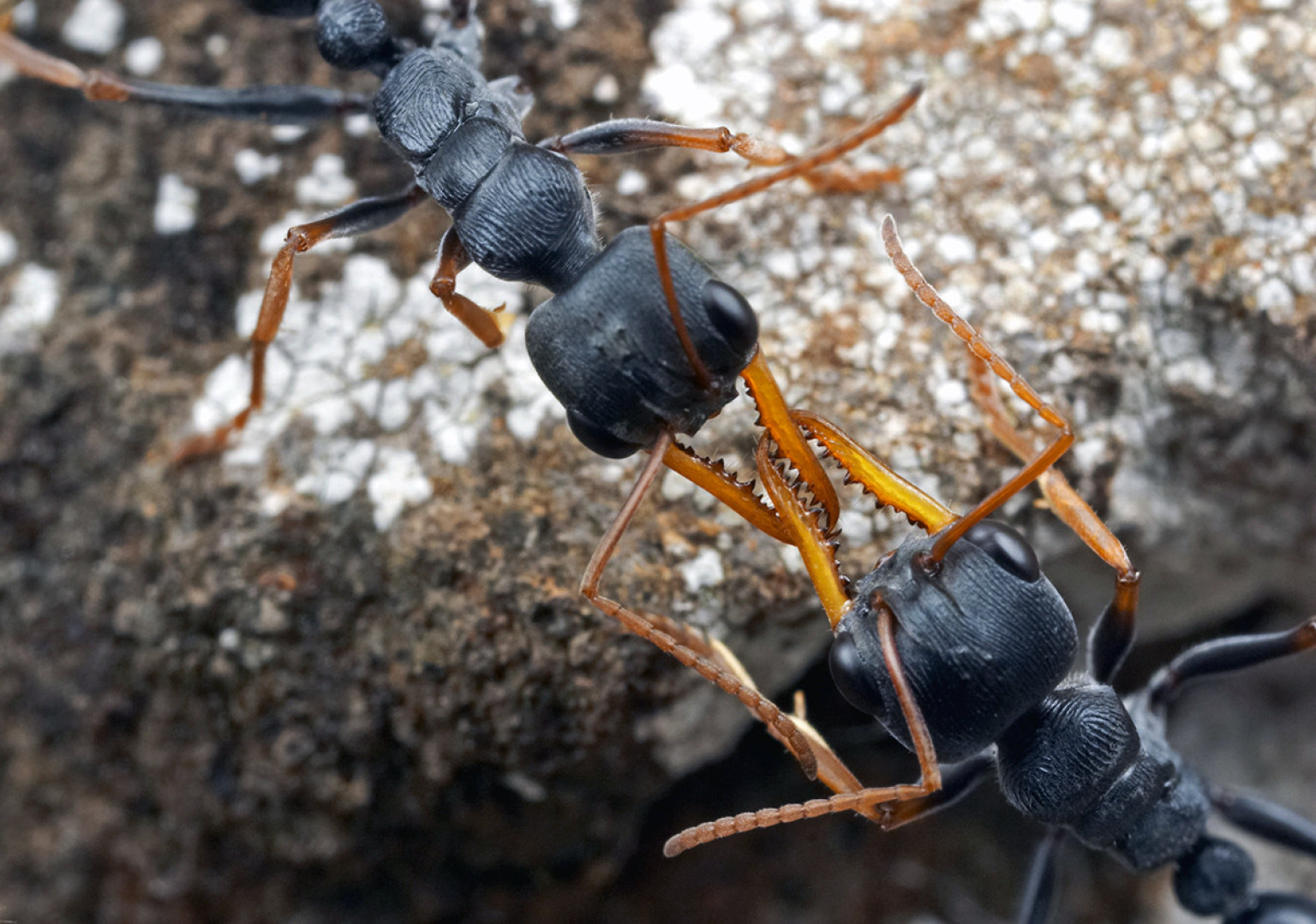
Imagine a bustling metropolis, not built of steel and glass, but carved meticulously beneath our feet. These aren't the creations of humans, but rather the complex and surprisingly sophisticated cities built by ants. A world of intricate tunnels, specialized chambers, and a society governed by instinct and cooperation.
Ever wonder how these tiny creatures manage such feats of engineering? The seemingly random scurrying hides a complex system of communication and division of labor, but how do they avoid collapse? How do they ventilate these underground labyrinths? And how do they coordinate such large-scale projects with nothing but antennae and pheromones?
Ants build complex cities underground through a remarkable combination of innate behaviors, division of labor, and environmental awareness. They utilize a system of chemical signals, or pheromones, to communicate and coordinate their efforts. Different castes of ants, such as workers, soldiers, and the queen, have specific roles in the construction and maintenance of the colony. They instinctively dig tunnels, create chambers for nurseries, food storage, and waste disposal, and even implement ventilation systems to ensure the survival of the colony. The process involves continuous digging, carrying soil, and reinforcing the tunnels to prevent collapse. The size and complexity of these underground cities can vary greatly depending on the species of ant and the environmental conditions.
Ants, those seemingly insignificant creatures, are master architects of the subterranean world. Their complex underground cities are testaments to their collective intelligence and unwavering work ethic. Through pheromone communication, a strict division of labor, and innate engineering skills, they create intricate networks of tunnels, chambers, and ventilation systems. These colonies, some of which can house millions of individuals, showcase the incredible power of social insects and their ability to transform the environment around them. Key elements include: pheromone communication, division of labor, colony size, tunnel structure, ventilation systems, and different ant species.
The Blueprint: Pheromone Communication
I remember as a child, watching an ant trail wind its way across the patio. It seemed like magic, how they all followed the same invisible path. I'd disrupt it with a stick, and the chaos that ensued was fascinating. Little did I know, I was interfering with their crucial communication system – pheromones. These chemical signals are the blueprints for their underground cities. Ants lay down pheromone trails as they explore, guiding others to food sources, and more importantly, to building materials. The strength of the pheromone trail indicates the quality of the resource, influencing how many ants are recruited to the task. The queen also emits specific pheromones that control the behavior and development of the colony, ensuring that resources are allocated appropriately. Imagine trying to build a skyscraper with everyone shouting instructions; ants achieve similar results through a far more sophisticated and nuanced chemical language. It's their collaborative software. The process allows ants to create, and coordinate their efforts in creating these amazing underground cities. Their underground cities have a variety of rooms, including rooms for the queen, rooms for the young, rooms for the eggs, storage rooms, and even trash rooms.
Excavation and Engineering: Tunnel Construction
Ants don't just randomly dig; they strategically excavate tunnels, taking into account soil composition and structural integrity. Worker ants are equipped with strong mandibles and legs, perfect for digging and carrying soil particles. They often reinforce tunnels with saliva and fecal matter, creating stronger, more stable passageways. Some species even incorporate plant roots or other natural materials into their constructions. The tunnels are not just simple corridors; they are carefully planned to connect different chambers and maximize space. Ventilation shafts are also created to circulate air throughout the colony, preventing the buildup of carbon dioxide and maintaining a suitable temperature. This excavation is all done without a foreman, it's all done through chemical coordination, instinct, and working together. It is thought that their society is a socialist society since they are all working together, with the same goal, for the greater good. The complexity of the tunnel systems depends on the size of the colony and the type of environment that they live in.
History and Myth: Ancient Ant Cities
For centuries, people have been fascinated by the intricate structures built by ants. Ancient civilizations marveled at their industriousness and often attributed them with symbolic meanings. In some cultures, ants were seen as symbols of diligence, perseverance, and social harmony. Myths and legends often depicted ants as creatures with extraordinary intelligence and organizational skills. While early observations were based on anecdotal evidence, modern science has revealed the true extent of ant architecture. Through advanced imaging techniques, researchers have been able to map out the complex networks of tunnels and chambers that make up ant colonies. These discoveries have confirmed the incredible complexity of ant societies and shed light on the evolution of their building behaviors. As long as there have been ants, people have marveled at their intelligence, and what they are capable of creating with nothing but dirt, saliva, and their own bodies.
Hidden Secrets: Colony Defense
Beyond the tunnels and chambers, ant cities harbor hidden secrets related to defense. Some species construct intricate trap systems to capture prey or deter invaders. These traps can include hidden pits, sticky surfaces, or even modified tunnel entrances that collapse on intruders. Soldier ants, with their larger mandibles and aggressive behavior, stand guard at the entrances and patrol the tunnels, ready to defend the colony from attack. Chemical defenses, such as formic acid or venom, are also used to ward off predators. The location of the colony itself is often carefully chosen to provide natural protection from the elements and predators. Underground cities are a safe haven from the environment, and the ants work tirelessly to protect it. Ants are a vital part of the ecosystem, but when they are threatened, they are willing to defend their home.
Recommendations: Observing Ant Behavior
If you're curious about ant cities, there are several ways to observe their behavior and learn more about their construction techniques. Start by observing ant trails in your backyard or local park. Look for the entrances to their colonies and watch how the ants interact with each other. You can also create a simple ant farm to observe their tunneling behavior in a controlled environment. Provide them with soil, food, and water, and watch as they begin to construct their underground city. There are also many online resources, documentaries, and books that can provide you with more information about ant architecture and social behavior. By observing ants, you can gain a deeper appreciation for their intelligence, social organization, and remarkable engineering abilities. Make sure to keep your observations respectful, as they are living creatures. These little insects are some of the greatest engineers of the world, and what is even more amazing is that they did it without any teaching.
The Role of the Queen Ant
The queen ant isn't just a reproductive machine; she plays a crucial role in the overall structure and health of the colony. Her pheromones regulate the behavior of the worker ants, directing them to specific tasks such as foraging, nest building, and caring for the young. She also influences the size and composition of the colony by controlling the number of eggs laid and the type of ants produced. The queen's health is directly related to the success of the colony, so the worker ants take great care to protect and nourish her. The queen is usually the first ant of the colony, which means that she had to do all the initial digging of the colony by herself. This is one of the most dangerous tasks as she is alone and has no way of defending herself. The worker ants support her for the rest of her life once they hatch because she protected them, and she created the place that they call home. The colony will be lost once the queen dies, and that is why she is so important. The worker ants will do everything in their power to protect her and to take care of her, so that she will live a long time.
Tips for Pest Control
While appreciating the architectural marvels of ant cities is fascinating, dealing with them in your home or garden can be frustrating. Effective pest control involves understanding ant behavior and identifying the source of the infestation. Common household ants are often attracted to sugary or greasy foods, so keeping your kitchen clean and storing food properly is essential. You can also use ant baits to attract and kill the ants, but be sure to choose a bait that is effective against the specific species of ant you're dealing with. Natural remedies, such as vinegar or diatomaceous earth, can also be used to deter ants. For more serious infestations, it's best to consult with a professional pest control service. Don't use harsh chemicals that will kill everything, and try to use organic pest control that is harmless to humans, animals, and the environment. Remember, they are only trying to survive, just like we are. Pest control is very hard, and sometimes you have to deal with the ants as they come. There is a balance in everything in life, and this is no exception. Try to keep the environment in mind when dealing with ants, and if you need to call pest control, be sure to let them know that you care about the environment.
Ants and Agriculture
Ants can have a significant impact on agriculture, both positive and negative. Some species of ants are beneficial to farmers because they prey on crop pests, aerate the soil, and distribute seeds. However, other species can damage crops by feeding on them directly or by protecting other pests, such as aphids. Ants can also create problems by building nests in irrigation systems or under agricultural equipment. Managing ant populations in agricultural settings requires a careful balance between controlling harmful species and protecting beneficial ones. Farmers often use integrated pest management strategies, which combine cultural practices, biological controls, and targeted pesticide applications. The key to successful ant management in agriculture is to understand the specific species involved and to implement strategies that minimize their negative impacts while maximizing their positive contributions. In some areas, ants are used to harvest certain crops, especially in the dry climates. Ants and agriculture go hand in hand, and a lot of the time, the ecosystem will regulate itself. If one part gets thrown off balance, then other things will start to get thrown off balance, as well. Humans need to be more aware of how their actions are influencing the ecosystem.
Fun Facts About Ant Cities
Did you know that some ant colonies can span hundreds of acres and house millions of individuals? Or that ant cities can be decades or even centuries old? These underground metropolises are not static structures; they are constantly evolving and adapting to changing environmental conditions. Ants also exhibit remarkable feats of engineering, such as building bridges out of their own bodies to cross gaps or creating rafts to survive floods. Some species even cultivate fungi for food, creating underground farms within their cities. The complexity and ingenuity of ant cities are truly awe-inspiring. Ants are one of the most successful species on the planet, and they have been around for millions of years. They are a vital part of the ecosystem, and they play a crucial role in maintaining the health of the environment. Ants are also very resilient, and they can survive in a wide range of environments, from deserts to rainforests. What is even more amazing is that there are thought to be about 20 quadrillion ants on Earth, which is about 2.5 million ants for every human. They could easily take over the planet if they wanted to, but fortunately, they are happy just being ants.
How to Build Your Own Ant Farm
Building an ant farm can be a fun and educational project for both kids and adults. You'll need a clear container, such as a glass jar or plastic aquarium, and some soil. Fill the container with soil, leaving a small space at the top for air. Moisten the soil slightly, but don't make it too wet. Then, collect some ants from your yard or purchase them from a reputable ant farm supplier. Place the ants in the container and cover it with a ventilated lid. Provide the ants with food and water regularly, and observe their tunneling behavior. You can also add decorations, such as rocks or twigs, to create a more natural environment. Remember to keep the ant farm out of direct sunlight and to clean it regularly to prevent the growth of mold or bacteria. This is also a fun project for kids, but please make sure that you help them with the digging, and the setting up of the container. If the container is glass, be sure to provide instructions and safety measures when handling the container. Ant farms are very fun for kids, as well, so they can get to see the ant society at a closer level.
What if Humans Lived Like Ants?
Imagine a world where humans lived like ants, with a strict division of labor and a collective focus on the survival of the community. There would be specialized castes of workers, soldiers, and a queen who controlled the overall direction of society. Individual desires would be secondary to the needs of the group, and cooperation would be paramount. Cities would be built underground, with intricate networks of tunnels and chambers. Technology would be focused on efficiency and sustainability, rather than personal convenience. While such a society might seem utopian in some ways, it would also come with significant drawbacks. Individuality would be suppressed, and creativity might be stifled. Personal freedom would be limited, and dissent would be discouraged. The question of whether such a society would be truly desirable is a complex one, with no easy answers. This concept is seen in a lot of sci-fi novels, and it is something to think about when considering different styles of societies and ways of living.
Listicle of Amazing Ant City Facts
Here's a list of some of the most amazing facts about ant cities:
- Some ant colonies can span hundreds of acres.
- Ant cities can be decades or even centuries old.
- Ants build bridges out of their own bodies.
- Some species cultivate fungi for food.
- Ant cities have complex ventilation systems.
- Ants reinforce tunnels with saliva and fecal matter.
- Soldier ants defend the colony from attack.
- Ants use pheromones to communicate and coordinate their efforts.
- The queen ant controls the behavior and development of the colony.
- Ants are one of the most successful species on the planet.
These facts highlight the incredible complexity and ingenuity of ant societies.
Question and Answer Section About How Ants Build Complex Cities Underground
Q: How do ants communicate with each other when building their cities?
A: Ants communicate primarily through pheromones, which are chemical signals that they release to convey information about food sources, dangers, and building instructions.
Q: What materials do ants use to build their underground cities?
A: Ants use a variety of materials, including soil, saliva, fecal matter, and plant roots, to construct and reinforce their tunnels and chambers.
Q: How do ants ventilate their underground cities?
A: Ants create ventilation shafts that allow air to circulate throughout the colony, preventing the buildup of carbon dioxide and maintaining a suitable temperature.
Q: What is the role of the queen ant in building the city?
A: The queen ant lays eggs and controls the overall direction of the colony through pheromones. She also influences the size and composition of the colony.
Conclusion of How Ants Build Complex Cities Underground
The subterranean world of ants reveals a remarkable story of collective intelligence and architectural prowess. From the intricate communication systems that guide their efforts to the specialized roles that ensure the colony's survival, ants demonstrate an extraordinary ability to transform their environment. Their cities, hidden beneath our feet, are testaments to their unwavering dedication and the power of social cooperation. Understanding these fascinating structures allows us to appreciate the incredible diversity and complexity of the natural world and the ingenuity of even the smallest of creatures.
0 Response to "How Ants Build Complex Cities Underground"
Post a Comment