Animals That Live in Extreme Heat
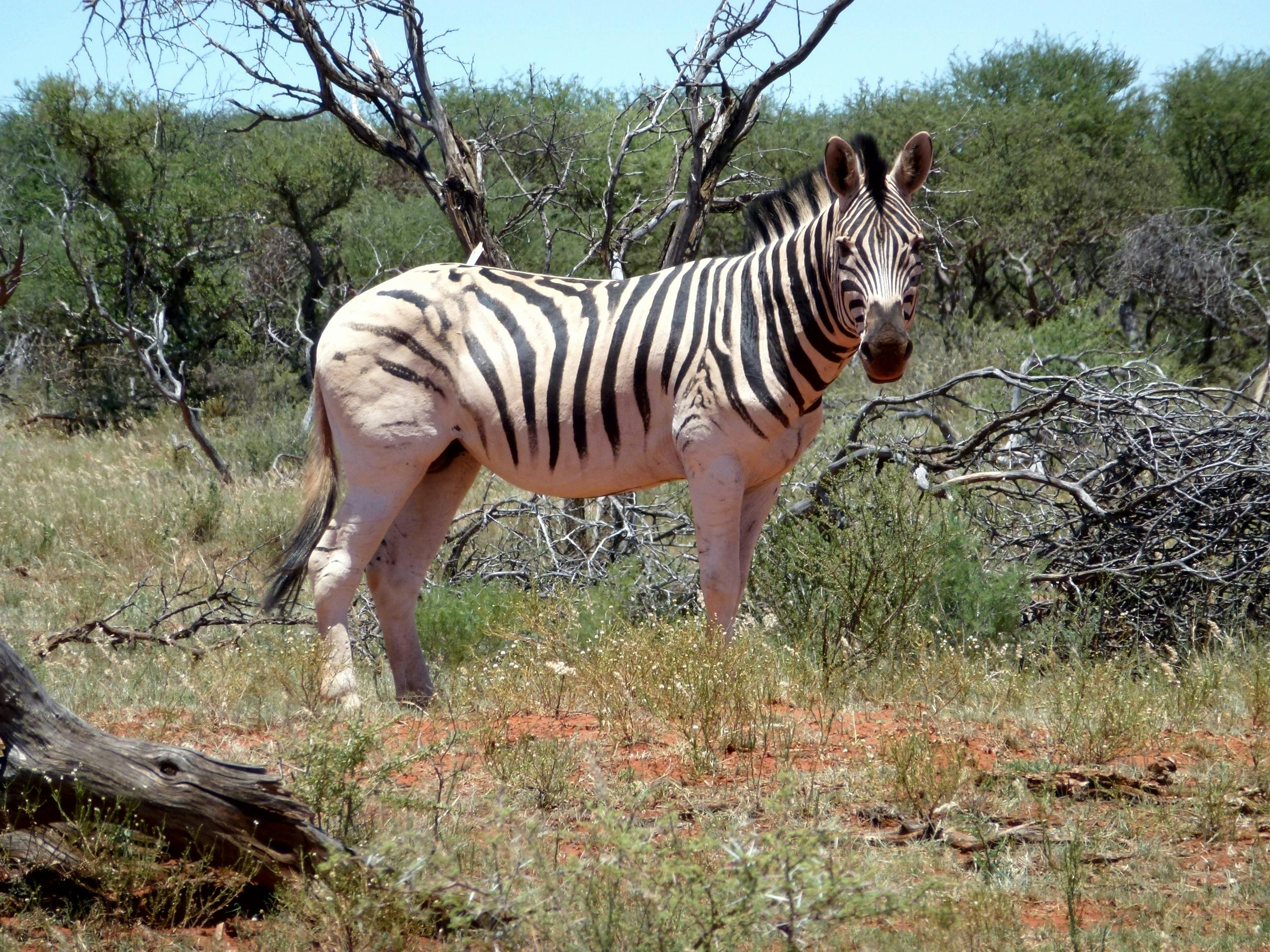
Imagine walking across scorching sands, the sun beating down relentlessly. Now imaginelivingthere. It sounds impossible, doesn't it? But believe it or not, a surprising number of creatures call some of the hottest places on Earth home. They've evolved incredible strategies to thrive where others would simply perish.
For us, intense heat brings about immediate discomfort – dehydration, sunburn, and the constant search for shade. It’s difficult to imagine how creatures can not only survive, but flourish, in environments that would quickly overwhelm us. We often take for granted the relative comfort of our climate-controlled lives, forgetting that nature is full of incredible resilience.
This post explores the amazing world of animals that have conquered extreme heat. We'll delve into their fascinating adaptations, from behavioral tricks to physiological marvels, revealing how they manage to not just survive, but thrive, in some of the planet's most inhospitable environments.
We'll be taking a look at the unique adaptations of desert dwellers, from the fennec fox with its oversized ears radiating heat, to the camel's water-conserving abilities, and the incredible adaptations of desert insects. These creatures showcase the power of evolution and the incredible biodiversity found even in the most extreme environments. We will discover how these animals survive in scorching desert climates, conserve water, regulate their body temperature, and adapt to limited food sources.
The Mighty Camel: A Desert Icon
The camel is perhaps the most iconic animal associated with extreme heat, and for good reason. Their adaptations are truly remarkable. I remember once seeing a camel caravan trekking across the Sahara in a documentary. The sheer endurance of those animals, the way they seemed unfazed by the blistering sun, was astounding. It really drove home the point that these creatures are not just surviving, they are thriving in a harsh environment.
Camels have several key adaptations. Their humps, contrary to popular belief, don't store water but rather fat, which can be metabolized to provide energy and water when needed. They can tolerate significant dehydration, losing up to 25% of their body weight in water without experiencing the debilitating effects that humans would. Their thick fur provides insulation from the sun's heat, and they have specialized kidneys that minimize water loss through urine. Camels also have slit-like nostrils they can close to keep out sand and dust, and their broad, padded feet prevent them from sinking into the sand. These adaptations make them ideally suited to life in hot, arid environments, allowing them to travel long distances with limited access to water and food.
The Fennec Fox: Big Ears, Big Advantage
The fennec fox is a small, nocturnal fox found in the Sahara Desert. Its most distinctive feature is its exceptionally large ears, which serve a crucial purpose in regulating body temperature. What is the role of these large ears in helping the fox survive the heat?
The fennec fox's large ears are packed with blood vessels. As blood flows through these vessels, heat is radiated away from the body, helping the fox to stay cool. This is especially important during the scorching desert days. Additionally, the fennec fox has thick fur that provides insulation from the sun's heat, and they are nocturnal, meaning they are most active during the cooler nighttime hours. They also have specialized kidneys that minimize water loss, and they obtain most of their water from the food they eat, such as insects, rodents, and fruits. Their sandy-colored fur provides excellent camouflage in the desert environment. The fennec fox's adaptations allow it to thrive in one of the hottest and driest environments on Earth.
Desert Insects: Masters of Microclimates
Insects, often overlooked, also exhibit incredible adaptations to survive extreme heat. Many desert insects have evolved unique strategies to cope with the harsh conditions. What evolutionary factors contributed to insects thriving in extreme conditions?
Many desert insects are nocturnal, avoiding the hottest part of the day. Some, like the desert tenebrionid beetles, have specialized exoskeletons that reflect sunlight and reduce heat absorption. Others, such as ants, create elaborate underground burrows where the temperature is significantly cooler and more humid than on the surface. Some insects can even tolerate extreme dehydration, losing a significant portion of their body water without dying. The Namib desert beetle collects water from fog by standing on its head, allowing the fog to condense on its body and then drinking the water that runs down. These diverse adaptations highlight the incredible resilience and adaptability of insects in the face of extreme environmental challenges. Their small size and ability to exploit microclimates give them an advantage in surviving the harsh conditions of the desert.
Scorpions: Nocturnal Predators of the Desert
Scorpions, with their fearsome reputation, are well-adapted to desert life. These nocturnal predators have evolved a variety of strategies to survive the extreme heat and scarcity of water. How do scorpions avoid the sun and retain moisture?
Scorpions are primarily nocturnal, hunting at night when temperatures are cooler. During the day, they seek refuge in burrows, under rocks, or in other shaded areas to avoid the intense heat of the sun. Their exoskeletons are also coated with a waxy substance that helps to reduce water loss through evaporation. Scorpions obtain most of their water from the prey they consume, and they can survive for long periods without drinking. Their venom is also an important adaptation, allowing them to subdue prey quickly and efficiently. Some scorpion species can even tolerate extreme temperatures, surviving in environments where other animals would perish. Their ability to conserve water, avoid the sun, and efficiently hunt prey makes them successful predators in the harsh desert environment.
Recommendations: Visiting Desert Habitats Responsibly
If you ever have the opportunity to visit a desert environment, it's crucial to do so responsibly. Respect the delicate ecosystem and the animals that call it home. What are some of the best ways to experience these habitats?
When visiting desert habitats, it's essential to stay on designated trails to avoid disturbing fragile vegetation and animal burrows. Pack out all trash and avoid leaving any trace of your visit. Be mindful of the noise level, as loud noises can disturb wildlife. Bring plenty of water and stay hydrated, especially during the hotter months. Avoid approaching or feeding wildlife, as this can disrupt their natural behaviors. Learn about the local flora and fauna before your visit to better appreciate the unique adaptations of desert organisms. Consider hiring a local guide who can provide valuable insights into the desert environment and its inhabitants. By following these guidelines, you can minimize your impact on the desert ecosystem and enjoy a rewarding and educational experience.
The Importance of Conservation
The animals that live in extreme heat are facing increasing threats due to habitat loss, climate change, and human activities. What can be done to help protect these incredible creatures?
Conservation efforts are crucial to protect these vulnerable species and their habitats. Protecting and restoring desert ecosystems is essential for ensuring the survival of desert animals. This can involve establishing protected areas, controlling invasive species, and promoting sustainable land management practices. Addressing climate change is also critical, as rising temperatures and changing rainfall patterns can have devastating effects on desert ecosystems. Reducing greenhouse gas emissions and transitioning to renewable energy sources are essential steps in mitigating climate change. Supporting organizations that are working to protect desert animals and their habitats is another way to make a difference. Education and outreach are also important, as raising awareness about the importance of desert ecosystems can help to inspire action and promote conservation efforts. By working together, we can help to ensure that these incredible creatures continue to thrive in their extreme environments.
Tips for Staying Cool in Hot Climates
While we may not be as well-adapted to extreme heat as the animals we've discussed, there are things we can do to stay safe and comfortable in hot climates. How can humans take measures to cope with extreme heat?
Staying hydrated is crucial in hot climates. Drink plenty of water throughout the day, even if you don't feel thirsty. Wear loose-fitting, light-colored clothing to help reflect sunlight and keep your body cool. Avoid strenuous activity during the hottest part of the day. Seek shade whenever possible and take breaks in air-conditioned environments. Use sunscreen to protect your skin from sunburn. Be aware of the symptoms of heat exhaustion and heatstroke, and seek medical attention if necessary. Electrolyte drinks can also help to replenish lost minerals through sweating. Planning your activities around the hottest times of day, such as early mornings or late evenings, can also help you avoid overheating. By taking these precautions, you can stay safe and comfortable while enjoying the outdoors in hot climates.
The Role of Shade
Seeking shade is a simple but effective way to escape the sun's intense heat. What can we learn from desert animals about shade seeking?
Desert animals often seek shade under rocks, shrubs, or in burrows to escape the intense heat of the sun. Shade can provide a significant reduction in temperature, helping to prevent overheating. Humans can also benefit from seeking shade in hot climates. Trees, buildings, and umbrellas can all provide shade and help to keep you cool. The effectiveness of shade depends on several factors, including the density of the shade, the air temperature, and the amount of air movement. Shade can also provide protection from harmful UV rays. When seeking shade, it is important to choose a location that is well-ventilated to avoid trapping heat. By learning from desert animals and seeking shade, humans can stay cool and comfortable in hot climates.
Fun Facts About Desert Animals
Did you know that some desert animals can survive for weeks or even months without drinking water? Or that the desert rain frog can only be found in a very small area of the Namib Desert and looks perpetually grumpy? These are just a couple of the fascinating facts about the creatures that call these extreme environments home. What are some other fun facts about animals that thrive in hot climates?
The desert tortoise can live for over 50 years and can survive for up to a year without drinking water, obtaining moisture from the plants they eat. The thorny devil, a lizard found in Australia, has specialized scales that allow it to collect water from dew and rain, which is then channeled to its mouth. The Gila monster, one of the few venomous lizards in the world, can store fat in its tail, allowing it to survive for long periods without food. The addax, a critically endangered antelope, has adapted to survive in extremely arid environments by obtaining moisture from the sparse vegetation and conserving water through reduced sweating. These fun facts highlight the remarkable adaptations and resilience of desert animals in the face of extreme environmental challenges.
How Animals Adapt to Limited Water Resources
Water is a precious resource in desert environments, and animals have developed a variety of strategies to conserve and obtain water. What are some of the main strategies they use?
Many desert animals obtain water from the food they eat, such as insects, rodents, and plants. Some animals, like the kangaroo rat, have kidneys that are highly efficient at extracting water from urine, producing very concentrated urine. Other animals, like the camel, can tolerate significant dehydration without experiencing the same negative effects as humans. Some animals, like the desert bighorn sheep, can travel long distances to find water sources. Many desert animals are also active at night, when temperatures are cooler and humidity is higher, reducing water loss through evaporation. Some insects collect dew or fog on their bodies and then drink the water. These diverse adaptations highlight the importance of water conservation for survival in desert environments.
What if Desert Animals Disappeared?
The disappearance of desert animals would have profound consequences for desert ecosystems. What would be the effects of losing these creatures?
The loss of desert animals would disrupt food chains, alter nutrient cycles, and decrease biodiversity. Many desert animals play important roles in controlling populations of insects and rodents, as well as dispersing seeds. The disappearance of these animals could lead to imbalances in the ecosystem, with potentially cascading effects. For example, the loss of predators could lead to an overpopulation of prey species, which could then deplete vegetation and cause habitat degradation. The loss of pollinators, such as bees and butterflies, could lead to a decline in plant reproduction. The disappearance of desert animals would also have economic consequences, as many people rely on these animals for food, tourism, and other resources. Protecting desert animals is essential for maintaining the health and stability of desert ecosystems.
Listicle: Top 5 Animals Thriving in Extreme Heat
Let's highlight five of the most remarkable creatures adapted to extreme heat:
- Camel: The quintessential desert survivor, renowned for its water conservation and endurance.
- Fennec Fox: Its oversized ears are a marvel of heat regulation.
- Desert Tenebrionid Beetle: Masters of reflecting sunlight and minimizing water loss.
- Scorpion: A nocturnal predator with a waxy exoskeleton and venomous sting.
- Kangaroo Rat: A tiny rodent with highly efficient kidneys.
These are just a few examples of the incredible animals that have adapted to thrive in the extreme heat of desert environments. Their unique adaptations and resilience make them fascinating subjects of study and symbols of the power of evolution.
Question and Answer about Animals That Live in Extreme Heat
Here are some common questions about animals in extreme heat:
Question 1: How do desert animals stay cool?
Answer: They use a variety of strategies, including seeking shade, being nocturnal, having specialized body structures like large ears or reflective exoskeletons, and physiological adaptations to conserve water and regulate body temperature.
Question 2: Where do desert animals get water?
Answer: Many desert animals get water from the food they eat, such as insects, rodents, and plants. Some can extract water very efficiently from their urine, and others can tolerate significant dehydration.
Question 3: Are desert animals endangered?
Answer: Many desert animals are facing increasing threats due to habitat loss, climate change, and human activities. Conservation efforts are crucial to protect these vulnerable species.
Question 4: Can humans learn anything from desert animals?
Answer: Yes, we can learn about water conservation, heat regulation, and resilience in extreme environments. Their adaptations can inspire innovative solutions for sustainable living in hot climates.
Conclusion of Animals That Live in Extreme Heat
The animals that thrive in extreme heat are a testament to the power of adaptation. They showcase nature's incredible ability to find solutions, even in the harshest of environments. By studying these creatures, we not only gain a deeper understanding of the natural world, but also potentially unlock new insights into survival and sustainability in a changing climate. Their resilience serves as a reminder of the importance of conservation and the need to protect these incredible species and their fragile habitats.
0 Response to "Animals That Live in Extreme Heat"
Post a Comment