The Cutest Small Dog Breeds That Stay Tiny Forever
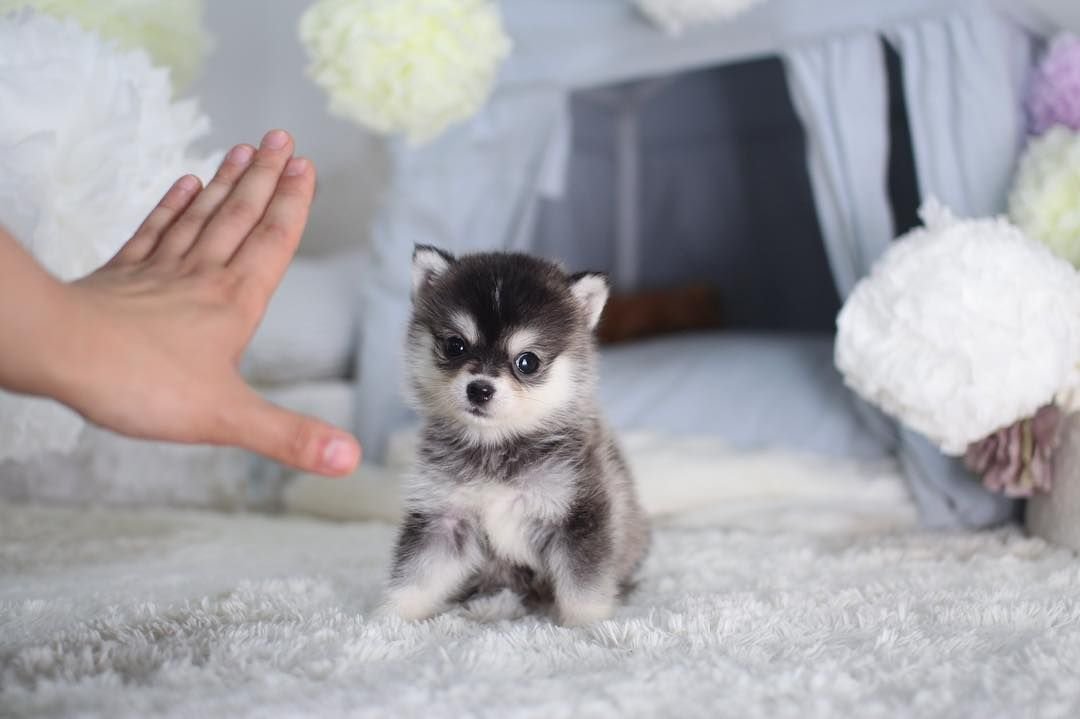
Ever dreamt of a furry friend who'll forever fit snugly in your purse or happily hop around your apartment without needing acres of space? Imagine a lifetime of puppy-like cuddles and playful antics, all wrapped up in a conveniently petite package. It's a delightful vision, isn't it?
The reality of dog ownership, however, can sometimes feel overwhelming. Finding a breed that truly suits your lifestyle, especially if you live in a smaller home or simply prefer a smaller companion, can be a challenge. You might worry about dogs outgrowing their "cute puppy" phase, becoming more demanding in terms of exercise or space than you initially anticipated. It's completely understandable to want a dog that remains compact and manageable throughout its life, offering consistent companionship without the surprises of unexpected growth spurts.
That's exactly what we're exploring today! We're diving into the world of the cutest small dog breeds that stay tiny forever. These little bundles of joy are known for their petite stature and adorable personalities, making them perfect companions for apartment dwellers, frequent travelers, or anyone who simply adores the charm of a pint-sized pup. Get ready to discover your perfect pocket-sized pal!
This article will guide you through some of the most adorable small dog breeds that remain tiny throughout their lives. We'll discuss their unique characteristics, temperaments, and care requirements, helping you determine which breed best fits your lifestyle. Whether you're drawn to the fluffy charm of a Pomeranian, the sassy attitude of a Chihuahua, or the playful nature of a Toy Poodle, we'll cover the essential information you need to know before welcoming one of these little cuties into your home. Ultimately, we aim to help you find the perfect small dog breed that will bring you years of joy and companionship.
Why Choose a Tiny Breed?
I remember the day my cousin, Sarah, brought home a Chihuahua puppy. We all thought he was the cutest thing, barely bigger than her hand. What struck me the most was how easily he adapted to her apartment life. Sarah lived in a bustling city with limited outdoor space, and the Chihuahua, named Peanut, thrived in that environment. He didn't need long walks; a few short strolls and indoor playtime were enough to keep him happy and healthy. This personal experience truly opened my eyes to the advantages of owning a tiny breed.
Beyond ease of management in smaller spaces, tiny breeds often require less food, which can translate to significant savings over their lifespan. Their smaller size also makes them easier to travel with, whether it's a weekend getaway or a cross-country adventure. Of course, it's essential to remember that small doesn't equate to low-maintenance. Tiny breeds can be prone to certain health issues, like tracheal collapse or dental problems, and they often require specialized care. However, for many people, the benefits of having a perpetually puppy-sized companion far outweigh the potential challenges. Their unwavering loyalty and affectionate nature, combined with their manageable size, make them truly special pets.
Understanding "Tiny" - What Does It Really Mean?
When we talk about "tiny" dog breeds, we're generally referring to dogs that weigh under 10 pounds and stand less than 12 inches tall at the shoulder. However, it's crucial to understand that even within these parameters, there can be variations in size and build. A Chihuahua, for instance, might be slender and petite, while a Maltese might be slightly more robust with a thicker coat. It's always best to research the specific breed you're interested in and speak with breeders or rescue organizations to get a realistic idea of their adult size.
It's also important to be aware of the term "teacup," which is sometimes used to describe exceptionally small dogs. While these dogs might seem incredibly appealing, it's often a sign of unethical breeding practices. Teacup dogs are often more prone to health problems and have shorter lifespans. A reputable breeder will prioritize the health and well-being of their dogs, rather than focusing solely on producing the smallest possible size. When considering a tiny breed, always prioritize health and temperament over size alone. A slightly larger, healthier dog will ultimately bring you more joy and companionship than a teacup dog with numerous health issues.
A Glimpse into History and Myths
The history of many tiny dog breeds is fascinating, often intertwined with royalty and nobility. The Pekingese, for example, was considered sacred in ancient China and was only allowed to be owned by members of the imperial family. Stealing a Pekingese was once punishable by death! Similarly, the Maltese has a long and storied history, dating back to ancient Greece and Rome, where they were prized companions of wealthy women.
One common myth surrounding tiny breeds is that they're inherently fragile or weak. While it's true that they require gentle handling and can be more susceptible to certain injuries, they're often surprisingly resilient and adaptable. They can participate in many of the same activities as larger dogs, such as agility training and hiking (albeit shorter distances). Another myth is that they're all yappy and difficult to train. While some tiny breeds can be more vocal than others, with proper training and socialization, they can be just as well-behaved as their larger counterparts. It's essential to approach training with patience and positive reinforcement, focusing on building a strong bond with your little companion. Don't underestimate their intelligence and willingness to learn!
Unveiling the Hidden Secrets of Tiny Breeds
One of the lesser-known secrets of tiny breeds is their surprising capacity for love and affection. Despite their small stature, they have huge personalities and form incredibly strong bonds with their owners. They often become fiercely loyal and protective, offering unwavering companionship and emotional support. This deep connection can be incredibly rewarding, especially for individuals living alone or those seeking a close, affectionate bond with their pet.
Another hidden secret is their ability to adapt to various lifestyles. Whether you're a homebody who enjoys cozy nights in or an adventurer who loves exploring the outdoors, many tiny breeds can adapt to your routine. Of course, it's essential to consider their individual needs and limitations, but they're often more versatile than people realize. With the right training and socialization, they can thrive in a variety of environments, from bustling city apartments to quiet country homes. Their adaptability, combined with their unwavering love and affection, makes them truly remarkable companions.
Recommendations for Tiny Breed Lovers
If you're considering welcoming a tiny breed into your home, it's crucial to do your research and choose a breed that aligns with your lifestyle and personality. The Chihuahua, for instance, is known for its sassy attitude and unwavering loyalty, making it a great choice for someone who appreciates a strong-willed companion. The Maltese, on the other hand, is known for its gentle and affectionate nature, making it a perfect fit for someone seeking a cuddly lapdog. The Pomeranian, with its fluffy coat and playful demeanor, is a great choice for someone who enjoys grooming and playing games.
Regardless of the breed you choose, it's essential to find a reputable breeder or rescue organization. Responsible breeders prioritize the health and well-being of their dogs, conducting genetic testing and providing proper care and socialization. Rescue organizations often have a variety of tiny breeds available for adoption, offering a second chance to dogs in need. When selecting your new companion, spend time interacting with the dog and observing its behavior. Choose a dog that seems happy, healthy, and well-adjusted. With careful planning and consideration, you can find the perfect tiny breed that will bring you years of joy and companionship.
Understanding Common Health Concerns
While tiny breeds are undeniably adorable, it's important to be aware of their potential health concerns. Due to their small size and delicate anatomy, they can be prone to certain issues, such as tracheal collapse, patellar luxation, and dental problems. Tracheal collapse, a condition where the windpipe weakens and collapses, can cause breathing difficulties. Patellar luxation, or a dislocating kneecap, can lead to lameness and pain. Dental problems, such as overcrowding and tooth decay, are common in tiny breeds due to their small jaws.
To minimize the risk of these health issues, it's essential to choose a reputable breeder who conducts genetic testing and provides proper care. Regular veterinary checkups are also crucial for early detection and treatment of any health problems. Proper dental care, including regular teeth brushing and professional cleanings, is essential for preventing dental disease. It's also important to maintain a healthy weight for your tiny dog, as obesity can exacerbate many health problems. By being proactive about their health and well-being, you can help your tiny companion live a long and happy life.
Essential Tips for Tiny Breed Care
Caring for a tiny breed requires some special considerations. Due to their small size, they can be more sensitive to temperature extremes, so it's important to protect them from both heat and cold. During hot weather, make sure they have access to plenty of fresh water and avoid leaving them in hot cars. During cold weather, provide them with warm clothing and avoid prolonged exposure to the elements.
Feeding your tiny dog a high-quality diet formulated for small breeds is also crucial. Small breed foods are typically smaller in size and contain the appropriate nutrient levels to support their unique needs. It's important to avoid overfeeding, as obesity can lead to numerous health problems. Regular exercise is also essential for maintaining a healthy weight and preventing boredom. Even short walks and indoor playtime can provide enough exercise for many tiny breeds. With proper care and attention, you can help your tiny companion thrive and enjoy a long, healthy life.
The Importance of Socialization and Training
Socialization and training are crucial for all dogs, but they're especially important for tiny breeds. Due to their small size, they can be more prone to anxiety and fearfulness. Early socialization, which involves exposing your puppy to a variety of people, places, and experiences, can help them develop into confident and well-adjusted adults. Positive reinforcement training, which involves rewarding desired behaviors with treats and praise, is an effective way to teach your tiny dog basic obedience commands.
It's important to be patient and consistent with training, as some tiny breeds can be more stubborn than others. Avoid using harsh or punitive methods, as these can damage their trust and create fear. With patience, consistency, and positive reinforcement, you can teach your tiny dog to be a well-behaved and enjoyable companion. Remember that early socialization and training are investments in your dog's future happiness and well-being.
Fun Facts About Tiny Dog Breeds
Did you know that some tiny dog breeds were originally bred for specific purposes? The Yorkshire Terrier, for example, was originally used to catch rats in textile mills. The Miniature Pinscher, known as the "King of the Toys," was bred to hunt rats and other small vermin. These breeds, despite their small size, possess a remarkable level of energy and intelligence.
Another fun fact is that many tiny breeds have incredibly long lifespans. Chihuahuas, for instance, can often live well into their teens, and some have even lived for over 20 years! With proper care and attention, you can expect your tiny companion to be a part of your life for many years to come. Their longevity, combined with their unwavering loyalty and affectionate nature, makes them truly special pets.
How to Choose the Right Tiny Breed for You
Choosing the right tiny breed for you is a personal decision that should be based on your lifestyle, personality, and preferences. Consider your living situation, activity level, and the amount of time you can dedicate to grooming and training. If you live in a small apartment and prefer a low-energy dog, a Maltese or a Cavalier King Charles Spaniel might be a good choice. If you're active and enjoy spending time outdoors, a Miniature Pinscher or a Papillon might be a better fit. If you're willing to dedicate time to grooming, a Pomeranian or a Shih Tzu might be a good option.
It's also important to consider your personality and preferences. Do you prefer a cuddly lapdog or a more independent companion? Do you enjoy training and teaching new tricks, or do you prefer a more laid-back approach? By carefully considering your needs and preferences, you can find the perfect tiny breed that will bring you years of joy and companionship.
What if a "Tiny" Breed Gets Bigger Than Expected?
While most tiny breeds stay relatively small throughout their lives, there's always a possibility that they could grow larger than expected. Genetics, diet, and overall health can all play a role in a dog's size. If your tiny breed puppy starts to grow larger than anticipated, don't panic! It's not uncommon for dogs to deviate slightly from breed standards.
The most important thing is to ensure that your dog is healthy and happy, regardless of its size. Continue to provide them with proper nutrition, exercise, and veterinary care. If you're concerned about their size, consult with your veterinarian to rule out any underlying medical conditions. Even if your tiny breed ends up being slightly larger than expected, they'll still be a loving and loyal companion. Remember that size is just one aspect of a dog's personality, and there's much more to them than their physical appearance.
A Listicle of Adorable Tiny Breeds
Here's a quick listicle of some of the cutest small dog breeds that stay tiny forever:
- Chihuahua: Known for their sassy attitude and unwavering loyalty.
- Maltese: Gentle and affectionate, perfect for cuddly lapdog lovers.
- Pomeranian: Fluffy and playful, a great choice for those who enjoy grooming.
- Yorkshire Terrier: Energetic and intelligent, originally bred for catching rats.
- Toy Poodle: Smart and hypoallergenic, a great option for allergy sufferers.
- Shih Tzu: Affectionate and playful, known for their beautiful long hair.
- Papillon: Lively and intelligent, with distinctive butterfly-shaped ears.
- Miniature Pinscher: Energetic and independent, known as the "King of the Toys."
- Cavalier King Charles Spaniel: Gentle and affectionate, known for their sweet temperament.
- Brussels Griffon: Charming and intelligent, with a distinctive beard and mustache.
Question and Answer Section
Here are some frequently asked questions about tiny dog breeds:
Q: Are tiny breeds good for families with young children?
A: While some tiny breeds can be good with children, it's important to supervise interactions and teach children how to handle them gently. Due to their small size, they can be easily injured by rough handling.
Q: Do tiny breeds require a lot of exercise?
A: While they don't need as much exercise as larger breeds, they still need regular physical activity. Short walks and indoor playtime can be sufficient for many tiny breeds.
Q: Are tiny breeds difficult to train?
A: Some tiny breeds can be more stubborn than others, but with patience, consistency, and positive reinforcement, they can be successfully trained.
Q: What are some common health problems in tiny breeds?
A: Common health problems include tracheal collapse, patellar luxation, and dental problems. Regular veterinary checkups and proper care can help minimize the risk of these issues.
Conclusion of The Cutest Small Dog Breeds That Stay Tiny Forever
Finding the perfect canine companion is a journey filled with considerations, and for those drawn to the charm of perpetually small pups, the world of tiny breeds offers a delightful array of choices. From the sassy Chihuahua to the fluffy Pomeranian, each breed possesses its unique personality and care requirements. By understanding these nuances and prioritizing responsible breeding practices, you can welcome a tiny friend who will fill your life with joy, companionship, and endless cuddles. Remember to research thoroughly, consider your lifestyle, and choose a breed that aligns with your capabilities. With careful planning, the dream of a pocket-sized pal can become a heartwarming reality!
0 Response to "The Cutest Small Dog Breeds That Stay Tiny Forever"
Post a Comment