The Role of Animals in Native American Legends
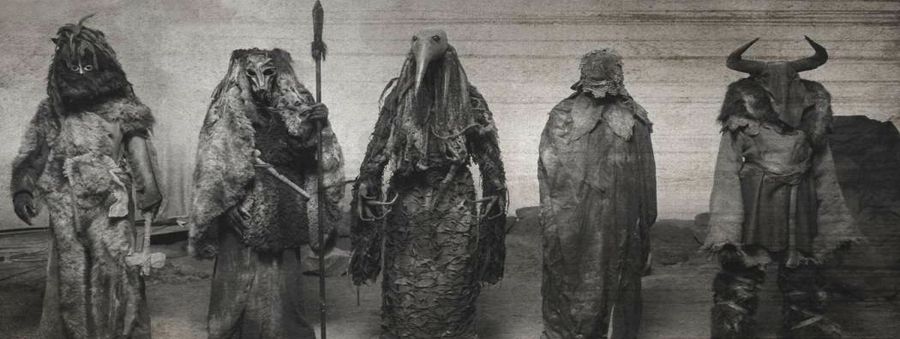
Imagine a world where the creatures of the forest, the birds in the sky, and the fish in the rivers aren't just animals, but powerful spirits, teachers, and even tricksters shaping the very fabric of existence. This is the vibrant world of Native American legends, where animals play a central and sacred role.
Sometimes, when we learn about different cultures, it can feel like we're only scratching the surface. We might miss the deeper meanings, the subtle connections that make these stories so rich and meaningful. It's easy to see animals in legends as just characters, but there's a much more profound understanding waiting to be uncovered.
This blog post aims to explore the vital role animals play in Native American legends, revealing how they serve as messengers, guides, symbols, and integral parts of creation stories and moral lessons. We'll delve into the specific characteristics attributed to different animals and how these attributes reflect the values and beliefs of various Native American cultures.
From the wise owl to the cunning coyote, animals are not mere background figures in Native American storytelling; they are active participants in the unfolding of life and the transmission of cultural knowledge. They embody virtues like strength, wisdom, and resilience, and they often serve as reminders of the interconnectedness of all living things. We'll explore how these animal archetypes permeate Native American mythology and continue to resonate today, informing perspectives on nature, community, and spirituality.
Animal Messengers and Guides
I remember visiting a Native American cultural center as a child and being captivated by the stories of the raven, a trickster figure who brought light to the world. It wasn't just a story; it felt like a key to understanding a different way of seeing the universe, where animals weren't just animals, but powerful forces of nature. This experience ignited a lifelong fascination with how different cultures interact with and interpret the animal world.
Animals often act as messengers between the human and spirit realms, guiding individuals on spiritual quests and delivering important omens. The eagle, for instance, is frequently seen as a sacred messenger carrying prayers to the Great Spirit. Its ability to soar high above the earth symbolizes its connection to the divine and its clear vision. Similarly, the wolf, often associated with loyalty and guidance, can appear as a spirit guide in dreams or visions, helping individuals navigate challenging life situations. These animal messengers highlight the belief that the natural world is constantly communicating with us, offering wisdom and support if we only take the time to listen.
Animals as Symbols of Strength and Wisdom
Many Native American cultures associate specific animals with particular virtues, using them as symbols to teach important lessons about life. The bear, for example, represents strength, courage, and healing. Bear Clan members in many tribes are often known for their healing abilities and their protective nature. The turtle, with its slow and steady pace, symbolizes perseverance, patience, and longevity. Its shell represents the earth, reminding us of our connection to the land and the importance of living in harmony with nature. By embodying these qualities, animals become powerful symbols that reinforce cultural values and guide behavior.
The History and Mythology of Animal Roles
The presence of animals in Native American legends stretches back millennia, deeply interwoven with the history and cultural evolution of various tribes. Creation stories often feature animals as active participants in the formation of the world, shaping the land, creating the elements, and even bringing humans into existence. In some narratives, animals predate humans, possessing a deep understanding of the universe that humans can only hope to learn from. The stories are not static; they evolve over time, adapting to changing circumstances and incorporating new insights while preserving the core values and beliefs that they represent. Understanding the historical context of these legends provides a richer appreciation for the enduring significance of animals in Native American cultures.
Unveiling Hidden Secrets
Beyond the surface narratives, Native American animal legends often contain hidden layers of meaning, revealing profound insights into the human condition and the complexities of the natural world. These secrets may be encoded in the symbolism of specific animals, the structure of the stories, or the relationships between characters. For example, the trickster figure, often embodied by the coyote or raven, may seem mischievous and deceitful on the surface, but beneath the chaos lies a deeper purpose. The trickster challenges societal norms, exposes hypocrisy, and ultimately teaches valuable lessons about adaptability, resilience, and the importance of questioning authority. Unraveling these hidden secrets requires a deep understanding of the cultural context and a willingness to look beyond the obvious.
Recommendations for Further Exploration
If you're interested in learning more about the role of animals in Native American legends, I recommend exploring the specific traditions of different tribes. Each tribe has its own unique stories and beliefs, and delving into these individual narratives will provide a richer and more nuanced understanding. Seek out resources from Native American authors, artists, and storytellers, as they offer valuable perspectives and insights that are often missing from mainstream interpretations. Attend cultural events, visit tribal museums, and engage in respectful dialogue with Native American communities to deepen your knowledge and appreciation for these rich and enduring traditions.
Animal Clans and Totems
Many Native American cultures organize themselves into clans, with each clan associated with a specific animal totem. These totems represent the unique characteristics and responsibilities of each clan, guiding their behavior and shaping their identity. For example, the Eagle Clan may be responsible for leadership and spiritual guidance, while the Bear Clan may focus on healing and protection. The relationship between clan members and their animal totem is deeply symbolic, fostering a sense of kinship with the natural world and reinforcing the importance of living in harmony with the environment. Understanding the significance of animal clans and totems provides a deeper understanding of the social structures and cultural values of many Native American communities.
Practical Tips for Understanding Animal Symbolism
When interpreting animal symbolism in Native American legends, it's important to consider the specific context of the story and the cultural background of the tribe. Avoid making generalizations or imposing your own interpretations onto the narratives. Instead, focus on understanding the specific attributes and associations that are traditionally linked to each animal within that particular cultural context. Research the creation stories, clan systems, and spiritual beliefs of the tribe to gain a deeper understanding of the significance of the animal symbols. Remember that these stories are not just entertainment; they are living traditions that continue to inform the values and beliefs of Native American communities.
The Interconnectedness of All Living Things
A recurring theme in Native American animal legends is the interconnectedness of all living things. Animals, plants, humans, and the natural world are all seen as part of a single, unified system, each playing a vital role in the balance of life. This perspective emphasizes the importance of respect, reciprocity, and responsibility in our relationships with the environment and with each other. By recognizing our interconnectedness, we can learn to live more sustainably and create a more harmonious world for all.
Fun Facts About Animals in Native American Legends
Did you know that the coyote is often depicted as a trickster figure who can shapeshift and outsmart even the most powerful beings? Or that the hummingbird is seen as a symbol of joy, healing, and the ability to find sweetness in life? These are just a few of the fascinating facts about the diverse roles animals play in Native American legends. Exploring these fun facts can spark curiosity and inspire a deeper appreciation for the rich and imaginative storytelling traditions of Native American cultures. They also offer valuable insights into the cultural values and beliefs that are embedded within these narratives.
How to Connect with Animal Wisdom in Your Own Life
You don't have to be a Native American storyteller to connect with the wisdom of animals. Spend time in nature, observing the behavior of different animals and reflecting on their unique qualities. Consider which animals resonate with you and what lessons they might be teaching you. Research the symbolism of these animals in different cultures and see how these meanings apply to your own life. Pay attention to your dreams and visions, as animals often appear as spirit guides offering wisdom and support. By cultivating a deeper connection with the animal world, you can gain valuable insights into yourself and your place in the universe.
What If Animals Could Really Talk?
Imagine if the animals in Native American legends could truly speak to us, sharing their wisdom, knowledge, and perspectives on the world. What would they tell us about our relationship with nature? What lessons would they impart about living in harmony with the environment and with each other? What warnings would they give us about the consequences of our actions? This thought experiment can help us to appreciate the profound insights embedded within these legends and to consider how we can better align our lives with the values of respect, reciprocity, and interconnectedness.
A Listicle of Animals and Their Symbolism
Here's a quick list of some common animals and their symbolic meanings in Native American legends:
- Eagle: Spiritual messenger, vision, courage
- Bear: Strength, healing, protection
- Wolf: Loyalty, guidance, intuition
- Coyote: Trickster, adaptability, humor
- Turtle: Perseverance, patience, longevity
- Owl: Wisdom, knowledge, foresight
- Raven: Transformation, creativity, intelligence. This list is just a starting point; the specific meanings of each animal can vary depending on the tribe and the context of the story. However, it provides a general overview of the rich symbolism that permeates Native American animal legends.
Question and Answer
Q: Why are animals so important in Native American legends?
A: Animals are seen as integral parts of the natural world and possessors of wisdom and spiritual power. They often act as messengers, guides, and symbols of important virtues.
Q: What is a common theme in these legends?
A: A common theme is the interconnectedness of all living things, emphasizing the importance of respect and balance in nature.
Q: Can the same animal have different meanings in different tribes?
A: Yes, the symbolism of animals can vary significantly between different Native American tribes and cultural contexts.
Q: Where can I learn more about specific tribal traditions?
A: Look for resources from Native American authors, artists, and cultural centers. Engage in respectful dialogue with Native American communities whenever possible.
Conclusion of The Role of Animals in Native American Legends
The animal figures that populate Native American legends offer a window into a world where nature is revered, wisdom is found in the simplest creatures, and the interconnectedness of all things is a fundamental truth. By exploring these stories, we can gain a deeper understanding of the values and beliefs that have shaped Native American cultures for centuries and perhaps even find new ways to connect with the natural world ourselves.
0 Response to "The Role of Animals in Native American Legends"
Post a Comment