The Role of Animals in Medicine: How Animal Research Saves Lives
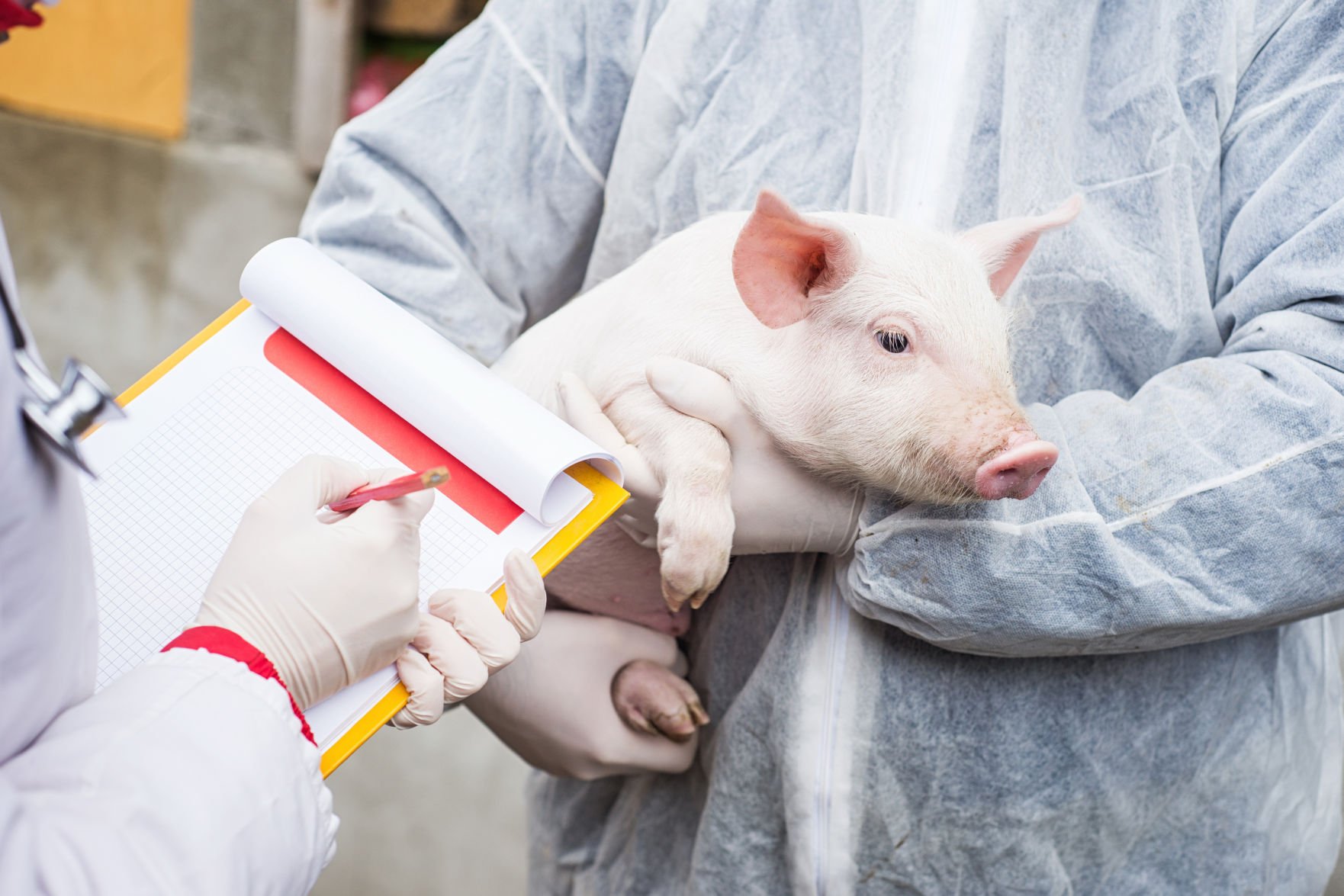
Imagine a world without insulin for diabetes, or vaccines for polio and measles. These life-saving treatments, along with countless others, wouldn't exist without a critical element in medical advancement: animal research. It's a complex and often controversial topic, but one that's undeniably intertwined with the health and well-being of humans and animals alike.
Navigating discussions about animal research can be difficult. Concerns about ethics, animal welfare, and the validity of results often arise, creating a sense of unease and uncertainty. Many struggle to reconcile the potential benefits of medical breakthroughs with the moral implications of using animals in research.
This post aims to shed light on the vital role animals play in medical research, highlighting how it contributes to the development of life-saving treatments and therapies. We'll explore the ethical considerations, regulations, and ongoing efforts to ensure animal welfare, providing a balanced perspective on this crucial aspect of modern medicine.
Animal research is a cornerstone of medical progress, playing a crucial role in developing treatments for diseases like cancer, heart disease, and Alzheimer's. It's instrumental in testing the safety and efficacy of new drugs and medical devices before they're used on humans. Strict regulations and ethical guidelines govern this research, prioritizing animal welfare and promoting the use of alternative methods whenever possible. Through careful oversight and a commitment to responsible practices, animal research continues to advance our understanding of disease and improve the lives of countless individuals.
Understanding the Ethics of Animal Research
The ethics of animal research is a topic that I've grappled with personally. I remember reading about a clinical trial for a new cancer drug. The initial testing was done on mice, and the results were incredibly promising. Without that preliminary research, the drug wouldn't have been able to move forward to human trials, where it ultimately saved lives. It made me think about the difficult balance we face when trying to alleviate human suffering while minimizing harm to animals.
Delving deeper, it's essential to recognize that animal research is not conducted lightly. Stringent ethical guidelines, often referred to as the "3Rs" – Replacement, Reduction, and Refinement – are in place to minimize animal use and suffering. Replacement refers to using non-animal methods whenever possible, such as cell cultures or computer models. Reduction focuses on minimizing the number of animals used in research by improving experimental design. Refinement aims to improve animal welfare by minimizing pain, distress, and suffering.
Furthermore, research institutions have Institutional Animal Care and Use Committees (IACUCs) that oversee all animal research proposals, ensuring they adhere to the highest ethical standards. These committees include veterinarians, scientists, and members of the public, providing a diverse perspective on the ethical considerations. Animal welfare is a continuous priority, and researchers are constantly seeking ways to refine their methods to reduce the impact on animals while still achieving meaningful results. The goal is to find a balance between advancing medical knowledge and upholding our responsibility to treat animals with respect and care. This constant striving for ethical best practices is crucial to maintaining public trust and ensuring that animal research continues to contribute to medical progress responsibly.
The Impact on Developing Treatments
Animal research serves as a crucial bridge between basic scientific discovery and the development of effective treatments for a wide range of diseases. Often, initial breakthroughs in understanding disease mechanisms happen at the molecular or cellular level. However, translating these discoveries into practical therapies requires testing in a whole organism, which is where animal models come into play.
Animal models allow researchers to study how a disease progresses in a living system, observe the effects of potential treatments, and identify any potential side effects before human trials. For example, animal models of diabetes have been instrumental in the development of insulin therapies and other treatments that help manage blood sugar levels. Similarly, animal models of cancer have been used to test the efficacy of chemotherapy drugs and radiation therapies, leading to significant improvements in cancer survival rates.
It's important to note that researchers carefully select animal models that closely mimic the human disease being studied. This ensures that the results obtained from animal research are relevant and can be translated to humans with a reasonable degree of confidence. While animal models are not perfect replicas of human diseases, they provide valuable insights that would be impossible to obtain through other means. Without animal research, the development of many life-saving treatments would be significantly delayed, or even impossible, underscoring its indispensable role in advancing medical care and improving human health.
Historical Perspective and Myth Debunking
The use of animals in medicine has a long and complex history, dating back to ancient Greece. Figures like Aristotle and Erasistratus conducted experiments on animals to understand anatomy and physiology. Over the centuries, animal research has played a pivotal role in countless medical breakthroughs, from the development of vaccines to the discovery of antibiotics.
However, along with this rich history, certain myths and misconceptions have arisen. One common myth is that animal research is unnecessary because alternative methods, such as computer models and cell cultures, can completely replace it. While these alternative methods are valuable and increasingly used, they cannot fully replicate the complexity of a living organism. Animal models are still needed to study how a treatment affects the whole body, including interactions between different organs and systems.
Another myth is that animal research is poorly regulated and that animals are subjected to unnecessary suffering. In reality, animal research is subject to strict regulations and ethical oversight. Laws like the Animal Welfare Act in the United States set standards for the care and treatment of animals used in research. These regulations are enforced by government agencies and Institutional Animal Care and Use Committees (IACUCs), ensuring that animals are treated humanely and that their welfare is a top priority. It's crucial to dispel these myths and promote a more informed understanding of the historical context and ethical considerations surrounding animal research.
The Hidden Secret: Animal Welfare is Paramount
While the focus is often on the medical advancements derived from animal research, a hidden secret is the immense effort dedicated to ensuring animal welfare. The well-being of research animals is not just a matter of ethical concern but also a scientific imperative. Stressed or unhealthy animals can produce unreliable data, undermining the validity of the research itself.
Therefore, researchers go to great lengths to provide animals with optimal living conditions, including appropriate housing, nutrition, and social interaction. Veterinary care is readily available, and pain management strategies are employed to minimize any discomfort. Furthermore, researchers are trained to recognize signs of distress in animals and to take steps to alleviate it.
The commitment to animal welfare extends beyond the physical environment. Behavioral enrichment programs are designed to stimulate animals' minds and provide them with opportunities to engage in natural behaviors. For example, primates may be given toys and puzzles to play with, while rodents may be provided with nesting materials and opportunities to burrow. These efforts are not just about making animals comfortable; they are about promoting their psychological well-being and ensuring that they are able to thrive in the research environment. Ultimately, prioritizing animal welfare is essential for both ethical and scientific reasons, contributing to the integrity and reliability of the research findings.
Recommendations for Ethical Animal Research
Promoting ethical animal research requires a multi-faceted approach, involving researchers, institutions, regulatory agencies, and the public. One key recommendation is to prioritize the "3Rs" – Replacement, Reduction, and Refinement – in all research protocols. Researchers should actively seek out and implement non-animal methods whenever possible, reduce the number of animals used in research by improving experimental design, and refine their methods to minimize pain and distress.
Another important recommendation is to enhance transparency and public communication about animal research. Sharing information about the purpose of the research, the methods used, and the measures taken to ensure animal welfare can help build public trust and address concerns. Open dialogue and engagement with the public are essential for fostering a more informed understanding of the role of animal research in medical progress.
Furthermore, continued investment in the development of alternative methods is crucial. Supporting research into cell cultures, computer models, and other non-animal approaches can help reduce our reliance on animal research in the long term. By fostering innovation and embracing new technologies, we can continue to advance medical knowledge while minimizing the impact on animals. Ethical animal research is a shared responsibility, requiring ongoing commitment from all stakeholders to uphold the highest standards of animal welfare and scientific integrity.
The Role of Regulations and Oversight
Regulations and oversight play a critical role in ensuring the ethical treatment of animals used in research. In many countries, laws like the Animal Welfare Act set minimum standards for the care and treatment of animals used in research, testing, and teaching. These regulations cover aspects such as housing, feeding, veterinary care, and pain management.
To enforce these regulations, research institutions typically have Institutional Animal Care and Use Committees (IACUCs). These committees are responsible for reviewing all animal research proposals to ensure they comply with ethical guidelines and regulations. IACUCs include veterinarians, scientists, and members of the public, providing a diverse perspective on the ethical considerations. They have the authority to approve, modify, or disapprove research proposals based on their assessment of the potential risks and benefits to the animals.
In addition to government regulations and IACUC oversight, many professional organizations and scientific societies have developed their own ethical guidelines for animal research. These guidelines often provide more specific recommendations for the care and use of particular animal species or for certain types of research. By adhering to these regulations and guidelines, researchers can ensure that they are conducting their work in a responsible and ethical manner, minimizing harm to animals while still advancing medical knowledge. The rigorous oversight system is designed to protect animal welfare and maintain public trust in the integrity of scientific research.
Tips for Understanding Animal Research Studies
When evaluating information about animal research studies, it's essential to consider several factors to ensure you're getting an accurate and balanced picture. One important tip is to look for studies that have been published in peer-reviewed journals. Peer review is a process in which experts in the field evaluate the study's methods, results, and conclusions before publication, helping to ensure the quality and validity of the research.
Another tip is to consider the source of the information. Be wary of websites or organizations that have a clear bias or agenda, as they may present information in a way that is misleading or incomplete. Look for information from reputable sources, such as government agencies, scientific societies, or universities.
It's also important to understand the limitations of animal research. Animal models are not perfect replicas of human diseases, and results obtained in animals may not always translate to humans. Researchers should clearly acknowledge the limitations of their study and discuss how the findings might apply to humans. Finally, consider the ethical implications of the research. Were the animals treated humanely? Were the "3Rs" – Replacement, Reduction, and Refinement – adequately addressed? By considering these factors, you can develop a more informed and nuanced understanding of animal research studies and their potential impact on human health.
Alternatives to Animal Research
While animal research remains essential for many areas of medical advancement, there is a growing emphasis on developing and utilizing alternatives whenever possible. These alternatives aim to reduce or replace the use of animals in research, while still providing valuable scientific insights.
One promising alternative is cell culture technology, which involves growing cells in a laboratory setting. Cell cultures can be used to study basic biological processes, test the effects of drugs, and even create artificial tissues and organs. Another alternative is computer modeling, which uses sophisticated software to simulate biological systems and predict the effects of different treatments. Computer models can be used to screen potential drug candidates, design clinical trials, and even personalize treatment plans.
In addition to cell cultures and computer models, other alternatives include in vitro studies, which use human tissues or organs outside of the body, and microdosing studies, which involve giving very small doses of a drug to human volunteers to assess its effects. While these alternatives cannot completely replace animal research in all cases, they offer valuable tools for reducing animal use and refining research methods. Continued investment in the development and validation of alternative methods is essential for advancing medical knowledge while minimizing the impact on animals.
Fun Facts About Animals in Medicine
Did you know that leeches are still used in modern medicine? These blood-sucking creatures can help improve blood flow after reconstructive surgery and are a source of anticoagulant substances. Another interesting fact is that horseshoe crabs have blue blood that is used to test the purity of injectable drugs and medical devices. Their blood contains a unique substance that reacts to even trace amounts of bacteria, making it an invaluable tool for ensuring patient safety.
Certain animals have also inspired medical innovations. For example, the study of gecko feet, which can adhere to almost any surface, has led to the development of new types of adhesives for wound closure. The unique properties of spider silk, which is incredibly strong and flexible, are being explored for use in surgical sutures and tissue engineering.
Even animal venom has potential medical applications. Snake venom, for instance, contains substances that can be used to develop new drugs for treating high blood pressure, heart disease, and cancer. These fun facts highlight the diverse and often unexpected ways that animals contribute to medicine, showcasing the importance of studying and understanding the natural world.
How to Support Ethical Animal Research
Supporting ethical animal research involves advocating for responsible practices, promoting transparency, and contributing to organizations that prioritize animal welfare. One way to show your support is to contact your elected officials and urge them to support legislation that promotes animal welfare in research. This could include measures to strengthen regulations, increase funding for alternative methods, and improve transparency in research practices.
Another way to support ethical animal research is to donate to organizations that are committed to animal welfare and responsible research. These organizations often fund research into alternative methods, provide training for researchers on ethical animal handling, and advocate for stronger regulations. You can also support institutions that are committed to transparency and open communication about their animal research practices.
Finally, stay informed about the latest developments in animal research and ethical considerations. By educating yourself and others, you can help promote a more informed and nuanced understanding of this complex issue. Engaging in respectful dialogue and advocating for responsible practices can help ensure that animal research continues to contribute to medical progress while upholding the highest standards of animal welfare.
What if We Stopped Animal Research?
Imagining a world without animal research paints a concerning picture. The development of new treatments for diseases like cancer, heart disease, and Alzheimer's would be severely hampered. Many existing treatments that rely on animal testing to ensure safety and efficacy would no longer be available. The progress in understanding and combating infectious diseases, such as HIV and influenza, would be significantly slowed.
The impact would extend beyond human health. Veterinary medicine also relies heavily on animal research to develop treatments for animal diseases. Without animal research, the health and well-being of pets, livestock, and wildlife would be at risk. The economic consequences of halting animal research would also be substantial. The pharmaceutical and biotechnology industries, which depend on animal research to develop new products, would face significant challenges, potentially leading to job losses and reduced investment in medical innovation.
While alternative methods are valuable and continue to advance, they cannot completely replace animal research in all areas. Animal models are often necessary to study complex biological processes and to test the effects of treatments on the whole body. A complete halt to animal research would have far-reaching and detrimental consequences for human and animal health, as well as for the economy and scientific progress. This underscores the importance of continuing to support responsible and ethical animal research while also investing in the development of alternative methods.
Listicle: 5 Ways Animal Research Has Improved Our Lives
Here are five ways animal research has significantly improved our lives:
- Vaccines: Animal research was essential in developing vaccines for polio, measles, mumps, rubella, and many other infectious diseases, saving millions of lives.
- Organ Transplantation: Animal studies have paved the way for successful organ transplantation, allowing people with organ failure to receive life-saving transplants.
- Diabetes Treatment: The discovery of insulin and the development of insulin therapies were made possible through animal research, allowing people with diabetes to manage their blood sugar levels and live longer, healthier lives.
- Antibiotics: Animal studies were crucial in testing and developing antibiotics, which have revolutionized the treatment of bacterial infections.
- Cancer Therapies: Animal models have been used to develop and test chemotherapy drugs, radiation therapies, and other cancer treatments, leading to significant improvements in cancer survival rates.
These are just a few examples of the many ways that animal research has contributed to medical progress and improved the lives of humans and animals alike. Animal research continues to play a vital role in developing new treatments for diseases and improving our understanding of basic biology.
Question and Answer
Q1: Is animal research ethical?
A1: The ethics of animal research are complex and often debated. However, strict regulations and ethical guidelines are in place to minimize animal suffering and ensure that research is conducted responsibly. The benefits of animal research in terms of medical advancements must be weighed against the ethical concerns.
Q2: Are there alternatives to animal research?
A2: Yes, there are several alternatives to animal research, including cell cultures, computer models, and in vitro studies. These alternatives are increasingly used to reduce or replace the use of animals in research.
Q3: What happens to animals after research is completed?
A3: The fate of animals after research is completed depends on the nature of the study and the institution's policies. Some animals may be euthanized to allow for tissue analysis, while others may be adopted out to sanctuaries or homes.
Q4: How is animal welfare protected in research settings?
A4: Animal welfare is protected through regulations, oversight by Institutional Animal Care and Use Committees (IACUCs), and the implementation of the "3Rs" – Replacement, Reduction, and Refinement. These measures aim to minimize animal suffering and ensure that animals are treated humanely.
Conclusion of The Role of Animals in Medicine: How Animal Research Saves Lives
Animal research remains a critical component of medical advancement, driving the development of life-saving treatments and therapies. While ethical concerns and animal welfare are paramount, the responsible and regulated use of animals in research continues to offer invaluable insights into disease mechanisms and potential cures. By fostering transparency, promoting the "3Rs," and investing in alternative methods, we can ensure that animal research continues to contribute to medical progress while upholding our commitment to animal welfare. The ongoing dialogue and collaboration among researchers, ethicists, and the public are essential for navigating the complexities of this issue and ensuring that animal research remains a force for good in the world.
0 Response to "The Role of Animals in Medicine: How Animal Research Saves Lives"
Post a Comment