Incredible Escapes from Predators
Imagine being a tiny field mouse, scurrying through the tall grass, when suddenly a shadow falls upon you. A hawk, with eyes like daggers, is swooping down for the kill. What do you do? How do you survive? The animal kingdom is full of these dramatic moments of life and death, and the stories of successful escapes are nothing short of astonishing.
We often take for granted the sheer desperation that fuels these survival instincts. The constant threat of becoming someone else's dinner is a harsh reality for many creatures, shaping their behavior and driving incredible evolutionary adaptations. It's a world where quick thinking and split-second decisions can mean the difference between life and death, a world that might seem brutal to us but is simply the way of things.
This article is for anyone fascinated by the natural world, especially those who marvel at the resilience and ingenuity of animals facing seemingly insurmountable odds. Whether you're a nature enthusiast, a student of biology, or simply curious about the wonders of the wild, this exploration of incredible escapes from predators will leave you in awe.
From the deceptive camouflage of insects to the lightning-fast reflexes of prey animals, we'll delve into the various strategies employed to evade predators. We'll examine the evolutionary pressures that have shaped these behaviors and consider the role of luck in these life-or-death scenarios. Prepare to be amazed by the diverse and ingenious ways animals cheat death, showcasing the power of adaptation and the will to survive. Key concepts include camouflage, mimicry, speed, agility, and social behavior as defense mechanisms. The article will highlight specific examples from diverse animal groups and ecosystems. We'll also explore the role of human impact on predator-prey relationships.
Personal Encounters with the Wild: A Near Miss
I once witnessed a remarkable escape firsthand while hiking in the mountains. A cottontail rabbit, happily munching on some clover, suddenly froze, its ears perked high. I followed its gaze and spotted a coyote slinking through the underbrush. The rabbit remained motionless for what seemed like an eternity, relying on its camouflage to blend into the surrounding foliage. The coyote, seemingly oblivious, continued its stalk, getting closer and closer. Just as the coyote was about to pounce, the rabbit exploded into action, zigzagging wildly through the trees. The coyote, caught off guard, gave chase, but the rabbit was too quick, disappearing into a dense thicket. It was a thrilling, albeit nerve-wracking, experience that highlighted the constant pressure prey animals face. This exemplifies the core concept of "escape artistry" in nature – the ability to avoid becoming prey through a combination of awareness, strategy, and sheer luck. These escapes often rely on a combination of factors. Animals might use camouflage to avoid detection in the first place. Then, upon being spotted, they might employ deceptive tactics, such as playing dead or mimicking a more dangerous animal. Ultimately, the goal is to disrupt the predator's attack and create an opportunity to flee. The cottontail, a master of evasion, is a prime example of how these strategies can be honed over generations.
Defining "Incredible Escapes"
What exactly constitutes an "incredible escape?" It's more than just a prey animal getting away. It's about the ingenuity, the sheer improbability, and the often-surprising tactics used to thwart a predator's attack. Consider the humble hagfish, a jawless fish that lives on the ocean floor. When threatened, it can secrete copious amounts of slime, quickly turning the surrounding water into a thick, suffocating goo. This slime not only clogs the gills of its attackers, forcing them to retreat, but also allows the hagfish to slip away unnoticed. Or think about the opossum, famous for "playing dead." When faced with overwhelming danger, it enters a catatonic state, emitting a foul odor and lolling its tongue out, convincing predators that it's already deceased and therefore unappetizing. These aren't just reflexes; they are carefully evolved strategies designed to exploit weaknesses in predator behavior. We're talking about escapes that defy expectations, escapes that highlight the creative power of evolution in the face of constant pressure. These escapes often become legendary within their respective ecosystems, passed down through generations of prey animals. Each success story reinforces the effectiveness of these tactics, ensuring their continued survival and refinement. It's a constant arms race between predator and prey, with each side pushing the boundaries of survival to the extreme.
History and Myth of Predator Escapes
The fascination with escapes from predators is as old as humanity itself. In folklore and mythology, tales of clever animals outsmarting dangerous beasts are common themes. Think of Br'er Rabbit, a trickster figure in African American folklore, who constantly outwits larger, more powerful adversaries through his cunning and resourcefulness. These stories often reflect our own anxieties about vulnerability and our admiration for those who can overcome adversity. Beyond folklore, scientific investigation into predator-prey interactions has a rich history, dating back to the early days of natural history observation. Charles Darwin's work on natural selection provided a framework for understanding how these survival strategies evolve over time. More recently, advancements in technology, such as camera traps and GPS tracking, have allowed scientists to study these interactions in unprecedented detail, revealing new and surprising escape tactics. Studying these interactions in-depth helps us understand the complex web of life and the delicate balance of ecosystems. These myths often exaggerate the abilities of animals, but they still highlight the importance of intelligence, adaptability, and a bit of luck in the struggle for survival. The combination of scientific rigor and human imagination helps us understand and appreciate the incredible escapes that happen every day in the natural world.
Hidden Secrets of Survival Strategies
What are the hidden secrets behind these incredible escapes? It's not always about physical strength or speed. Often, it's about exploiting a predator's weaknesses or using subtle environmental cues to your advantage. For instance, many prey animals have highly developed senses that allow them to detect predators long before they are visible. Deer, for example, have excellent hearing and a wide field of vision, allowing them to spot potential threats from a distance. Others, like the kangaroo rat, have evolved specialized escape mechanisms, such as powerful hind legs that allow them to leap great distances, evading pursuing predators. Furthermore, social behavior plays a crucial role in many escapes. Animals that live in groups can benefit from the collective vigilance of their peers, increasing the chances of detecting and avoiding predators. They might also employ coordinated defensive strategies, such as mobbing a predator to drive it away. Ultimately, the secret to a successful escape lies in a combination of innate abilities, learned behavior, and a little bit of luck. It's about understanding the environment, anticipating the predator's moves, and seizing any opportunity to escape. It’s a constant game of calculated risk, and only the most adaptable and resourceful creatures survive.
Recommendations for Learning More
If you're eager to learn more about incredible escapes from predators, there are many excellent resources available. Nature documentaries, such as those produced by the BBC and National Geographic, offer stunning visuals and insightful commentary on predator-prey interactions. Books like "Prey: Predator-Prey Relationships in Nature" by Robert Ardrey provide a deeper dive into the scientific underpinnings of these interactions. Online resources, such as the websites of wildlife conservation organizations, also offer valuable information and up-to-date research on animal behavior and ecology. Consider visiting a local zoo or wildlife sanctuary to observe these animals firsthand. This can provide a much deeper understanding and appreciation for the challenges they face in the wild. Furthermore, you can support conservation efforts aimed at protecting vulnerable species and their habitats. By contributing to these organizations, you can help ensure that these incredible escapes continue to occur for generations to come. Remember, understanding these interactions is crucial for promoting responsible stewardship of the natural world. Take the time to explore these resources and delve deeper into the fascinating world of predator-prey dynamics.
The Evolutionary Arms Race: A Never-Ending Battle
The relationship between predator and prey is often described as an evolutionary arms race. As predators evolve better hunting strategies, prey animals evolve more effective escape tactics, and vice versa. This constant back-and-forth drives the evolution of remarkable adaptations on both sides. For example, cheetahs, known for their incredible speed, have evolved long legs and a flexible spine that allows them to reach speeds of up to 75 miles per hour. However, gazelles, their primary prey, have evolved exceptional agility and stamina, allowing them to evade cheetahs through sharp turns and sustained running. This dynamic is not limited to physical traits. Predators may evolve sophisticated camouflage to ambush prey, while prey animals develop heightened senses to detect these ambushes. The arms race extends to behavioral strategies as well. Predators may learn to anticipate prey behavior, while prey animals develop unpredictable movement patterns to confuse predators. This constant cycle of adaptation and counter-adaptation is a driving force behind the incredible diversity and complexity of life on Earth. It is the very essence of survival, constantly pushing organisms to their limits and shaping the course of evolution. Understanding this arms race is key to appreciating the dynamic and ever-changing nature of the natural world.
Survival Tips from the Animal Kingdom
Believe it or not, we can glean valuable life lessons from the survival strategies of animals. While we may not face the same life-or-death scenarios, the principles of awareness, adaptability, and resourcefulness can be applied to our own lives. For example, learning to be more observant of our surroundings can help us anticipate potential dangers and avoid risky situations. Developing our ability to adapt to changing circumstances can help us overcome challenges and thrive in uncertain environments. Cultivating resourcefulness can help us find creative solutions to problems and make the most of available resources. Furthermore, the importance of community and cooperation, as seen in social animals, can be applied to our own relationships. By supporting and helping each other, we can increase our collective resilience and overcome obstacles together. The animal kingdom offers a wealth of wisdom on how to survive and thrive in a challenging world. By studying these strategies, we can gain a deeper understanding of our own potential and develop the skills needed to navigate life's complexities. We might not need to outrun a cheetah, but the lessons of the wild can still help us succeed in our own "urban jungles."
Camouflage: The Art of Invisibility
Camouflage is one of the most widespread and effective escape tactics in the animal kingdom. By blending into their surroundings, prey animals can avoid detection by predators. This can involve matching the color and pattern of their environment, as seen in chameleons and many insects. Some animals, like the arctic fox, even change their coat color with the seasons to maintain camouflage throughout the year. However, camouflage is not just about appearance. It also involves behavior. Animals may remain motionless or move in a way that mimics their surroundings, further enhancing their ability to blend in. For example, stick insects resemble twigs, and their slow, swaying movements further enhance this illusion. Some animals even use camouflage to ambush their own prey, highlighting the dual role of camouflage in both offense and defense. Ultimately, the effectiveness of camouflage depends on the ability of the animal to accurately match its environment and maintain consistent behavior. It's a delicate balance, and even the slightest imperfection can betray an animal's presence to a keen-eyed predator. Camouflage is a testament to the power of natural selection, constantly refining the art of invisibility in the face of relentless predation pressure.
Fun Facts about Predator-Prey Interactions
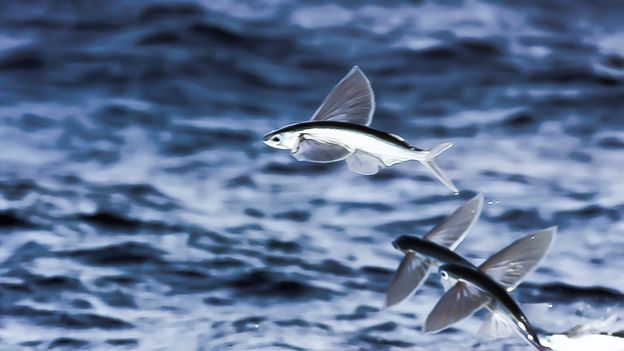
Did you know that some insects can jump over 100 times their body length to escape predators? Or that some fish can fly through the air to avoid being eaten? The world of predator-prey interactions is full of fascinating and surprising facts. For example, the bombardier beetle can spray a boiling hot chemical mixture at its attackers, deterring even the most persistent predators. The frilled lizard can erect a large frill around its neck, making itself appear much larger and more intimidating. Some snakes can play dead so convincingly that they even emit a foul odor to repel predators. The sea cucumber can eject its internal organs to distract predators, later regenerating them. These are just a few examples of the incredible diversity and ingenuity found in the animal kingdom. Each species has evolved unique and often bizarre ways to survive in a world filled with danger. Exploring these fun facts can spark a deeper appreciation for the complexity and wonder of the natural world. It's a reminder that even the smallest and seemingly most vulnerable creatures can possess extraordinary abilities to survive and thrive.
How to Support Wildlife Conservation
Protecting wildlife and their habitats is crucial for ensuring the continued survival of these incredible animals. There are many ways to get involved in wildlife conservation, from making donations to supporting conservation organizations to advocating for stronger environmental policies. Reducing your carbon footprint and consuming sustainable products can also help protect habitats and reduce the impact of climate change on wildlife. Furthermore, educating yourself and others about the importance of biodiversity and the threats facing wildlife can help raise awareness and inspire action. Consider volunteering your time at a local wildlife sanctuary or participating in citizen science projects. By working together, we can make a significant difference in the lives of these animals and ensure that future generations can continue to marvel at their incredible escapes. Remember, the fate of these creatures is intertwined with our own, and protecting them is essential for maintaining the health and well-being of our planet.
What If Predator-Prey Dynamics Changed?
Imagine a world where predator-prey relationships were drastically altered. What if prey animals suddenly became immune to predation, or predators lost their hunting instincts? The consequences could be catastrophic. Overpopulation of prey species could lead to the depletion of resources, causing widespread starvation and ecosystem collapse. The loss of predators could disrupt the balance of food webs, leading to unforeseen and potentially irreversible changes. Furthermore, the evolutionary arms race that drives the diversification of life would come to a halt, resulting in a less dynamic and less resilient ecosystem. The intricate web of interactions between predators and prey is essential for maintaining the health and stability of our planet. Disrupting this balance can have far-reaching and devastating consequences. It's a stark reminder of the interconnectedness of all living things and the importance of preserving the delicate balance of nature.
A List of Incredible Escapes from Predators
Here's a listicle showcasing some of the most remarkable escapes from predators:
- The Hagfish's Slime: A suffocating defense against predators.
- The Opossum's Death Feigning: A convincing act that fools predators.
- The Bombardier Beetle's Chemical Spray: A boiling hot deterrent.
- The Frilled Lizard's Frill: An intimidating display of size.
- The Sea Cucumber's Organ Ejection: A distracting and surprising tactic.
- The Kangaroo Rat's Leaping Ability: A high-flying escape from danger.
- The Arctic Fox's Camouflage: Seasonal blending for year-round protection.
- The Stick Insect's Mimicry: A twig-like disguise that fools the eye.
- The Springhare's Evasive Maneuvers: Like a kangaroo crossed with a rabbit, impossible to track.
- The Archerfish's Sniper Skills: It spits water at insects to knock them down before they can become prey for other animals.
Question and Answer about Incredible Escapes from Predators
Q: What is the most common escape strategy used by prey animals?
A: Camouflage is one of the most common strategies, allowing animals to blend in with their surroundings and avoid detection.
Q: How do social animals use group behavior to escape predators?
A: They can employ coordinated defensive strategies, such as mobbing a predator or using the collective vigilance of the group to detect threats.
Q: What is an evolutionary arms race, and how does it relate to predator-prey interactions?
A: It's a constant back-and-forth where predators evolve better hunting strategies, and prey animals evolve more effective escape tactics, driving the evolution of remarkable adaptations on both sides.
Q: Can humans learn anything from the survival strategies of animals?
A: Yes, the principles of awareness, adaptability, and resourcefulness can be applied to our own lives, helping us navigate challenges and thrive in uncertain environments.
Conclusion of Incredible Escapes from Predators
The animal kingdom is a theater of survival, where incredible escapes from predators are a constant drama played out every day. From the deceptive camouflage of insects to the lightning-fast reflexes of prey animals, the strategies employed to evade predators are nothing short of astonishing. By studying these interactions, we gain a deeper appreciation for the resilience, ingenuity, and interconnectedness of life on Earth. Let us continue to marvel at these wonders and work towards a future where these incredible escapes can continue to inspire awe for generations to come.
0 Response to "Incredible Escapes from Predators"
Post a Comment