Dolphins: The Comedians of the Sea
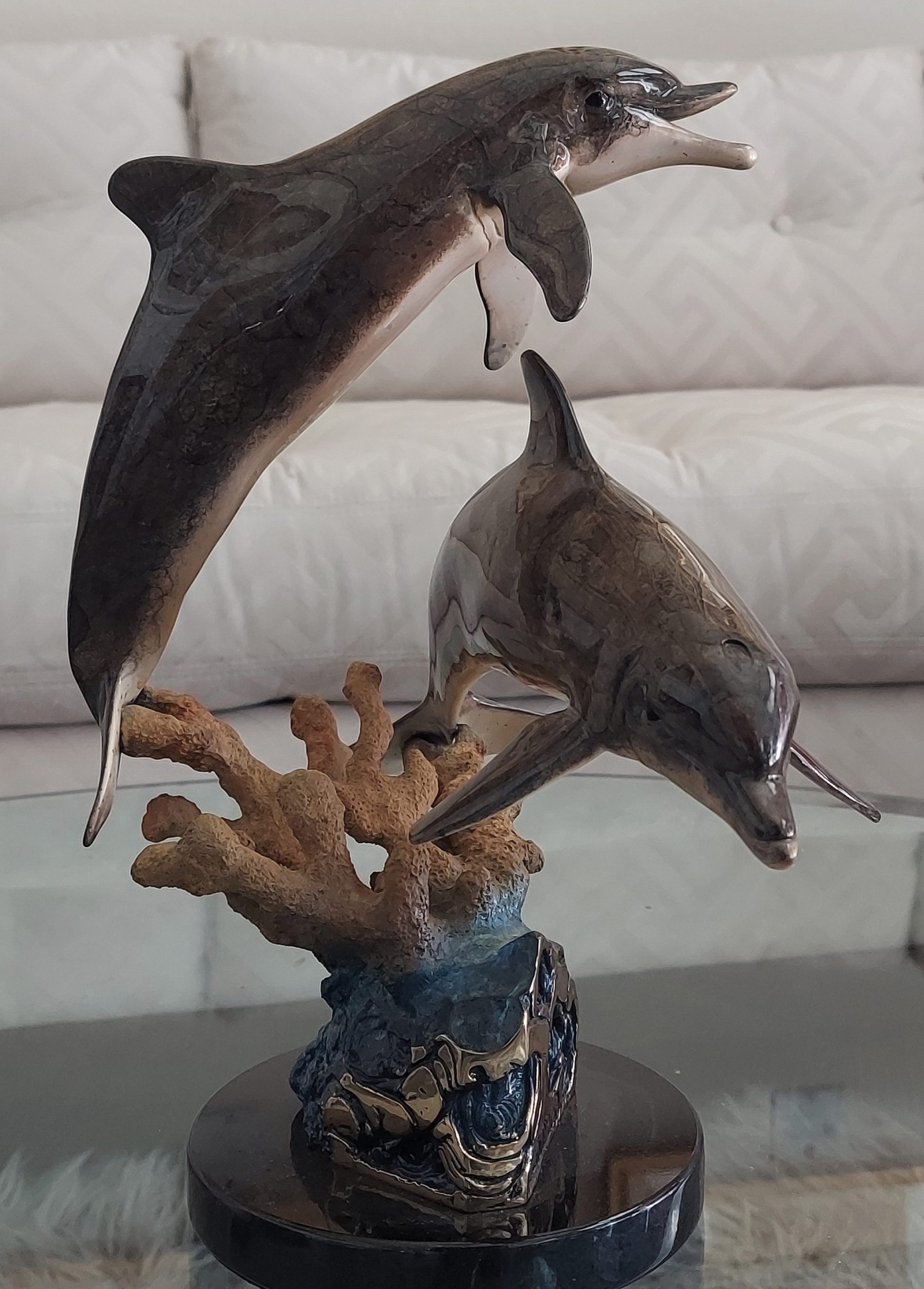
Have you ever watched a dolphin frolicking in the waves, leaping playfully, and thought, "That creature is having more fun than I am right now?" You're not alone. Dolphins possess an undeniable charm and intelligence that often leads us to see them as the comedians of the sea, bringing joy and laughter to anyone lucky enough to witness their antics.
Sometimes, we only see the surface. We might miss the crucial role dolphins play in their ecosystems or the challenges they face in a world increasingly impacted by human activity. It's easy to be captivated by their playful nature, but we should also take the time to understand them better to ensure their survival and well-being.
This article aims to dive deeper into the world of dolphins, exploring why they are often perceived as the "comedians of the sea." We'll uncover the science behind their playful behavior, their intelligence, their complex social structures, and the important role they play in ocean ecosystems. Ultimately, we'll explore what we can do to protect these remarkable creatures.
So, are dolphins truly the comedians of the sea? Perhaps. Their playful nature, coupled with their intelligence and social complexity, certainly makes a strong case. From their acrobatic displays to their intricate communication, dolphins captivate and entertain. By understanding their behavior and the challenges they face, we can all play a part in ensuring these magnificent creatures continue to bring joy and wonder to our world.
Dolphin Playfulness: More Than Just Fun and Games
I remember the first time I saw dolphins in the wild. I was on a small boat off the coast of California, and suddenly, a pod of dolphins appeared, leaping and twirling alongside us. It was mesmerizing. They seemed to be genuinely enjoying themselves, chasing each other, and even playing with the boat's wake. Their playful nature was undeniable and infectious. It really struck me that these were not just animals, but intelligent creatures with complex social lives. It was more than just fun and games. This is how dolphins sharpen their skills, strengthen social bonds, and explore their environment. Dolphin calves, in particular, learn essential survival skills through play, such as hunting techniques and predator avoidance. Their playful interactions also help to establish and maintain social hierarchies within the pod. Think of it like children playing make-believe - they learn essential skills they use later in life. And that's exactly what Dolphins are doing. The playful behavior of dolphins contributes to their cognitive development. Dolphins that engage in play have larger brains than those that do not. This is likely because play provides dolphins with the opportunity to experiment with new behaviors and learn from their mistakes.
The Intelligence Behind the Smile
Beyond their playful antics, dolphins possess remarkable intelligence. Their brains are proportionally larger than those of humans, second only to humans in relative brain size. The complex structure of their brains allows for advanced cognitive abilities, including problem-solving, communication, and self-awareness. Dolphins communicate through a complex system of clicks, whistles, and body language. They can even recognize themselves in a mirror, a sign of self-awareness that is rare in the animal kingdom. Studies have shown that dolphins can learn complex tasks, solve problems, and even understand abstract concepts. They are also capable of empathy and compassion, often helping injured or sick members of their pod. Dolphins show innovation when they are finding food. Some use tools, such as sponges, to protect their snouts while foraging on the seafloor. Their intelligence is not just about solving puzzles or learning tricks. It's about their ability to adapt to their environment, navigate complex social relationships, and thrive in a challenging marine world. It's an understanding that goes beyond mere instinct.
Dolphins in History and Mythology
Dolphins have held a special place in human culture for centuries. In ancient Greek mythology, dolphins were often associated with gods and goddesses, such as Poseidon and Aphrodite. They were seen as symbols of good luck, intelligence, and salvation. Stories abound of dolphins rescuing sailors lost at sea, guiding ships to shore, and even carrying humans on their backs. The Greeks also believed that dolphins were the souls of humans who had chosen to live in the sea. This reflects the deep connection that people felt with these creatures, recognizing their intelligence and unique abilities. In other cultures, dolphins are seen as symbols of protection, guidance, and transformation. Native American tribes of the Pacific Northwest often depict dolphins in their art and mythology, recognizing their importance as a source of food and their connection to the spirit world. Across different cultures and throughout history, dolphins have been celebrated as intelligent, compassionate, and playful creatures, earning their reputation as the "comedians of the sea." This reverence has led to efforts to protect these animals and their natural habitats.
Unveiling the Secrets of Dolphin Communication
One of the most fascinating aspects of dolphin behavior is their complex communication system. They use a variety of clicks, whistles, and body language to communicate with each other. Each dolphin has its own unique whistle, which is similar to a human name. This whistle is used to identify themselves to other members of the pod. Dolphins can also use clicks to echolocate, which allows them to "see" their surroundings by bouncing sound waves off objects. This is how they find food, navigate, and avoid predators. Dolphin communication is not just about transmitting information. It's also about building and maintaining social bonds. Dolphins engage in vocalizations that are similar to human laughter, especially during play. They also use touch and body language to express affection and reinforce relationships. Research has shown that dolphins can even understand human language to some extent. They can learn to associate words with objects and actions, and they can follow simple commands. The complexity and sophistication of dolphin communication is a testament to their intelligence and social complexity. These discoveries continue to challenge our understanding of animal communication and open up new possibilities for interspecies understanding.
Recommendations: Supporting Dolphin Conservation
Given the unique role dolphins play in our ocean ecosystems, it's crucial to support their conservation. There are many ways you can contribute to the protection of these amazing creatures and their habitats. One of the most effective ways to help is to support organizations that are dedicated to dolphin research and conservation. These organizations work to protect dolphin habitats, reduce pollution, and educate the public about the importance of dolphin conservation. You can also make a difference by reducing your own impact on the environment. Avoid using single-use plastics, which can end up in the ocean and harm marine life. Choose sustainable seafood options that are harvested in ways that minimize harm to dolphins and other marine animals. Educate yourself and others about the threats that dolphins face, such as habitat destruction, pollution, and climate change. By raising awareness, you can inspire others to take action. Visiting aquariums and marine parks that prioritize dolphin welfare and conservation can also be a great way to learn more about these amazing animals and support their protection. Remember, every action, no matter how small, can make a difference in the lives of dolphins and the health of our oceans. By working together, we can ensure that these comedians of the sea continue to thrive for generations to come.
Threats to Dolphin Populations
Despite their intelligence and adaptability, dolphins face numerous threats in today's world. Habitat destruction, pollution, and climate change are all major factors that are impacting dolphin populations around the globe. Coastal development and industrial activities are destroying dolphin habitats, reducing their access to food and breeding grounds. Pollution from agricultural runoff, industrial waste, and plastic debris is contaminating dolphin habitats, harming their health and reproductive abilities. Climate change is also having a significant impact on dolphins, altering ocean temperatures, disrupting food webs, and increasing the frequency of extreme weather events. Another major threat to dolphins is entanglement in fishing gear. Dolphins can become entangled in nets, lines, and traps, leading to injury, starvation, and death. Some fishing practices, such as the use of driftnets, are particularly harmful to dolphins. Direct hunting of dolphins is still practiced in some parts of the world, further depleting their populations. By understanding the threats that dolphins face, we can take steps to reduce our impact and support their conservation. This includes supporting sustainable fishing practices, reducing pollution, and advocating for policies that protect dolphin habitats. It's up to all of us to ensure the health and well-being of these amazing creatures.
Tips for Responsible Dolphin Watching
If you have the opportunity to see dolphins in the wild, it's important to do so responsibly. Dolphin watching can be a rewarding experience, but it's crucial to minimize your impact on these sensitive animals. Choose dolphin watching tours that are operated by reputable companies that follow ethical guidelines. These guidelines typically include maintaining a safe distance from dolphins, avoiding sudden movements or loud noises, and limiting the amount of time spent observing them. Never feed dolphins, as this can disrupt their natural foraging behavior and make them dependent on humans. Avoid swimming with dolphins unless it is part of a carefully managed program that prioritizes their welfare. Be aware of your surroundings and avoid disturbing dolphin habitats. Do not litter or pollute the water, and be mindful of noise levels. By following these tips, you can enjoy watching dolphins in the wild without causing harm or disruption. Responsible dolphin watching can also contribute to their conservation by raising awareness and supporting local communities that rely on dolphin tourism. Remember, we are privileged to share the ocean with these amazing creatures, and it's our responsibility to treat them with respect and care. Always keep a safe distance.
The Role of Ecotourism
Ecotourism can play a crucial role in dolphin conservation by providing economic incentives for protecting dolphin habitats and promoting sustainable tourism practices. When done responsibly, ecotourism can create jobs for local communities, generate revenue for conservation efforts, and educate the public about the importance of protecting dolphins. However, it's important to ensure that ecotourism activities are conducted in a way that minimizes their impact on dolphins. This includes limiting the number of tourists, maintaining a safe distance from dolphins, and avoiding activities that could disturb their natural behavior. Ecotourism can also be used to promote responsible fishing practices and reduce pollution. By supporting local businesses that are committed to sustainability, tourists can help to create a more environmentally friendly economy. Ecotourism can also be a powerful tool for raising awareness about the threats that dolphins face and inspiring people to take action to protect them. By engaging with local communities and learning about their culture and traditions, tourists can gain a deeper appreciation for the value of dolphins and their habitats. When ecotourism is done right, it can be a win-win for both dolphins and the people who depend on them.
Fun Facts About Dolphins
Dolphins are full of surprises! Here are a few fun facts that highlight their intelligence, adaptability, and unique characteristics: Dolphins can hold their breath for up to 10 minutes! This allows them to dive deep in search of food or escape predators. Dolphins have two stomachs! One is for storing food, and the other is for digestion. Dolphins sleep with one eye open! This allows them to stay alert for predators and continue breathing. Dolphins can live for up to 50 years! Some species of dolphins have even been known to live longer. Dolphins are social animals that live in groups called pods! Pods can range in size from a few individuals to hundreds of dolphins. Dolphins are known for their playful behavior, often leaping, twirling, and playing with objects. They also communicate with each other using a variety of clicks, whistles, and body language. Dolphins have a sophisticated echolocation system that allows them to "see" their surroundings by bouncing sound waves off objects. This is how they find food, navigate, and avoid predators. These are just a few of the many amazing things that make dolphins so special. Their intelligence, adaptability, and playful nature make them truly unique creatures. Next time you see a dolphin, take a moment to appreciate all that they are.
How to Get Involved in Dolphin Conservation
Want to take action to protect dolphins? There are many ways to get involved, both locally and globally. One of the easiest ways to help is to support organizations that are dedicated to dolphin research and conservation. You can donate money, volunteer your time, or simply spread the word about their work. Another way to get involved is to reduce your own impact on the environment. This includes reducing your consumption of single-use plastics, choosing sustainable seafood options, and conserving water and energy. You can also advocate for policies that protect dolphin habitats and reduce pollution. Contact your elected officials and let them know that you care about dolphin conservation. Educate yourself and others about the threats that dolphins face and the importance of protecting them. Share information on social media, write letters to the editor, or give presentations to your community. Even small actions can make a big difference. By working together, we can create a world where dolphins can thrive for generations to come. Consider a career in marine biology, wildlife conservation, or environmental policy. The skills and expertise of dedicated professionals are essential for protecting dolphins and their habitats.
What If Dolphins Disappeared?
Imagine a world without dolphins. The oceans would be a much quieter, less playful place. But the impact of their disappearance would be far more profound than just a loss of beauty and entertainment. Dolphins play a crucial role in maintaining the health and balance of marine ecosystems. They are apex predators, which means they help to control the populations of other species. Without dolphins, these populations could explode, leading to imbalances in the food web and potential damage to other marine life. Dolphins also play a role in nutrient cycling, helping to distribute nutrients throughout the ocean. Their presence can also indicate the overall health of the marine environment. A decline in dolphin populations can be a sign of pollution, habitat destruction, or other environmental problems. The loss of dolphins would also have a significant impact on ecotourism, as many people travel to see these amazing creatures in the wild. This would hurt local economies that rely on dolphin tourism. The disappearance of dolphins would be a tragedy, a sign of a failing marine environment. It is our responsibility to take action to protect them and ensure their survival.
Listicle: 5 Ways to Help Dolphins Today
Here are 5 simple things you can do today to help dolphins: Reduce your use of single-use plastics. Plastics end up in the ocean and can harm dolphins. Choose reusable bags, water bottles, and straws. Eat sustainable seafood. Choose seafood that is harvested in a way that minimizes harm to dolphins and other marine life. Support dolphin conservation organizations. Donate money, volunteer your time, or spread the word about their work. Educate yourself and others about the threats that dolphins face. Share information on social media or write letters to the editor. Reduce your carbon footprint. Climate change is a major threat to dolphins, so take steps to reduce your emissions. These are just a few of the many things you can do to help dolphins. Every action, no matter how small, can make a difference. By working together, we can create a better future for these amazing creatures. Support organizations that are dedicated to protecting dolphin habitats and reducing pollution. These organizations work to ensure that dolphins have access to safe and healthy environments.
Question and Answer
Here are some frequently asked questions about dolphins:
Q: Are dolphins endangered?
A: Some species of dolphins are endangered, while others are not. The conservation status of a dolphin species depends on a variety of factors, including population size, habitat loss, and threats from human activities.
Q: What do dolphins eat?
A: Dolphins eat a variety of fish, squid, and crustaceans. Their diet depends on the species of dolphin and the availability of prey in their environment.
Q: How do dolphins communicate?
A: Dolphins communicate through a complex system of clicks, whistles, and body language. Each dolphin has its own unique whistle, which is similar to a human name.
Q: Where do dolphins live?
A: Dolphins live in oceans all over the world. They can be found in both coastal waters and the open ocean.
Conclusion of Dolphins: The Comedians of the Sea
Dolphins, with their playful antics and undeniable intelligence, truly embody the spirit of "comedians of the sea." Their charm and grace captivate us, while their complex social lives and communication systems fascinate us. But beyond their entertainment value, dolphins play a vital role in maintaining the health and balance of our ocean ecosystems. By understanding the threats they face and taking action to protect them, we can ensure that these amazing creatures continue to bring joy and wonder to our world for generations to come. Remember, every small act of conservation contributes to a larger effort, and together, we can make a difference in the lives of these remarkable animals.
0 Response to "Dolphins: The Comedians of the Sea"
Post a Comment