Are Goats Smarter Than We Think?
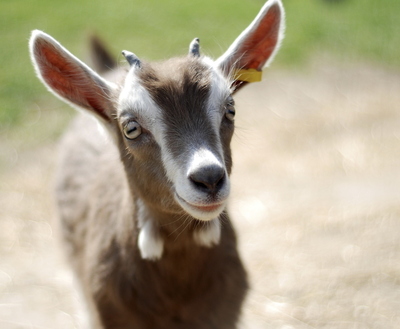
We often underestimate animals, confining them to simplistic stereotypes. But what if our barnyard friends possess cognitive abilities far beyond what we give them credit for? Prepare to have your perception challenged as we delve into the surprisingly intelligent world of goats.
Have you ever watched a goat and felt like there's more going on behind those quirky eyes than meets the eye? Perhaps you've observed their problem-solving skills or noticed their social complexities. It's easy to dismiss these as mere instinct, but a growing body of research suggests that goats are far more intelligent and capable than we previously imagined. This raises a question: are we truly understanding the cognitive capabilities of these fascinating creatures?
This blog post aims to explore the fascinating realm of goat intelligence. We'll examine scientific studies, delve into anecdotal evidence, and ultimately, reconsider our understanding of these often-misunderstood animals. We'll look at their problem-solving abilities, social interactions, and learning capabilities, providing a comprehensive overview of what makes goats surprisingly smart.
Goats possess impressive problem-solving skills, complex social structures, and the ability to learn and remember. Their cognitive abilities challenge our preconceived notions, suggesting a level of intelligence that rivals some domesticated animals. From navigating intricate environments to recognizing individual faces, goats exhibit a capacity for learning and adaptation that deserves our attention and respect. They have been shown to use tools, remember solutions to problems for months, and even exhibit different personalities.
Goats' Problem-Solving Prowess
I remember visiting a small goat farm a few years ago. The farmer had set up a simple obstacle course for the goats, complete with levers and ropes that led to food rewards. I watched, fascinated, as one particularly clever goat figured out the puzzle. It wasn't brute force; it was a deliberate, thoughtful process. It observed the mechanism, tentatively nudged a lever, and then, with a triumphant bleat, pulled the rope to release the treat. It was a moment that truly shifted my perspective on goat intelligence.
Goats aren't just blindly following their instincts; they're actively engaging with their environment and employing cognitive strategies to achieve their goals. Studies have shown that goats can learn to solve complex problems, even tasks that require them to use tools. They can remember these solutions for extended periods, demonstrating impressive long-term memory. This level of cognitive flexibility suggests that goats are capable of adapting to new challenges and learning from their experiences, which are key hallmarks of intelligence. Beyond problem-solving, goats also display remarkable spatial awareness, navigating complex terrains with ease and remembering the locations of resources. Their ability to learn and adapt makes them incredibly versatile and resilient creatures, able to thrive in diverse environments.
Goats' Social Intelligence
What does it even mean to say goats are smart? One facet of intelligence is social cognition, the ability to understand and navigate complex social relationships. Goats live in intricate social hierarchies, recognizing individual members of their herd and forming strong bonds. They can distinguish between familiar and unfamiliar goats, exhibiting preferential treatment towards their friends and family. Moreover, goats have been observed to engage in cooperative behaviors, working together to achieve common goals. This level of social complexity suggests that goats possess a sophisticated understanding of social dynamics and are capable of navigating the nuances of their community. They recognize faces, even after long periods of separation, indicating a robust capacity for social memory. Their ability to form strong bonds and engage in cooperative behaviors highlights the importance of social intelligence in their survival and well-being.
The History and Myths Surrounding Goats
Throughout history, goats have been associated with various symbols, sometimes positive and sometimes negative. In some cultures, they are revered for their fertility and resilience, while in others, they are demonized as symbols of chaos and rebellion. These contrasting perceptions often stem from the goat's independent spirit and their ability to thrive in challenging environments. Myths often portray goats as mischievous creatures, highlighting their cunning and resourcefulness. However, they have also been admired for their ability to provide milk, meat, and fiber, making them invaluable to human communities. The complex history and mythology surrounding goats reflect our ambivalent relationship with these intelligent and adaptable creatures. While their independent nature may be perceived as rebellious, their resourcefulness and resilience have made them essential partners to humans for centuries. Understanding these historical and mythological associations provides a richer context for appreciating the multifaceted nature of goat intelligence.
The Hidden Secrets of Goat Communication
Goats are far from silent creatures. They communicate through a variety of vocalizations, body language, and even scent. While researchers are still deciphering the intricacies of their communication system, there's evidence to suggest that goats use different bleats to convey specific information, such as warnings about predators or expressions of contentment. They also rely heavily on body language, using subtle cues to communicate their intentions and emotions. For example, a lowered head may indicate aggression, while a playful hop can signal excitement. Scent also plays a crucial role in goat communication, allowing them to identify individuals and establish social hierarchies. By paying attention to these subtle cues, we can gain a deeper understanding of the complex social dynamics of goat herds and appreciate the sophistication of their communication system. Further research into goat communication promises to unlock even more secrets about their intelligence and social lives.
Recommendations for Interacting with Goats
If you have the opportunity to interact with goats, remember to approach them with respect and understanding. Avoid sudden movements or loud noises, which can startle them. Offer them treats, such as carrots or apple slices, but always do so in moderation. Spend time observing their behavior and learning about their individual personalities. By treating goats with kindness and curiosity, you can foster positive interactions and gain a deeper appreciation for their intelligence and social nature. If you're considering raising goats, research their specific needs and provide them with a stimulating environment that encourages their natural behaviors. This includes providing plenty of space to roam, opportunities for social interaction, and access to enrichment items, such as climbing structures and puzzle feeders. By meeting their physical and psychological needs, you can ensure that your goats thrive and live happy, fulfilling lives.
Goat Breeds and Intelligence
Different goat breeds may exhibit varying levels of intelligence, although this is a complex topic that requires further research. Some breeds, such as the Nubian and Nigerian Dwarf, are known for their inquisitive nature and trainability. These breeds often excel in activities such as agility courses and trick training, suggesting a higher level of cognitive flexibility. However, all goat breeds possess inherent intelligence and problem-solving abilities. The key is to provide them with opportunities to learn and engage with their environment. Regardless of breed, goats benefit from mental stimulation, social interaction, and a nurturing environment. By understanding the specific needs and characteristics of different goat breeds, we can tailor our interactions and care practices to maximize their well-being and cognitive development. Ongoing research into goat behavior and cognition will undoubtedly shed more light on the nuances of breed-specific intelligence.
Tips for Recognizing Goat Intelligence
Observing goats in their natural environment is the best way to appreciate their intelligence. Look for instances of problem-solving, such as goats figuring out how to open gates or access food. Pay attention to their social interactions, noting how they communicate with each other and navigate their social hierarchy. Provide them with enrichment items, such as puzzle feeders or climbing structures, and observe how they interact with these objects. By actively engaging with goats and paying attention to their behavior, you can gain a deeper understanding of their cognitive abilities and appreciate the complexity of their minds. Remember that intelligence is not a monolithic trait, and goats may excel in different areas depending on their individual personalities and experiences. By fostering a stimulating and supportive environment, we can help goats reach their full cognitive potential and thrive as intelligent and social beings.
The Role of Environment in Goat Intelligence
The environment plays a crucial role in shaping goat intelligence. Goats that live in stimulating and challenging environments are more likely to develop their cognitive abilities. Providing goats with opportunities to explore, problem-solve, and socialize can enhance their intelligence and well-being. Conversely, goats that live in impoverished environments may experience cognitive decline. Therefore, it's essential to create environments that promote cognitive stimulation and allow goats to express their natural behaviors. This includes providing access to foraging opportunities, climbing structures, and social interaction. By understanding the role of environment in goat intelligence, we can create optimal living conditions that foster their cognitive development and enhance their overall quality of life. Research continues to highlight the importance of environmental enrichment in promoting cognitive well-being in goats and other animals.
Fun Facts About Goat Intelligence
Did you know that goats have rectangular pupils, which give them a wider field of vision? This allows them to detect predators more easily. Goats are also excellent climbers, able to navigate steep and rocky terrain with ease. They have a four-chamber stomach, which allows them to digest tough plant matter. Goats are highly social animals, forming strong bonds with their herd mates. They can also recognize human faces and remember them for extended periods. These fun facts highlight the unique adaptations and cognitive abilities of goats, underscoring their remarkable intelligence and resilience. Learning about these fascinating aspects of goat biology and behavior can deepen our appreciation for these often-underestimated animals.
How to Test Goat Intelligence
While it's challenging to conduct formal IQ tests on goats, there are several ways to assess their cognitive abilities. One method is to observe their problem-solving skills by presenting them with novel challenges, such as puzzles or obstacle courses. Another approach is to assess their social intelligence by observing their interactions with other goats and humans. Researchers also use cognitive tests to measure their memory, learning, and spatial awareness. These tests often involve rewarding goats for successfully completing tasks, such as remembering the location of hidden food or navigating a maze. By using a combination of observational and experimental methods, we can gain a more comprehensive understanding of goat intelligence and appreciate the complexity of their minds. It's important to note that testing goat intelligence should always be done ethically and with respect for their well-being.
What if Goats Are Even Smarter Than We Think?
If goats are even smarter than we currently believe, it could have profound implications for our relationship with them. We may need to reconsider our farming practices to better accommodate their cognitive needs. We may also need to reevaluate our ethical obligations towards goats, recognizing them as sentient beings with complex emotions and desires. Understanding the full extent of goat intelligence could also lead to new discoveries in the fields of animal cognition and neuroscience. By challenging our assumptions and embracing new perspectives, we can unlock the hidden potential of these fascinating creatures and forge a more compassionate and sustainable future for both humans and animals. Research into goat intelligence is ongoing, and it's likely that we'll continue to uncover new and surprising insights into their cognitive abilities in the years to come.
Listicle: 5 Signs Your Goat Is a Genius
Here are five signs that your goat might be a genius: 1. They can open any gate, no matter how complex the latch.
2. They quickly learn new tricks and commands.
3. They solve problems with creative and unexpected solutions.
4. They have a strong sense of social awareness and can navigate complex social situations.
5. They exhibit a high level of curiosity and are always exploring their environment. If your goat displays these traits, you may have a little genius on your hands! Remember to provide them with plenty of mental stimulation and opportunities to learn and grow. A smart goat is a happy goat, and their intelligence can bring joy and enrichment to your life.
Question and Answer
Q: Are goats really smarter than other farm animals?
A: While direct comparisons are tricky, studies suggest goats possess comparable or even superior cognitive abilities to some other domesticated animals, particularly in problem-solving and social cognition.
Q: How can I enrich my goat's life to stimulate their intelligence?
A: Provide them with puzzles, climbing structures, social interaction, and opportunities to explore new environments.
Q: Is there any ongoing research on goat intelligence?
A: Yes, researchers are actively investigating various aspects of goat cognition, including their memory, learning abilities, and social behavior.
Q: Do goats have emotions?
A: Yes, evidence suggests goats experience a range of emotions, including joy, fear, and sadness. They form strong social bonds and exhibit signs of empathy.
Conclusion of Are Goats Smarter Than We Think?
The evidence is compelling: goats are intelligent, social, and capable creatures deserving of our respect and understanding. By challenging our preconceived notions and embracing new perspectives, we can unlock the hidden potential of these fascinating animals and create a more compassionate world for all.
0 Response to "Are Goats Smarter Than We Think?"
Post a Comment