The Importance of Animal-Assisted Therapy
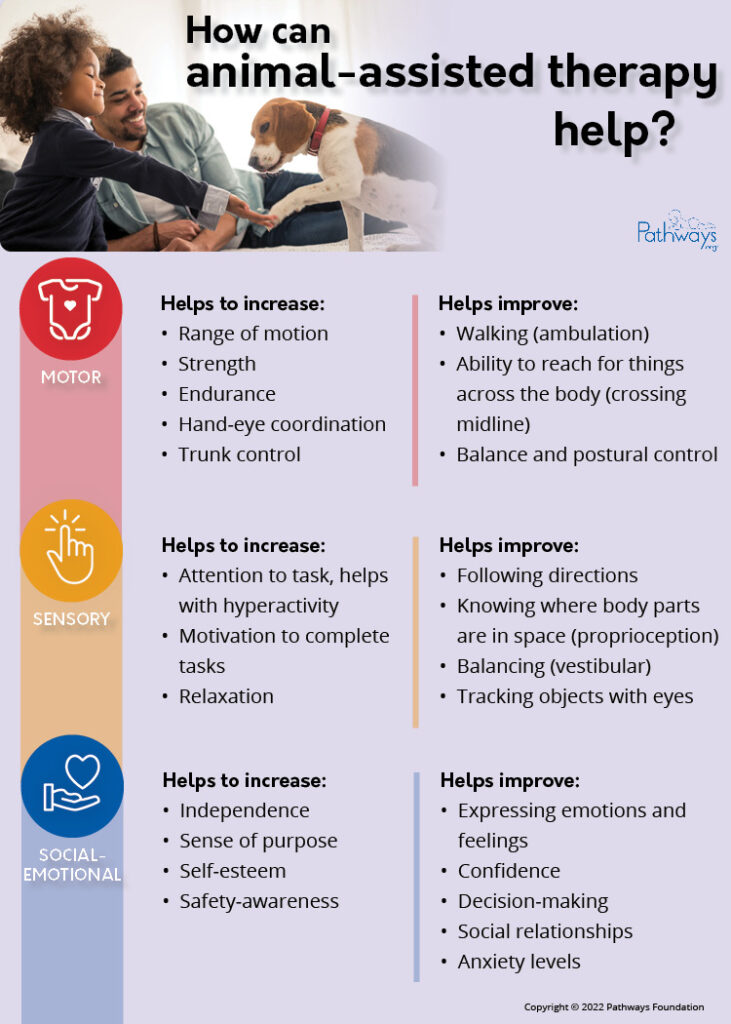
Imagine a world where a gentle nuzzle, a soft purr, or a wagging tail could unlock a path to healing and well-being. It might sound like a fairytale, but the reality is that animal-assisted therapy is doing just that for countless individuals, offering comfort and support in ways that traditional therapies sometimes can't.
Many people struggle with feelings of isolation, anxiety, or even physical discomfort that can be difficult to address through conventional methods alone. Sometimes, what's missing is a non-judgmental, loving presence that can break down barriers and foster a sense of connection and trust.
This article aims to shed light on the profound impact of animal-assisted therapy, exploring its benefits, applications, and the incredible bond between humans and animals that makes it all possible. We'll delve into the science behind it, share personal stories, and answer common questions, giving you a comprehensive understanding of this heartwarming and effective approach to wellness.
Animal-assisted therapy offers a unique approach to healing, leveraging the power of the human-animal bond to improve mental, physical, and emotional well-being. From reducing anxiety and loneliness to improving motor skills and communication, the benefits are far-reaching. We'll explore how this therapy works, who can benefit, and why it's becoming increasingly recognized as a valuable tool in healthcare and beyond. Key elements include: mental health, physical and emotional support, reduces stress, improves communication, promotes physical movement, and social interaction.
The Healing Power of Companionship
I'll never forget visiting a nursing home with my golden retriever, Buddy. We walked from room to room, and in each one, Buddy seemed to sense who needed him most. One elderly woman, who hadn't spoken much in weeks, began to softly stroke Buddy's fur and murmur about her own dog from years ago. It was a truly moving experience, witnessing how Buddy unlocked a memory and a connection that had seemed lost. Animal-assisted therapy harnesses this power of companionship, offering a non-judgmental and unconditional source of affection. The presence of an animal can lower blood pressure, reduce anxiety, and release endorphins, promoting a sense of calm and well-being. It's not just about petting an animal; it's about the emotional connection that's formed, the sense of being understood and accepted, which can be incredibly therapeutic for individuals struggling with mental health issues, loneliness, or isolation. This therapy provides a positive distraction from pain and discomfort, offering a welcome respite and a renewed sense of hope. The soft fur, the gentle eyes, the unwavering loyalty – these simple things can make a world of difference.
What is Animal-Assisted Therapy?
Animal-assisted therapy (AAT) is a goal-directed intervention designed to improve physical, social, emotional, and cognitive functioning in individuals. It involves the use of specially trained animals, usually dogs, cats, horses, or other domesticated species, working in conjunction with healthcare professionals or trained handlers. Unlike simply owning a pet, AAT sessions are structured and tailored to meet specific needs, such as improving motor skills, increasing verbal communication, or reducing anxiety. The animal acts as a bridge, facilitating communication and building rapport between the therapist and the patient. For instance, a child with autism might find it easier to interact with a dog than with a therapist initially, allowing them to gradually open up and develop social skills. AAT is utilized in a wide range of settings, including hospitals, nursing homes, schools, and rehabilitation centers. It is a versatile and adaptable therapy that can be customized to suit the unique needs of each individual, providing a safe and supportive environment for healing and growth. The key is the therapeutic relationship fostered between the individual and the animal, guided by a trained professional.
The History and Myths of Animal-Assisted Therapy
The idea of animals assisting in healing isn't new. While the formal term "animal-assisted therapy" is relatively recent, the practice of using animals for therapeutic purposes dates back centuries. In the 9th century, in Gheel, Belgium, animals were integrated into the care of individuals with disabilities. Florence Nightingale, in the mid-1800s, observed that small pets helped reduce anxiety in patients in psychiatric institutions. However, it wasn't until the mid-20th century that AAT began to gain serious recognition as a legitimate therapeutic modality. A common myth is that any pet can be a therapy animal. While all pets offer companionship, true therapy animals undergo rigorous training and evaluation to ensure they possess the right temperament, obedience, and socialization skills. They must be calm, gentle, and able to handle a variety of situations and people. Another myth is that AAT is only for children or people with disabilities. In reality, it benefits people of all ages and backgrounds, addressing a wide range of issues from PTSD to chronic pain. Understanding the history and dispelling these myths is crucial for appreciating the true value and potential of animal-assisted therapy.
Unveiling the Hidden Secrets
One of the lesser-known aspects of animal-assisted therapy is its ability to tap into our primal instincts and needs. Humans have evolved alongside animals for millennia, and this shared history has created a deep-seated connection that transcends language and culture. Animals offer unconditional love and acceptance, something that can be particularly powerful for individuals who have experienced trauma or rejection. They don't judge, criticize, or hold grudges; they simply offer their presence and affection. This can create a safe and secure environment where individuals can begin to heal and rebuild trust. Furthermore, interacting with animals stimulates the release of oxytocin, often referred to as the "love hormone," which promotes feelings of bonding and well-being. This neurochemical response can help to counteract the effects of stress and anxiety, creating a sense of calm and relaxation. The hidden secret of AAT lies in its ability to address our fundamental human needs for connection, acceptance, and unconditional love, fostering a profound sense of healing and wholeness. It's a reminder that we are not alone and that even in the darkest of times, there is always hope and companionship to be found.
Recommendations for Animal-Assisted Therapy
If you're considering animal-assisted therapy, it's important to do your research and find a qualified professional who can guide you through the process. Start by talking to your doctor or therapist, who can assess your needs and recommend a suitable program. Look for therapists or handlers who are certified by reputable organizations such as Pet Partners or Therapy Dogs International. Ensure that the animals used in the therapy sessions are well-trained, vaccinated, and regularly screened for health and temperament. It's also crucial to have realistic expectations. AAT is not a magic bullet, and it may not be the right solution for everyone. However, with the right approach and support, it can be a valuable tool for improving your well-being. Be open to the experience and allow yourself to connect with the animal on an emotional level. Remember that the relationship you build with the animal is a key component of the therapy process. Observe how you feel before, during, and after each session, and communicate any concerns or feedback to your therapist. With patience, commitment, and a willingness to embrace the power of the human-animal bond, AAT can be a transformative experience.
The Science Behind the Snuggles
While the warmth and comfort provided by animal-assisted therapy are undeniable, there's also a growing body of scientific evidence to support its effectiveness. Studies have shown that interacting with animals can lower blood pressure, reduce heart rate, and decrease levels of cortisol, the stress hormone. At the same time, it can increase levels of endorphins, dopamine, and oxytocin, neurotransmitters associated with pleasure, motivation, and bonding. These physiological changes contribute to a sense of calm, relaxation, and well-being. Furthermore, AAT can improve cognitive function by stimulating memory and attention, particularly in individuals with dementia or Alzheimer's disease. The presence of an animal can also encourage physical activity, such as walking or playing, which can improve motor skills and overall fitness. In children with autism, AAT has been shown to enhance social interaction and communication skills. The non-judgmental nature of animals can help these children feel more comfortable and confident in expressing themselves. The science behind the snuggles reveals a complex interplay of physiological and psychological benefits, highlighting the profound impact of the human-animal bond on our health and well-being. It reinforces the idea that AAT is not just a feel-good therapy, but a legitimate and effective treatment modality.
Tips for Getting the Most Out of Animal-Assisted Therapy
To maximize the benefits of animal-assisted therapy, consider these helpful tips. First, be present and mindful during your sessions. Put away distractions like your phone and focus on connecting with the animal and the therapist. Engage actively in the activities planned for each session, whether it's petting, grooming, playing, or simply talking to the animal. Communicate openly with your therapist about your goals, concerns, and progress. They can help you tailor the therapy to meet your specific needs. Practice relaxation techniques such as deep breathing or meditation to further enhance the calming effects of the animal's presence. Celebrate small victories and acknowledge the progress you're making, no matter how incremental it may seem. Remember that healing is a journey, not a destination. Be patient with yourself and the process. Don't be afraid to ask questions or express any discomfort or concerns. A good therapist will be attentive and responsive to your needs. Finally, consider incorporating aspects of AAT into your daily life, such as spending time with your own pets or volunteering at an animal shelter. This can help you maintain the benefits of therapy and foster a deeper connection with the animal world. The key is to embrace the experience with an open heart and a willingness to explore the healing power of the human-animal bond.
The Role of Different Animals
While dogs are the most commonly used animals in AAT, other species can also play a significant role. Cats, with their calming purrs and gentle demeanor, can be particularly beneficial for individuals with anxiety or depression. Horses, through equine-assisted therapy, can help improve self-esteem, confidence, and emotional regulation. Smaller animals like rabbits, guinea pigs, and birds can provide companionship and sensory stimulation for individuals in nursing homes or hospitals. The choice of animal depends on the individual's needs, preferences, and the goals of the therapy. Each species offers unique qualities and benefits. Dogs are known for their loyalty, obedience, and ability to bond with humans. Cats are more independent but can provide a sense of calm and comfort. Horses offer a powerful and transformative experience, promoting physical and emotional growth. The key is to match the animal with the individual's needs and create a safe and supportive environment where a therapeutic relationship can flourish. Regardless of the species, the presence of an animal can create a sense of connection, reduce stress, and promote healing.
Fun Facts About Animal-Assisted Therapy
Did you know that dogs can detect cancer with their sense of smell? Or that petting a cat can lower your blood pressure? Animal-assisted therapy is full of fascinating and surprising facts. For example, studies have shown that children who read aloud to dogs experience improved reading skills and increased confidence. Horses have been used in therapy for veterans with PTSD, helping them to reconnect with their emotions and build trust. Even dolphins have been used in therapy, particularly for children with developmental disabilities. The power of animals to heal and inspire is truly remarkable. Another fun fact is that some therapy animals even have their own business cards! These cards often include a photo of the animal, their name, and contact information for their handler. This helps to promote AAT and make it more accessible to those who might benefit from it. The world of animal-assisted therapy is constantly evolving, with new research and applications emerging all the time. It's a testament to the enduring bond between humans and animals and the incredible potential for healing and growth that lies within that connection.
How to Get Involved in Animal-Assisted Therapy
If you're passionate about animals and helping others, there are several ways to get involved in animal-assisted therapy. One option is to train your own pet to become a therapy animal. This typically involves enrolling in a training program offered by a reputable organization such as Pet Partners or Therapy Dogs International. These programs teach you how to train your animal to be calm, obedient, and well-socialized in a variety of settings. Another option is to volunteer at a local animal shelter or rescue organization. This allows you to spend time with animals in need and provide them with comfort and socialization. You can also volunteer at hospitals, nursing homes, or schools that offer AAT programs. This gives you the opportunity to assist with therapy sessions and witness firsthand the positive impact that animals can have on people's lives. If you're a healthcare professional, you can integrate AAT into your practice by partnering with a trained therapy animal handler. This allows you to offer a more holistic and comprehensive approach to treatment. The possibilities are endless. The key is to find a way to use your love of animals to make a difference in the lives of others. Whether you're training your own pet, volunteering at a shelter, or integrating AAT into your practice, you can play a valuable role in promoting healing and well-being through the power of the human-animal bond.
What if Animal-Assisted Therapy Wasn't Available?
Imagine a world without the comfort of a furry friend during a hospital stay, or the gentle presence of a horse helping a child with emotional challenges. If animal-assisted therapy wasn't available, many individuals would miss out on a unique and powerful form of support. Healthcare professionals would lose a valuable tool for connecting with patients and facilitating healing. Individuals struggling with mental health issues, loneliness, or physical disabilities would have fewer options for improving their well-being. The absence of AAT would create a void in the healthcare landscape, depriving many people of the benefits of the human-animal bond. It's a reminder of the importance of advocating for and supporting AAT programs to ensure that they remain accessible to those who need them. Without AAT, some people might struggle to find the motivation to engage in traditional therapies. The simple act of petting an animal can break down barriers and create a sense of trust, making it easier for individuals to open up and address their challenges. The absence of this connection could have a significant impact on their progress and overall well-being. The availability of AAT offers hope, comfort, and a renewed sense of purpose for countless individuals. Its absence would be a loss for our communities and a setback for the advancement of holistic healthcare.
Listicle of the Benefits of Animal-Assisted Therapy
Here's a quick list of the amazing benefits of Animal-Assisted Therapy:
- Reduces Stress and Anxiety: Petting an animal releases endorphins, promoting relaxation and reducing stress hormones.
- Lowers Blood Pressure: Studies show that interacting with animals can lower blood pressure and heart rate.
- Improves Mood: The presence of an animal can boost your mood and combat feelings of depression and loneliness.
- Enhances Social Interaction: Animals can act as social catalysts, making it easier for people to connect and communicate.
- Increases Physical Activity: Walking or playing with an animal can improve motor skills and overall fitness.
- Provides Comfort and Companionship: Animals offer unconditional love and support, providing a sense of comfort and security.
- Stimulates Memory and Attention: Interacting with animals can improve cognitive function, particularly in individuals with dementia.
- Builds Confidence and Self-Esteem: Taking care of an animal can boost confidence and promote a sense of responsibility.
- Promotes Emotional Healing: Animals can help individuals process trauma and overcome emotional challenges.
- Offers a Non-Judgmental Presence: Animals accept us for who we are, providing a safe and supportive environment for healing.
This list highlights the diverse and far-reaching benefits of AAT, underscoring its value as a therapeutic modality.
Question and Answer About The Importance of Animal-Assisted Therapy
Q: What types of conditions can animal-assisted therapy help with?
A: Animal-assisted therapy can be beneficial for a wide range of conditions, including anxiety, depression, PTSD, autism, dementia, chronic pain, and developmental disabilities.
Q: Is animal-assisted therapy safe?
A: When conducted by trained professionals with certified therapy animals, AAT is generally safe. Therapy animals undergo rigorous training and evaluation to ensure they are calm, gentle, and well-socialized.
Q: How do I find a qualified animal-assisted therapy provider?
A: Look for therapists or handlers who are certified by reputable organizations such as Pet Partners or Therapy Dogs International. Talk to your doctor or therapist for recommendations.
Q: What if I'm allergic to animals?
A: Some AAT programs use hypoallergenic animals, such as certain breeds of dogs or cats. You can also explore other options like equine-assisted therapy, which may not trigger your allergies.
Conclusion of The Importance of Animal-Assisted Therapy
Animal-assisted therapy is more than just a feel-good experience; it's a powerful and effective approach to healing that taps into the unique bond between humans and animals. From reducing stress and anxiety to improving motor skills and communication, the benefits are far-reaching and well-documented. By understanding the science behind it, dispelling common myths, and advocating for its wider adoption, we can ensure that more people have access to this valuable resource. The wagging tails, the gentle purrs, and the unwavering loyalty of our animal companions offer a pathway to wellness that is both heartwarming and transformative. Let's continue to explore the possibilities and embrace the healing power of the human-animal bond.
0 Response to "The Importance of Animal-Assisted Therapy"
Post a Comment