Animals in Ancient Mythology
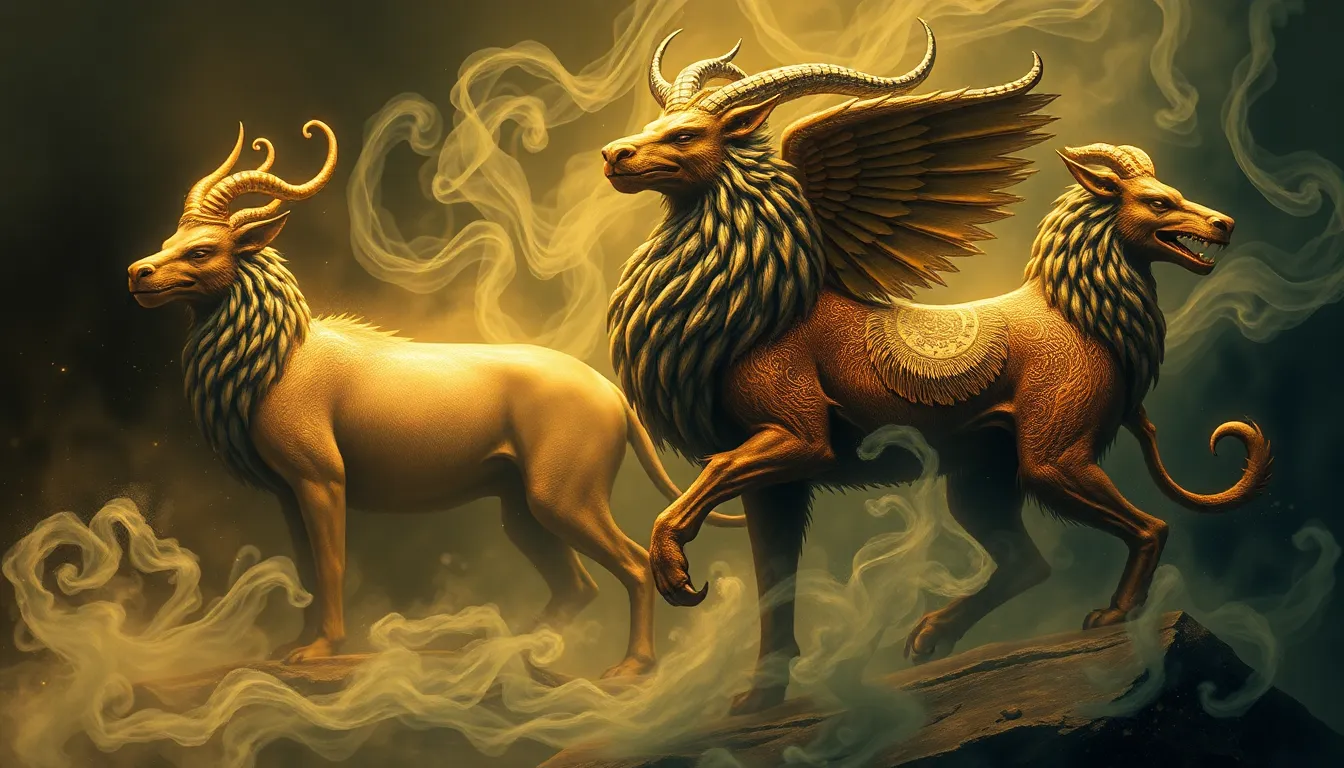
Imagine a world where lions pull the chariot of a goddess, snakes whisper secrets of the earth, and eagles soar as messengers of the gods. This isn't a fantasy novel; it's a glimpse into the vibrant tapestry of ancient mythology, where animals weren't just creatures, but powerful symbols and active participants in the cosmic drama.
Have you ever wondered why certain animals recur across different cultures' myths? Or felt a nagging curiosity about the underlying reasons behind an animal's association with a particular deity or trait? Deciphering these symbolic connections can sometimes feel like navigating a labyrinth, leaving us grasping for a deeper understanding of these ancient narratives.
This exploration of animals in ancient mythology aims to illuminate the fascinating roles these creatures played in shaping the beliefs, rituals, and artistic expressions of civilizations past. We'll delve into the symbolic meanings attributed to various animals, examining their connections to gods, goddesses, and the natural world.
From the sacred scarab beetle of Egyptian mythology to the powerful dragons of Chinese lore, animals were integral to understanding the world around them. We will see how they acted as guides, protectors, omens, and embodiments of human virtues and vices. Key themes we'll explore include animal symbolism, the relationship between humans and animals in ancient cultures, and the enduring legacy of these mythical creatures in art, literature, and popular culture.
The Serpent's Wisdom: A Universal Symbol
I remember being utterly captivated by the image of the serpent in various mythologies as a child. It wasn’t just the slithering form that held my attention, but the stories surrounding it – tales of temptation, healing, and hidden knowledge. One particular story that sticks with me is the Greek myth of Asclepius, the god of medicine, often depicted with a serpent-entwined staff. This image, the Caduceus, is still a prominent symbol of medicine today, highlighting the serpent’s association with healing and rejuvenation. It made me wonder how one creature could embody such contrasting aspects like danger and medicine.
The serpent is a potent and complex symbol found in diverse cultures. In some traditions, like the Egyptian myth of Apep, it represents chaos and the forces that threaten the sun god Ra. Conversely, in Hinduism, the serpent Ananta supports Vishnu as he sleeps between creation and destruction. This duality underscores the serpent's connection to both the earthly and the divine, the destructive and the regenerative. Its association with the earth and its ability to shed its skin further solidify its role as a symbol of transformation, rebirth, and hidden wisdom. Because of this, the serpent has been used in many cultures' symbolisms, sometimes as a symbol of strength, other times as symbol of trickery and lies. We must observe the nuances of the culture the serpent is displayed within.
Birds as Messengers: Bridging Heaven and Earth
Birds, with their ability to soar effortlessly through the sky, have often been perceived as messengers between the earthly realm and the divine. Think of the ancient Greeks, where the eagle was a sacred emblem of Zeus, king of the gods, embodying power, majesty, and divine authority. The association wasn't arbitrary; the eagle's ability to fly high above the world, observing all below, mirrored Zeus's omniscient perspective.
Beyond the eagle, other birds also carried symbolic weight. The dove, often associated with Aphrodite, the goddess of love and beauty, became a symbol of peace, purity, and affection. In Norse mythology, Odin, the Allfather, had two ravens, Huginn (thought) and Muninn (memory), who flew across the world each day, gathering information and reporting back to him. These avian messengers highlighted the importance of knowledge and wisdom. The power of flight grants the association with deities or higher powers, since they are not bound by the same terrestrial laws that we are. The symbolism of this is often used in a variety of depictions of higher powers in the different cultures.
The Lion's Roar: Kingship and Authority
From the guardian lions of ancient Chinese palaces to the lion-headed goddess Sekhmet in Egyptian mythology, the lion has consistently been linked to kingship, authority, and strength. This association stems from the lion's physical prowess, its regal appearance, and its role as the apex predator in its natural habitat. The lion became a natural symbol of power.
In many cultures, the lion was seen as the protector of royalty and sacred spaces. The Sphinx in Egypt, with its lion body and human head, guarded the pyramids and temples, representing the pharaoh's power and wisdom. In Mesopotamian art, lions were frequently depicted as guardians of the throne, symbolizing the king's ability to protect his people. This representation is what turned the lion to be a symbol of kingship and royalty and protection. These animals are also associated with courage and honor, giving it another important symbolism.
Hidden Secrets in Mythical Beasts: Unveiling the Unicorn
Beneath the shimmering coat and spiraling horn of the unicorn lies a wealth of symbolic meaning, often veiled in mystery and associated with purity, grace, and healing. Unicorns, far from being mere fairytale creatures, have deep roots in ancient mythology and folklore.
While the exact origins of the unicorn myth are debated, it is believed that accounts of rhinoceroses and other horned animals may have contributed to the legend. In European mythology, the unicorn was often depicted as a wild, untamed creature that could only be captured by a virgin, highlighting its association with purity and innocence. Its horn was believed to possess magical properties, capable of neutralizing poisons and healing the sick. This association solidified the unicorn's role as a symbol of hope, healing, and the triumph of good over evil. The mystique and symbolism surrounding the unicorn continue to captivate the imagination, making it a timeless and enchanting figure in mythology and popular culture. The popularity of the unicorn has been kept alive in modern media, especially in books and movies.
Animal Recommendations for Inspiration: Owls
If you're seeking wisdom, insight, or the ability to see beyond the surface, consider drawing inspiration from the owl. Revered for its nocturnal habits and keen eyesight, the owl has long been associated with knowledge, intuition, and the ability to perceive hidden truths.
In ancient Greece, the owl was sacred to Athena, the goddess of wisdom and strategic warfare. The owl's ability to see in the dark symbolized Athena's clarity of thought and her ability to see through deception. Similarly, in many Native American cultures, the owl is seen as a protector and a guide, offering wisdom and guidance to those who seek it. By embracing the owl's symbolic qualities, you can cultivate your own inner wisdom and develop a deeper understanding of the world around you. The symbolism of the owl being wise is a prominent feature of the owl in modern media. A recommendation would be the book "Owl Moon" by Jane Yolen.
Animal Allies: Exploring Totem Animals
Delving deeper into the realm of animal symbolism leads us to the concept of totem animals. A totem animal is a spirit animal that is believed to guide, protect, and inspire an individual or a group. These animals are often chosen based on their perceived characteristics and the lessons they can teach.
In many indigenous cultures, individuals are believed to have a personal totem animal that reflects their personality traits, strengths, and weaknesses. By connecting with their totem animal, individuals can gain a deeper understanding of themselves and their place in the world. For example, someone with the wolf as their totem animal might be seen as loyal, intelligent, and independent, while someone with the bear as their totem animal might be seen as strong, protective, and resourceful. This representation allows individuals to grow and connect with the animals of their culture. This representation is a great source of personal growth and understanding.
Tips for Connecting with Animal Symbolism
Connecting with animal symbolism doesn't require elaborate rituals or deep knowledge of ancient mythology. It can be as simple as paying attention to the animals you encounter in your daily life and reflecting on their characteristics and behaviors. Start by observing the animals around you – the birds in your backyard, the stray cats in your neighborhood, or even the insects you see on your daily commute.
Consider what these animals represent to you and how their qualities might relate to your own life. Do you admire the eagle's soaring ambition, the fox's cleverness, or the bee's industriousness? Researching the symbolic meanings of these animals in different cultures can further enrich your understanding and provide valuable insights. You can also use animal symbolism as a tool for self-reflection, journaling, or even artistic expression. By embracing the power of animal symbolism, you can unlock new perspectives and gain a deeper appreciation for the interconnectedness of all living things. There are a number of websites that can help you research the representation of each animal, be mindful of the sources you obtain your research.
Animal Deities: A Closer Look at Anubis
One of the most iconic examples of an animal deity is Anubis, the ancient Egyptian god of embalming and the afterlife. Depicted with the head of a jackal and the body of a human, Anubis played a crucial role in the mummification process and the weighing of the heart ceremony, which determined whether a soul was worthy of entering the afterlife.
The jackal was chosen as Anubis's animal form due to its association with cemeteries and its scavenging habits. The Egyptians believed that jackals guarded the dead and protected them from harm, making them a fitting symbol for the god of the afterlife. Anubis's responsibilities extended beyond embalming and judgment; he was also seen as a protector of the deceased, guiding them through the underworld and ensuring their safe passage to the afterlife. His image is prominent in many forms of media and will continue to influence future media as well.
Fun Facts about Animals in Mythology
Did you know that the phoenix, a mythical bird that cyclically regenerates or is otherwise born again, is a symbol of renewal and immortality in many cultures? The phoenix's ability to rise from the ashes has made it a powerful symbol of hope, resilience, and the cyclical nature of life and death.
Another fun fact is that dragons, often depicted as fire-breathing reptiles, represent different things in different cultures. In Western mythology, dragons are often seen as fearsome creatures that must be slain by heroes, while in Eastern mythology, dragons are often revered as benevolent beings associated with good luck, prosperity, and wisdom. These differences add further meaning to the cultures that represent them. This highlights the diverse interpretations and symbolic meanings that can be attributed to the same animal across different cultures. The dragons show us how each culture has its own representation and understanding of each animal.
How to Incorporate Animal Symbolism into Your Life
One simple way to incorporate animal symbolism into your life is to create a personal altar or display that features images or representations of your favorite animals. This can be a physical space where you can connect with the energy and symbolism of these animals and draw inspiration from their qualities.
You can also use animal symbolism as a tool for meditation or visualization. Imagine yourself embodying the qualities of your chosen animal, such as the lion's courage, the owl's wisdom, or the dolphin's playfulness. By immersing yourself in these qualities, you can cultivate them within yourself and enhance your overall well-being. Animal symbolism can enrich your life with meaning and inspiration. By embracing their power, you can unlock new perspectives and gain a deeper appreciation for the interconnectedness of all living things.
What If Animals Lost Their Symbolic Meaning?
Imagine a world where the eagle no longer symbolizes freedom, the serpent no longer represents wisdom, and the lion no longer embodies courage. What would be lost if animals were stripped of their symbolic meaning? Without these rich associations, our understanding of mythology, art, and culture would be significantly diminished.
Animal symbolism provides a powerful shorthand for conveying complex ideas and emotions. It allows us to connect with ancient traditions, express universal truths, and explore the depths of the human psyche. Without it, we would lose a valuable tool for communication, self-expression, and spiritual growth. The animals are the keys to understanding the past and the present, and will continue to influence the future. This is a reason why many cultures continue to display animals in their symbols.
A Listicle of Animals and Their Symbolic Meanings
Here's a quick guide to some common animals and their associated symbolic meanings:
- Lion: Courage, strength, royalty, leadership
- Serpent: Wisdom, transformation, healing, temptation
- Eagle: Freedom, vision, power, spirituality
- Owl: Wisdom, knowledge, intuition, mystery
- Wolf: Loyalty, intelligence, independence, family
- Bear: Strength, protection, courage, introspection
- Fox: Cleverness, cunning, adaptability, resourcefulness
- Dolphin: Playfulness, joy, intelligence, communication
This is just a small sample of the vast array of animal symbols found in mythology and culture. By exploring these symbols, you can gain a deeper understanding of yourself and the world around you. Every culture has their own spin on the animal symbolism. There is no right or wrong answer to the representation of the symbolisms.
Question and Answer
Here are some commonly asked questions and their answers:
Q: Why are animals so important in mythology?
A: Animals often embody qualities and characteristics that humans admire or fear. They serve as powerful symbols for complex ideas and emotions, making them integral to storytelling and cultural expression.
Q: Is animal symbolism the same across all cultures?
A: No, animal symbolism can vary significantly across different cultures. What is considered a positive symbol in one culture may be viewed negatively in another.
Q: How can I learn more about animal symbolism?
A: Research different cultures and their mythologies, explore art and literature that features animals, and pay attention to the animals you encounter in your daily life.
Q: Can I choose my own totem animal?
A: While some cultures believe that totem animals are chosen for you, others believe that you can choose an animal that resonates with your personality and values.
Conclusion of Animals in Ancient Mythology
From the soaring heights of the eagle to the mysterious depths of the serpent's lair, animals have played a vital role in shaping the stories, beliefs, and artistic expressions of ancient cultures. By understanding the symbolic meanings attributed to these creatures, we can gain a deeper appreciation for the rich tapestry of human history and our enduring connection to the natural world. As these legends continue to impact modern society, it is important to be mindful of the historical significance of each symbol.
0 Response to "Animals in Ancient Mythology"
Post a Comment