A Day in the Life of a Safari Guide
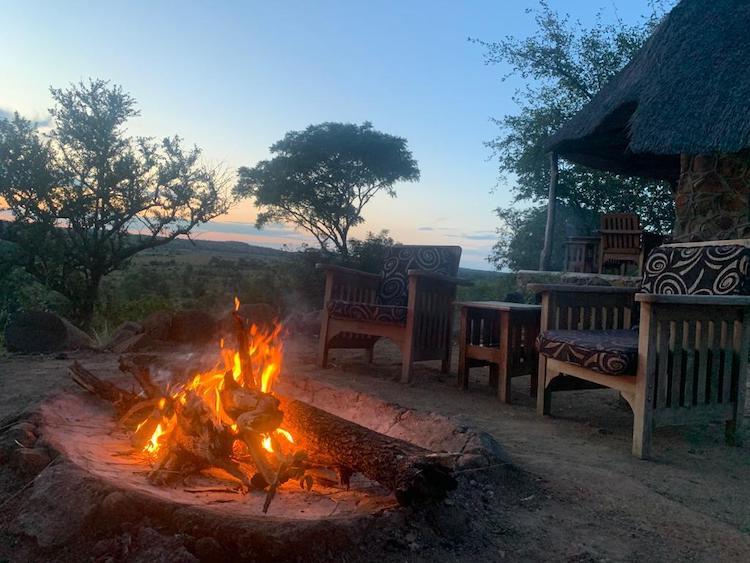
Imagine waking up before dawn, the African air crisp and cool against your skin. The distant roar of a lion breaks the silence, a primal call that signals the start of another day. This isn't just any day; it's a day in the life of a safari guide, a unique existence filled with wonder, challenges, and a deep connection to the natural world.
Being a safari guide isn't always the glamorous adventure many imagine. It's early mornings, long hours bouncing along rough roads, and the constant pressure of responsibility for the safety and enjoyment of your guests. It requires a deep knowledge of the bush, an ability to read animal behavior, and the patience to answer the same questions over and over with enthusiasm. There are times when the animals are elusive, the weather is unforgiving, and you're faced with unexpected challenges that test your skills and resolve.
So, what exactlydoesa day in the life of a safari guide look like? This article will take you behind the scenes, offering a glimpse into the multifaceted role of these individuals who are not only experts in their field but also ambassadors of the African wilderness. We'll explore the skills they need, the challenges they face, and the incredible rewards that come with sharing their passion for the wild with others.
From pre-dawn preparations to thrilling wildlife encounters, this exploration into the life of a safari guide will reveal the dedication, knowledge, and passion required for the job. We'll delve into the daily tasks, the required expertise in animal behavior and conservation, the importance of guest interaction, and the blend of adventure and responsibility that defines this unique profession. Key aspects include wildlife spotting, navigating the terrain, ensuring guest safety, and interpreting the natural world for others. The life of a safari guide is not just a job; it's a calling that combines adventure, education, and a profound love for the African bush.
The Early Wake-Up Call
The alarm blares at 4:30 AM. It's still dark, and the air is bitingly cold. For most, this would be a cruel hour to wake up. But for me, it's exhilarating. The bush is at its most alive in the pre-dawn hours. My personal experience started when I was a boy, I helped my parents on safaris. We usually wake up early to get our guests ready and excited about the day ahead of them. This is a day of adventures, and hopefully great pictures for them to take home.
We usually start by checking the safari vehicle. Are the tires in good shape? Is the fuel tank full? Do we have enough water and snacks for everyone? We want to be prepared for anything that might come our way.
The purpose of such an early start in the safari guide's day is multifaceted. First, many animals are most active during the cooler hours of dawn, increasing the chances of spotting predators on the hunt or witnessing other fascinating behaviors. Second, the light is often beautiful at this time, offering incredible opportunities for photography. And third, beating the heat of the day allows for longer and more comfortable game drives. It sets the tone for the entire experience, maximizing the chance of unforgettable wildlife encounters and building anticipation for the day ahead. The goal is to immerse guests in the awakening wilderness and provide them with memories that will last a lifetime.
Tracking Wildlife and Interpreting the Bush
The core of a safari guide's role is finding and interpreting wildlife. This is far more than just driving around and pointing out animals. It requires a deep understanding of animal behavior, ecology, and the intricate relationships within the ecosystem. What is it that makes a safari guide so good at his job? The key is to learn and love the animals! Learn everything about them.
The early morning dew often reveals fresh tracks, telling a story of the night's movements. A scuff mark in the sand, a broken twig, a faint scent in the air – these are all clues that the guide uses to piece together the puzzle of where animals have been and where they might be going. I still remember the story of my grandfather, who could tell what kind of animal it was, just by the smell of the ground.
Once animals are spotted, the guide's role shifts to interpreter. They explain the animal's behavior, its place in the food chain, and its conservation status. They answer questions, share anecdotes, and create a deeper connection between the guests and the wildlife they are observing. This is where the guide's passion truly shines, transforming a simple sighting into a meaningful and educational experience.
Navigating History and Folklore
Being a safari guide isn't just about knowing the animals; it's also about understanding the history and folklore surrounding the land. Many areas have rich cultural significance for local tribes, with stories and traditions intertwined with the natural world. These are very interesting stories, my favorite is of a local tride, who hunt animals for food and clothing.
Understanding these stories allows the guide to provide a richer and more nuanced experience for guests, connecting them to the human history of the area as well as its wildlife. It adds another layer of depth to the safari, making it more than just a sightseeing tour. I think its the connection that creates a long lasting relationship.
There are myths and legends associated with certain animals or locations, adding a sense of wonder and mystery to the experience. For example, certain trees might be considered sacred by local tribes, or particular animals might be seen as symbols of power or fertility. Sharing these stories can spark the imagination and create a deeper appreciation for the cultural significance of the landscape.
Unveiling Hidden Secrets of the Bush
The African bush holds countless secrets, known only to those who spend their lives immersed in it. A skilled safari guide possesses a wealth of knowledge about medicinal plants, hidden water sources, and the subtle signs that indicate changes in the weather or animal behavior.
These hidden secrets are often learned through years of experience and passed down through generations. They represent a deep understanding of the interconnectedness of the ecosystem and the ability to read the landscape like a book. What is even more intersting is the ability of animals to communicate with each other.
One of the most fascinating secrets is the ability to predict animal movements based on subtle changes in the environment. A change in wind direction, a shift in the cloud cover, or a particular bird call can all be indicators that animals are on the move. By understanding these cues, a skilled guide can anticipate animal sightings and provide guests with a more rewarding experience. This knowledge, often invisible to the untrained eye, is what separates a good safari guide from a truly exceptional one.
Recommendations for aspiring Safari Guides
If the life of a safari guide intrigues you, there are several paths you can take to pursue this career. First and foremost, a deep passion for wildlife and conservation is essential. This passion will fuel your desire to learn and grow, and it will be evident to your guests, enhancing their experience. I know a thing or two about what makes a great safari guide, because I am one!
Formal education in fields such as wildlife management, ecology, or tourism can provide a strong foundation. However, practical experience is equally important. Volunteering at wildlife sanctuaries, working as a ranger, or assisting experienced guides can provide valuable hands-on learning. Getting familiar with the area is a must.
Consider pursuing specialized training courses that focus on guiding skills, animal tracking, first aid, and wilderness survival. These courses will equip you with the necessary skills to ensure the safety and enjoyment of your guests. Networking with established guides and tour operators is also crucial, as it can open doors to internships and job opportunities. Remember, becoming a safari guide is a journey that requires dedication, patience, and a genuine love for the African bush.
Understanding Animal Behavior
A safari guide's knowledge of animal behavior is crucial for both safety and providing an enriching experience for guests. Understanding how different species interact with each other, their social structures, and their responses to various stimuli is essential for predicting their movements and ensuring the safety of everyone on board. Its important to know what an animal is thinking before it makes a move.
For example, knowing the warning signs of an approaching elephant or the territorial displays of a lion can help the guide avoid potentially dangerous situations. Understanding the mating rituals of birds or the hunting strategies of predators can add depth and excitement to the safari experience. A safari guide needs to be aware of what to do in all types of situations.
Furthermore, a deep understanding of animal behavior allows the guide to interpret the subtle cues that might be missed by the untrained eye. A twitch of the ear, a flick of the tail, or a change in vocalization can all provide valuable insights into what an animal is thinking or feeling. By sharing these insights with guests, the guide can create a deeper appreciation for the complexity and beauty of the natural world. This knowledge is what transforms a safari from a simple sightseeing tour into a truly immersive and educational experience.
Essential Tips for a Day on Safari
A successful safari is more than just spotting animals; it's about planning, preparation, and respecting the environment. Before embarking on your adventure, pack appropriately. Neutral-colored clothing, comfortable walking shoes, a hat, sunscreen, and insect repellent are essential. Don't forget binoculars and a camera to capture those unforgettable moments. Safety is always first.
During the game drive, listen carefully to your guide's instructions and adhere to their advice. They are the experts and their knowledge is crucial for your safety and the well-being of the animals. Maintain a respectful distance from wildlife and avoid making loud noises that could disturb them.
Be patient and observant. Wildlife sightings are not guaranteed, but the more time you spend in the bush, the greater your chances of encountering something extraordinary. Embrace the unexpected and enjoy the beauty of the African landscape. Remember that you are a guest in their home, and treating the environment with respect will enhance your experience and contribute to the conservation of this incredible place.
The Importance of Conservation
Safari guides play a vital role in conservation efforts. By educating guests about the importance of protecting wildlife and their habitats, they can inspire a sense of responsibility and encourage sustainable tourism practices. Conservation is the single most important thing to keep in mind.
Many guides are actively involved in conservation initiatives, such as anti-poaching patrols, wildlife monitoring, and community outreach programs. They work closely with local communities to promote sustainable livelihoods and ensure that the benefits of tourism are shared equitably.
By supporting ethical and responsible tourism operators, you can contribute to the conservation of the African wilderness. Look for companies that prioritize environmental sustainability, support local communities, and actively participate in conservation efforts. Remember that every choice you make as a tourist can have an impact, and by choosing wisely, you can help protect this incredible natural heritage for future generations. The long term benefit is something you can't put a price on.
Fun Facts About the Safari Guide Life
Did you know that some safari guides can identify hundreds of different bird species by their calls alone? Or that they can track animals using only their footprints and droppings? These are just a few of the incredible skills that these individuals possess. I have a funny story for you, I was working as a guide and lost. I didn't know where I was.
Many safari guides have fascinating stories about their encounters with wildlife, from close calls with predators to witnessing rare and unusual animal behavior. These stories often become legendary, passed down through generations of guides.
Being a safari guide is not just a job; it's a lifestyle that is deeply connected to the natural world. It's a life filled with adventure, challenges, and a profound sense of purpose. It's a life that allows you to share your passion for wildlife with others and contribute to the conservation of this incredible planet. These are more than fun facts; they are insights into the unique and rewarding existence of a safari guide.
How to Plan Your Dream Safari
Planning a safari can be an overwhelming task, but with careful research and preparation, you can create the trip of a lifetime. Start by researching different safari destinations and choosing the one that best suits your interests and budget. Consider the time of year, the types of animals you want to see, and the level of comfort you desire. The more time you spend researching, the better your safari will be!
Next, find a reputable tour operator that specializes in safaris. Look for companies that prioritize ethical and sustainable tourism practices, support local communities, and have experienced and knowledgeable guides. Read reviews and ask for recommendations from other travelers.
Once you have chosen your tour operator, work with them to customize your itinerary. Consider adding activities such as bush walks, cultural visits, or hot air balloon rides to enhance your experience. Book your flights and accommodations well in advance, especially if you are traveling during peak season. Remember that a well-planned safari is a safe and enjoyable safari, so take the time to do your research and prepare accordingly.
What If... A Safari Scenario
What if you encountered a charging elephant on your safari? This is a scenario that every safari guide is trained to handle. The key is to remain calm and follow the guide's instructions. In most cases, the guide will instruct you to stay still and quiet, as sudden movements or loud noises can provoke the elephant further. No loud noises, no sudden movements. Got it!
The guide will assess the situation and determine the best course of action, which may involve slowly moving the vehicle away from the elephant or using vocalizations to deter it. It is crucial to trust the guide's judgment and follow their instructions implicitly.
While encountering a charging elephant can be a frightening experience, it is important to remember that these incidents are rare. Most elephants are not aggressive and will only charge if they feel threatened or provoked. By following the guide's instructions and respecting the animal's space, you can ensure your safety and contribute to a positive interaction with this magnificent creature.
Top 5 Things to Bring on Safari
Here's a quick list of essential items to pack for your safari adventure:
- Binoculars: Essential for spotting wildlife from a distance.
- Camera: To capture those unforgettable moments.
- Neutral-colored clothing: Blends in with the environment and avoids attracting unwanted attention.
- Sunscreen, hat, and insect repellent: To protect yourself from the elements.
- Comfortable walking shoes: For bush walks and exploring the area.
Bringing the right gear can make all the difference. It can be the difference between a good safari and a great safari!
These are just a few of the essential items to bring on your safari. Remember to pack light and choose items that are versatile and practical. With the right gear, you'll be well-prepared to enjoy all that the African wilderness has to offer.
Question and Answer
Q: What is the best time of year to go on safari?
A: The best time to go on safari depends on the destination and the types of animals you want to see. In general, the dry season (June to October) is considered the best time for wildlife viewing in East Africa, as animals congregate around water sources.
Q: What should I wear on safari?
A: Wear neutral-colored clothing that blends in with the environment, such as khaki, olive green, or brown. Avoid bright colors, as they can attract unwanted attention. Comfortable walking shoes, a hat, sunscreen, and insect repellent are also essential.
Q: Is it safe to go on safari?
A: Safaris are generally safe, but it is important to follow your guide's instructions and adhere to their advice. Maintain a respectful distance from wildlife and avoid making loud noises that could disturb them.
Q: How much does a safari cost?
A: The cost of a safari can vary greatly depending on the destination, the duration, the level of luxury, and the activities included. Budget safaris can start at around $150 per day, while luxury safaris can cost upwards of $1,000 per day.
Conclusion of A Day in the Life of a Safari Guide
The life of a safari guide is a captivating blend of adventure, education, and conservation. It demands a deep understanding of the natural world, a passion for sharing knowledge, and an unwavering commitment to protecting wildlife. From tracking animals to interpreting their behavior, from navigating the terrain to ensuring guest safety, the safari guide plays a vital role in creating unforgettable experiences for visitors from around the world. They are not just guides; they are ambassadors of the African wilderness, inspiring a sense of wonder and responsibility in all who encounter them. The life of a safari guide is more than just a job; it is a calling, a way of life that is deeply connected to the rhythms of the African bush.
0 Response to "A Day in the Life of a Safari Guide"
Post a Comment