What to Feed Your Pet for Optimal Health
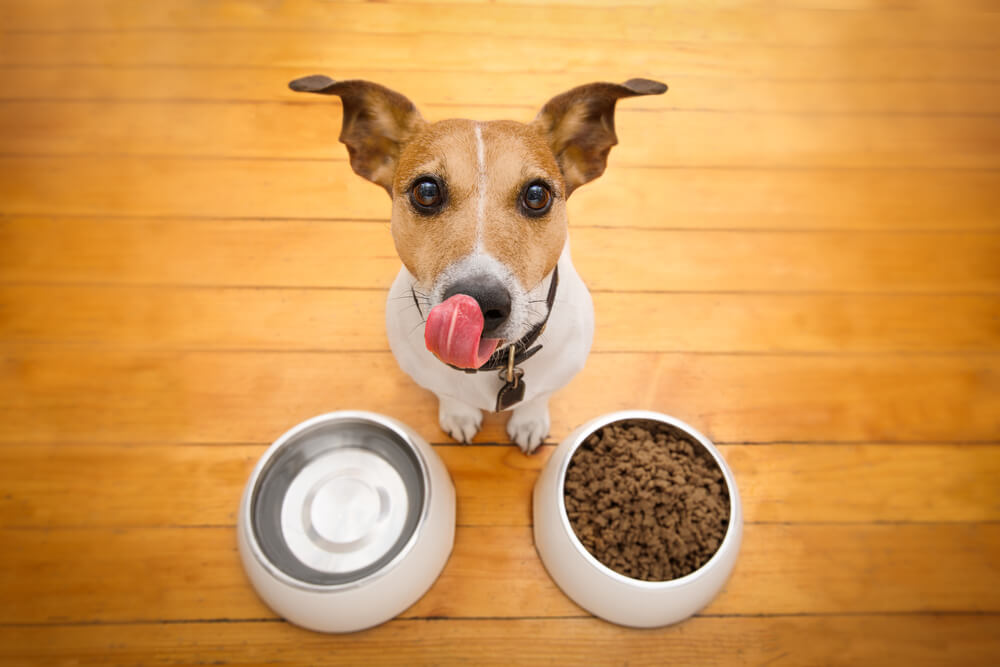
That furry friend, scaly companion, or feathered pal – they depend on you for everything, especially their health! And just like us, a cornerstone of their well-being is a proper diet. But navigating the world of pet food can feel like decoding a secret language.
Are you ever overwhelmed by the sheer number of choices at the pet store? Do you question whether you're truly giving your beloved animal the nutrients they need to thrive? The information available seems endless, and sometimes conflicting, leaving you wondering if you're making the best decisions for their long-term health and happiness.
This article dives into the essential aspects of feeding your pet for optimal health. We'll explore the different types of pet food, understand how to read labels, and learn how to tailor your pet's diet to their specific needs, ensuring they live a long, healthy, and happy life.
Ultimately, optimal pet health is about more than just filling a bowl. It's about understanding your pet's unique nutritional requirements based on their species, age, breed, activity level, and any specific health concerns. We'll cover everything from choosing the right type of food (kibble, wet food, raw food) to understanding ingredient lists and portion control. By understanding the basics of pet nutrition, you can be sure you're providing your pet with the fuel they need to live their best life. We’ll also discuss supplements, hydration, and the importance of consulting with your veterinarian.
Decoding Pet Food Labels
One of the biggest hurdles in ensuring optimal pet nutrition is understanding what'sactuallyin that bag or can. I remember staring blankly at a pet food label, completely overwhelmed, when I first got my golden retriever, Buddy. The ingredient list was a mile long, and I had no idea what half of the ingredients were! It felt like trying to decipher a foreign language. That's when I realized I needed to educate myself. Learning to decipher pet food labels is crucial for making informed decisions about your pet's diet. The Association of American Feed Control Officials (AAFCO) sets standards for pet food labeling, which can help you navigate the information provided.
The ingredient list is organized by weight, with the heaviest ingredient listed first. Keep in mind that "weight" includes water content, so fresh meat, while beneficial, can be listed higher than a dry ingredient even if it contributes less to the overall nutritional value. Look for identifiable protein sources like chicken, beef, or fish listed as the first few ingredients. Be wary of generic terms like "meat by-products" or "animal fat," as these can be vague and potentially low-quality. Also pay attention to the guaranteed analysis, which provides percentages of crude protein, crude fat, crude fiber, and moisture. This can help you compare the nutritional content of different foods. Remember to consult your vet if you have questions about your pet's individual needs. They can help you interpret the labels and choose the food that's best for your furry friend. It's a learning curve, but investing the time to understand pet food labels is an investment in your pet's health and longevity.
Understanding Nutritional Needs by Life Stage
What your puppy needs is vastly different from what a senior cat requires. Just like humans, our pets have varying nutritional demands throughout their lives. Growing puppies and kittens need a diet rich in protein and essential nutrients to support their rapid development. Adult animals require a balanced diet to maintain their weight and energy levels. Senior pets often benefit from a diet lower in calories and higher in fiber to support digestive health. Understanding these life stage-specific requirements is crucial for ensuring your pet receives the optimal nutrition. For example, puppies need specific ratios of calcium and phosphorus for proper bone development, while senior cats may need added supplements like glucosamine to support joint health. It's not a one-size-fits-all approach. Consider, too, whether your pet is pregnant or nursing, which brings its own set of nutritional considerations. Remember, your veterinarian is an excellent resource for personalized recommendations based on your pet's age, breed, and overall health. By tailoring your pet's diet to their specific life stage, you're giving them the best chance at a long and healthy life.
The Great Debate: Grain-Free vs. Grain-Inclusive
The "grain-free" versus "grain-inclusive" debate has become quite the hot topic in the pet food world. The rise of grain-free diets was initially fueled by the perception that grains are common allergens for pets. While some pets do have grain allergies, they are relatively rare. The truth is, many grains, like rice and oats, can be a good source of fiber and nutrients for pets. The FDA has been investigating a potential link between grain-free diets and dilated cardiomyopathy (DCM), a type of heart disease in dogs. This has raised concerns about the safety of grain-free diets for all dogs, even those without allergies. It's important to note that the investigation is ongoing, and more research is needed to determine the exact cause-and-effect relationship. The reality is, the issue is not whether or not a food contains grains, but rather the specific ingredients and formulation of the food. A well-formulated grain-inclusive diet can be just as healthy, if not healthier, than a grain-free diet. The best approach is to consult with your veterinarian to determine the most appropriate diet for your pet based on their individual needs and health status. Don't fall victim to marketing hype; instead, prioritize science-backed information and professional guidance.
Unveiling the Secrets of Raw Food Diets
Raw food diets, also known as BARF (Biologically Appropriate Raw Food) diets, are gaining popularity among pet owners. Proponents of raw feeding claim that it offers numerous benefits, including improved digestion, increased energy levels, and a shinier coat. These diets typically consist of raw meat, bones, and organs, supplemented with fruits and vegetables. While raw food diets can be nutritionally complete if properly formulated, they also carry potential risks. The biggest concern is the risk of bacterial contamination, such as Salmonella and E. coli, which can pose a health hazard to both pets and humans. Proper handling and preparation are crucial to minimize this risk. Another concern is the potential for nutritional imbalances if the diet is not properly formulated. It's essential to work with a veterinary nutritionist to ensure that the raw food diet meets your pet's specific nutritional needs. Raw bones can also pose a choking hazard or cause damage to the digestive tract. The key takeaway is that raw food diets are not inherently superior to commercially prepared pet foods. They require careful planning, preparation, and monitoring to ensure safety and nutritional adequacy. Weigh the potential benefits and risks carefully before making the switch, and always consult with your veterinarian.
Expert Recommendations: Building a Balanced Meal Plan
Building a balanced meal plan for your pet is a crucial step towards ensuring their optimal health. The first step is to choose a high-quality pet food that meets AAFCO standards. Look for a food that lists a specific meat source as the first ingredient and contains a variety of other beneficial ingredients, such as fruits, vegetables, and whole grains (if your pet tolerates them). Avoid foods that are high in fillers, artificial colors, and preservatives. Once you've chosen a food, it's important to feed your pet the correct amount. Follow the feeding guidelines on the food label, but remember that these are just recommendations. You may need to adjust the amount based on your pet's individual needs and activity level. Monitoring your pet's weight and body condition is a great way to assess whether you're feeding them the right amount. You should be able to feel their ribs easily without seeing them. Don't forget about treats! Treats can be a great way to reward your pet, but they should only make up a small portion of their daily caloric intake. Choose healthy treats, such as fruits, vegetables, or single-ingredient protein sources. Finally, always provide your pet with access to fresh, clean water. Hydration is essential for overall health. Creating a balanced meal plan takes time and effort, but it's well worth it for the health and well-being of your furry friend. Remember to consult with your veterinarian for personalized recommendations.
Supplementing Your Pet's Diet: When is it Necessary?
Supplementing your pet's diet can be beneficial in certain circumstances, but it's not always necessary. A high-quality, balanced pet food should provide all the essential nutrients your pet needs. However, there are situations where supplements may be helpful. For example, senior pets may benefit from supplements like glucosamine and chondroitin to support joint health. Pets with certain medical conditions may also require specific supplements to address nutritional deficiencies. Puppies and kittens may benefit from supplements like probiotics to support gut health. Before adding any supplements to your pet's diet, it's essential to consult with your veterinarian. They can assess your pet's individual needs and recommend the appropriate supplements and dosages. It's also important to choose high-quality supplements from reputable manufacturers. Not all supplements are created equal, and some may contain harmful ingredients. Be wary of supplements that make exaggerated claims or promise miracle cures. The best approach is to focus on providing your pet with a balanced diet and only add supplements when recommended by your veterinarian. Remember, supplements are not a substitute for good nutrition. They should be used as a complement to a healthy diet, not as a replacement for it. Over-supplementation can be harmful, so always follow your veterinarian's instructions carefully.
Hydration is Key: Ensuring Your Pet Stays Well-Watered
We often focus on food, but water is just as crucial for your pet's health. Dehydration can lead to a variety of health problems, including kidney disease, constipation, and decreased energy levels. Ensuring your pet stays well-hydrated is essential for their overall well-being. Make sure your pet always has access to fresh, clean water. Change the water bowl daily and clean it regularly to prevent the growth of bacteria. Monitor your pet's water intake. A sudden increase or decrease in water consumption can be a sign of an underlying health problem. If you're concerned about your pet's hydration levels, there are several things you can do to encourage them to drink more. You can try adding a flavored broth or a small amount of tuna juice to their water. You can also try offering wet food, which has a higher moisture content than dry food. Some pets prefer to drink from a running water source, such as a pet fountain. If you're traveling with your pet, be sure to bring plenty of water and offer it frequently. Heatstroke is a serious risk for pets, so it's important to keep them cool and hydrated during hot weather. By taking steps to ensure your pet stays well-hydrated, you can help them stay healthy and happy.
The Importance of Portion Control: Avoiding Overfeeding
One of the most common mistakes pet owners make is overfeeding their pets. Overfeeding can lead to obesity, which is a major health problem for pets. Obese pets are at increased risk for diabetes, arthritis, heart disease, and other health problems. Portion control is essential for maintaining a healthy weight for your pet. Follow the feeding guidelines on the pet food label, but remember that these are just recommendations. You may need to adjust the amount based on your pet's individual needs and activity level. Monitor your pet's weight and body condition regularly. You should be able to feel their ribs easily without seeing them. If your pet is overweight, talk to your veterinarian about developing a weight loss plan. This may involve reducing their food intake, increasing their exercise levels, or switching to a weight management food. Be consistent with your feeding schedule. Avoid free-feeding, which can lead to overeating. Instead, feed your pet at specific times each day. Resist the urge to give your pet table scraps. Table scraps are often high in calories and fat and can contribute to weight gain. Portion control is a simple but effective way to help your pet stay healthy and happy. By feeding them the right amount of food, you can help them maintain a healthy weight and reduce their risk of obesity-related health problems.
Fun Facts About Pet Nutrition
Did you know that chocolate is toxic to dogs? This is because chocolate contains theobromine, a stimulant that dogs cannot metabolize as quickly as humans. The darker the chocolate, the more theobromine it contains, and the more toxic it is to dogs. Another fun fact is that cats cannot taste sweetness. This is because they lack the gene that codes for the sweet taste receptor. This is why cats are often less interested in sugary treats than dogs. Did you also know that dogs can digest starches more efficiently than wolves? This is due to genetic mutations that occurred during domestication. These mutations allow dogs to produce more amylase, an enzyme that breaks down starches. And speaking of digestion, a dog's digestive system is much shorter than a human's, which means that food passes through it much more quickly. This is why dogs often need to defecate more frequently than humans. Finally, did you know that some pet foods contain insects? Insects are a good source of protein and other nutrients, and they are often used as a sustainable alternative to meat. These are just a few fun facts about pet nutrition. By learning more about what your pet needs, you can help them stay healthy and happy.
How to Transition to a New Pet Food
Switching your pet to a new food should be a gradual process to avoid digestive upset. A sudden change in diet can cause diarrhea, vomiting, and loss of appetite. Start by mixing a small amount of the new food with your pet's current food. Over the next 7-10 days, gradually increase the amount of new food while decreasing the amount of old food. This will allow your pet's digestive system to adjust to the new food. Monitor your pet's stool consistency during the transition. If they develop diarrhea or vomiting, slow down the transition or consult with your veterinarian. If your pet is a picky eater, you may need to try different flavors or textures of the new food to find one that they like. You can also try adding a small amount of broth or tuna juice to the new food to make it more appealing. If you're switching to a prescription diet, it's especially important to follow your veterinarian's instructions carefully. Prescription diets are often formulated to address specific health conditions, and it's important to ensure that your pet is getting the right nutrients. Transitioning to a new pet food takes time and patience, but it's worth it to ensure your pet's digestive health and overall well-being.
What If My Pet Has Allergies?
Pet allergies can be frustrating for both you and your furry friend. Food allergies can cause a variety of symptoms, including itching, skin rashes, ear infections, and digestive problems. If you suspect your pet has a food allergy, it's important to consult with your veterinarian. They can perform diagnostic tests to determine the cause of the allergy. The most common food allergens for pets are beef, chicken, dairy, and wheat. If your pet is diagnosed with a food allergy, your veterinarian may recommend an elimination diet. This involves feeding your pet a novel protein and carbohydrate source that they have never eaten before. This will help to determine if their symptoms improve when they are not exposed to the allergen. If your pet's symptoms improve on the elimination diet, you can gradually reintroduce other ingredients to see which ones trigger the allergy. Once you have identified the allergens, you can avoid them by feeding your pet a special diet that does not contain those ingredients. There are many hypoallergenic pet foods available on the market that are formulated to be free of common allergens. It's also important to read the ingredient labels carefully to avoid hidden allergens. Managing pet allergies can be challenging, but with the help of your veterinarian, you can find a diet that works for your pet and keeps them healthy and comfortable.
Top 5 Foods to Avoid Feeding Your Pet
Certain foods are toxic or harmful to pets and should be avoided at all costs. Here's a list of the top 5 foods to keep away from your furry friend:
1.Chocolate: As mentioned earlier, chocolate contains theobromine, which is toxic to dogs. The darker the chocolate, the more toxic it is.
2.Grapes and Raisins: These can cause kidney failure in dogs. The exact mechanism of toxicity is unknown, but it's best to avoid them altogether.
3.Onions and Garlic: These contain compounds that can damage red blood cells in dogs and cats, leading to anemia.
4.Xylitol: This artificial sweetener is found in many sugar-free products, such as gum and candy. It can cause a rapid drop in blood sugar in dogs, leading to seizures and liver failure.
5.Alcohol: Alcohol can have a devastating impact on pets. Even small amounts of alcohol can cause serious problems like vomiting, diarrhea, decreased coordination, central nervous system depression, difficulty breathing, tremors, abnormal blood acidity, coma and even death. It's best to avoid feeding your pet any of these foods. If you suspect your pet has ingested a toxic substance, contact your veterinarian or the ASPCA Animal Poison Control Center immediately.
Question and Answer
Q: How do I know if my pet is overweight?
A: You should be able to feel your pet's ribs easily without seeing them. If you can't feel their ribs, or if you can see a thick layer of fat covering their ribs, they are likely overweight. Your veterinarian can also assess your pet's body condition score to determine if they are at a healthy weight.
Q: How often should I feed my pet?
A: The frequency of feeding depends on your pet's age, breed, and activity level. Puppies and kittens need to be fed more frequently than adult pets. Most adult dogs and cats can be fed twice a day. Your veterinarian can provide specific recommendations based on your pet's individual needs.
Q: Can I feed my dog a vegetarian diet?
A: While it is possible to feed a dog a vegetarian diet, it requires careful planning to ensure that they are getting all the essential nutrients they need. Dogs are omnivores and can thrive on a well-balanced vegetarian diet. However, it's important to consult with your veterinarian or a veterinary nutritionist to formulate a diet that meets your dog's specific nutritional requirements.
Q: Are homemade pet foods better than commercial pet foods?
A: Homemade pet foods can be a good option if they are properly formulated to meet your pet's nutritional needs. However, it's important to consult with a veterinary nutritionist to ensure that the diet is balanced and complete. Commercial pet foods that meet AAFCO standards are also a good option, as they are formulated to provide all the essential nutrients your pet needs.
Conclusion of What to Feed Your Pet for Optimal Health
Ultimately, providing your pet with optimal nutrition involves understanding their individual needs, choosing a high-quality food, practicing portion control, and avoiding toxic foods. It requires ongoing education, observation, and communication with your veterinarian. By making informed choices about your pet's diet, you can help them live a long, healthy, and happy life, filled with energy and vitality.
0 Response to "What to Feed Your Pet for Optimal Health"
Post a Comment