Signs Your Dog Might Be Stressed
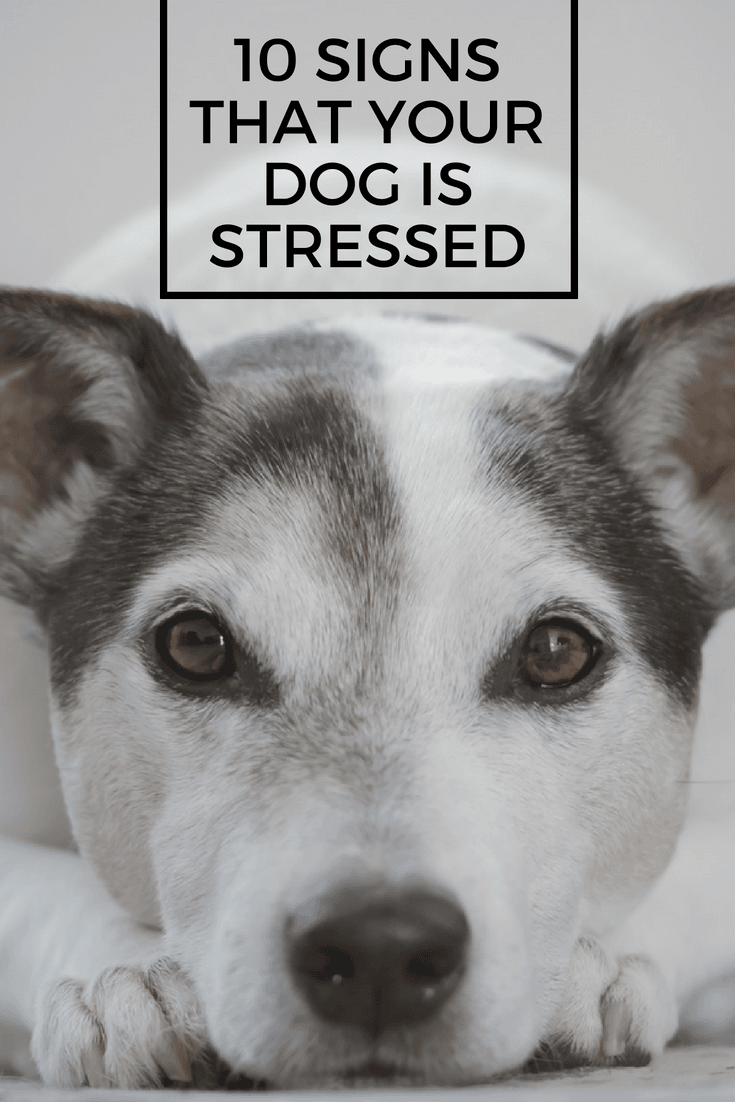
Ever feel like your furry friend is just a little...off? They might be panting excessively, pacing, or displaying other unusual behaviors. It can be worrying, and you might be left wondering if something is wrong. The truth is, our dogs can experience stress just like we do, and it's crucial to recognize the signs so we can help them feel better.
It's hard, isn't it? You want your dog to be happy and relaxed, but sometimes life throws curveballs that can cause them anxiety. Maybe a new baby arrived, or you've moved to a new home. Perhaps there are loud noises from construction nearby. These situations can leave you feeling helpless, unsure of how to ease your dog's discomfort. You just want to know what signs to look for so you can address the problem and restore their peace of mind.
This blog post is here to guide you through the subtle and not-so-subtle signs that your dog might be stressed. We'll explore common indicators like changes in body language, appetite, and behavior, giving you the tools to identify when your dog needs your support and how to provide it. Recognizing these signals early can make a world of difference in your dog's well-being.
From changes in body posture and vocalizations to shifts in appetite and sleep patterns, we've covered a wide range of stress indicators. Understanding these signs, such as lip licking, yawning when not tired, whale eye (showing the whites of their eyes), and a tucked tail, is the first step in helping your dog cope with anxiety. We'll also discuss potential triggers of stress in dogs, empowering you to create a more relaxed environment for your beloved companion.
Panting and Pacing
Panting and pacing, while normal in certain contexts like after exercise or in hot weather, can be a major red flag if they occur excessively or without an obvious reason. I remember when my old dog, Buster, started panting heavily and pacing around the house even on cool days. I initially dismissed it as just getting old, but his behavior became increasingly frantic. It turned out there was construction happening a few blocks away, and the vibrations and noise were causing him significant anxiety. Once I identified the trigger and created a safe, quiet space for him, his panting and pacing reduced significantly.
Dogs often use panting as a cooling mechanism, but excessive panting, especially when not hot or after exercise, could indicate stress, fear, or anxiety. Pacing, or repetitive walking back and forth, is another common sign of nervousness or discomfort. Look for these behaviors in conjunction with other symptoms, such as a tense body, tucked tail, or whining. Ruling out medical causes for these behaviors is crucial, so a vet visit is always a good first step. Once medical issues are excluded, you can start exploring environmental or situational triggers that might be causing your dog distress. Common triggers include loud noises, unfamiliar environments, separation anxiety, and the presence of other animals. Understanding the root cause of the stress is vital for developing an effective management plan.
Changes in Body Posture
Changes in body posture are a subtle but significant indicator of your dog's emotional state. A relaxed dog typically has a loose and wiggly body, with their tail wagging freely. However, a stressed dog may exhibit a stiff or tense posture, with their weight shifted back or forward. The tail might be tucked between their legs, held low, or wagged stiffly and rapidly, a sign of agitation rather than happiness. Observing your dog's overall body language can provide valuable clues about their comfort level in a given situation.
Historically, understanding canine body language has been crucial for building a strong bond between humans and dogs. Ancient people relied on observing their dogs' behavior to interpret their intentions and ensure safety during hunting and guarding. The myths surrounding dogs often portray them as intuitive and perceptive creatures, capable of sensing danger and protecting their human companions. While these myths may be exaggerated, they highlight the importance of paying attention to our dogs' nonverbal cues. Today, scientific studies have confirmed the complexity of canine communication, emphasizing the need for humans to learn how to "speak dog." Understanding body posture is a cornerstone of this communication, allowing us to recognize when our dogs are feeling stressed, fearful, or anxious. Recognizing these subtle shifts in posture can help you intervene before the stress escalates, providing comfort and reassurance to your furry friend.
Excessive Licking or Grooming
Excessive licking or grooming, particularly of specific body parts, can be a displacement behavior indicating underlying stress. Think of it as your dog's way of trying to self-soothe or distract themselves from something that is bothering them. While occasional grooming is normal, constant licking of paws, legs, or other areas can lead to skin irritation and even secondary infections.
The hidden secret behind this behavior lies in the release of endorphins that occurs during licking. These endorphins act as natural painkillers and mood elevators, providing temporary relief from anxiety or discomfort. However, this behavior can quickly become a compulsive habit if the underlying cause of the stress is not addressed. It's important to differentiate between grooming related to hygiene and grooming driven by anxiety. If you notice your dog obsessively licking a particular spot, especially if it's accompanied by other signs of stress, consult with your veterinarian or a certified dog behaviorist. They can help you identify the root cause of the problem and develop a plan to manage the behavior. This may involve environmental modifications, behavioral training, or even medication in severe cases. By addressing the underlying stress, you can help your dog break the cycle of excessive licking and improve their overall well-being. Remember, licking is a communication. Listen to what your dog is telling you.
Changes in Appetite
Changes in appetite, whether an increase or decrease, can be a telltale sign of stress in dogs. Some dogs may lose their appetite completely when anxious, while others might turn to food for comfort and overeat. A sudden disinterest in their favorite treats or a refusal to eat their regular meals should raise a red flag. On the other hand, if your dog starts begging for food more frequently or stealing food from the counter, it could also be a sign of underlying anxiety.
Recommendations here include closely monitoring your dog's eating habits and noting any significant changes. If you notice a persistent loss of appetite, it's important to rule out any underlying medical conditions with a vet visit. Once medical issues are excluded, consider the potential stressors in your dog's environment. Have there been any recent changes in their routine, such as a new family member, a move, or a change in their diet? Are there any loud noises or other environmental factors that could be causing them anxiety? Addressing these stressors may help to restore your dog's normal appetite. For dogs who overeat when stressed, try providing them with alternative coping mechanisms, such as puzzle toys, chew toys, or increased exercise. These activities can help to distract them from their anxiety and prevent them from turning to food for comfort. Also, ensure that all family members are on the same page and avoid giving your dog table scraps or excessive treats, especially when they are showing signs of stress. Consistent feeding schedules and portion sizes can also help to regulate their appetite and prevent overeating. A calm and predictable environment is key to maintaining a healthy appetite in your dog.
Destructive Behavior
Destructive behavior is a common manifestation of stress and anxiety in dogs, particularly when they are left alone. This can range from chewing on furniture and scratching doors to digging in the yard and destroying personal belongings. While some destructive behavior may be due to boredom or lack of exercise, it's often a sign that your dog is feeling overwhelmed and anxious. Dogs that suffer from separation anxiety are especially prone to destructive behavior when their owners are away.
Understanding the root cause of destructive behavior is crucial for developing an effective management plan. If you suspect that your dog is suffering from separation anxiety, consult with a veterinarian or a certified dog behaviorist. They can help you assess the severity of the problem and recommend appropriate treatment options, such as behavioral modification techniques, medication, or a combination of both. In the meantime, there are several things you can do to reduce destructive behavior. Ensure that your dog has plenty of opportunities for exercise and mental stimulation. Provide them with a variety of chew toys and puzzle toys to keep them entertained and engaged. Create a safe and comfortable space for them to retreat to when they are feeling anxious. This could be a crate, a bed, or a quiet corner of the house. Desensitize your dog to triggers that cause anxiety, such as the sound of your keys or the sight of your suitcase. Gradually expose them to these triggers in a controlled and positive environment, rewarding them for remaining calm and relaxed. Never punish your dog for destructive behavior, as this will only increase their anxiety and make the problem worse. Instead, focus on creating a positive and supportive environment that promotes relaxation and reduces stress. Remember, patience and consistency are key to overcoming destructive behavior in dogs.
Changes in Sleep Patterns
Changes in sleep patterns can be a subtle but important indicator of stress in dogs. Just like humans, stressed dogs may experience difficulty falling asleep, restless sleep, or changes in their overall sleep duration. You might notice your dog pacing or whining at night, waking up frequently, or sleeping more or less than usual. A stressed dog might also struggle to settle down and relax, even in their favorite sleeping spot. Observing your dog's sleep habits can provide valuable insights into their emotional well-being.
Recognizing Vocalizations
Recognizing vocalizations is key to understanding your dog's stress levels. While barking, whining, and howling are normal forms of communication for dogs, excessive or unusual vocalizations can indicate anxiety or distress. A stressed dog might bark incessantly at perceived threats, whine constantly for attention or comfort, or howl when left alone. Pay attention to the context of these vocalizations and look for other signs of stress to determine if your dog is trying to tell you something. Some dogs also emit a specific "stress whine" that is different from their usual whining. This whine is often high-pitched and accompanied by other signs of anxiety, such as a tucked tail, panting, or lip licking. Learning to recognize this stress whine can help you intervene early and provide comfort to your dog. Other vocalizations that may indicate stress include growling, snapping, and even silence. A dog that is normally vocal but suddenly becomes quiet might be feeling overwhelmed and shut down. It's important to consider your dog's individual personality and usual vocalizations when assessing their stress levels. If you notice any significant changes in their vocal behavior, consult with a veterinarian or a certified dog behaviorist. They can help you determine the underlying cause of the problem and recommend appropriate treatment options.
Fun Facts About Dog Stress
Did you know that dogs can experience stress-related digestive issues, just like humans? Stress can disrupt their gut microbiome, leading to symptoms like diarrhea, vomiting, and loss of appetite. Another fun fact is that studies have shown that dogs can even "catch" stress from their owners! If you're feeling anxious or stressed, your dog is likely to pick up on it and mirror your emotions. This highlights the importance of managing your own stress levels for the sake of your furry friend's well-being. Furthermore, just like humans, dogs have different coping mechanisms for dealing with stress. Some dogs may seek out affection and cuddles, while others may prefer to retreat to a quiet space and be left alone. Understanding your dog's individual coping style can help you provide the support they need when they're feeling stressed. Believe it or not, even playing can be a source of stress for some dogs. Overly exuberant play or roughhousing can sometimes trigger anxiety, especially in dogs that are already prone to stress. It's important to monitor your dog's body language during play and ensure that they are enjoying themselves. Recognizing the various ways that stress can manifest in dogs and understanding their individual needs can help you create a more relaxed and supportive environment for your beloved companion.
How to Reduce Dog Stress
Reducing stress in dogs requires a multi-faceted approach that addresses both the immediate triggers and the underlying causes of anxiety. One of the most effective ways to reduce stress is to create a safe and predictable environment for your dog. This includes establishing a consistent daily routine, providing them with a comfortable and secure space to retreat to, and avoiding sudden changes or disruptions in their environment. It's also important to identify and minimize exposure to potential stressors, such as loud noises, unfamiliar people, or other animals that might trigger anxiety.
Another key strategy is to provide your dog with plenty of opportunities for exercise and mental stimulation. Regular walks, play sessions, and puzzle toys can help to burn off excess energy and reduce anxiety. Training can also be a great way to build confidence and reduce stress in dogs. Teaching them basic obedience commands and rewarding them for good behavior can help to create a positive and predictable interaction between you and your dog. Positive reinforcement techniques, such as using treats, praise, and toys, are much more effective than punishment or scolding. In some cases, medication may be necessary to manage severe anxiety in dogs. If you suspect that your dog is suffering from a serious anxiety disorder, consult with a veterinarian. They can assess the severity of the problem and recommend appropriate treatment options, such as anti-anxiety medications or referral to a veterinary behaviorist. Remember, reducing stress in dogs is an ongoing process that requires patience, understanding, and a commitment to providing your furry friend with the best possible care.
What If You Don't Address Stress?
If left unaddressed, stress in dogs can have serious consequences for their physical and mental health. Chronic stress can weaken their immune system, making them more susceptible to illness and infection. It can also lead to behavioral problems, such as aggression, destructiveness, and excessive barking. In severe cases, chronic stress can even shorten a dog's lifespan. Furthermore, stress can negatively impact the bond between you and your dog. A stressed dog may become withdrawn, fearful, or even aggressive towards their owners, making it difficult to maintain a close and loving relationship. Ignoring the signs of stress can also lead to the development of anxiety disorders, such as separation anxiety, generalized anxiety disorder, and phobias. These disorders can be challenging to manage and may require long-term treatment with medication and behavioral therapy.
Early intervention is key to preventing the long-term consequences of stress in dogs. By recognizing the signs of stress and addressing the underlying causes, you can help your dog live a happier, healthier, and more fulfilling life. Don't hesitate to seek professional help if you're struggling to manage your dog's stress levels on your own. A veterinarian or a certified dog behaviorist can provide valuable guidance and support. Remember, your dog relies on you to be their advocate and protect them from harm. By taking proactive steps to manage their stress levels, you can ensure that they live a long and happy life by your side.
10 Signs Your Dog Might Be Stressed
Here's a list of 10 common signs your dog might be stressed:
- Panting and pacing without physical exertion.
- Changes in body posture, such as a tucked tail or stiff muscles.
- Excessive licking or grooming, especially of specific body parts.
- Changes in appetite, either increased or decreased.
- Destructive behavior, such as chewing or scratching.
- Changes in sleep patterns, such as restlessness or insomnia.
- Increased vocalizations, such as barking, whining, or howling.
- Avoidance behavior, such as hiding or trying to escape.
- Trembling or shaking.
- Dilated pupils.
Question and Answer
Here are some frequently asked questions about signs of stress in dogs:
Q: What are some common triggers for stress in dogs?
A: Common triggers include loud noises (thunderstorms, fireworks), separation anxiety, unfamiliar environments, new people or animals, changes in routine, and veterinary visits.
Q: How can I help my dog when they are stressed?
A: Create a safe and comfortable space, minimize exposure to triggers, provide exercise and mental stimulation, use calming aids like pheromone diffusers, and consult with a vet or behaviorist if needed.
Q: Is it normal for dogs to be stressed sometimes?
A: Yes, occasional stress is normal, but chronic or excessive stress can be harmful and should be addressed.
Q: When should I consult a vet about my dog's stress?
A: If you notice significant changes in your dog's behavior, appetite, or sleep patterns, or if the stress seems to be interfering with their quality of life, it's time to consult a vet.
Conclusion of Signs Your Dog Might Be Stressed
Recognizing the signs of stress in your dog is a crucial part of responsible pet ownership. By understanding the subtle cues and potential triggers, you can create a more comfortable and supportive environment for your furry friend, promoting their overall well-being and strengthening the bond between you. If you're ever unsure about your dog's behavior, don't hesitate to seek professional guidance from a veterinarian or a certified dog behaviorist.
0 Response to "Signs Your Dog Might Be Stressed"
Post a Comment