Common Mistakes New Cat Owners Make
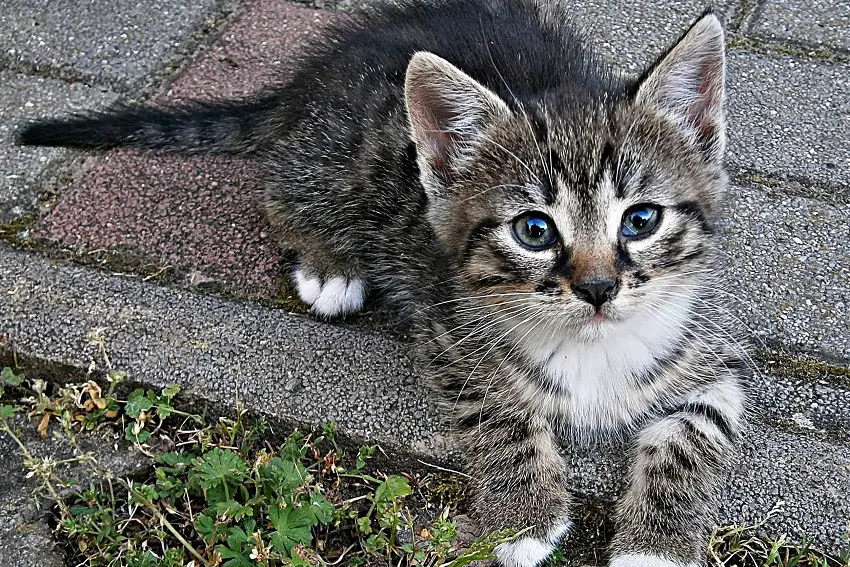
So, you've decided to welcome a feline friend into your home? Congratulations! Bringing a cat into your life is a wonderfully rewarding experience filled with purrs, cuddles, and endless entertainment. However, it's not always smooth sailing. Many first-time cat owners unknowingly make errors that can impact their cat's well-being and their own sanity.
Suddenly finding yourself dealing with scratching furniture, mysterious puddles outside the litter box, or a cat who seems more aloof than affectionate? You're not alone! These situations often arise from simple misunderstandings about feline behavior and needs. The good news is, most of these issues are easily avoidable with a little knowledge and preparation.
This post aims to guide you through the common pitfalls that new cat owners often encounter. We'll cover everything from setting up the perfect environment to understanding your cat's unique communication style, ensuring a harmonious and happy life for both you and your new furry companion.
In essence, we'll be exploring the common missteps in cat care, touching on crucial aspects like litter box hygiene, scratching solutions, proper diet, understanding feline communication, and creating a stimulating environment. By addressing these key areas, you can proactively prevent potential problems and build a strong, loving bond with your cat. Remember, a happy cat equals a happy home!
Ignoring the Litter Box
The litter box. It's arguably the most crucial element of cat ownership, and sadly, often the most neglected. I remember when I first adopted my cat, Luna, I thought a single litter box tucked away in a dark corner would suffice. Boy, was I wrong! Luna, being the princess she is, quickly made it clear that she was not impressed with my minimalist approach. She started leaving "presents" outside the box, a clear sign of her displeasure. It took me a while to realize that location, size, and cleanliness all play a vital role in a cat's litter box habits.
Think of it from your cat's perspective. Would you want to use a cramped, smelly bathroom? Probably not! Cats are naturally clean creatures, and a dirty or inconvenient litter box can lead to aversion and unwanted accidents. Make sure you have enough litter boxes (generally one per cat plus one), place them in accessible and quiet locations, and scoop them daily. The type of litter also matters; some cats prefer unscented clumping litter, while others might prefer clay or crystal litter. Experiment to find what your cat likes best. Regularly cleaning the entire box with soap and water is also essential to prevent odor buildup and maintain a healthy environment for your feline friend.
Not Providing Scratching Posts
Imagine being forced to wear shoes 24/7 without ever being able to stretch and flex your toes. That's essentially what it's like for a cat without a scratching post. Scratching is a natural and essential behavior for cats. It helps them maintain their claws, stretch their muscles, and mark their territory. When cats scratch, they're not just sharpening their claws; they're also leaving behind scent markers that communicate with other cats. By providing appropriate scratching outlets, you're not only protecting your furniture but also fulfilling your cat's innate needs.
The key is to offer a variety of scratching surfaces to cater to your cat's preferences. Some cats prefer vertical posts covered in sisal or carpet, while others prefer horizontal cardboard scratchers. Experiment with different materials and orientations to see what your cat enjoys most. Place the scratching posts in prominent locations, such as near their sleeping area or in areas where they tend to scratch inappropriately. You can also use catnip or pheromone sprays to entice them to use the posts. If your cat is already scratching your furniture, try placing a scratching post directly in front of the damaged area to redirect their scratching behavior.
Misinterpreting Feline Body Language
Cats are masters of subtle communication, but their body language is often misinterpreted by humans. Unlike dogs, who are generally more expressive and vocal, cats tend to communicate through nuanced cues like ear position, tail movements, and eye dilation. Understanding these subtle signals is crucial for building a strong and trusting relationship with your cat. For example, a slow blink is a sign of affection and trust, while flattened ears and a twitching tail can indicate fear or aggression. A cat who is rubbing against your legs is not just being friendly; they are also marking you with their scent, claiming you as part of their territory.
Conversely, ignoring these cues can lead to misunderstandings and potentially negative interactions. Forcing affection on a cat who is showing signs of discomfort can damage your bond and make them less likely to trust you in the future. Learning to recognize and respect your cat's body language will help you understand their needs and respond appropriately, creating a more harmonious and fulfilling relationship.
Assuming Cats Are Low-Maintenance
The myth of the independent, low-maintenance cat is a persistent one, but it's far from the truth. While cats are certainly more self-sufficient than dogs, they still require significant attention, care, and enrichment to thrive. A cat's mental and physical well-being depends on a stimulating environment, regular playtime, and plenty of social interaction. Leaving a cat alone for extended periods without adequate stimulation can lead to boredom, anxiety, and destructive behaviors.
Providing a stimulating environment is crucial for preventing boredom and promoting mental health. This includes offering plenty of toys, scratching posts, climbing structures, and opportunities for exploration. Interactive play sessions are also essential for bonding with your cat and providing them with physical exercise. A bored cat is a mischievous cat, so make sure you're providing them with plenty of opportunities to express their natural instincts and stay mentally engaged.
Ignoring Dental Health
A lot of new cat owners overlook the importance of dental health. Just like humans, cats can develop dental problems like gingivitis, periodontal disease, and tooth decay. These issues can cause pain, discomfort, and even systemic health problems if left untreated. Regular dental care is essential for maintaining your cat's overall health and well-being. Brushing your cat's teeth regularly is the gold standard for dental hygiene, but it can be challenging to get them used to it. Start slowly and gradually introduce the toothbrush and toothpaste, rewarding them with treats and praise.
If brushing is not an option, there are other ways to promote dental health. Dental chews and toys can help remove plaque and tartar buildup, and some cat foods are specifically formulated to promote dental hygiene. Regular veterinary checkups are also crucial for detecting dental problems early on. Your veterinarian can perform professional dental cleanings to remove plaque and tartar that you can't reach with brushing, and they can also identify and treat any underlying dental issues.
The Importance of High-Quality Food
What you feed your cat directly impacts their health, energy levels, and overall well-being. Many new cat owners make the mistake of opting for cheap, low-quality food that is filled with fillers and artificial ingredients. These foods often lack the essential nutrients that cats need to thrive, and they can contribute to health problems like obesity, diabetes, and kidney disease. Choosing a high-quality cat food that is rich in protein and essential nutrients is one of the best things you can do for your cat's health.
Look for foods that list meat as the primary ingredient and avoid foods that are loaded with grains and artificial additives. Wet food is generally preferable to dry food because it has a higher moisture content, which helps keep your cat hydrated and supports kidney health. However, dry food can be a good option for cats who prefer it, as long as it's a high-quality formula. Talk to your veterinarian about the best food options for your cat based on their age, activity level, and health condition.
Creating a Safe and Enriching Environment
Providing a safe and stimulating environment is crucial for your cat's physical and mental well-being. Cats are naturally curious and playful creatures, and they need opportunities to explore, climb, and play. Creating a cat-friendly home involves removing potential hazards, providing plenty of enrichment, and creating a space where your cat feels safe and secure. This may include providing access to high perches, hiding spots, and interactive toys. Vertical space is especially important for cats, as it allows them to feel safe and secure while observing their surroundings.
Window perches are a great way to provide cats with a view of the outside world, and climbing trees can satisfy their natural urge to climb and explore. Rotate toys regularly to keep your cat interested and engaged, and provide plenty of opportunities for interactive play. Regularly inspect your home for potential hazards, such as loose wires, toxic plants, and small objects that your cat could swallow. By creating a safe and enriching environment, you'll help your cat thrive and prevent behavioral problems that can arise from boredom and frustration.
Introducing Cats to Other Pets Too Soon
Bringing a new cat into a home with existing pets can be a delicate process. It's important to introduce them gradually and allow them to adjust to each other's presence at their own pace. Rushing the introduction can lead to stress, fear, and aggression. The best way to introduce cats to each other is to start by keeping them separated in different rooms and allowing them to get used to each other's scents. You can swap bedding or toys between the rooms to help them become familiar with each other's smell.
Once they seem comfortable with each other's scent, you can start feeding them on opposite sides of a closed door. This will create a positive association with the other cat's presence. Gradually, you can allow them supervised visits in the same room, starting with short periods and gradually increasing the duration. Monitor their body language closely and separate them if you notice any signs of aggression or fear. It can take weeks or even months for cats to fully accept each other, so be patient and allow them to adjust at their own pace.
Fun Facts About Cats
Did you know that a cat's nose print is unique, just like a human fingerprint? Or that cats can make over 100 different sounds, while dogs can only make about 10? Cats are fascinating creatures with a rich history and a unique set of behaviors. They have been domesticated for thousands of years, and they have played a significant role in human culture and mythology. In ancient Egypt, cats were revered as gods and were often mummified after death.
Cats have a reputation for being independent and aloof, but they are also capable of forming strong bonds with their human companions. They can provide comfort, companionship, and endless entertainment. Understanding their unique behaviors and needs is essential for building a strong and loving relationship with your feline friend. Whether it's their incredible agility, their soothing purrs, or their playful antics, cats have a way of capturing our hearts and enriching our lives.
How to Properly Groom Your Cat
Grooming is an essential part of cat care, and it helps keep your cat's coat healthy and free of mats. Regular grooming can also help prevent hairballs, which can be a common problem for cats. The frequency of grooming depends on your cat's breed and coat length. Short-haired cats generally need to be brushed once a week, while long-haired cats may need to be brushed daily.
When grooming your cat, use a soft brush that is designed for their coat type. Start by gently brushing their back and sides, and then move on to their legs and tail. Be careful to avoid sensitive areas like their face and ears. If you encounter any mats or tangles, use a mat splitter or detangling spray to gently work them out. Regular grooming is also a great way to bond with your cat and check for any signs of skin problems or other health issues.
What If My Cat Is Not Eating
If your cat suddenly stops eating or shows a significant decrease in appetite, it's important to seek veterinary attention. A loss of appetite can be a sign of a serious underlying health problem, such as kidney disease, liver disease, or cancer. It can also be caused by dental problems, infections, or stress.
If your cat is not eating, try offering them a variety of different foods to see if they will eat something. You can also try warming up their food to make it more appealing. However, if they continue to refuse food for more than 24 hours, it's important to take them to the veterinarian for an examination. Your veterinarian can perform diagnostic tests to determine the cause of the loss of appetite and recommend appropriate treatment.
Top 5 Common Mistakes New Cat Owners Make: A Listicle
Here's a quick rundown of the top 5 mistakes new cat owners often make:
- Ignoring the importance of the litter box.
- Not providing adequate scratching posts.
- Misinterpreting feline body language.
- Assuming cats are low-maintenance.
- Ignoring dental health.
By avoiding these common pitfalls, you can set yourself up for success as a cat owner and create a happy and fulfilling life for your feline companion.
Question and Answer about Common Mistakes New Cat Owners Make
Q: How many litter boxes should I have?
A: The general rule is one litter box per cat, plus one extra. So, if you have one cat, you should have two litter boxes.
Q: What kind of scratching post is best?
A: It depends on your cat's preference. Some cats prefer vertical posts covered in sisal or carpet, while others prefer horizontal cardboard scratchers. Offer a variety to see what your cat likes best.
Q: How can I tell if my cat is stressed?
A: Signs of stress in cats include hiding, excessive grooming, changes in appetite, and aggression.
Q: What should I feed my cat?
A: Choose a high-quality cat food that is rich in protein and essential nutrients. Wet food is generally preferable to dry food, but dry food can be a good option if it's a high-quality formula.
Conclusion of Common Mistakes New Cat Owners Make
Becoming a cat owner is a rewarding journey, but it's essential to be aware of the common pitfalls that can impact your cat's well-being. By understanding feline behavior, providing a stimulating environment, and avoiding the mistakes outlined in this post, you can create a harmonious and loving home for your new furry friend. Remember, patience, understanding, and a little bit of research can go a long way in ensuring a happy and healthy life for your cat.
0 Response to "Common Mistakes New Cat Owners Make"
Post a Comment