The Most Dangerous Snakes in the World: What You Need to Know
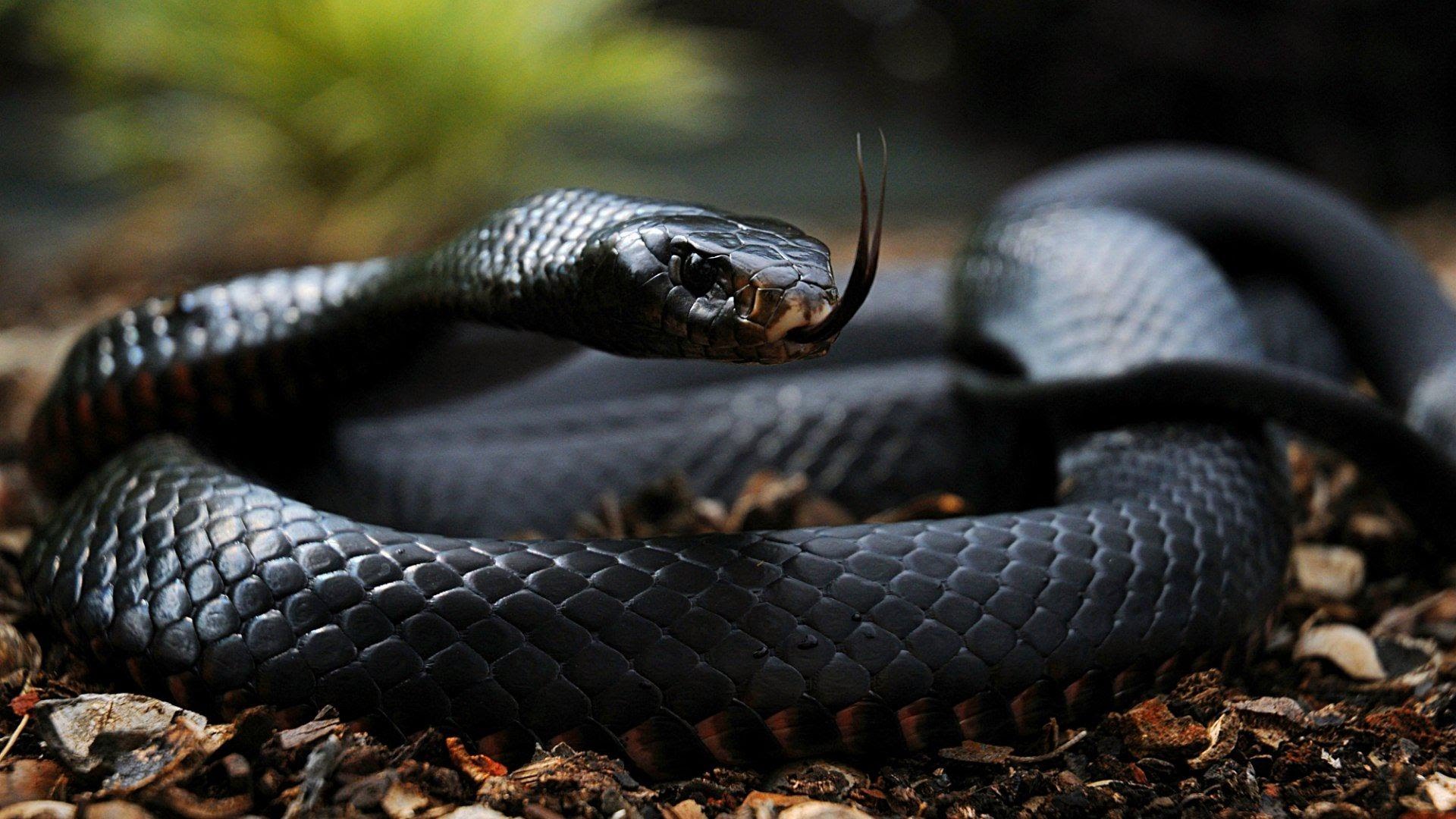
Imagine this: You're trekking through a lush rainforest, sunlight dappling through the canopy. Suddenly, a rustle in the leaves. Your heart pounds. What if it's one of the world's deadliest snakes, lurking just inches away? The thought alone is enough to send shivers down your spine.
The fear of snakes, or ophidiophobia, is one of the most common phobias. Perhaps this fear comes from the real concerns associated with encountering some snakes. The potential for serious injury, or even death, creates a natural anxiety when we consider these creatures. What are the most dangerous snakes? Where do they live? And most importantly, how can we stay safe if we ever encounter one?
This article aims to shed light on the world's most dangerous snakes, providing essential information about their characteristics, habitats, venom, and how to avoid potentially fatal encounters. We'll explore the snakes that pose the greatest threat to humans, offering insights into their behavior and what to do should you find yourself in a dangerous situation.
We will uncover the most dangerous snakes on the planet, including inland taipans, coastal taipans, and king cobras. We will delve into understanding their venom potency, typical habitats, and defensive behaviors. We will also explore preventative measures to minimize encounters and crucial first-aid steps in case of a bite. Finally, we will explore some interesting facts and common myths and provide tips for safely coexisting with these fascinating reptiles.
Personal Encounters and the Reality of Snakebites
I remember a hiking trip in Australia, years ago. We were warned repeatedly about the coastal taipan, one of the world's most venomous land snakes. Every rustle of leaves, every fallen branch, sent a jolt of fear through me. Although we never actually saw one, the constant awareness of its potential presence significantly impacted our experience. That fear, while perhaps exaggerated, was rooted in the reality of the snake's deadly potential. Many people who live in snake-prone regions deal with this reality daily. Farmers in India, for example, face a high risk of snakebites while working in their fields, often lacking access to immediate medical care. The fear is not just about the bite itself, but also about the potentially life-altering consequences, including amputation, permanent disability, or death. Therefore, knowing how to identify dangerous snakes in your region and taking necessary precautions becomes imperative for survival. This includes wearing appropriate footwear, staying on marked trails, and avoiding reaching into areas where snakes may be hiding. Furthermore, learning basic first aid, such as applying a pressure immobilization bandage, can significantly increase the chances of survival while awaiting medical assistance. Understanding the behavior of snakes and how to avoid provoking them is also crucial. Most snakebites occur when a snake feels threatened or cornered. By respecting their space and avoiding unnecessary interactions, we can minimize the risk of a potentially deadly encounter. Remember, knowledge is power, and in the case of dangerous snakes, it can be the difference between life and death.
Defining "Dangerous": Venom, Aggression, and Encounter Rates
When we talk about "dangerous" snakes, we're not just talking about how potent their venom is. While venom toxicity is a crucial factor, other elements contribute to a snake's overall danger level. Aggression, for example, plays a significant role. A snake with incredibly potent venom might not be considered as dangerous if it's reclusive and rarely bites humans. On the other hand, a snake with less potent venom but a more aggressive temperament and a higher likelihood of encountering humans could be considered more dangerous overall. The frequency of human encounters is also critical. Some of the most venomous snakes live in remote areas, rarely coming into contact with people. Their danger is theoretical rather than practical. Conversely, a snake that frequently inhabits agricultural areas or suburban environments poses a more immediate threat, even if its venom is less potent. Therefore, assessing a snake's danger involves a complex evaluation of its venom toxicity, its likelihood of biting, and the frequency of human encounters. Understanding these factors helps us prioritize our focus on the snakes that pose the greatest risk to human safety. The "LD50" value, which measures the lethal dose of venom required to kill 50% of a test population, is often used to compare venom toxicity. However, this value alone is not sufficient to determine a snake's overall danger. We must also consider the snake's size, the amount of venom injected per bite, and the availability of antivenom. Ultimately, "dangerous" is a relative term, and the most dangerous snakes are those that combine potent venom with a high likelihood of encountering and biting humans.
Snakes in History and Myth: Fear and Respect
Snakes have slithered their way into human consciousness since the dawn of time, weaving themselves into our myths, religions, and fears. In many cultures, they symbolize both life and death, creation and destruction. The ancient Egyptians revered the cobra, associating it with royalty and divine power, adorning pharaohs' crowns with its image. In Greek mythology, the serpent was often linked to healing, as seen in the staff of Asclepius, the god of medicine, which remains a symbol of healthcare today. Yet, the biblical story of Adam and Eve paints the snake as a tempter, a symbol of deceit and evil. This duality reflects the complex relationship humans have with these creatures. We fear their venom and their stealth, but we also recognize their power and their place in the natural world. The image of the snake shedding its skin, representing rebirth and renewal, is a recurring motif in various cultures. Similarly, the ouroboros, a snake eating its own tail, symbolizes eternity and the cyclical nature of life. Even in modern times, snakes continue to captivate and terrify us. They appear in countless movies, books, and video games, often portrayed as villains or as symbols of danger. This fascination, born from a combination of fear and respect, underscores the enduring power of these creatures to capture our imaginations. Understanding the cultural significance of snakes can help us appreciate their role in human history and our ongoing relationship with the natural world. By moving beyond simple fear, we can develop a more nuanced perspective and foster a greater sense of responsibility for their conservation.
Unveiling Hidden Secrets of Snake Behavior
Beyond the common knowledge about venom and habitat, there are fascinating hidden secrets to snake behavior that often go unnoticed. For instance, many snakes possess heat-sensing pits that allow them to detect warm-blooded prey in complete darkness. This remarkable adaptation enables them to hunt effectively even in the absence of light. Another intriguing aspect is their ability to "taste" the air using their forked tongues. By flicking their tongues, they collect scent particles and transfer them to the Jacobson's organ in their mouths, allowing them to identify prey, predators, and potential mates. Furthermore, snakes exhibit a wide range of social behaviors, some of which are quite complex. While most snakes are solitary creatures, some species engage in communal nesting, sharing resources and protecting their young together. Male snakes also engage in elaborate combat rituals to compete for mating rights, wrestling and displaying their dominance without inflicting serious injury. Understanding these hidden secrets of snake behavior can help us appreciate their complexity and adapt our approach to human-wildlife interactions. For example, knowing that snakes are sensitive to vibrations can help us avoid startling them and provoking defensive reactions. Similarly, understanding their hunting strategies can help us protect our pets and livestock from potential attacks. By delving deeper into the fascinating world of snake behavior, we can gain a greater understanding of these often-misunderstood creatures and promote coexistence in a shared environment. The more we learn, the less we fear, and the more we can appreciate the important role snakes play in maintaining ecological balance.
Recommendations for Staying Safe in Snake Country
If you live in or are visiting an area known for dangerous snakes, there are several key recommendations to follow to minimize your risk of encounters. First and foremost, be aware of your surroundings. Pay attention to signs warning of snake activity and stay on marked trails whenever possible. Avoid walking through tall grass, dense brush, or rocky areas where snakes may be hiding. When hiking, wear sturdy boots and long pants to provide some protection from bites. Use a walking stick to probe ahead and disturb the vegetation, giving snakes a chance to move away before you approach. At home, keep your yard clean and free of debris that could attract snakes, such as woodpiles, rock piles, and overgrown vegetation. Seal any cracks or openings in your foundation and around pipes to prevent snakes from entering your home. If you encounter a snake, remain calm and avoid making sudden movements. Give the snake plenty of space and allow it to move away on its own. Never attempt to handle or kill a snake, as this significantly increases the risk of being bitten. If you are bitten by a snake, seek immediate medical attention. Try to remember the snake's appearance to help with identification, but do not attempt to capture or kill it. Apply a pressure immobilization bandage to the affected limb and keep it immobilized until medical help arrives. With proper knowledge and precautions, you can significantly reduce your risk of snakebites and enjoy the outdoors safely in snake country. Remember, respect for wildlife is key to coexistence, and understanding snake behavior is crucial for preventing negative encounters.
Understanding Venom and its Effects on the Body
Venom is a complex mixture of toxins that snakes use to subdue their prey. Different snake species have different types of venom, each with unique effects on the body. Some venoms are primarily neurotoxic, attacking the nervous system and causing paralysis. Others are hemotoxic, affecting the blood and causing tissue damage and internal bleeding. Cytotoxic venoms cause localized cell damage and necrosis, while myotoxic venoms target muscle tissue. The severity of a snakebite depends on several factors, including the species of snake, the amount of venom injected, the size and health of the victim, and the location of the bite. Symptoms can range from localized pain and swelling to systemic effects such as difficulty breathing, blurred vision, and organ failure. Antivenom is the primary treatment for snakebites, and it works by neutralizing the toxins in the venom. However, antivenom is most effective when administered quickly, so it is crucial to seek immediate medical attention after a snakebite. In addition to antivenom, supportive care may be necessary to manage symptoms and prevent complications. This can include intravenous fluids, oxygen therapy, and mechanical ventilation. Understanding the different types of venom and their effects on the body can help healthcare professionals provide appropriate treatment and improve outcomes for snakebite victims. It is also essential for individuals living in snake-prone areas to be aware of the risks and take precautions to avoid snakebites in the first place. Education and awareness are key to minimizing the impact of snakebites and promoting coexistence with these fascinating creatures.
Essential First Aid for Snakebites
In the unfortunate event of a snakebite, immediate and appropriate first aid is crucial. The primary goal is to slow the spread of venom throughout the body and get the victim to medical care as quickly as possible. First, remain calm and reassure the victim. Panic can increase heart rate and accelerate venom circulation. Next, immobilize the affected limb using a splint or sling. Movement can also increase venom spread. Apply a pressure immobilization bandage, wrapping it firmly around the limb, starting just above the bite and extending as far as possible up the limb. The bandage should be tight enough to restrict lymphatic flow but not so tight as to cut off circulation. Mark the location of the bite on the bandage. Do not remove the bandage until medical professionals are ready to administer antivenom. Avoid washing the bite area or attempting to suck out the venom. These methods are ineffective and can increase the risk of infection. Do not apply a tourniquet, as this can cause more harm than good. Monitor the victim's vital signs, such as breathing and pulse, and be prepared to provide basic life support if necessary. Transport the victim to the nearest medical facility as quickly and safely as possible. If possible, take a photo of the snake from a safe distance to help with identification. However, do not risk further injury by attempting to capture or kill the snake. Remember, quick and appropriate first aid can significantly improve the chances of survival and minimize the long-term effects of a snakebite. Knowing these steps can make all the difference in a life-threatening situation. Stay calm, act quickly, and seek professional medical help immediately.
Identifying Common Venomous Snakes in Your Area
One of the best ways to stay safe from dangerous snakes is to be able to identify the venomous species in your area. This knowledge allows you to be more aware of potential threats and take appropriate precautions. Start by researching the snakes that are known to inhabit your region. Consult field guides, online resources, and local experts to learn about their physical characteristics, habitats, and behaviors. Pay attention to distinguishing features such as body shape, coloration, head shape, and scale patterns. Familiarize yourself with the common names and scientific names of the venomous snakes in your area. This will help you communicate effectively with medical professionals in case of a bite. Be aware that snake appearances can vary depending on their age, sex, and geographic location. Look for reliable sources of information that provide accurate and up-to-date descriptions of venomous snakes in your region. Consider attending workshops or presentations by local herpetologists or wildlife experts. These events can provide valuable insights and hands-on experience in identifying snakes. Practice identifying snakes in the field, but always do so from a safe distance. Never attempt to handle or approach a snake unless you are a trained professional. Remember, accurate identification is key to preventing snakebites and ensuring appropriate medical treatment. By taking the time to learn about the venomous snakes in your area, you can significantly reduce your risk and enjoy the outdoors safely.
Fun Facts About Dangerous Snakes
Despite their fearsome reputation, dangerous snakes are fascinating creatures with many intriguing characteristics. Did you know that some snakes can "fly"? While they don't actually take to the skies like birds, certain species of snakes in Southeast Asia can glide through the air by flattening their bodies and using their scales to create lift. Another surprising fact is that some snakes can survive for extended periods without food. Pythons, for example, can go for months, even years, between meals, thanks to their slow metabolism and ability to store energy. Some snakes also have remarkable hunting strategies. The spitting cobra, for instance, can accurately aim its venom at the eyes of its prey from several feet away, causing temporary blindness and allowing it to capture its meal. Furthermore, snakes play a vital role in maintaining ecological balance. They help control populations of rodents and other pests, preventing crop damage and the spread of diseases. They also serve as a food source for other animals, contributing to the complex web of life in their ecosystems. Learning about these fun facts can help us appreciate the unique adaptations and ecological importance of dangerous snakes. By understanding their behavior and their role in the environment, we can move beyond fear and develop a greater respect for these often-misunderstood creatures. The more we learn, the more we can appreciate the beauty and complexity of the natural world.
How to Coexist Safely with Snakes
Coexisting safely with snakes requires a combination of knowledge, respect, and preventative measures. The key is to understand snake behavior and habitat preferences and take steps to minimize the risk of encounters. Start by creating a snake-unfriendly environment around your home. Keep your yard clean and free of debris, such as woodpiles, rock piles, and overgrown vegetation. These provide hiding places for snakes and attract rodents, which are a food source for snakes. Seal any cracks or openings in your foundation and around pipes to prevent snakes from entering your home. When hiking or spending time outdoors, be aware of your surroundings and stay on marked trails. Avoid walking through tall grass, dense brush, or rocky areas where snakes may be hiding. Wear sturdy boots and long pants to provide some protection from bites. If you encounter a snake, remain calm and avoid making sudden movements. Give the snake plenty of space and allow it to move away on its own. Never attempt to handle or kill a snake, as this significantly increases the risk of being bitten. Educate yourself and your family about the venomous snakes in your area and learn how to identify them. This will help you make informed decisions about how to respond to encounters. By following these simple tips, you can significantly reduce your risk of snakebites and coexist safely with these fascinating creatures. Remember, respect for wildlife is essential for maintaining healthy ecosystems and ensuring the safety of both humans and animals.
What If You Encounter a Snake in Your Home?
Finding a snake inside your home can be a frightening experience, but it's important to remain calm and take appropriate action. First, identify the snake if possible. If you can safely take a photo from a distance, it can help experts determine if it's venomous. Keep a safe distance from the snake and do not attempt to handle or capture it yourself. The best approach is to contain the snake in a single room by closing doors and blocking any openings that it could escape through. Place a towel or blanket under the door to prevent it from slipping out. Contact your local animal control, wildlife removal service, or herpetological society for assistance. These professionals have the experience and equipment to safely remove the snake from your home. While waiting for help to arrive, keep children and pets away from the area. Monitor the snake's location and behavior, but do not approach it. If the snake is in a location where it poses an immediate threat to people or pets, you may need to take more drastic measures. However, only do so if you are confident in your ability to handle the situation safely. If you are unsure, it's best to wait for professional assistance. After the snake has been removed, inspect your home for any potential entry points and seal them to prevent future occurrences. Remember, the goal is to remove the snake safely and humanely, while minimizing the risk to yourself and others. Staying calm and seeking professional assistance is the best way to handle this situation.
Listicle: Top 5 Most Dangerous Snakes in the World
Here's a listicle of the top 5 most dangerous snakes in the world, based on a combination of venom potency, aggression, and encounter rates:
- Inland Taipan (Oxyuranus microlepidotus): Found in Australia, this snake possesses the most toxic venom of any land snake. Fortunately, it's reclusive and rarely encounters humans.
- Coastal Taipan (Oxyuranus scutellatus): Also found in Australia, the coastal taipan is more aggressive than its inland cousin and inhabits more populated areas, making it a greater threat.
- King Cobra (Ophiophagus hannah): Found in Southeast Asia, the king cobra is the world's longest venomous snake. It's highly venomous and capable of injecting a large dose of venom in a single bite.
- Saw-Scaled Viper (Echis carinatus): Found in parts of Asia and Africa, the saw-scaled viper is responsible for more human deaths than any other snake species, due to its aggressive temperament and frequent encounters with humans.
- Black Mamba (Dendroaspis polylepis): Found in Africa, the black mamba is known for its speed, aggression, and highly potent venom. It can strike multiple times in quick succession, delivering a lethal dose of venom.
This list provides a glimpse into the world's most dangerous snakes, but it's important to remember that many other venomous snakes pose a significant threat to human safety. Always be aware of your surroundings and take precautions to avoid snakebites, especially in areas where venomous snakes are known to inhabit.
Question and Answer
Here are some frequently asked questions about dangerous snakes:
- Q: What is the most important thing to do if bitten by a snake?
A: Seek immediate medical attention. Quick administration of antivenom is crucial for survival.
- Q: How can I prevent snakes from entering my home?
A: Seal cracks and openings in your foundation, keep your yard clean of debris, and control rodent populations.
- Q: Are all snakes venomous?
A: No, the vast majority of snakes are non-venomous and harmless to humans.
- Q: What should I do if I encounter a snake in the wild?
A: Remain calm, give the snake plenty of space, and allow it to move away on its own. Do not attempt to handle or kill it.
Conclusion of The Most Dangerous Snakes in the World: What You Need to Know
Understanding the world's most dangerous snakes, their venom, behavior, and habitats, is crucial for staying safe and coexisting peacefully with these fascinating creatures. Knowledge is power, and by learning about these snakes, we can reduce our risk of encounters, respond appropriately in case of a bite, and promote conservation efforts. From the potent venom of the inland taipan to the aggressive nature of the saw-scaled viper, each snake presents a unique set of challenges and requires a different approach. By following the tips and recommendations outlined in this article, you can significantly reduce your risk of snakebites and enjoy the outdoors safely. Remember, respect for wildlife is key, and by understanding and appreciating the role of snakes in the ecosystem, we can ensure their survival for generations to come.
0 Response to "The Most Dangerous Snakes in the World: What You Need to Know"
Post a Comment