How Sea Turtles Navigate the Ocean: An Incredible Journey
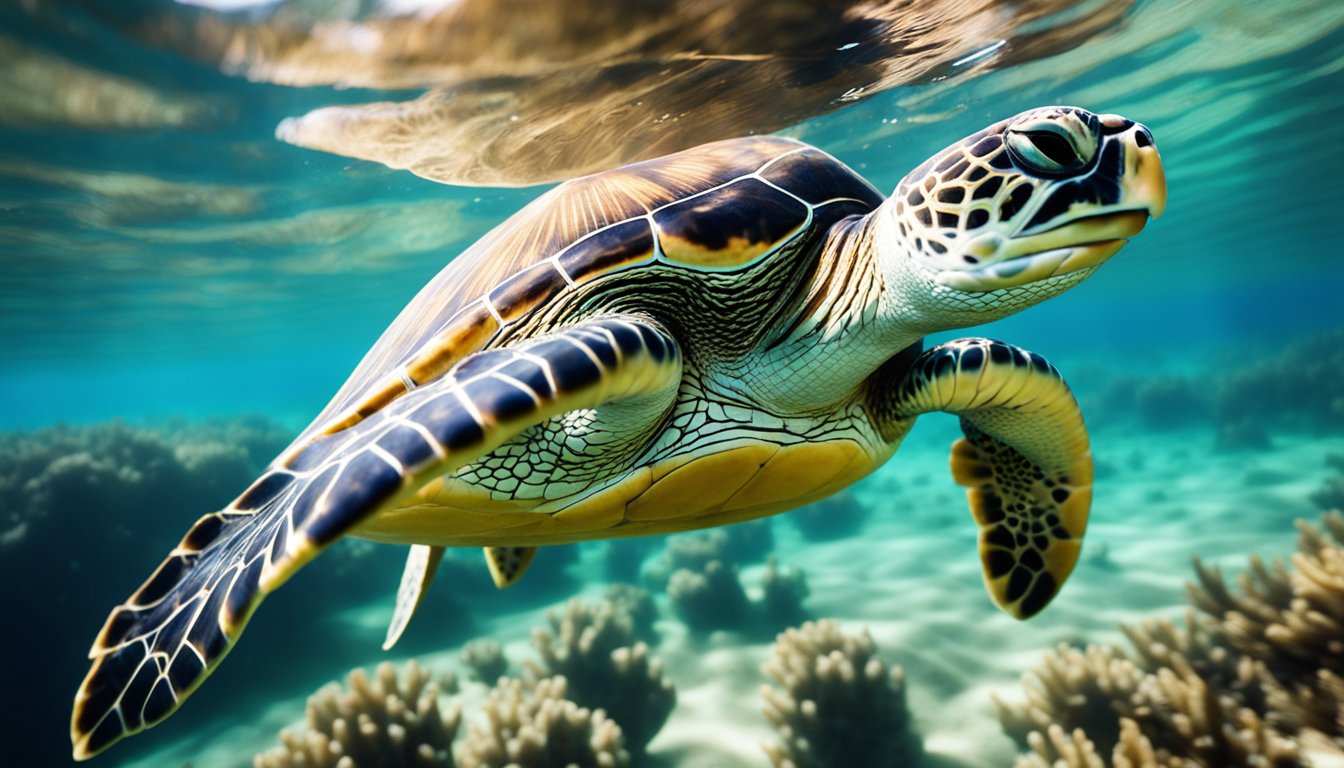
Imagine a creature, barely larger than your hand at birth, embarking on a solo journey across thousands of miles of open ocean. A journey fraught with peril, yet guided by an innate sense of direction so precise it would make the most seasoned human navigator envious. This isn't science fiction, but the incredible reality of sea turtles.
We often marvel at the vastness of the ocean, a seemingly endless expanse of water. But for sea turtles, this isn't a barrier, but a highway. How do these creatures, some no bigger than dinner plates, manage to navigate across such distances? How do they find their way back to the same nesting beaches where they were born, sometimes years or even decades later? The questions surrounding their navigational abilities are as deep and mysterious as the ocean itself.
This article aims to unravel the secrets behind how sea turtles navigate the ocean. We'll explore the fascinating science that helps them traverse these vast distances, from their ability to sense the Earth's magnetic field to the possibility of using other cues like the sun and even smell. Prepare to be amazed by the remarkable abilities of these ancient mariners.
Sea turtles navigate using a complex combination of senses, primarily their sensitivity to the Earth's magnetic field. This "magnetic map" allows them to determine their location and direction. They may also use other environmental cues such as the sun's position, wave direction, and even the unique scent of their natal beaches to find their way across vast ocean stretches. Their incredible journey is a testament to the power of instinct and adaptation.
The Earth's Magnetic Field: A Turtle's GPS
I remember the first time I saw a baby sea turtle hatch and scurry towards the ocean. It was on a beach in Costa Rica, and the sheer instinct driving that tiny creature was awe-inspiring. It knew exactly where to go, even though it had never seen the ocean before. That image sparked my curiosity about how they navigate.
The Earth's magnetic field provides a constant, invisible grid that turtles can sense. Think of it like a giant, global GPS system. They possess specialized cells in their brains that contain magnetite, a naturally magnetic mineral. These cells allow them to detect the angle and intensity of the magnetic field, providing them with information about their latitude and longitude. Experiments have shown that turtles can distinguish between different magnetic signatures, allowing them to pinpoint their location with surprising accuracy.
Olfactory Cues: The Scent of Home
Beyond the magnetic field, scientists believe that sea turtles might also use their sense of smell to find their way back home. Imagine each nesting beach possessing a unique "scent signature" composed of various organic compounds and minerals present in the water. These subtle differences, undetectable to humans, could act as olfactory landmarks for turtles.
The idea is that as hatchlings, they imprint on the specific scent of their natal beach. Years later, when they are ready to reproduce, they use this olfactory memory to guide them back to the very same stretch of sand. This theory is supported by studies showing that turtles can distinguish between water samples from different locations.
Solar Navigation: Following the Sun
While the magnetic field and olfactory cues play significant roles, the sun's position also likely contributes to a turtle's navigational abilities. Like sailors of old, turtles could use the sun as a compass, keeping track of its angle and movement throughout the day to maintain a general direction.
This form of navigation would require an internal clock, allowing the turtle to compensate for the sun's changing position. While the exact mechanisms are still being researched, it's plausible that turtles combine solar navigation with their magnetic sense to create a more robust and accurate navigational system.
The Mystery of Lost Turtles
Despite their remarkable navigational abilities, sea turtles sometimes get lost or disoriented. This can happen due to various factors, including human interference. Light pollution from coastal cities can confuse hatchlings, causing them to head inland instead of towards the ocean. Climate change and altered ocean currents can also disrupt their internal compass, leading them astray.
It's a stark reminder that while these creatures possess incredible instincts, they are also vulnerable to the impacts of human activity. Protecting their habitats and mitigating the effects of pollution and climate change is crucial to ensuring that future generations of sea turtles can continue their incredible journeys.
The Incredible Journey of Loggerhead Turtles
The loggerhead turtle's epic migration across the Pacific Ocean is one of the most well-documented examples of sea turtle navigation. Loggerheads born in Japan often migrate to the waters off Baja California, Mexico, a journey of over 6,000 miles. They spend several years feeding and growing in these nutrient-rich waters before eventually returning to Japan to breed.
This incredible round trip showcases the precision of their navigational abilities. Scientists believe they use a combination of magnetic cues, solar navigation, and possibly even ocean currents to complete this arduous journey. The fact that they can navigate such vast distances and find their way back to their natal beaches with such accuracy is truly remarkable.
Conservation Efforts: Protecting Their Highways
Understanding how sea turtles navigate is not just a scientific curiosity; it's crucial for their conservation. By identifying the critical habitats and migratory routes, we can implement measures to protect them from threats such as fishing gear entanglement, habitat destruction, and climate change.
For example, knowing that turtles rely on magnetic cues can inform the placement of underwater cables and structures that might interfere with their navigation. Similarly, understanding the importance of their natal beaches highlights the need for protecting these areas from development and pollution.
The Impact of Light Pollution
Light pollution is a serious threat to sea turtle hatchlings. Newly hatched turtles are instinctively drawn to the brightest light source, which, under natural conditions, would be the reflection of the moon on the ocean. However, artificial lights from coastal cities can disorient them, causing them to head inland, where they are vulnerable to predators and dehydration.
Efforts to reduce light pollution, such as using turtle-friendly lighting and shielding lights to direct them downwards, can significantly improve hatchling survival rates. This is a simple but effective way to help these incredible creatures navigate their way to the ocean.
Fun Facts About Sea Turtle Navigation
Did you know that sea turtles have been around for over 100 million years, navigating the oceans since the time of the dinosaurs? Or that some species can hold their breath for several hours, allowing them to dive deep in search of food?
Another fascinating fact is that sea turtles are incredibly loyal to their natal beaches. Females will often return to the very same stretch of sand where they were born to lay their eggs, even after decades of migrating across vast ocean distances. Their dedication to their birthplace is a testament to the power of instinct and memory.
How to Help Sea Turtles Navigate Safely
There are many ways that you can help sea turtles navigate safely. One of the most important is to reduce your use of single-use plastics. Plastic pollution is a major threat to sea turtles, as they can mistake plastic bags for jellyfish, one of their favorite foods. When they ingest plastic, it can block their digestive system and lead to starvation.
You can also support organizations that are working to protect sea turtle habitats and migratory routes. By donating or volunteering your time, you can help ensure that these incredible creatures continue to thrive in our oceans.
What If Sea Turtles Lost Their Ability to Navigate?
If sea turtles were to lose their ability to navigate, the consequences would be devastating. Their populations would plummet, as they would no longer be able to find their way to feeding grounds or breeding sites. This would have a ripple effect throughout the marine ecosystem, as sea turtles play a crucial role in maintaining the health of coral reefs and seagrass beds.
Furthermore, the loss of sea turtles would be a tragic loss for biodiversity. These ancient mariners are a vital part of our planet's natural heritage, and their survival is essential for the health of our oceans.
Top 5 Facts About Sea Turtle Navigation
Here's a quick listicle of the top 5 facts about sea turtle navigation:
- Sea turtles use the Earth's magnetic field to navigate.
- They may also use olfactory cues, such as the scent of their natal beaches.
- Solar navigation, using the sun as a compass, is another possible method.
- Light pollution can disorient hatchlings, leading them astray.
- Protecting their habitats and migratory routes is crucial for their survival.
Question and Answer Section
Q: How far can sea turtles migrate?
A: Some species, like loggerhead turtles, can migrate thousands of miles across entire oceans.
Q: Do all sea turtles return to the same beach where they were born?
A: While not every turtle returns to the exact same spot, females typically return to nest within a few kilometers of their natal beach.
Q: What are the biggest threats to sea turtle navigation?
A: Light pollution, habitat destruction, and climate change are among the biggest threats.
Q: Can humans help sea turtles navigate?
A: Yes, by reducing light pollution, cleaning up beaches, and supporting conservation efforts, we can help ensure that sea turtles can navigate safely.
Conclusion of How Sea Turtles Navigate the Ocean: An Incredible Journey
The navigational abilities of sea turtles are truly remarkable, showcasing the power of instinct, adaptation, and the intricate connection between these creatures and their environment. By understanding the science behind their journeys, we can better protect them and ensure that future generations can witness these incredible feats of navigation for years to come. Let's continue to marvel at these ancient mariners and work together to safeguard their oceanic highways.
0 Response to "How Sea Turtles Navigate the Ocean: An Incredible Journey"
Post a Comment