Endangered Marine Species: The Threats They Face and How to Help
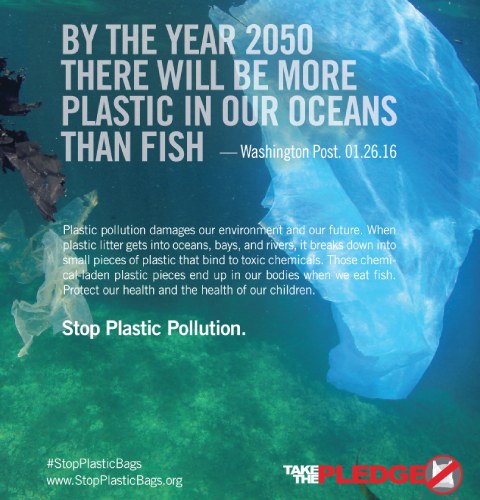
Imagine a world where the vibrant coral reefs are bleached and lifeless, the majestic whales are silent in the oceans, and the playful sea otters are nowhere to be found. This isn't a scene from a dystopian movie; it's a very real possibility if we don't take action to protect our endangered marine species.
We often hear about the plight of animals on land, but the crisis facing our oceans and the creatures that call it home is often overlooked. It's easy to feel disconnected from something we don't see every day, but the truth is, the health of our oceans is directly linked to our own well-being. The decline in marine life impacts our food supply, our climate, and the overall health of our planet. It's a complex issue with a wide range of contributing factors, leaving many feeling overwhelmed and unsure of how to make a difference.
This article aims to shed light on the threats faced by endangered marine species and, more importantly, provide actionable steps that each of us can take to help protect these magnificent creatures and their fragile ecosystems. We'll explore the major causes of endangerment, from pollution and overfishing to climate change and habitat destruction. We'll also delve into practical solutions, empowering you to become a champion for our oceans.
Our oceans are facing unprecedented challenges, pushing countless marine species towards extinction. Understanding the threats, from plastic pollution and destructive fishing practices to the devastating effects of climate change, is the first step. By making conscious choices in our daily lives, supporting sustainable initiatives, and advocating for change, we can all contribute to a brighter future for our oceans and the incredible creatures that inhabit them. Let's dive in and discover how we can make a real difference.
The Devastating Impact of Pollution
The ocean, for many years, felt like an endless void; I lived my early childhood in a village by the sea, where we would go fishing almost every day, but since my early teenage years, I have never been able to do so again. The water had been polluted so much that it was hard to spot a single fish. Now, I see the same thing happening worldwide, from the smallest algae to the largest whales; marine life suffers immensely from pollution. Plastic pollution, in particular, is a massive problem. Marine animals often mistake plastic debris for food, leading to starvation and death. Entanglement in plastic fishing gear is another major threat, causing injury, drowning, and suffocation. Chemical pollutants, such as pesticides and industrial waste, contaminate the water, poisoning marine life and disrupting their reproductive cycles. Oil spills can decimate entire ecosystems, smothering marine life and destroying habitats. We, as humans, need to reflect more on how the decisions we make can impact the future of marine life. Think about reducing your plastic consumption, properly disposing of waste, and supporting companies that prioritize sustainable practices. Our collective actions can make a real difference in reducing pollution and protecting marine species.
Overfishing: A Threat to Marine Ecosystems
Overfishing occurs when fish are caught at a rate faster than they can reproduce, leading to a decline in their populations. This disrupts the delicate balance of marine ecosystems, impacting not only the targeted fish species but also the animals that depend on them for food. Unsustainable fishing practices, such as bottom trawling, can destroy seafloor habitats, further exacerbating the problem. Certain fishing methods, like the use of dynamite, can also have devastating effects on coral reefs and other sensitive ecosystems. The consequences of overfishing are far-reaching, impacting food security, livelihoods, and the overall health of our oceans. To address overfishing, we need to promote sustainable fishing practices, implement stricter regulations, and support efforts to protect critical marine habitats. Consumers can also play a role by choosing seafood that is sustainably sourced and supporting businesses that prioritize responsible fishing practices.
Climate Change: A Rising Tide of Threats
The history of Endangered Marine Species and climate change is a long and complex one, intertwined with human activity and its impact on the planet. The myth of the ocean's endless capacity to absorb our waste and emissions has been shattered as we witness the devastating effects of climate change on marine ecosystems. Rising ocean temperatures are causing coral bleaching, forcing marine species to migrate, and disrupting food webs. Ocean acidification, caused by the absorption of excess carbon dioxide from the atmosphere, is making it difficult for shellfish and other marine organisms to build and maintain their shells. Sea-level rise is inundating coastal habitats, threatening the survival of species that depend on them. Climate change is not just a future threat; it's a present reality that is already impacting marine life in profound ways. We need to take urgent action to reduce greenhouse gas emissions and mitigate the effects of climate change on our oceans.
Hidden Secrets of Ocean Acidification
The hidden secret of ocean acidification lies in its seemingly invisible nature and its far-reaching consequences. While we can see the plastic pollution accumulating on our beaches, the silent threat of ocean acidification is often overlooked. This process, driven by the absorption of excess carbon dioxide from the atmosphere, is altering the chemistry of our oceans, making it more difficult for marine organisms to build and maintain their shells. Coral reefs, shellfish, and plankton are particularly vulnerable to the effects of ocean acidification. These organisms play crucial roles in marine ecosystems, providing food and habitat for countless other species. The decline of these organisms can have cascading effects throughout the food web, disrupting the balance of the entire ecosystem. Ocean acidification is a complex problem that requires a multifaceted approach, including reducing greenhouse gas emissions, restoring coastal habitats, and supporting research to better understand and mitigate its effects.
Recommendations for Protecting Marine Life
Protecting endangered marine species requires a multifaceted approach, encompassing individual actions, community initiatives, and policy changes. Here are some recommendations: Reduce your plastic consumption by choosing reusable alternatives, properly disposing of waste, and supporting businesses that minimize plastic packaging. Support sustainable seafood choices by choosing seafood that is certified by organizations like the Marine Stewardship Council (MSC). Reduce your carbon footprint by conserving energy, using public transportation, and supporting renewable energy sources. Advocate for stronger environmental policies that protect marine habitats and regulate fishing practices. Support organizations that are working to protect marine species and their habitats through research, conservation, and education. By taking these actions, we can collectively make a significant difference in protecting our oceans and the incredible creatures that inhabit them.
Reducing Your Environmental Impact
The first step in protecting marine life is to reduce your personal environmental impact. This can be achieved through simple lifestyle changes that, when adopted by many, can have a significant cumulative effect. Start by reducing your plastic consumption. Choose reusable water bottles, shopping bags, and food containers. Avoid single-use plastics whenever possible. Properly dispose of your waste and participate in local cleanup efforts. Reduce your carbon footprint by conserving energy at home, using public transportation or cycling instead of driving, and supporting renewable energy sources. Be mindful of the products you use and choose eco-friendly alternatives whenever possible. By making these small changes, you can reduce your contribution to pollution and help protect marine ecosystems.
Sustainable Seafood Choices
One of the most impactful ways to help endangered marine species is by making informed and sustainable seafood choices. Overfishing is a major threat to marine ecosystems, but by choosing seafood that is sustainably sourced, we can help reduce the pressure on vulnerable fish populations. Look for seafood that is certified by organizations like the Marine Stewardship Council (MSC) or the Aquaculture Stewardship Council (ASC). These certifications ensure that the seafood comes from fisheries that are managed responsibly and sustainably. Be aware of the different fishing methods and their impact on the environment. Avoid seafood that is caught using destructive methods like bottom trawling. Consider choosing smaller, more abundant fish species that are lower on the food chain. By making sustainable seafood choices, you can support responsible fishing practices and help protect marine ecosystems.
Supporting Marine Conservation Organizations
There are many dedicated organizations working tirelessly to protect marine species and their habitats. By supporting these organizations, you can help fund vital research, conservation efforts, and education programs. Donate to reputable organizations that align with your values. Volunteer your time and skills to support their work. Participate in fundraising events and spread awareness about their mission. By supporting marine conservation organizations, you can contribute to the ongoing efforts to protect our oceans and the incredible creatures that call them home.
Fun Facts About Endangered Marine Species
Did you know that sea otters hold hands while they sleep to prevent drifting apart? Or that whale sharks are the largest fish in the world, but they feed on tiny plankton? The ocean is full of fascinating and unique creatures, and many of them are facing extinction due to human activities. Learning about these amazing animals can help inspire us to take action to protect them. For example, the vaquita, a small porpoise found only in the Gulf of California, is the most endangered marine mammal in the world, with only a few individuals remaining. The hawksbill sea turtle, known for its beautiful shell, is critically endangered due to habitat destruction and poaching. By learning about these species and the threats they face, we can become more informed and passionate advocates for their protection.
How to Advocate for Change
Advocating for change is a powerful way to protect endangered marine species. Contact your elected officials and urge them to support policies that protect marine habitats and regulate fishing practices. Sign petitions and participate in public demonstrations to raise awareness about marine conservation issues. Educate your friends and family about the threats facing our oceans and encourage them to take action. Support businesses that are committed to sustainability and responsible environmental practices. By making your voice heard, you can help influence policy decisions and create a more sustainable future for our oceans.
What If We Do Nothing?
If we do nothing to protect endangered marine species, the consequences will be devastating. Marine ecosystems will continue to decline, leading to the loss of biodiversity and the collapse of food webs. The ocean's ability to regulate climate and absorb carbon dioxide will be compromised. Food security will be threatened, impacting communities that depend on seafood for sustenance. The beauty and wonder of the ocean will be diminished, robbing future generations of the opportunity to experience its richness and diversity. The time to act is now. We cannot afford to wait any longer to protect our oceans and the incredible creatures that inhabit them.
List of Actions You Can Take Today
Here's a list of actionable steps you can take today to help protect endangered marine species: Reduce your plastic consumption. Choose sustainable seafood. Conserve energy. Reduce your carbon footprint. Support marine conservation organizations. Educate yourself and others about marine conservation issues. Advocate for stronger environmental policies. Participate in local cleanup efforts. Make informed purchasing decisions. By taking these actions, you can make a real difference in protecting our oceans and the incredible creatures that call them home.
Question and Answer
Q: What is the biggest threat to marine life?
A: The biggest threat is a combination of factors, including pollution (especially plastic), overfishing, and climate change, all driven by human activity.
Q: How can I make a difference in protecting marine species?
A: You can make a difference by reducing your plastic consumption, choosing sustainable seafood, conserving energy, supporting marine conservation organizations, and advocating for change.
Q: What are some examples of endangered marine species?
A: Examples include the vaquita, hawksbill sea turtle, blue whale, and various species of coral.
Q: Why is it important to protect marine ecosystems?
A: Protecting marine ecosystems is crucial for maintaining biodiversity, regulating climate, ensuring food security, and preserving the beauty and wonder of the ocean for future generations.
Conclusion of Endangered Marine Species: The Threats They Face and How to Help
The future of our oceans and the marine species that inhabit them is in our hands. By understanding the threats they face and taking action in our daily lives, we can create a more sustainable and healthy future for our oceans. Let's work together to protect these magnificent creatures and ensure that future generations can enjoy the beauty and wonder of the marine world. It's not just about saving the animals; it's about saving ourselves.
0 Response to "Endangered Marine Species: The Threats They Face and How to Help"
Post a Comment