How Animals Help Humans: From Service Dogs to Therapy Pets
Have you ever felt an inexplicable wave of comfort wash over you simply by being near an animal? That gentle nudge of a wet nose, the soft purr resonating against your chest, or the unwavering gaze of a loyal canine companion – these are more than just fleeting moments of affection. They are glimpses into a profound and often underestimated connection between humans and animals, a connection that extends far beyond simple companionship.
Many of us experience periods of loneliness, stress, or even physical limitations that can significantly impact our quality of life. Finding effective strategies to cope with these challenges can sometimes feel like an uphill battle. We yearn for support, for a sense of calm, and for a connection that transcends the everyday struggles we face.
This blog post explores the incredible ways animals contribute to our well-being, from the highly trained service dogs assisting individuals with disabilities to the comforting presence of therapy pets easing anxiety and promoting healing. We'll delve into the science behind this remarkable bond and uncover the diverse roles animals play in enhancing our physical, emotional, and mental health.
From service dogs providing independence to individuals with disabilities, to therapy animals offering emotional support and companionship, animals significantly enhance our lives. We'll explore the scientific basis behind this human-animal bond and its multifaceted benefits. Join us as we uncover the remarkable ways animals help humans, touching on key aspects like assistance animals, emotional support, and the profound impact of animal companionship on our overall well-being.
The Unconditional Love of a Therapy Pet
I'll never forget visiting my grandmother in the nursing home. She had always been a vibrant, independent woman, but Alzheimer's had slowly stolen her memories and her spark. She became withdrawn and often agitated. Then, one day, a volunteer brought in a golden retriever named Buddy as part of a therapy dog program. The change was immediate. My grandmother, who hadn't spoken much in weeks, reached out a trembling hand and gently stroked Buddy's fur. A soft smile touched her lips, and for a brief moment, the familiar twinkle returned to her eyes. Buddy simply sat patiently, soaking in the affection. That simple interaction brought a wave of joy and peace to my grandmother that medicine couldn't replicate.
Therapy animals, like Buddy, provide comfort and companionship to individuals in hospitals, nursing homes, schools, and even disaster areas. Their presence can reduce anxiety, lower blood pressure, and stimulate social interaction. Unlike service animals, therapy animals are not trained to perform specific tasks, but rather to offer affection and emotional support to those in need. The gentle nature and non-judgmental presence of a therapy animal can create a safe space for individuals to open up and connect, fostering feelings of calm and well-being. Studies have shown that interacting with therapy animals can release endorphins, the body's natural mood boosters, leading to improved emotional and mental health. The unique ability of these animals to connect with humans on a deep, emotional level makes them invaluable partners in promoting healing and enhancing quality of life.
What Exactly are Service Animals?
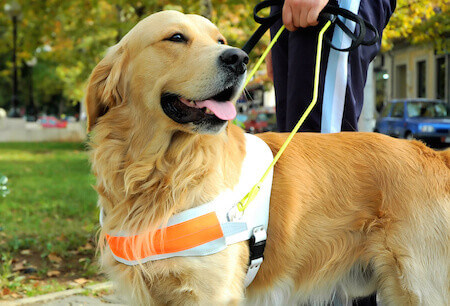
Service animals are more than just well-trained pets; they are highly skilled assistants specifically trained to perform tasks for individuals with disabilities. These tasks can range from guiding the visually impaired and alerting the hearing impaired to providing physical support and detecting medical conditions. The key difference between a service animal and a therapy animal lies in their training and the specific tasks they perform. Service animals are legally recognized and protected under the Americans with Disabilities Act (ADA), granting them access to public places where pets are typically prohibited. This access is crucial for enabling individuals with disabilities to live more independent and fulfilling lives.
The training process for service animals is rigorous and can take up to two years. They undergo extensive socialization and obedience training, followed by specialized training tailored to the specific needs of their handler. For example, a service dog for someone with diabetes might be trained to detect changes in blood sugar levels and alert the individual before they experience a dangerous episode. The unwavering dedication and specialized skills of service animals empower individuals with disabilities to overcome challenges and participate more fully in society. Their presence provides not only physical assistance but also emotional support and a sense of security, transforming lives in profound ways. The bond between a service animal and its handler is one of deep trust and mutual reliance, a testament to the remarkable potential of the human-animal connection.
A Historical Glimpse: Animals as Healers and Helpers
The notion of animals assisting humans is far from new. Throughout history, animals have played vital roles in our lives, often extending beyond companionship. Ancient civilizations revered animals for their healing properties and believed in their spiritual connection to the natural world. In ancient Greece, dogs were associated with Asclepius, the god of medicine, and were believed to lick wounds to promote healing. Indigenous cultures around the world have long recognized the therapeutic power of animals, incorporating them into healing rituals and ceremonies. Horses, in particular, have a long history of being used for therapeutic purposes, dating back to ancient times. Hippotherapy, a form of therapy that utilizes the movement of a horse, has been shown to improve balance, coordination, and muscle strength.
The formal recognition of animal-assisted therapy as a distinct field emerged in the mid-20th century, largely thanks to the work of Boris Levinson, a child psychologist who observed the positive impact of his dog, Jingles, on his patients. Levinson's observations paved the way for further research into the therapeutic benefits of animals, leading to the development of various animal-assisted therapy programs and the recognition of service animals as essential aids for individuals with disabilities. From ancient beliefs to modern scientific research, the understanding of the profound ways animals can contribute to our well-being has evolved over time, highlighting the enduring power of the human-animal bond.
Unlocking the Secrets: The Science Behind the Bond
The connection we feel with animals is not merely sentimental; it is rooted in biological and psychological mechanisms. Studies have shown that interacting with animals can trigger the release of oxytocin, often referred to as the "love hormone," which promotes feelings of bonding, trust, and relaxation. Oxytocin also helps to reduce levels of cortisol, the stress hormone, leading to a decrease in anxiety and a sense of calm. Furthermore, interacting with animals can stimulate the release of endorphins, the body's natural pain relievers and mood boosters, contributing to an overall sense of well-being.
The therapeutic benefits of animals extend beyond hormonal responses. Animals provide a sense of unconditional acceptance and non-judgmental companionship, which can be particularly valuable for individuals struggling with mental health issues. Their presence can reduce feelings of loneliness and isolation, fostering a sense of connection and belonging. Animals also provide opportunities for social interaction, encouraging individuals to engage with others and build meaningful relationships. For children with autism spectrum disorder, interacting with animals can improve social skills, communication, and emotional regulation. The science behind the human-animal bond is complex and multifaceted, but the evidence clearly demonstrates the profound impact animals can have on our physical, emotional, and mental health.
Recommendations: Choosing the Right Animal Helper
When considering the role of animals in your life, it's crucial to understand the distinctions between service animals, therapy animals, and emotional support animals (ESAs). Service animals, as mentioned earlier, are specifically trained to perform tasks for individuals with disabilities and are legally protected under the ADA. Therapy animals provide comfort and companionship in therapeutic settings, but they do not have the same legal protections as service animals. Emotional support animals, on the other hand, provide emotional support to individuals with mental health conditions through their presence and companionship. While ESAs are not trained to perform specific tasks, they may be protected under the Fair Housing Act, allowing them to live with their owners even in housing that typically prohibits pets.
If you are considering obtaining a service animal, it's essential to work with a reputable organization that specializes in training and placing these animals. These organizations can ensure that the animal is properly trained to meet your specific needs and that you receive the necessary support and guidance to work effectively as a team. For therapy animals, it's important to ensure that the animal is well-suited for the role, with a calm and gentle temperament. Therapy animal programs typically require animals to undergo temperament testing and training to ensure they are safe and effective in therapeutic settings. Whether you are seeking a service animal, a therapy animal, or an ESA, it's crucial to carefully consider your needs and to choose an animal that is a good fit for your lifestyle and personality.
The Importance of Responsible Pet Ownership
While the benefits of animal companionship are undeniable, responsible pet ownership is paramount. This includes providing proper nutrition, exercise, and veterinary care for your animal. It also means ensuring that your animal is well-socialized and trained, and that you are prepared to meet their emotional and behavioral needs. Responsible pet ownership is not only essential for the well-being of your animal, but also for the safety and well-being of the community. Unsocialized or poorly trained animals can pose a risk to others, and neglecting an animal's basic needs can have serious consequences.
Furthermore, it's important to be mindful of the potential impact of pet ownership on the environment. Pet waste can contribute to water pollution, and the production of pet food can have a significant carbon footprint. By making conscious choices about pet food, waste disposal, and other aspects of pet care, we can minimize our environmental impact and ensure a more sustainable future for both humans and animals. Responsible pet ownership is a commitment to providing a loving and supportive home for an animal, while also being mindful of the broader impact of our choices on the community and the environment. It is a responsibility that should be taken seriously, as it is essential for ensuring the well-being of both humans and animals.
Tips for Strengthening Your Bond with Your Animal
Building a strong bond with your animal is essential for maximizing the benefits of your relationship. Spending quality time with your animal, engaging in activities they enjoy, and providing positive reinforcement are all crucial for fostering a deep connection. Regular grooming sessions, playdates, and training sessions can provide opportunities for bonding and strengthen the lines of communication between you and your animal. Pay attention to your animal's body language and cues, as this can help you better understand their needs and emotions. A strong bond is built on mutual trust, respect, and understanding.
Furthermore, it's important to create a safe and comfortable environment for your animal. Provide them with a cozy bed, plenty of fresh water, and access to outdoor spaces where they can explore and exercise. Avoid exposing your animal to stressful or frightening situations, and always treat them with kindness and compassion. A happy and healthy animal is more likely to be a loving and supportive companion. By investing time and effort in building a strong bond with your animal, you can create a relationship that is mutually beneficial and enriching.
The Power of Positive Reinforcement in Training
Positive reinforcement is a highly effective method for training animals, as it focuses on rewarding desired behaviors rather than punishing unwanted ones. This approach creates a positive and enjoyable learning environment, strengthening the bond between you and your animal. When using positive reinforcement, it's important to identify what motivates your animal, whether it's treats, toys, or praise. When your animal performs a desired behavior, immediately reward them with their chosen motivator. This helps them associate the behavior with a positive outcome, making them more likely to repeat it in the future.
Consistency is also crucial when using positive reinforcement. Use clear and consistent commands, and reward your animal every time they perform the desired behavior correctly. Avoid using punishment, as this can create fear and anxiety, damaging your relationship and hindering the learning process. Positive reinforcement is not only effective for training animals, but it also fosters a sense of trust and cooperation, creating a stronger and more harmonious relationship. By focusing on rewarding good behavior, you can help your animal reach their full potential and strengthen the bond between you.
Fun Facts About Animals and Their Healing Abilities
Did you know that cats purr at a frequency that promotes bone and tissue healing? Or that simply petting a dog can lower your blood pressure and reduce stress? Animals possess a remarkable array of healing abilities, both physical and emotional. Horses, for example, have been shown to help individuals with PTSD process trauma and improve emotional regulation. The rhythmic movement of riding a horse can be incredibly therapeutic, promoting relaxation and reducing anxiety. Dolphins, known for their intelligence and playfulness, have been used in dolphin-assisted therapy programs to help children with autism spectrum disorder improve social skills and communication. The gentle and non-judgmental nature of dolphins can create a safe and engaging environment for these children, fostering positive interactions and promoting emotional growth.
Even the simple act of watching fish swim in an aquarium can have a calming effect, reducing stress and promoting relaxation. Animals possess a unique ability to connect with humans on a deep, emotional level, providing comfort, companionship, and a sense of well-being. Their presence can have a profound impact on our physical, emotional, and mental health, making them invaluable partners in promoting healing and enhancing quality of life. From the purring of a cat to the playful antics of a dolphin, animals offer a multitude of healing gifts that enrich our lives in countless ways.
How to Get Involved in Animal-Assisted Therapy
If you are passionate about animals and want to make a difference in the lives of others, consider getting involved in animal-assisted therapy. There are many ways to contribute, whether you have a well-behaved pet or simply want to volunteer your time. If you have a pet that you believe would be a good therapy animal, start by researching local therapy animal organizations and learning about their requirements for certification. These organizations typically require animals to undergo temperament testing and training to ensure they are safe and effective in therapeutic settings. If you don't have a pet, you can still volunteer your time at a local animal shelter or rescue organization.
These organizations often need volunteers to walk dogs, play with cats, and provide general care for the animals. Volunteering at an animal shelter can be a rewarding experience, providing you with an opportunity to interact with animals and make a positive impact on their lives. You can also consider donating to animal-assisted therapy organizations or supporting research into the therapeutic benefits of animals. By getting involved in animal-assisted therapy, you can help bring the healing power of animals to those in need, enriching their lives and promoting their well-being. Whether you have a pet to share or simply want to volunteer your time, there are many ways to contribute to this valuable field.
What If We Didn't Have Animals to Help Us?
Imagine a world without the comforting presence of animals. A world where service dogs no longer guide the visually impaired, therapy pets no longer offer solace to the sick and lonely, and emotional support animals no longer provide comfort to those struggling with mental health issues. The absence of animals in our lives would have a profound impact on our well-being, both individually and collectively. Individuals with disabilities would face increased challenges in navigating the world and achieving independence. The sick and elderly would experience greater loneliness and isolation. Those struggling with mental health issues would lack the emotional support and companionship they so desperately need.
Our communities would become less vibrant and compassionate, as the healing power of animals would be lost. The absence of animals would also have a significant impact on our understanding of ourselves and our relationship to the natural world. Animals teach us valuable lessons about empathy, compassion, and unconditional love. They remind us of our connection to all living things and inspire us to be more mindful of our impact on the environment. A world without animals would be a world diminished in countless ways, lacking the healing power, the unconditional love, and the profound connection to nature that animals provide.
Listicle: Top 5 Ways Animals Improve Our Lives
- Reduce Stress and Anxiety: Petting an animal releases endorphins, promoting relaxation and reducing stress levels.
- Provide Companionship: Animals offer unconditional love and companionship, combating loneliness and isolation.
- Improve Physical Health: Owning a pet encourages physical activity, leading to improved cardiovascular health and overall fitness.
- Enhance Social Interaction: Animals can serve as social catalysts, facilitating connections with others and promoting community engagement.
- Offer Therapeutic Benefits: Service animals assist individuals with disabilities, while therapy animals provide comfort and support in therapeutic settings.
These are just a few of the many ways animals improve our lives. From providing emotional support to assisting with physical tasks, animals play a vital role in enhancing our well-being and enriching our communities. By recognizing and appreciating the profound impact of animals on our lives, we can work towards creating a world where both humans and animals thrive.
Question and Answer Section
Q: What is the difference between a service animal and an emotional support animal?
A: Service animals are trained to perform specific tasks for individuals with disabilities and are legally protected under the ADA. Emotional support animals provide comfort and support to individuals with mental health conditions but are not trained to perform specific tasks and do not have the same legal protections as service animals.
Q: How can I get my pet certified as a therapy animal?
A: Contact a reputable therapy animal organization in your area and inquire about their certification process. Your pet will typically need to undergo temperament testing and training to ensure they are safe and effective in therapeutic settings.
Q: What are the benefits of animal-assisted therapy?
A: Animal-assisted therapy can reduce stress and anxiety, improve social interaction, enhance physical health, and promote emotional well-being.
Q: How can I support animal-assisted therapy programs?
A: You can volunteer your time at a local animal shelter or rescue organization, donate to animal-assisted therapy organizations, or support research into the therapeutic benefits of animals.
Conclusion of How Animals Help Humans: From Service Dogs to Therapy Pets
The bond between humans and animals is a powerful and multifaceted one, offering a wide range of benefits for both parties. From service dogs providing independence to individuals with disabilities to therapy pets offering comfort and companionship, animals enrich our lives in countless ways. By understanding the diverse roles animals play in our society and appreciating the profound impact they have on our well-being, we can foster a more compassionate and harmonious world for both humans and animals.
0 Response to "How Animals Help Humans: From Service Dogs to Therapy Pets"
Post a Comment