How Animal Conservation Programs Are Saving Species from Extinction
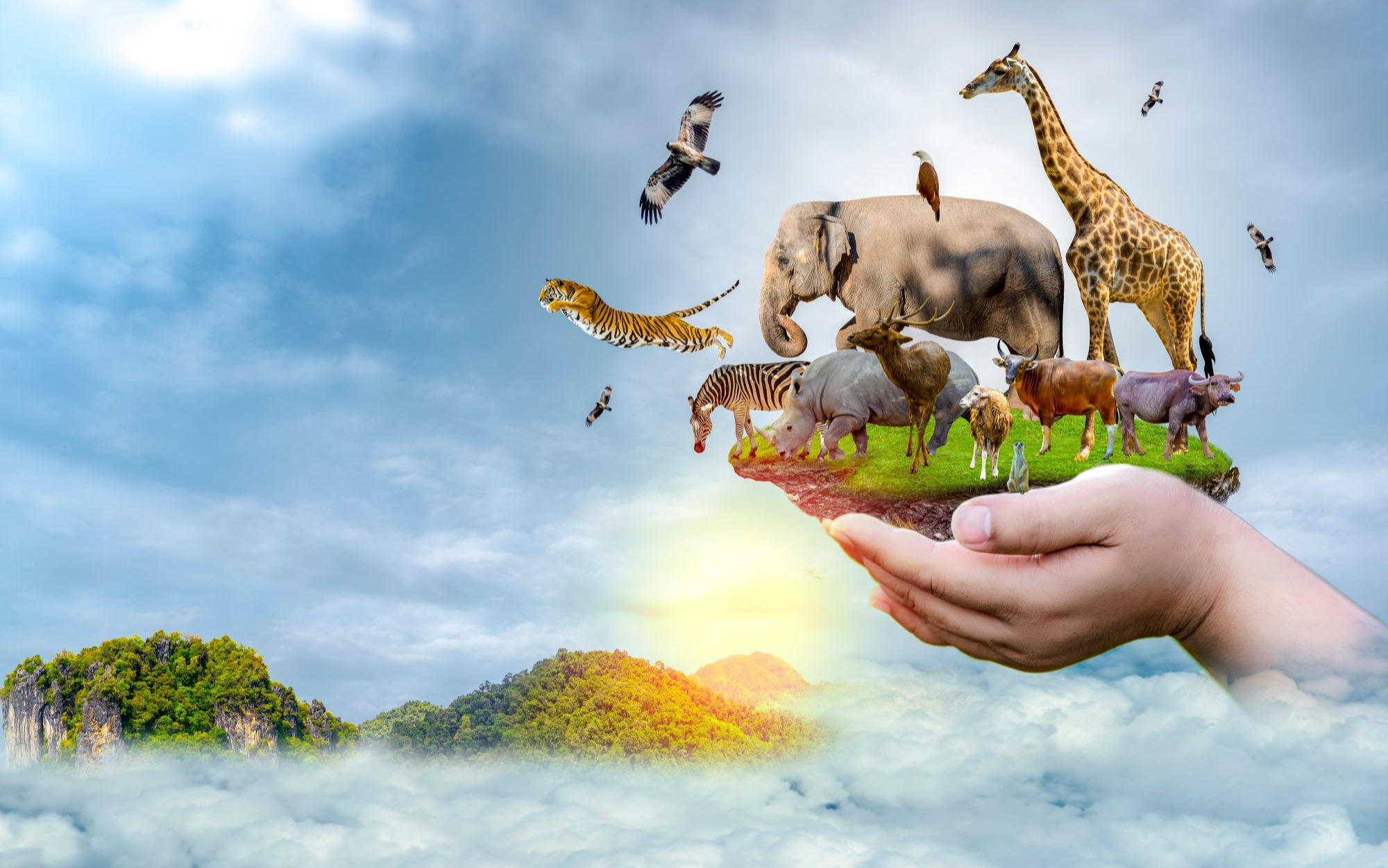
Imagine a world without the majestic roar of a lion, the playful splash of a sea otter, or the soaring flight of a bald eagle. A world where these incredible creatures exist only in pictures and stories. Sadly, this is the reality many species face today, teetering on the brink of extinction.
The relentless destruction of habitats, the scourge of poaching, and the increasingly evident impacts of climate change have placed immense pressure on animal populations worldwide. It's easy to feel overwhelmed by the scale of the problem, to wonder if anything can truly be done to reverse this alarming trend. The future of many iconic species hangs in the balance, threatened by forces seemingly beyond our control.
Fortunately, there's hope. Dedicated individuals and organizations across the globe are working tirelessly to safeguard our planet's biodiversity through comprehensive animal conservation programs. These initiatives, ranging from habitat restoration to anti-poaching patrols and captive breeding programs, are proving that extinction is not inevitable. Through science-based strategies, community engagement, and unwavering commitment, conservationists are making a tangible difference, pulling species back from the abyss and paving the way for a more sustainable future.
This article will explore the vital role of animal conservation programs in saving species from extinction. We'll delve into various strategies employed, examine success stories, and highlight the ongoing challenges. By understanding the complexities of conservation and the impact of these programs, we can appreciate the importance of supporting these efforts and contributing to a world where wildlife thrives alongside humanity. We’ll explore habitat preservation, anti-poaching efforts, breeding programs, community involvement, and the critical research that informs conservation strategies.
The Power of Habitat Restoration
I remember visiting Yellowstone National Park as a child and being mesmerized by the vast, untouched wilderness. To me, it seemed like a place where wildlife could thrive indefinitely. However, the reality is that even protected areas like Yellowstone require active management to maintain healthy ecosystems. Habitat restoration plays a critical role in this. It wasn't until I learned more about the reintroduction of wolves to Yellowstone that I truly understood the power of restoring a damaged ecosystem. The wolves, once eradicated, helped to control elk populations, allowing vegetation to recover and, in turn, benefiting a wide range of other species.
Habitat restoration involves actively intervening to repair damaged or degraded ecosystems. This can take many forms, from replanting native vegetation to removing invasive species and restoring waterways. The goal is to recreate the conditions that allow native wildlife to flourish. A key aspect of this work is often focused on keystone species. These species play a disproportionately large role in maintaining the structure and function of an ecosystem. For example, beavers are considered keystone species because their dam-building activities create wetlands that provide habitat for a wide array of other animals. When beavers are removed, the entire ecosystem suffers. Conservation efforts often focus on restoring keystone species populations to initiate a cascading effect of positive change throughout the ecosystem. The effects of climate change are also increasingly impacting the need for habitat restoration. As temperatures rise and rainfall patterns shift, ecosystems are becoming stressed and vulnerable. Restoration efforts are now incorporating climate resilience strategies, such as planting drought-resistant species and creating buffer zones to protect against sea-level rise. Habitat restoration is not simply about returning an ecosystem to its original state; it’s about creating resilient ecosystems that can adapt to the challenges of the future, safeguarding biodiversity for generations to come.
Combating Poaching: A Frontline Battle
Poaching remains a significant threat to many endangered species, driven by the illegal wildlife trade. Rhinos, elephants, tigers, and pangolins are just a few of the animals targeted for their horns, tusks, skins, and scales. The demand for these products fuels a lucrative black market that operates across borders, undermining conservation efforts and threatening the very survival of these species. Anti-poaching efforts are therefore a critical component of animal conservation. These efforts often involve a combination of strategies, including law enforcement, community engagement, and technological innovation.
Ranger patrols are a common sight in protected areas, tasked with detecting and deterring poachers. These rangers often work in harsh conditions, facing dangerous situations to protect wildlife. They are the frontline of the conservation battle. Technology is also playing an increasingly important role in anti-poaching efforts. Drones equipped with thermal cameras can be used to monitor large areas and detect poachers in real-time. GPS tracking devices can be attached to animals to monitor their movements and detect any suspicious activity. DNA forensics are also being used to trace the origins of poached wildlife products, helping to identify and prosecute poachers. Community engagement is another crucial aspect of anti-poaching. Local communities often bear the brunt of the negative impacts of poaching, such as the loss of livestock and the increased risk of human-wildlife conflict. By involving communities in conservation efforts, they can become active partners in protecting wildlife. This can involve providing alternative livelihoods, such as ecotourism, and empowering communities to monitor and report poaching activity. Addressing the demand for illegal wildlife products is also essential to combating poaching. This requires international cooperation to crack down on trafficking networks and raise awareness among consumers about the devastating impacts of the wildlife trade. By tackling poaching on multiple fronts, conservationists can significantly reduce the threat to endangered species.
The History and Myths Surrounding Conservation
The concept of wildlife conservation is not new. Indigenous communities have long practiced sustainable hunting and resource management, recognizing the importance of maintaining healthy ecosystems. However, the modern conservation movement emerged in the late 19th and early 20th centuries, driven by concerns about the declining populations of iconic species like the bison and the passenger pigeon. Early conservation efforts were often focused on protecting game species for hunting, but gradually evolved to encompass a broader range of species and ecosystems.
One common myth surrounding conservation is that it is solely the responsibility of governments and conservation organizations. While these entities play a crucial role, conservation is everyone's responsibility. Individual actions, such as reducing our carbon footprint, supporting sustainable businesses, and avoiding the purchase of illegal wildlife products, can collectively make a significant difference. Another myth is that conservation is solely about protecting animals. In reality, conservation is about protecting entire ecosystems, including the plants, animals, and microorganisms that make up those ecosystems. Healthy ecosystems provide a wide range of benefits to humans, including clean air and water, pollination, and climate regulation. Protecting biodiversity is therefore essential for our own well-being. Finally, there's a misconception that conservation is always about preserving the status quo. Ecosystems are dynamic and constantly changing, and conservation efforts must be adaptive and responsive to these changes. This may involve actively managing ecosystems to promote resilience in the face of climate change or other threats. By dispelling these myths and promoting a more nuanced understanding of conservation, we can build broader support for these vital efforts.
Unveiling the Secrets of Successful Programs
What makes a conservation program truly successful? It's rarely a single factor but rather a combination of elements working in harmony. One of the most important is a strong scientific foundation. Conservation strategies should be based on the best available scientific evidence, taking into account the ecology of the species, the threats it faces, and the effectiveness of different interventions. This requires ongoing research and monitoring to adapt strategies as needed.
Another key element is community involvement. Conservation programs are far more likely to succeed when local communities are actively engaged and benefit from the efforts. This can involve providing alternative livelihoods, such as ecotourism, empowering communities to participate in decision-making, and ensuring that they have access to the resources they need to manage their own land sustainably. Effective communication is also essential. Conservation programs need to be able to communicate their goals, strategies, and successes to a wide range of audiences, including the public, policymakers, and donors. This requires clear and compelling messaging, as well as the ability to build trust and relationships with stakeholders. Finally, long-term commitment is crucial. Conservation is not a quick fix, and many species require decades of dedicated effort to recover. This requires stable funding, strong leadership, and a willingness to persevere through challenges. Successful conservation programs are those that are able to adapt to changing circumstances, learn from their mistakes, and maintain a long-term vision for the future. It's not always about headline-grabbing moments, but the consistent, dedicated effort that gradually shifts the balance in favor of wildlife.
Recommendations for Supporting Conservation
Feeling inspired to help save endangered species? There are many ways to contribute, no matter your background or resources. One of the simplest is to support conservation organizations. Many reputable organizations are working tirelessly to protect wildlife and their habitats. Do your research to find organizations that align with your values and donate to their cause. Even small contributions can make a big difference.
Another way to support conservation is to make sustainable choices in your daily life. Reduce your carbon footprint by using public transportation, conserving energy, and eating less meat. Avoid purchasing products made from endangered species, and support businesses that are committed to sustainability. You can also educate yourself and others about conservation issues. Share information with your friends and family, and advocate for policies that protect wildlife and their habitats. Get involved in local conservation efforts. Volunteer your time at a local park, wildlife refuge, or conservation organization. Participate in citizen science projects, such as monitoring bird populations or tracking wildlife movements. By taking action at the local level, you can make a tangible difference in your community. Finally, consider visiting wildlife destinations responsibly. Ecotourism can provide a valuable source of funding for conservation efforts, but it's important to choose tour operators that are committed to sustainability and respect for wildlife. By supporting responsible tourism, you can help to protect wildlife and their habitats while also experiencing the wonders of nature firsthand. It's about making conscious choices that benefit both people and the planet.
The Interconnectedness of Ecosystems
Ecosystems aren't isolated entities; they are intricately connected webs of life. The health of one ecosystem can have a ripple effect on others, highlighting the importance of a holistic approach to conservation. Consider the example of migratory birds. Many bird species rely on multiple habitats throughout their annual cycle, breeding in one region, wintering in another, and stopping over in intermediate locations to refuel. Protecting these birds requires conserving habitat across their entire migratory range, which can span thousands of miles and multiple countries. This necessitates international cooperation and coordinated conservation efforts. Similarly, deforestation in one region can have far-reaching consequences for climate change, impacting ecosystems worldwide. Forests play a critical role in absorbing carbon dioxide from the atmosphere, and when they are cleared, this carbon is released, contributing to global warming. Climate change, in turn, can disrupt ecosystems, leading to habitat loss, species extinctions, and other negative impacts. Recognizing the interconnectedness of ecosystems is crucial for effective conservation. It requires us to think beyond political boundaries and focus on protecting the ecological processes that sustain life on Earth. This includes addressing the root causes of environmental degradation, such as unsustainable consumption patterns, and promoting policies that support biodiversity and ecosystem health.
Tips for Living a Wildlife-Friendly Life
Want to make a positive impact on wildlife conservation without drastically changing your lifestyle? It's easier than you think! Small, everyday choices can add up to significant benefits for animals and their habitats. Start by being mindful of your consumption habits. Reduce your reliance on single-use plastics, which can end up polluting oceans and harming marine life. Choose products with minimal packaging, and recycle whenever possible. Support companies that are committed to sustainability and ethical sourcing. When shopping for food, opt for locally grown and organic produce. This reduces your carbon footprint and supports farmers who are using sustainable agricultural practices. Avoid products that are derived from endangered species, such as ivory or exotic leathers.
Create a wildlife-friendly garden. Plant native trees, shrubs, and flowers that provide food and shelter for birds, butterflies, and other pollinators. Avoid using pesticides and herbicides, which can harm beneficial insects and other wildlife. Provide a source of water for animals, such as a bird bath or a small pond. Be a responsible pet owner. Keep your cats indoors to prevent them from preying on birds and other wildlife. Leash your dogs when walking in natural areas to avoid disturbing wildlife. Dispose of pet waste properly to prevent pollution. Advocate for wildlife-friendly policies. Contact your elected officials and let them know that you support policies that protect wildlife and their habitats. Vote for candidates who are committed to conservation. By incorporating these simple tips into your daily life, you can make a meaningful contribution to wildlife conservation and help to create a more sustainable future for all. It's about making conscious choices that reflect your commitment to protecting the natural world.
The Role of Zoos and Aquariums
Zoos and aquariums have evolved from mere places of entertainment to important centers for conservation. Modern zoos and aquariums play a vital role in educating the public about wildlife, conducting research on endangered species, and participating in captive breeding programs. These programs can be particularly important for species that are on the brink of extinction in the wild. By maintaining genetically diverse populations in captivity, zoos and aquariums can provide a safety net for these species and potentially reintroduce them into their natural habitats in the future. However, it's important to ensure that zoos and aquariums are operating responsibly and ethically. Animals should be housed in enclosures that meet their behavioral needs, and they should be provided with enrichment activities to stimulate their minds and bodies. Zoos and aquariums should also be actively involved in conservation projects in the wild, supporting research, habitat restoration, and anti-poaching efforts. By integrating conservation into their mission, zoos and aquariums can play a crucial role in protecting biodiversity and inspiring future generations to care about wildlife. It's about striking a balance between providing educational and recreational opportunities and ensuring the well-being of the animals in their care.
Fun Facts About Animal Conservation
Did you know that the California condor, once on the verge of extinction with only 22 individuals remaining, has been brought back from the brink thanks to a successful captive breeding program? Or that the black-footed ferret, once thought to be extinct, was rediscovered in Wyoming in 1981 and is now being reintroduced into its native habitat? These are just a few of the inspiring success stories that demonstrate the power of animal conservation. Conservation is not always about grand gestures; sometimes, it's about the small things. For example, simply reducing your use of pesticides can have a significant impact on pollinator populations, such as bees and butterflies. These insects play a vital role in our food supply, and their decline is a serious threat to global food security. Conservation can also be surprisingly creative. Some conservationists are using drones to monitor wildlife populations, track poaching activity, and even deliver anti-poaching supplies to remote areas. Others are using artificial intelligence to analyze vast amounts of data and identify patterns that can help to inform conservation strategies. Conservation is a global effort, with people from all walks of life working together to protect wildlife. From local community groups to international organizations, there are countless individuals and organizations dedicated to safeguarding our planet's biodiversity. It's about recognizing that we all have a role to play in protecting the natural world.
How to Start Your Own Conservation Project
Feeling inspired to take action and start your own conservation project? It might seem daunting, but even small-scale initiatives can make a big difference. Start by identifying a local conservation issue that you're passionate about. This could be anything from restoring a degraded wetland to planting native trees or organizing a community cleanup event. Research the issue thoroughly to understand its causes and potential solutions. Talk to local experts, such as conservation biologists, environmental educators, and community leaders, to get their advice and support. Develop a clear and achievable goal for your project. What exactly do you want to accomplish? How will you measure your success?
Create a detailed plan for your project, outlining the steps you'll need to take, the resources you'll need, and the timeline you'll follow. Recruit volunteers to help you with your project. Reach out to local schools, community groups, and businesses to find people who are interested in getting involved. Secure funding for your project. Apply for grants from foundations, government agencies, and local businesses. Organize fundraising events, such as bake sales, car washes, or crowdfunding campaigns. Implement your project, following your plan and adapting as needed. Monitor your progress and track your results. Celebrate your successes and learn from your challenges. Share your story with others to inspire them to take action. By starting your own conservation project, you can make a tangible difference in your community and contribute to a more sustainable future. It's about taking initiative and empowering others to join you in protecting the natural world.
What If We Don't Act? The Consequences of Inaction
The stakes of animal conservation are incredibly high. If we fail to act decisively to protect endangered species and their habitats, we risk triggering a cascade of negative consequences that could have devastating impacts on our planet. The loss of biodiversity would be irreversible, leading to the extinction of countless species, each with its unique ecological role. Ecosystems would become less resilient to environmental changes, making them more vulnerable to climate change, pollution, and other threats. The services that ecosystems provide, such as clean air and water, pollination, and climate regulation, would be compromised, impacting human health and well-being.
The economic consequences of inaction would also be significant. Many industries, such as tourism, agriculture, and fisheries, rely on healthy ecosystems. The loss of biodiversity could disrupt these industries, leading to job losses and economic instability. The social consequences of inaction could be equally severe. The loss of iconic species and natural landscapes could lead to a decline in cultural values and a sense of connection to the natural world. This could erode our sense of responsibility to protect the environment for future generations. The time to act is now. We cannot afford to wait until it is too late to save endangered species and their habitats. We must invest in conservation efforts, promote sustainable practices, and raise awareness about the importance of biodiversity. The future of our planet depends on it. It's not just about saving animals; it's about saving ourselves.
Top 5 Ways Animal Conservation Programs Are Saving Species
Here's a quick rundown of the most impactful strategies:
1.Habitat Protection and Restoration: Safeguarding and revitalizing crucial habitats provides a safe haven for endangered species to thrive.
2.Anti-Poaching Patrols and Law Enforcement: Combating illegal hunting and wildlife trade is essential for protecting vulnerable populations.
3.Captive Breeding and Reintroduction Programs: Boosting population numbers in controlled environments and then releasing animals back into the wild can be a game-changer.
4.Community Engagement and Education: Empowering local communities to become stewards of their environment is key to long-term success.
5.Scientific Research and Monitoring: Gathering data on species populations, behaviors, and threats allows for informed conservation strategies.
Question and Answer
Q: What are the biggest threats to endangered species?
A: Habitat loss, poaching, climate change, pollution, and invasive species are the main drivers of species endangerment.
Q: How can I get involved in animal conservation?
A: Support conservation organizations, make sustainable choices in your daily life, educate others about conservation issues, and volunteer your time at local conservation projects.
Q: Are captive breeding programs always successful?
A: While captive breeding programs have been instrumental in saving some species, they are not always successful. Factors such as genetic diversity, habitat availability, and post-release adaptation can influence the outcome.
Q: What is the role of governments in animal conservation?
A: Governments play a crucial role in establishing protected areas, enacting and enforcing wildlife laws, funding conservation programs, and promoting international cooperation.
Conclusion of How Animal Conservation Programs Are Saving Species from Extinction
Animal conservation programs represent a beacon of hope in the face of alarming biodiversity loss. Through a combination of science-based strategies, community engagement, and unwavering dedication, these initiatives are proving that extinction is not inevitable. By supporting conservation efforts, making sustainable choices, and advocating for wildlife-friendly policies, we can all contribute to a future where animals thrive alongside humanity. The time to act is now, for the sake of both wildlife and our own well-being.
0 Response to "How Animal Conservation Programs Are Saving Species from Extinction"
Post a Comment