Tips for First-Time Dog Owners
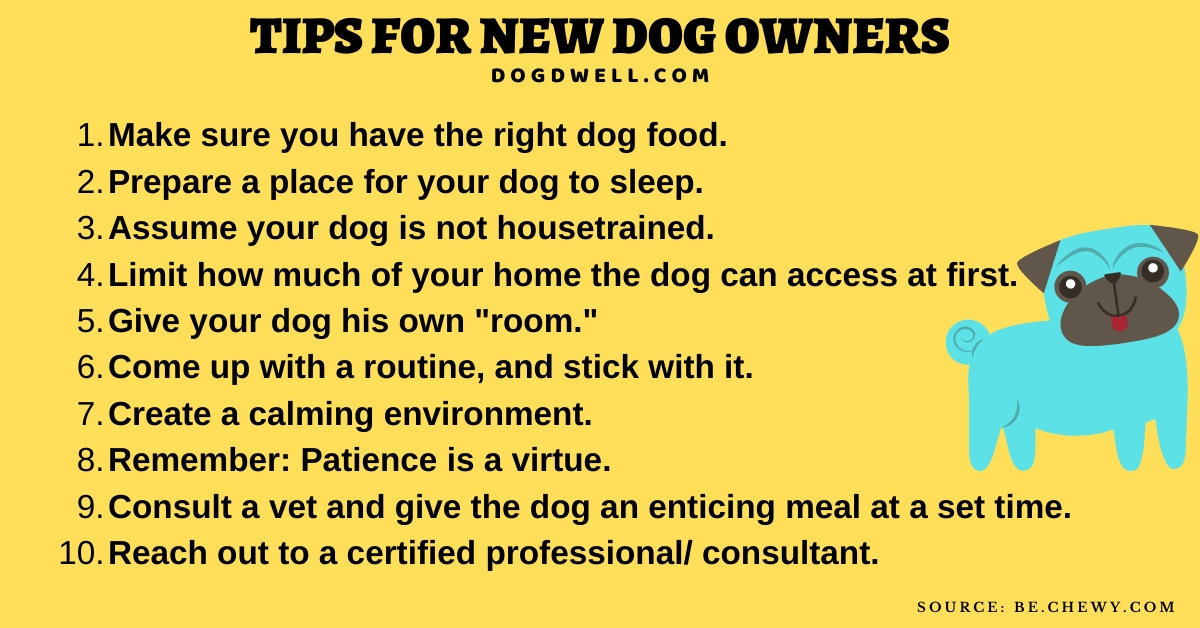
Bringing a dog into your life is an incredibly rewarding experience. The unconditional love, the playful energy, and the companionship are all things that make dogs such wonderful additions to our families. But let's be honest, it's not all sunshine and rainbows. There's a lot to learn, especially if you're a first-time dog owner!
The initial excitement of puppy-dog eyes and wet noses can quickly give way to feelings of being overwhelmed. Suddenly, you're juggling house training, sleepless nights, vet appointments, and a whole lot of chewed-up shoes. The responsibility can feel immense, and it's easy to question whether you're doing everything right.
That's where this guide comes in! We're here to provide you with practical tips and advice to navigate the exciting, and sometimes challenging, world of dog ownership. This blog post is designed to equip you with the knowledge and confidence to provide the best possible life for your new furry friend. We'll cover everything from choosing the right breed to mastering basic training and understanding your dog's unique needs.
In this article, we'll explore the crucial aspects of welcoming a dog into your home, focusing on breed selection, creating a comfortable environment, establishing a routine, training techniques, socialization strategies, and the importance of preventative healthcare. We'll also address common challenges faced by new dog owners and offer solutions to help you build a strong, loving bond with your canine companion. Think of this as your survival guide to thriving in your first year of dog ownership – helping you navigate pet ownership, dog training, puppy care, and responsible dog ownership.
Choosing the Right Breed or Mix
Choosing the right breed or mix is one of the most important decisions you'll make as a first-time dog owner. A close friend of mine impulsively adopted a high-energy Border Collie mix, thinking all dogs were relatively similar. She quickly realized that the dog needed constant mental and physical stimulation, something her apartment lifestyle simply couldn't provide. It was a stressful situation for both her and the dog until she was able to find the dog a more suitable home. This experience taught me the importance of researching a breed's temperament, energy levels, grooming needs, and potential health issuesbeforebringing them home. For instance, a low-energy breed like a Cavalier King Charles Spaniel might be a better fit for someone with a more sedentary lifestyle, while a Labrador Retriever thrives on activity and needs plenty of exercise. Consider your living situation (apartment vs. house with a yard), your daily schedule, and your activity level. Are you prepared to dedicate time to daily walks, playtime, and training? Certain breeds are also more prone to specific health problems, so research potential health concerns and factor in the cost of preventative care. Ultimately, choosing the right breed or mix sets the foundation for a happy and harmonious relationship with your new dog. Keywords: dog breeds, breed characteristics, dog adoption, responsible breeding, lifestyle match.
Creating a Dog-Friendly Home Environment
Creating a dog-friendly home environment goes beyond just providing a bed and a food bowl. It's about ensuring your dog's safety and well-being within your home. Start by puppy-proofing! This means removing anything that could be harmful or easily destroyed, such as electrical cords, toxic plants, and small objects that could be swallowed. Secure cabinets with cleaning supplies and medications. Designate a safe space for your dog, like a crate or a comfortable bed in a quiet corner. This will be their sanctuary where they can retreat when they feel overwhelmed or need some alone time. Introduce the space positively with treats and toys so they associate it with good things. Make sure your dog has access to fresh water at all times and provide a variety of toys to keep them mentally stimulated and prevent boredom. Regular rotation of toys can help keep your dog engaged and interested. Remember, a dog-friendly home is one where your dog feels safe, comfortable, and secure. Keywords: puppy-proofing, dog safety, dog crate, dog bed, enrichment toys, pet safety.
Establishing a Consistent Routine
Establishing a consistent routine is crucial for your dog's physical and mental health, and it also makes your life as a dog owner much easier. Dogs are creatures of habit, and knowing what to expect each day helps them feel secure and reduces anxiety. From ancient times, the pack hierarchy established a predictable schedule for survival. A consistent routine can simulate that security. Start with regular feeding times. Feed your dog at the same time each day to help regulate their digestive system and make house training easier. Set a schedule for walks and potty breaks. Puppies need to go out frequently, typically every two to three hours, while adult dogs can usually hold it for longer periods. Incorporate playtime and training sessions into your daily routine. Even short, 10-15 minute training sessions can make a big difference in your dog's behavior and strengthen your bond. Consistency is key! Stick to your routine as much as possible, even on weekends, to help your dog thrive. Keywords: dog routine, dog schedule, feeding schedule, potty training, dog training schedule, consistency.
Mastering Basic Dog Training
Mastering basic dog training is essential for having a well-behaved and happy dog. People often assume that dogs are naturally obedient, but training is a crucial part of teaching them how to behave in a way that is safe and enjoyable for everyone. Start with the basics: sit, stay, come, down, and leave it. Use positive reinforcement techniques, such as treats, praise, and toys, to reward desired behaviors. Keep training sessions short, fun, and engaging. Avoid punishment, as it can create fear and anxiety and damage your relationship with your dog. Consistency is key! Practice these commands regularly in various environments to help your dog generalize their learning. Consider enrolling in a puppy kindergarten or basic obedience class. These classes provide a structured learning environment and allow your dog to socialize with other dogs. With patience, consistency, and positive reinforcement, you can master basic dog training and build a strong bond with your furry friend. Keywords: dog training, obedience training, positive reinforcement, dog commands, puppy classes.
Socialization Strategies for Dogs
Socialization strategies are critical for helping your dog develop into a well-adjusted and confident companion. Socialization is the process of exposing your dog to a variety of sights, sounds, people, and other animals in a safe and controlled manner. This helps them learn how to react appropriately to different situations and prevents them from becoming fearful or aggressive. Start socialization early, ideally during the critical socialization period (between 3 and 16 weeks of age). Expose your puppy to different environments, such as parks, sidewalks, and pet stores. Introduce them to a variety of people, including men, women, children, and people with disabilities. Allow them to interact with other vaccinated and well-behaved dogs. Monitor their body language closely and intervene if they seem overwhelmed or scared. Positive experiences during socialization will help your dog develop into a confident and well-behaved adult. Proper socialization is key to raising a dog that is comfortable and safe in a variety of situations. Keywords: dog socialization, puppy socialization, dog behavior, fear aggression, dog anxiety.
Preventative Healthcare for Your Dog
Preventative healthcare is crucial for ensuring your dog's long-term health and well-being. Just like humans, dogs need regular checkups, vaccinations, and parasite prevention to stay healthy. Schedule regular veterinary appointments. Your veterinarian can perform a physical exam, assess your dog's overall health, and recommend appropriate vaccinations and parasite prevention. Follow your veterinarian's recommendations for vaccinations. Vaccinations protect your dog from potentially life-threatening diseases, such as rabies, distemper, and parvovirus. Protect your dog from parasites. Heartworm, fleas, and ticks can transmit diseases and cause significant health problems. Use preventative medications as prescribed by your veterinarian. Practice good dental hygiene. Brush your dog's teeth regularly and provide dental chews to help prevent dental disease. With regular preventative care, you can help your dog live a long, healthy, and happy life. Keywords: dog health, preventative care, vaccinations, parasite prevention, dental hygiene, pet health insurance.
Understanding Dog Body Language
Understanding dog body language is essential for communicating effectively with your dog and ensuring their well-being. Dogs use a variety of signals, including body posture, facial expressions, and vocalizations, to communicate their feelings and intentions. Learn to recognize common signs of stress or anxiety, such as lip licking, yawning, whale eye (showing the whites of their eyes), and a tucked tail. These signs indicate that your dog is uncomfortable and may need space or a break from the situation. Conversely, recognize signs of relaxation and happiness, such as a loose body posture, a wagging tail, and a relaxed mouth. Pay attention to the context in which these signals are displayed. A wagging tail doesn't always mean happiness; it can also indicate arousal or excitement. By learning to understand your dog's body language, you can better respond to their needs and build a stronger bond. Keywords: dog body language, dog communication, stress signals, happy signals, dog behavior, understanding dogs.
Fun Facts About Dogs
Let's dive into some fun facts about dogs that you might not know! Did you know that a dog's sense of smell is estimated to be 10,000 to 100,000 times stronger than a human's? That's why they're so good at sniffing out bombs, drugs, and even cancer! Or that dogs have three eyelids? The third eyelid, called the nictitating membrane, helps protect and lubricate the eye. Each dog's nose print is unique, just like human fingerprints. The Basenji is the only breed of dog that doesn't bark; instead, it makes a yodeling sound. Dogs can also be trained to detect seizures and alert their owners before they happen. And finally, a recent study showed that dogs can understand up to 250 words and gestures. These fun facts highlight the incredible abilities and intelligence of our canine companions. Keywords: dog facts, dog trivia, dog senses, dog intelligence, unique dog traits.
How to Bond with Your Dog
Bonding with your dog is a vital part of responsible pet ownership, and it's incredibly rewarding! Spending time dedicated to strengthening the bond with your dog fosters a relationship built on trust, respect, and understanding. It’s important to remember that the relationship between dog and owner can go way back. The act of bonding can involve many different activities. Make time for daily walks and playtime. Regular exercise not only keeps your dog physically healthy but also provides opportunities for bonding. Engage in activities that your dog enjoys, such as fetch, tug-of-war, or frisbee. Practice positive reinforcement training. Training sessions are a great way to bond with your dog and teach them new skills. Use treats, praise, and toys to reward desired behaviors. Spend quality time cuddling and petting your dog. Physical affection can strengthen your bond and make your dog feel loved and secure. By investing time and effort into bonding with your dog, you'll create a lifelong friendship built on love, trust, and companionship. Keywords: dog bonding, dog affection, dog playtime, dog training, dog love.
What If My Dog Has Behavioral Issues?
It's important to remember that even with the best training and socialization, dogs can sometimes develop behavioral issues. If you're struggling with behavioral problems like excessive barking, chewing, aggression, or separation anxiety, don't despair! There are many resources available to help you address these issues. Consult with a veterinarian. A veterinarian can rule out any underlying medical conditions that may be contributing to the behavioral problems. Hire a certified professional dog trainer or behaviorist. A qualified professional can assess your dog's behavior and develop a customized training plan to address the specific issues. Be patient and consistent with training. It takes time and effort to modify a dog's behavior, so be prepared to commit to a consistent training program. Create a safe and stimulating environment for your dog. Ensure your dog has plenty of exercise, mental stimulation, and opportunities to socialize. With patience, consistency, and professional guidance, you can overcome behavioral issues and help your dog live a happy and fulfilling life. Keywords: dog behavior problems, dog aggression, separation anxiety, dog chewing, dog barking, dog training.
Listicle: 10 Essential Supplies for New Dog Owners
Here's a handy list of 10 essential supplies to have on hand when you bring your new dog home:
- High-quality dog food: Choose a food that is appropriate for your dog's age, breed, and activity level.
- Food and water bowls: Stainless steel or ceramic bowls are durable and easy to clean.
- Collar and leash: Get a comfortable collar with an ID tag and a sturdy leash for walks.
- Dog bed: Provide a comfortable and supportive bed for your dog to sleep in.
- Crate: A crate can provide a safe and secure den for your dog.
- Toys: Provide a variety of toys to keep your dog entertained and prevent boredom.
- Grooming supplies: Include a brush, nail clippers, and shampoo.
- Poop bags: Be a responsible dog owner and always clean up after your dog.
- Training treats: Use small, tasty treats to reward your dog during training sessions.
- First-aid kit: Include essential items for treating minor injuries.
Having these supplies on hand will help you be prepared for your new dog's arrival and provide them with everything they need to thrive. Keywords: dog supplies, new dog checklist, dog essentials, puppy supplies.
Question and Answer
Here are some frequently asked questions by new dog owners:
Question 1: How often should I bathe my dog?
Answer: Generally, dogs don't need to be bathed too frequently. Over-bathing can strip their skin of natural oils. Once every few months, or when they get particularly dirty, is usually sufficient. Consult your veterinarian for specific recommendations based on your dog's breed and skin condition.
Question 2: How do I stop my puppy from biting?
Answer: Puppy biting is normal behavior, but it's important to teach them that it's not acceptable. When your puppy bites, say "ouch" in a loud voice and stop playing immediately. Redirect their attention to a chew toy. Consistency is key!
Question 3: How much exercise does my dog need?
Answer: The amount of exercise your dog needs depends on their breed, age, and energy level. A general guideline is at least 30 minutes of exercise per day, but high-energy breeds may need significantly more. Consult your veterinarian for specific recommendations.
Question 4: What are the signs of a sick dog?
Answer: Signs of a sick dog can include loss of appetite, vomiting, diarrhea, lethargy, coughing, sneezing, and changes in behavior. If you notice any of these signs, consult your veterinarian immediately.
Conclusion of Tips for First-Time Dog Owners
Bringing a dog into your life is a journey filled with love, laughter, and companionship. While there will undoubtedly be challenges along the way, remember that patience, consistency, and a genuine desire to understand your dog's needs will set you up for success. By choosing the right breed, creating a safe and comfortable home, establishing a consistent routine, mastering basic training, socializing your dog, and providing preventative healthcare, you'll be well on your way to building a strong and loving bond with your new furry friend. Embrace the journey, celebrate the milestones, and cherish the unconditional love that only a dog can provide. Congratulations on becoming a dog owner!
0 Response to "Tips for First-Time Dog Owners"
Post a Comment