Why Do Cats Always Land on Their Feet?
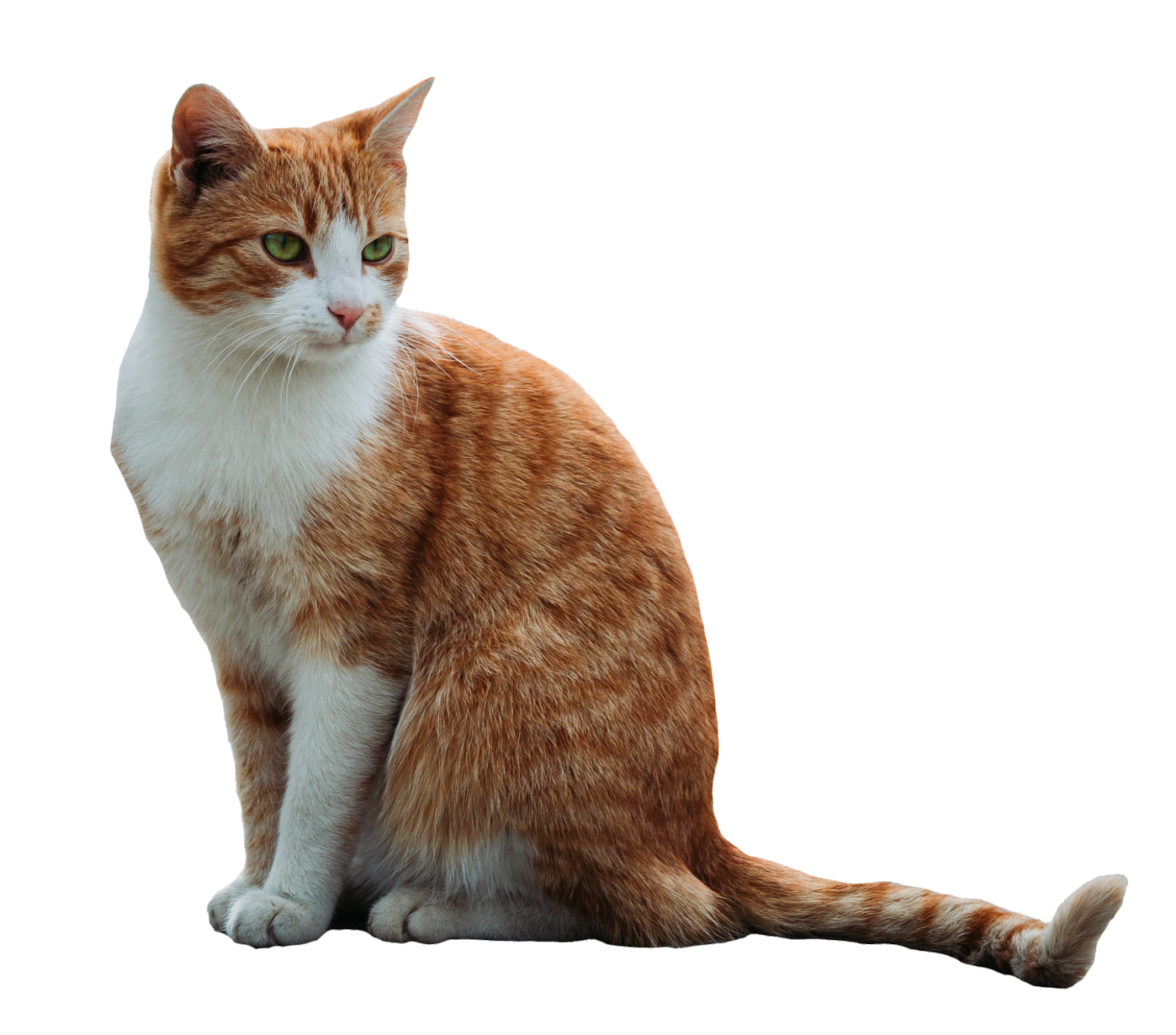
Have you ever witnessed a cat falling from a great height, only to land effortlessly on its feet? It's a mesmerizing sight, and one that has puzzled many of us for centuries. This incredible ability is often referred to as a cat's "righting reflex," and it's a complex process that involves a combination of physical attributes, sensory inputs, and nervous system responses. In this article, we'll delve into the fascinating world of feline physics and explore the reasons behind this remarkable phenomenon.
Introduction to the Righting Reflex
The righting reflex is a unique ability that allows cats to rotate their bodies in mid-air, ensuring that they always land on their feet. This reflex is made possible by a combination of flexible joints, excellent balance, and a keen sense of spatial awareness. When a cat is dropped upside down or falls from a height, it uses its inner ear and visual cues to determine its orientation and make the necessary adjustments to land on its feet.
 Why Do Cats Always Land on Their Feet Introduction to the Righting Reflex" loading="lazy" style="max-width:700px;width:100%;height:auto;border-radius:8px;">
This incredible ability is not unique to domestic cats; many other felines, including wild cats and big cats, possess a similar righting reflex. However, the domestic cat's smaller size and more flexible body make it particularly adept at this skill. In fact, studies have shown that domestic cats can right themselves in as little as 0.5 seconds, making them one of the most agile and adaptable animals on the planet.
The Physics of the Righting Reflex
So, how exactly do cats manage to rotate their bodies in mid-air and land on their feet? The answer lies in a combination of physics and biology. When a cat is dropped or falls, it uses its inner ear to detect changes in its orientation and make the necessary adjustments. The inner ear contains a small organ called the vestibular apparatus, which is responsible for maintaining balance and spatial awareness.

As the cat falls, its vestibular apparatus sends signals to the brain, which then interprets these signals and sends instructions to the muscles to make the necessary adjustments. The cat's flexible joints and muscles allow it to rotate its body in mid-air, using a process called "conservation of angular momentum." This means that the cat's body rotates in a way that conserves its angular momentum, allowing it to make the necessary adjustments to land on its feet.
The Role of the Inner Ear
The inner ear plays a critical role in the righting reflex, and it's essential to understand how it works. The vestibular apparatus is made up of three semicircular canals and the otolith organs, which are responsible for detecting changes in orientation and movement. When a cat is dropped or falls, the fluid in the semicircular canals moves, triggering nerve signals that are sent to the brain.

The brain then interprets these signals and sends instructions to the muscles to make the necessary adjustments. The inner ear is incredibly sensitive, and it can detect even the slightest changes in movement and orientation. This allows the cat to make precise adjustments in mid-air, ensuring that it always lands on its feet. In fact, studies have shown that cats can detect changes in orientation as small as 0.1 degrees, making their inner ear one of the most sensitive and accurate balance systems in the animal kingdom.
In addition to the inner ear, the cat's visual system also plays a critical role in the righting reflex. As the cat falls, it uses its eyes to detect the orientation of its body and make the necessary adjustments. The visual system provides important cues about the cat's orientation, allowing it to make precise adjustments in mid-air.

The Evolution of the Righting Reflex
So, why did cats evolve this incredible ability? The answer lies in their evolutionary history. Cats are predators, and they need to be able to navigate complex environments with precision and agility. The righting reflex is thought to have evolved as a way for cats to hunt and climb with greater ease, allowing them to pursue prey and escape danger with greater agility.
In the wild, cats often climb trees and hunt from above, using their sharp claws and agile bodies to navigate complex environments. The righting reflex allows them to fall from great heights and land on their feet, making them more effective predators and allowing them to survive in a wide range of environments. This ability has also been observed in other felines, including wild cats and big cats, where it plays a critical role in their hunting and survival strategies.
The Benefits of the Righting Reflex
The righting reflex has numerous benefits for cats, from hunting and climbing to survival and self-defense. By being able to land on their feet, cats can pursue prey with greater ease, escape danger with greater agility, and navigate complex environments with greater precision. The righting reflex also allows cats to conserve energy and reduce their risk of injury, making them more effective and efficient predators.
In addition to its practical benefits, the righting reflex is also an important aspect of a cat's overall health and well-being. Cats that are able to right themselves in mid-air are more confident and agile, and they are better able to navigate their environment with ease. This can have a positive impact on their mental and physical health, reducing stress and anxiety and promoting overall well-being.
Conclusion
In conclusion, the righting reflex is an incredible ability that allows cats to rotate their bodies in mid-air and land on their feet. This complex process involves a combination of physical attributes, sensory inputs, and nervous system responses, and it's a key aspect of a cat's overall health and well-being. By understanding the physics and biology behind the righting reflex, we can gain a deeper appreciation for the incredible agility and adaptability of cats, and the important role that this ability plays in their survival and success.

Whether you're a seasoned cat owner or simply a cat enthusiast, the righting reflex is a fascinating phenomenon that's sure to captivate and inspire. By exploring the science behind this incredible ability, we can gain a deeper understanding of the complex and fascinating world of feline physics, and the many ways in which cats continue to amaze and delight us. So next time you see a cat falling from a height, remember the incredible righting reflex, and the amazing physics and biology that make it all possible.
0 Response to "Why Do Cats Always Land on Their Feet?"
Post a Comment