The Only Mammal That Can Truly Fly (And It’s Not a Bird)
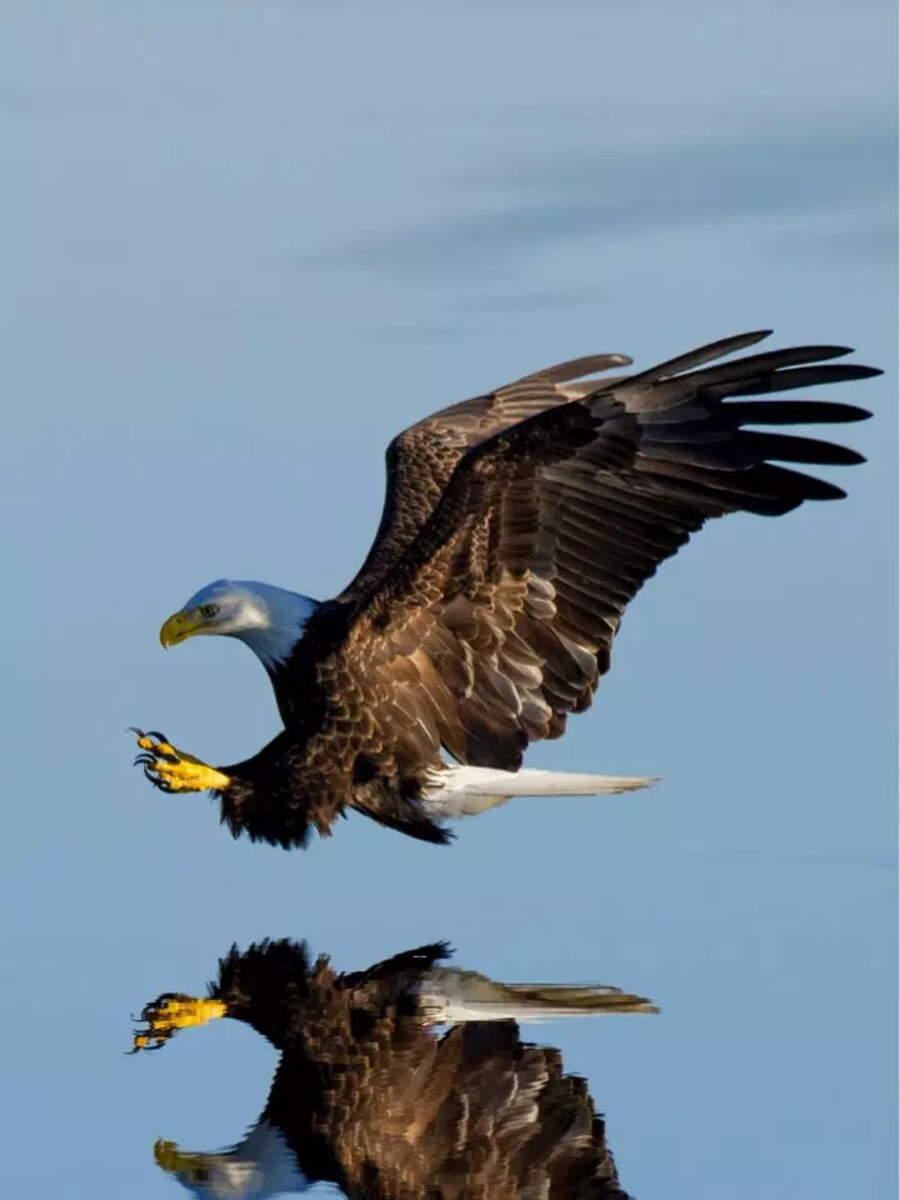
When we think of flying creatures, the first thing that comes to mind is birds. With their wings, feathers, and lightweight bones, they seem to be the epitome of flight. However, there is another creature that can truly fly, and it's not a bird. In fact, it's a mammal, and its ability to fly is just as impressive as that of its feathered counterparts. I'm talking, of course, about the bat. Yes, you read that right - bats are the only mammals that can truly fly, and in this article, we're going to explore the fascinating world of these winged creatures.
Introduction to Bats
Bats are often misunderstood creatures, with many people viewing them as spooky or creepy. However, they are actually quite fascinating, and their ability to fly is just one of the many interesting things about them. There are over 1,300 species of bats, ranging in size, shape, and color. Some bats are as small as a human thumb, while others have a wingspan of up to 6 feet. Despite their differences, all bats have one thing in common: their ability to fly.

But how do bats fly? It's a question that has puzzled scientists and animal enthusiasts for centuries. The answer lies in the unique anatomy of bats. Their wings are actually modified forelimbs, made up of a thin membrane of skin and other tissues. This membrane, called the patagium, stretches from the body to the long fingers of the bat, allowing it to generate lift and thrust. The patagium is incredibly flexible, allowing bats to make sharp turns and quick changes in direction. It's a truly remarkable piece of engineering, and one that has evolved over millions of years to make bats the agile and efficient flyers they are today.
The Science of Bat Flight
So, what makes bat flight so special? For one thing, it's incredibly efficient. Bats are able to generate a huge amount of lift relative to their body size, allowing them to fly for long periods of time without getting tired. They are also able to make very sharp turns, thanks to the flexibility of their wings. This is because the patagium is able to change shape in mid-air, allowing bats to adjust their flight path quickly and easily.
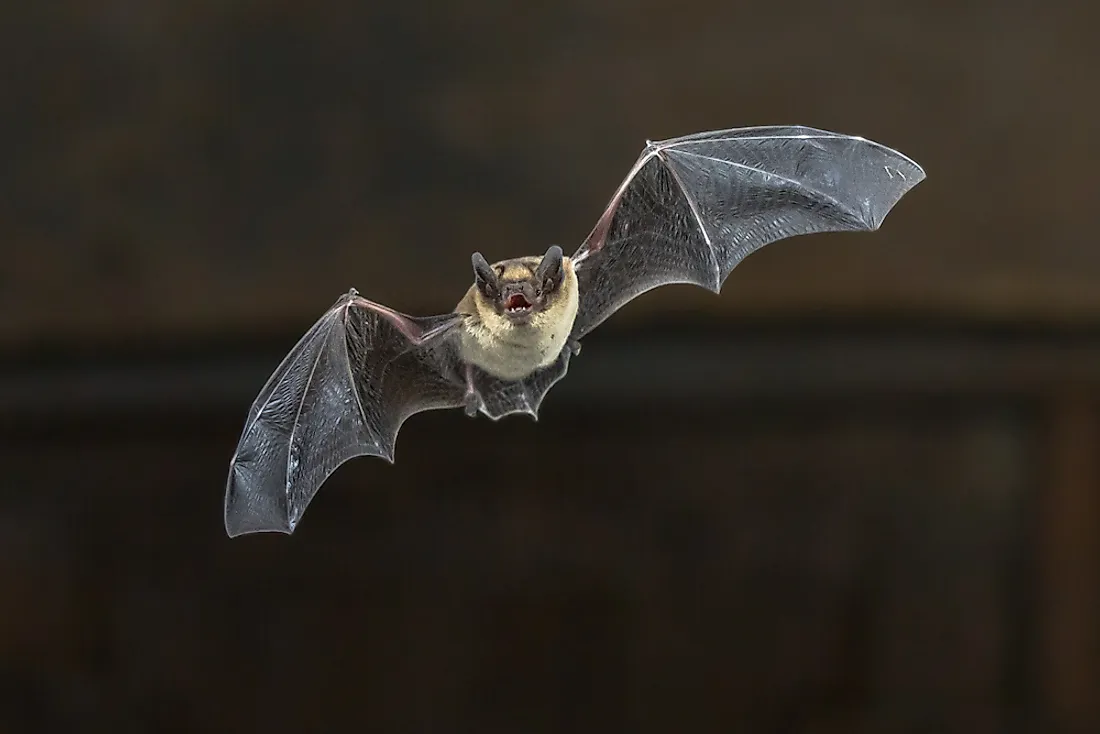
But bat flight is not just about efficiency - it's also about maneuverability. Bats are able to fly through tight spaces and make quick changes in direction, thanks to their agile wings and flexible bodies. This is especially useful for hunting, as bats are able to chase down insects and other small prey with ease. Some species of bats are even able to fly at speeds of up to 60 miles per hour, making them some of the fastest flying creatures on the planet.
Types of Bats
There are many different types of bats, each with their own unique characteristics and abilities. Some bats are specialized for hunting, with large eyes and ears that allow them to detect even the smallest prey. Others are specialized for fruit-eating, with sharp teeth and a long tongue that allows them to pluck fruit from trees.

One of the most interesting types of bats is the vampire bat. These bats are found in Central and South America, and are known for their unique feeding habits. Vampire bats are the only mammals that feed on blood, and they have a number of special adaptations that allow them to do so. They have sharp teeth and a long, pointed tongue that allows them to lap up blood from their victims. They also have a special anticoagulant in their saliva that prevents the blood from clotting, allowing them to feed for longer periods of time.
Another interesting type of bat is the echolocation bat. These bats use a biological sonar system to navigate and hunt, emitting high-frequency sounds and using their large ears to detect the echoes. This allows them to build up a detailed mental map of their surroundings, and to detect even the smallest objects. Echolocation bats are found all over the world, and are some of the most common types of bats.
Conservation Status of Bats
Despite their many fascinating characteristics, bats are facing a number of threats in the wild. Habitat loss and fragmentation are major concerns, as bats rely on large areas of undisturbed habitat to roost and forage. Climate change is also a major issue, as changing weather patterns and temperatures can disrupt the delicate balance of bat ecosystems. Many species of bats are also threatened by human activities such as mining, logging, and agriculture, which can destroy their habitats and disrupt their food supplies.
One of the biggest threats to bats is a disease called white-nose syndrome. This disease is caused by a fungus that grows on the skin of bats, causing them to become disoriented and unable to fly. It's a highly infectious disease, and has already killed millions of bats in North America. Conservation efforts are underway to protect bats and prevent the spread of white-nose syndrome, but more needs to be done to address the scale of the problem.
What You Can Do to Help
So, what can you do to help protect bats and their habitats? One of the simplest things you can do is to install a bat box in your backyard. Bat boxes provide a safe and cozy place for bats to roost, and can help to support local bat populations. You can also support conservation efforts by donating to organizations that work to protect bat habitats and prevent the spread of diseases like white-nose syndrome.
Another way to help is to reduce your use of pesticides and other chemicals that can harm bats and their habitats. Many pesticides are toxic to bats, and can accumulate in their bodies over time. By reducing your use of these chemicals, you can help to create a safer and more sustainable environment for bats and other wildlife. You can also support sustainable agriculture and forestry practices, which can help to protect bat habitats and reduce the impact of human activities on the environment.

In conclusion, bats are fascinating creatures that deserve our respect and admiration. Their ability to fly is just one of the many interesting things about them, and their importance in ecosystems around the world cannot be overstated. By learning more about bats and the challenges they face, we can work to protect them and their habitats, and ensure that these incredible creatures continue to thrive for generations to come.
0 Response to "The Only Mammal That Can Truly Fly (And It’s Not a Bird)"
Post a Comment