The Most Dangerous Animal in the World Isn't What You Think

When we think of the most dangerous animal in the world, our minds often jump to the usual suspects: lions, tigers, bears, and snakes. These creatures are indeed formidable and have been known to attack humans, but they're not the most deadly. In fact, the animal responsible for the most human deaths each year is one that you might least expect. So, what is the most dangerous animal in the world? The answer might surprise you.
The Culprit: Mosquitoes
Mosquitoes are the tiny terrors that are responsible for the most human deaths each year. According to the World Health Organization (WHO), mosquitoes transmit diseases like malaria, dengue fever, and yellow fever, which claim over a million lives annually. That's more than the number of deaths caused by lions, tigers, bears, and snakes combined. To put it into perspective, you're more likely to die from a mosquito-borne disease than from a shark attack or a plane crash.

Why Mosquitoes Are So Deadly
So, why are mosquitoes so deadly? For starters, they're incredibly prolific breeders. A single female mosquito can lay up to 500 eggs at a time, and those eggs can hatch into larvae in just 48 hours. This means that mosquito populations can explode in a matter of days, leading to a surge in disease transmission. Additionally, mosquitoes are attracted to human sweat, heat, and carbon dioxide, making them expert trackers of human prey. They can also fly silently and strike quickly, making them nearly impossible to detect until it's too late.
Mosquitoes are also incredibly adaptable. They can thrive in a wide range of environments, from the frozen tundra to the hottest deserts. They can even survive in areas with high levels of pollution and radiation, making them one of the most resilient creatures on the planet. This adaptability, combined with their ability to transmit diseases, makes them a formidable foe.
The Impact of Mosquito-Borne Diseases
Mosquito-borne diseases have a devastating impact on human health and economies. Malaria, for example, is a leading cause of death in many developing countries, particularly in Africa. According to the WHO, there were over 228 million cases of malaria reported in 2019, resulting in over 405,000 deaths. Dengue fever, another mosquito-borne disease, is on the rise, with over 390 million cases reported each year. The economic impact of these diseases is also significant, with estimates suggesting that malaria alone costs the global economy over $12 billion annually.
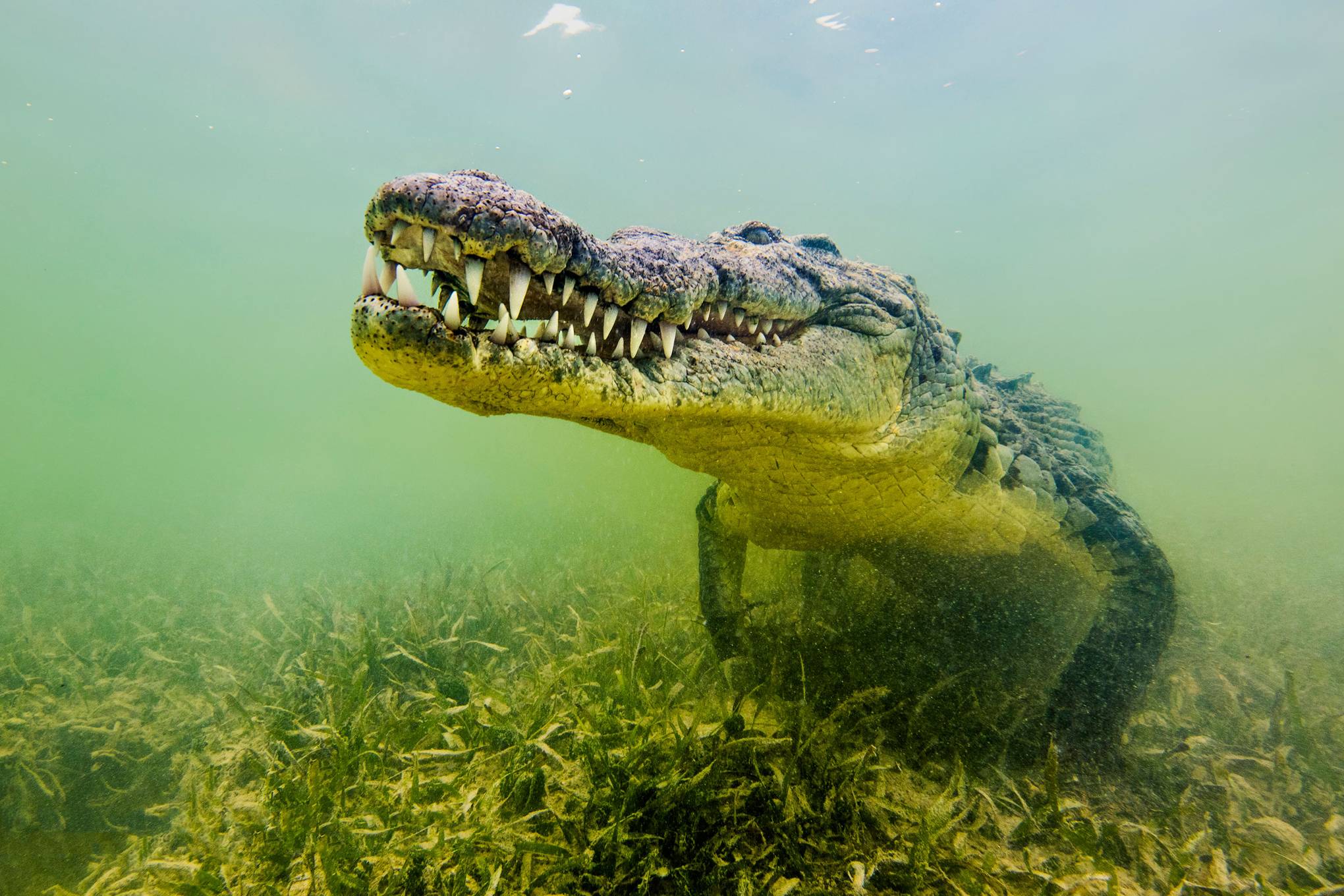
The impact of mosquito-borne diseases is not limited to human health. They also have a significant impact on livestock and wildlife. Mosquitoes can transmit diseases like bluetongue and epizootic hemorrhagic disease, which can decimate animal populations and have a significant impact on food security. This highlights the need for a comprehensive approach to controlling mosquito populations and preventing the spread of diseases.
What Can We Do to Stop Mosquitoes?
So, what can we do to stop mosquitoes and prevent the spread of diseases? The answer is complex and multifaceted. One approach is to use insecticides and pesticides to control mosquito populations. However, this approach has its limitations, as mosquitoes can develop resistance to these chemicals over time. Another approach is to use bed nets and other protective measures to prevent mosquito bites. This can be effective, but it's not foolproof, and mosquitoes can still find ways to bite through nets and clothing.
A more effective approach is to use a combination of methods to control mosquito populations and prevent the spread of diseases. This can include eliminating standing water around homes and communities, using larvicides to kill mosquito larvae, and implementing integrated pest management (IPM) strategies. IPM involves using a combination of techniques, including biological control, cultural control, and chemical control, to manage mosquito populations and prevent the spread of diseases.
:max_bytes(150000):strip_icc()/Getty Images-171336276-c17bd5e90c1d4b10813513c7657618fb.jpg)
The Role of Technology in Controlling Mosquitoes
Technology is also playing an increasingly important role in controlling mosquito populations and preventing the spread of diseases. For example, scientists are using genetic engineering to develop mosquitoes that are resistant to diseases like malaria and dengue fever. These mosquitoes can then be released into the wild, where they can mate with other mosquitoes and pass on their disease-resistant genes. This approach has shown promising results in laboratory trials and is being tested in field trials around the world.
Another technology being used to control mosquitoes is the Sterile Insect Technique (SIT). This involves releasing large numbers of sterile male mosquitoes into the wild, where they can mate with female mosquitoes and prevent them from reproducing. This can help to reduce mosquito populations over time and prevent the spread of diseases. SIT has been used successfully to control mosquito populations in several countries, including the United States and Australia.
The Future of Mosquito Control
As we look to the future, it's clear that controlling mosquito populations and preventing the spread of diseases will require a sustained and coordinated effort. This will involve continued investment in research and development, as well as the implementation of effective control strategies. It will also require international cooperation and collaboration, as mosquito-borne diseases know no borders and can have a significant impact on global health and economies.
One of the most promising areas of research is in the development of new insecticides and pesticides that are more targeted and effective. For example, scientists are working on developing insecticides that can target specific mosquito species, reducing the risk of harming other insects and the environment. They're also working on developing pesticides that can be used in combination with other control methods, such as bed nets and larvicides, to provide a more comprehensive approach to mosquito control.
In conclusion, the most dangerous animal in the world is not what you think. Mosquitoes are the tiny terrors that are responsible for the most human deaths each year, and it's time we take them seriously. By using a combination of methods to control mosquito populations and prevent the spread of diseases, we can reduce the impact of these diseases and save countless lives. It's a complex and challenging task, but with continued investment in research and development, and a sustained and coordinated effort, we can make a significant difference and create a healthier, safer world for all.
0 Response to "The Most Dangerous Animal in the World Isn't What You Think"
Post a Comment