The Incredible Journey of Monarch Butterflies (3,000 Miles!)
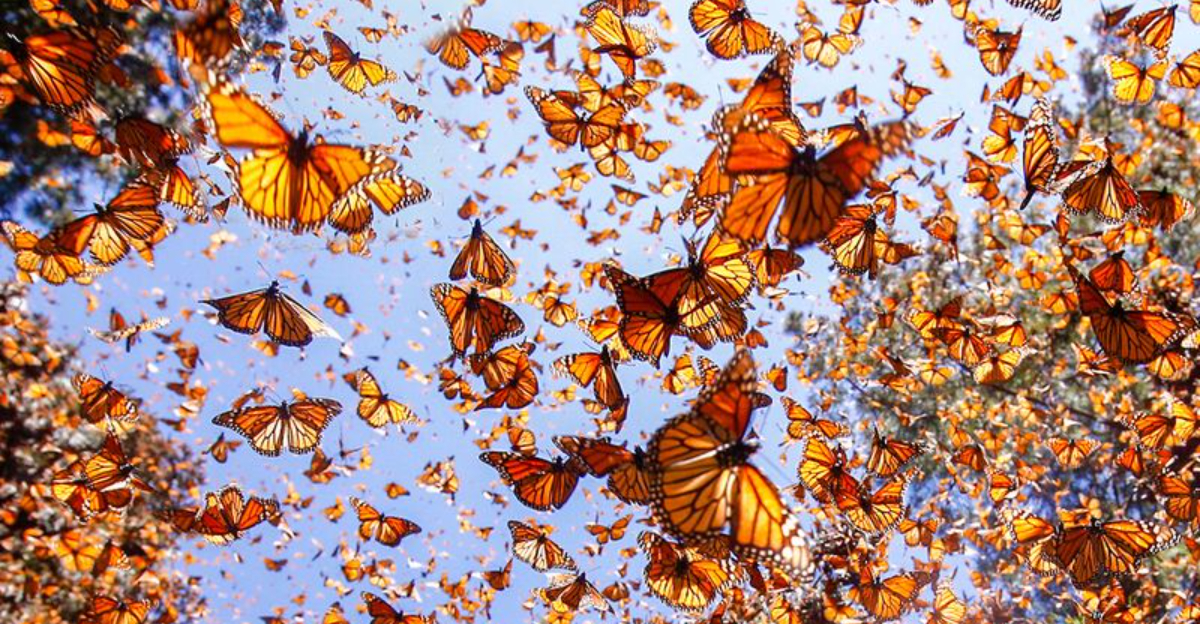
The natural world is full of incredible journeys, but few are as fascinating as the migration of monarch butterflies. Every year, these delicate creatures embark on a 3,000-mile journey from Canada and the United States to Mexico, flying thousands of feet high and braving treacherous weather conditions along the way. It's a journey that has captivated scientists and nature lovers alike, and one that is still not fully understood. In this article, we'll delve into the incredible journey of monarch butterflies and explore the science behind their epic migration.
Introduction to Monarch Butterflies
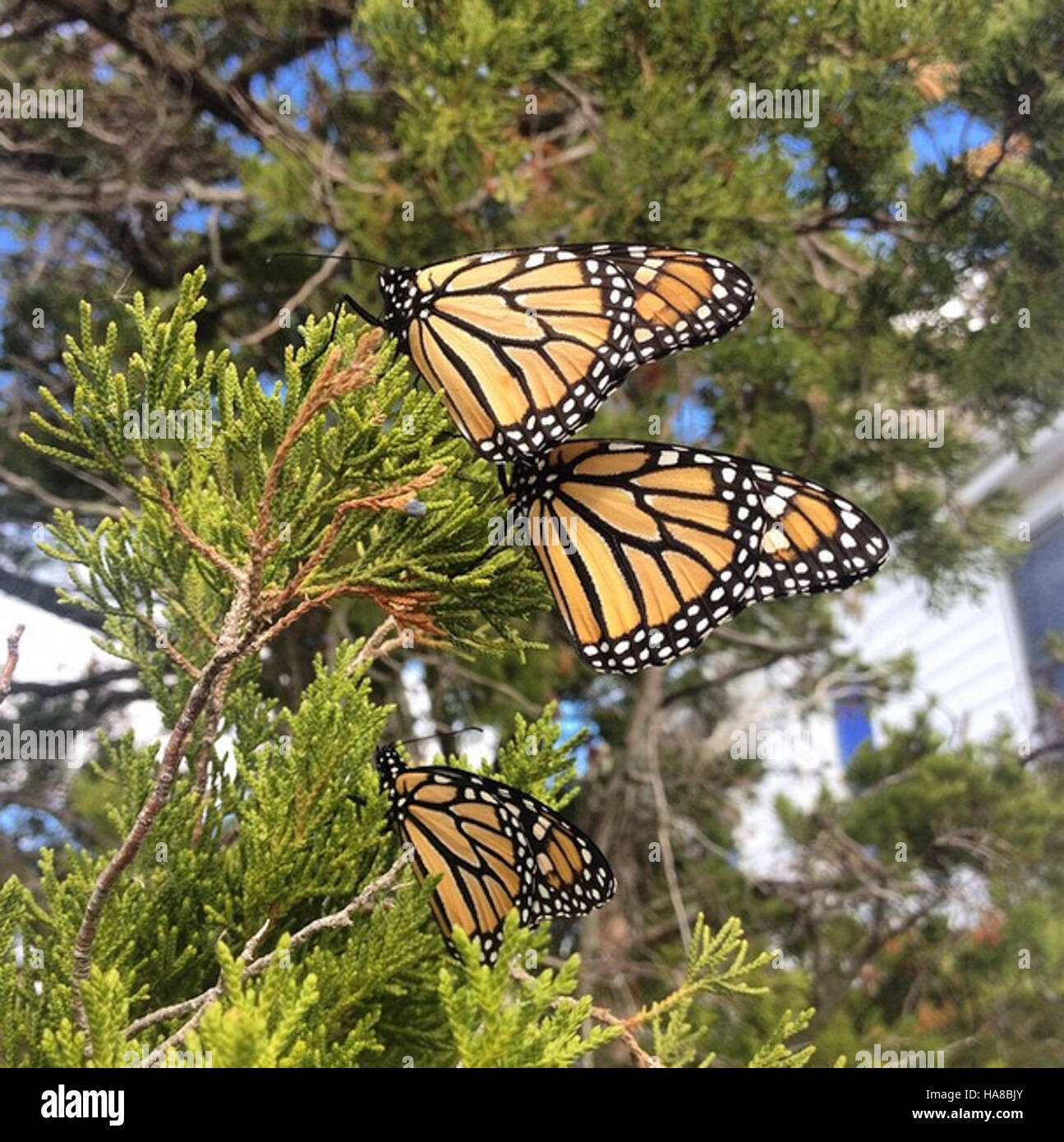
Before we dive into the details of their migration, let's take a brief look at the monarch butterfly itself. With its distinctive orange and black wings, the monarch is one of the most recognizable butterfly species in North America. Found throughout the United States and Canada, these butterflies are known for their unique life cycle, which involves four distinct stages: egg, larva, pupa, and adult. The monarch's life cycle is closely tied to the availability of milkweed, a plant that is essential for the caterpillar's growth and development.

The Migration Begins
The monarch migration typically begins in the fall, when the days start getting shorter and the weather begins to cool. As the temperatures drop, the monarchs start to prepare for their long journey to Mexico, where they will spend the winter months. The exact trigger for the migration is still not fully understood, but it's thought to be related to the changing daylight hours and the availability of food. As the monarchs begin their journey, they start to cluster on trees, forming massive aggregations that can number in the millions. These clusters are a sight to behold, with the butterflies covering every inch of the trees and creating a sea of orange and black.

The Science Behind the Migration
So, how do the monarchs navigate their way to Mexico? It's a question that has puzzled scientists for years, and one that is still not fully answered. Research has shown that the monarchs use a combination of celestial navigation, magnetic fields, and even the position of the sun to guide their journey. They also seem to have an innate sense of direction, which allows them to follow the same migration route year after year. But perhaps the most fascinating aspect of the monarch migration is the fact that it's not just one generation that makes the journey. Instead, it's a multi-generational journey, with the butterflies that start the migration dying off along the way and their offspring completing the journey. This means that the monarchs that arrive in Mexico are often the great-great-grandchildren of the butterflies that started the journey.
The Journey to Mexico
The journey to Mexico is a long and arduous one, with the monarchs facing numerous challenges along the way. They must navigate through treacherous weather conditions, including storms, strong winds, and freezing temperatures. They must also avoid predators, such as birds, bats, and spiders, which see the monarchs as a tasty snack. And then there's the issue of food, with the monarchs needing to fuel their journey with nectar from flowers. Despite these challenges, the monarchs persevere, flying thousands of feet high and using thermals to carry them long distances. As they fly, they begin to cluster on trees, forming massive aggregations that can number in the millions. These clusters are a sight to behold, with the butterflies covering every inch of the trees and creating a sea of orange and black.
Wintering in Mexico
After months of flying, the monarchs finally arrive in Mexico, where they will spend the winter months. The monarchs that make it to Mexico are often the healthiest and strongest of the bunch, and they will spend the winter months clustering on trees in the Oyamel fir forests. These forests provide the perfect conditions for the monarchs, with the cool, moist climate and the availability of food allowing them to survive the winter months. During the winter, the monarchs will enter a state of dormancy, known as "diapause," in which their metabolism slows down and they survive on stored energy reserves. This allows them to conserve energy and survive the winter months, when food is scarce.

The Return Journey
As the weather starts to warm up in the spring, the monarchs begin to emerge from their winter dormancy and start their journey back north. This journey is often easier than the journey to Mexico, as the monarchs are now fueled by the nectar of flowers and can take advantage of the warm weather. As they fly, they begin to mate and lay eggs, starting the next generation of monarchs. The monarchs that return to the United States and Canada are often the offspring of the butterflies that wintered in Mexico, and they will start the cycle again, migrating to Mexico in the fall. This multi-generational journey is a remarkable example of the resilience and determination of the monarch butterfly, and a testament to the incredible journey that these creatures undertake every year.
Conservation Efforts
Unfortunately, the monarch butterfly is facing numerous threats, including habitat loss, pesticide use, and climate change. The destruction of milkweed habitats, in particular, has had a devastating impact on monarch populations, as the plant is essential for the caterpillar's growth and development. To combat this, conservation efforts are underway to protect and restore milkweed habitats, as well as to reduce the use of pesticides and promote sustainable farming practices. Additionally, researchers are working to understand the science behind the monarch migration, in the hopes of developing strategies to protect these incredible creatures. By supporting conservation efforts and making conscious choices in our daily lives, we can all play a role in protecting the monarch butterfly and preserving their incredible journey for generations to come.
In conclusion, the journey of the monarch butterfly is a truly incredible one, with these delicate creatures embarking on a 3,000-mile journey every year. From the science behind their migration to the challenges they face along the way, the monarch butterfly is a fascinating example of the resilience and determination of nature. By learning more about these incredible creatures and the challenges they face, we can gain a deeper appreciation for the natural world and the importance of conservation efforts. So next time you see a monarch butterfly, remember the incredible journey it has undertaken, and the importance of protecting these creatures and their habitats for generations to come.
0 Response to "The Incredible Journey of Monarch Butterflies (3,000 Miles!)"
Post a Comment