5 Animals That Turn Into Zombies in Real Life
Have you ever heard of animals turning into zombies? It sounds like something straight out of a horror movie, but believe it or not, it's a real thing. In the natural world, there are certain parasites and fungi that can infect animals and take control of their bodies, essentially turning them into zombies. In this article, we'll explore five animals that can turn into zombies in real life, and it's not for the faint of heart.
Introduction to Zombie Animals
The concept of zombie animals might seem like a myth, but it's a phenomenon that has been observed in various species. These zombie animals are not undead creatures, but rather living beings that have been infected by a parasite or fungus that manipulates their behavior. The parasite or fungus takes control of the animal's body, causing it to act in strange and often terrifying ways. From ants to insects, and even fish, many animals can fall victim to these zombie-inducing organisms.
 5 Animals That Turn Into Zombies in Real Life Introduction to Zombie Animals" loading="lazy" style="max-width:700px;width:100%;height:auto;border-radius:8px;">
The First Zombie Animal: Ants Infected by Ophiocordyceps
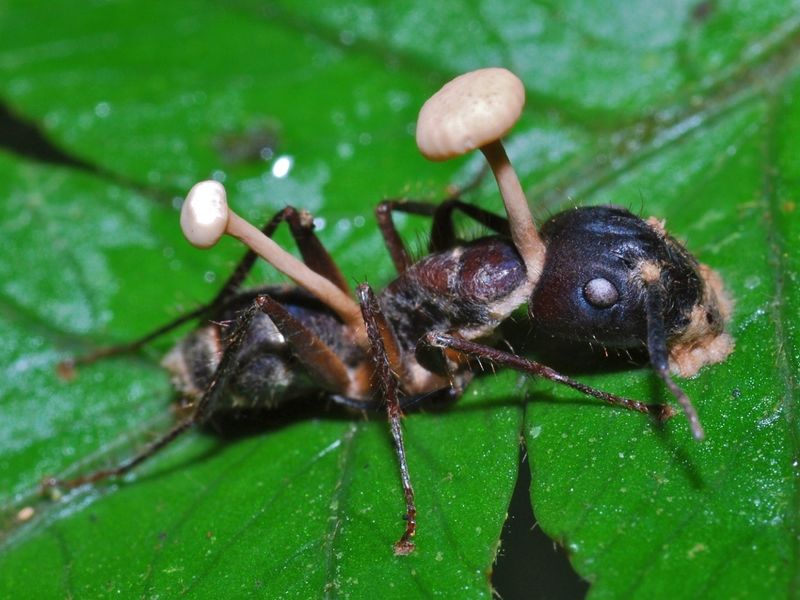
One of the most well-known examples of zombie animals is the ant infected by Ophiocordyceps, a type of fungus. This fungus infects ants and takes control of their bodies, causing them to climb to high locations and bite onto a leaf before producing spores. The fungus essentially turns the ant into a zombie, using its body to spread its own spores and infect other ants. It's a terrifying and fascinating example of how a parasite can manipulate the behavior of its host. The fungus grows inside the ant's body, eventually killing it, but not before using it to spread its own offspring.
Researchers have studied this phenomenon extensively, and it's been observed in many different species of ants. The fungus is highly specialized, and it's able to manipulate the ant's behavior in a way that's specific to the ant's species. For example, some fungi will cause the ant to climb to a high location, while others will cause it to dig into the soil. It's a remarkable example of how a parasite can adapt to its host and use it to its own advantage.
The Second Zombie Animal: Insects Infected by Hairworms
Another example of zombie animals is insects infected by hairworms. Hairworms are a type of parasite that infects insects, such as crickets and grasshoppers, and takes control of their bodies. The hairworm grows inside the insect's body, eventually emerging as a long, thin worm. But before it emerges, the hairworm manipulates the insect's behavior, causing it to seek out water and drown itself. This allows the hairworm to emerge and continue its life cycle. It's a bizarre and terrifying example of how a parasite can manipulate its host's behavior.
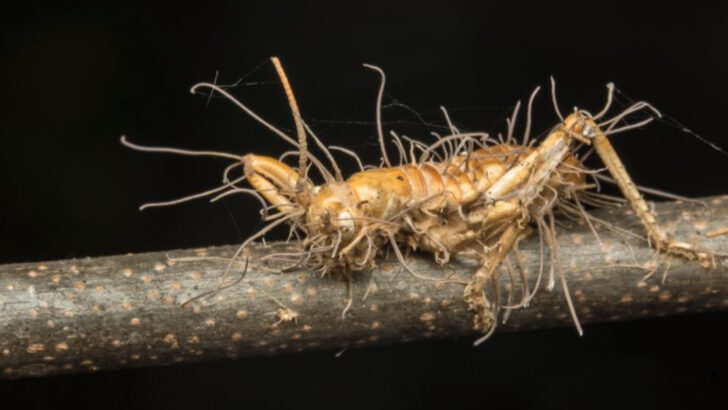
The hairworm's manipulation of its host's behavior is highly specific, and it's able to cause the insect to perform a series of complex behaviors. For example, the insect will often climb to a high location and then jump into the water, allowing the hairworm to emerge and swim away. It's a remarkable example of how a parasite can adapt to its host and use it to its own advantage. Researchers have studied this phenomenon extensively, and it's been observed in many different species of insects.
The Third Zombie Animal: Fish Infected by Mind-Controlling Parasites
Fish can also become zombie animals, thanks to a type of parasite that infects their brains. The parasite, known as the "mind-controlling parasite," infects the fish's brain and takes control of its behavior. The fish will often swim to the surface of the water, where it will be more visible to predators. This allows the parasite to spread its own offspring, as the fish is more likely to be eaten by a bird or other predator. It's a clever and terrifying example of how a parasite can manipulate its host's behavior.
The mind-controlling parasite is highly specialized, and it's able to manipulate the fish's behavior in a way that's specific to the fish's species. For example, some parasites will cause the fish to swim to the surface of the water, while others will cause it to hide in a cave. It's a remarkable example of how a parasite can adapt to its host and use it to its own advantage. Researchers have studied this phenomenon extensively, and it's been observed in many different species of fish.

The Fourth Zombie Animal: Slugs Infected by Parasites
Slugs can also become zombie animals, thanks to a type of parasite that infects their bodies. The parasite, known as the "slug parasite," infects the slug's body and takes control of its behavior. The slug will often climb to a high location, where it will be more visible to predators. This allows the parasite to spread its own offspring, as the slug is more likely to be eaten by a bird or other predator. It's a bizarre and terrifying example of how a parasite can manipulate its host's behavior.
The slug parasite is highly specialized, and it's able to manipulate the slug's behavior in a way that's specific to the slug's species. For example, some parasites will cause the slug to climb to a high location, while others will cause it to hide in a cave. It's a remarkable example of how a parasite can adapt to its host and use it to its own advantage. Researchers have studied this phenomenon extensively, and it's been observed in many different species of slugs.
The Fifth Zombie Animal: Spiders Infected by Fungi
Finally, spiders can also become zombie animals, thanks to a type of fungus that infects their bodies. The fungus, known as the "zombie fungus," infects the spider's body and takes control of its behavior. The spider will often spin a web in a specific location, where it will be more visible to predators. This allows the fungus to spread its own spores, as the spider is more likely to be eaten by a bird or other predator. It's a terrifying and fascinating example of how a parasite can manipulate its host's behavior.
The zombie fungus is highly specialized, and it's able to manipulate the spider's behavior in a way that's specific to the spider's species. For example, some fungi will cause the spider to spin a web in a high location, while others will cause it to spin a web in a cave. It's a remarkable example of how a parasite can adapt to its host and use it to its own advantage. Researchers have studied this phenomenon extensively, and it's been observed in many different species of spiders.
Conclusion
In conclusion, the concept of zombie animals is a real and fascinating phenomenon. From ants to spiders, and even fish, many animals can fall victim to parasites and fungi that manipulate their behavior. These zombie animals are not undead creatures, but rather living beings that have been infected by a parasite or fungus that takes control of their bodies. It's a terrifying and fascinating example of how nature can be both beautiful and brutal. So next time you're out in the wilderness, keep an eye out for these zombie animals – you never know when you might stumble upon one.
0 Response to "5 Animals That Turn Into Zombies in Real Life"
Post a Comment