Why Do Elephants Never Forget? The Incredible Truth

When it comes to memory and intelligence, there's one creature that stands out from the rest: the elephant. For years, we've been fascinated by their incredible ability to remember things, and the phrase "an elephant never forgets" has become a common saying. But have you ever wondered why elephants have such exceptional memory? In this article, we'll delve into the fascinating world of elephant cognition and explore the reasons behind their remarkable recall.
Introduction to Elephant Cognition
Elephants are considered one of the smartest animals on the planet, with a brain that's similar in structure and function to the human brain. They have a large neocortex, a region that's responsible for processing sensory information, and a hippocampus, which plays a key role in forming and storing memories. But what sets elephants apart from other animals is their unique brain structure, which allows them to store and retrieve memories with ease.

In fact, studies have shown that elephants have an exceptional memory for faces, both human and animal. They can recognize their family members and friends even after many years of separation, and they've been known to greet each other with excitement and affection. But their memory isn't limited to just faces; they can also recall complex social relationships, migration routes, and even the location of watering holes and food sources.
The Science Behind Elephant Memory
So, what makes elephant memory so unique? Researchers believe that it's due to the large size of their brain and the complexity of their neural networks. Elephants have a high number of neurons in their brain, which allows them to process and store large amounts of information. They also have a large amount of gray matter, which is responsible for processing sensory information and storing memories.
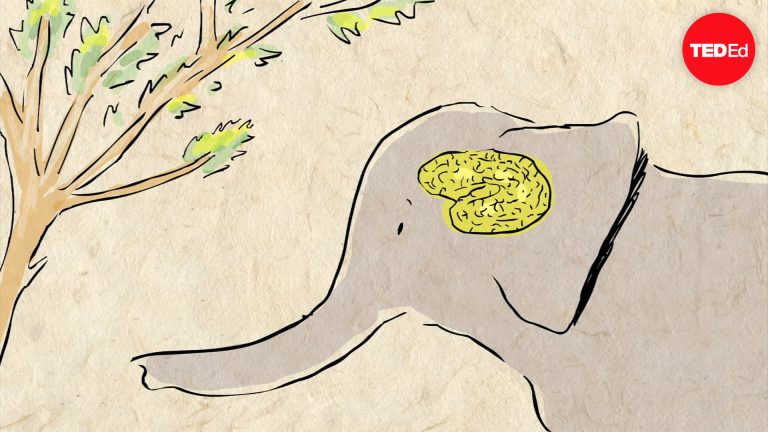
Another key factor is the elephant's hippocampus, which is a region of the brain that's responsible for forming and storing new memories. The hippocampus is larger in elephants than in many other animals, which allows them to store and retrieve memories with ease. Additionally, elephants have a unique type of neuron called "von Economo neurons," which are specialized cells that are found in the brain's frontal lobe. These cells are thought to play a key role in social cognition and memory, and are found in high numbers in elephants.
How Elephants Use Their Memory
So, how do elephants use their incredible memory in everyday life? One of the most impressive examples is their ability to migrate long distances in search of food and water. Elephants have been known to travel hundreds of miles each year, following the same routes that their ancestors took before them. They use their memory to recall the location of watering holes, food sources, and other important landmarks, allowing them to navigate their surroundings with ease.

Elephants also use their memory to maintain complex social relationships. They live in large family groups, led by a matriarchal figure, and they have a strict social hierarchy. They use their memory to recall the relationships between different family members, as well as the social status of each individual. This allows them to navigate their social world with ease, and to avoid conflicts with other elephants.
In addition to their impressive memory, elephants are also highly empathetic creatures. They've been known to display empathy and compassion towards each other, and they've even been observed mourning the death of their loved ones. This level of emotional intelligence is rare in the animal kingdom, and it's a testament to the complexity and sophistication of elephant cognition.
The Importance of Elephant Memory
So, why is elephant memory so important? For one, it allows them to survive and thrive in their environment. By recalling the location of food and water sources, they're able to navigate their surroundings and find the resources they need to survive. It also allows them to maintain complex social relationships, which are essential for their emotional and psychological well-being.
But elephant memory is also important for conservation efforts. By studying elephant cognition and behavior, we can gain a better understanding of their needs and habits, and develop more effective conservation strategies. For example, by understanding their migration patterns and habitat needs, we can work to protect and preserve their natural habitats, and reduce the risk of human-wildlife conflict.
Threats to Elephant Memory
Unfortunately, elephant memory is under threat due to a range of human activities. Habitat destruction and fragmentation, for example, can disrupt elephant migration patterns and social relationships, making it harder for them to survive and thrive. Poaching and hunting also pose a significant threat, as they can disrupt elephant social structures and cause trauma and stress to individual animals.
Climate change is also a major threat to elephant memory, as it can alter their habitats and disrupt their access to food and water. As temperatures rise and weather patterns become more unpredictable, elephants may struggle to adapt and survive, and their memory and cognition may be impaired as a result.

Conservation Efforts
So, what can we do to protect elephant memory and cognition? One of the most important things is to support conservation efforts, such as habitat preservation and protection. By preserving elephant habitats and migration routes, we can help to reduce the risk of human-wildlife conflict and ensure that elephants have access to the resources they need to survive.
We can also support research and education initiatives, which can help to raise awareness about the importance of elephant cognition and conservation. By learning more about elephant behavior and ecology, we can develop more effective conservation strategies and reduce the impact of human activities on elephant populations.
Finally, we can make a difference by reducing our own impact on the environment. By reducing our carbon footprint, conserving water, and reducing waste, we can help to mitigate the effects of climate change and protect elephant habitats and ecosystems. Every small action counts, and by working together, we can make a real difference for these incredible creatures. [IMAGE]
Conclusion
In conclusion, the incredible memory of elephants is a fascinating topic that continues to captivate and inspire us. By exploring the science behind their memory and cognition, we can gain a deeper appreciation for these incredible creatures and the importance of conservation efforts. Whether it's supporting research and education initiatives, reducing our impact on the environment, or simply spreading awareness about the importance of elephant conservation, we can all play a role in protecting these incredible animals and their habitats.
So next time you hear the phrase "an elephant never forgets," remember the incredible truth behind it. Elephants are truly one of the most fascinating creatures on the planet, and their memory and cognition are a testament to their intelligence, social complexity, and emotional depth. By working together to protect and conserve these incredible animals, we can ensure that they continue to thrive for generations to come. [IMAGE]
0 Response to "Why Do Elephants Never Forget? The Incredible Truth"
Post a Comment