
When it comes to exotic and fascinating creatures, the coatimundi animal is definitely one that stands out. Native to the Americas, this medium-sized mammal is a member of the raccoon family and is known for its unique appearance and intriguing behavior. In this article, we'll delve into the world of the coatimundi, exploring its physical characteristics, habitat, diet, and some of the most interesting facts about this amazing animal.
Introduction to the Coatimundi
The coatimundi, also known as the coati, is a species of mammal that belongs to the family Procyonidae. There are four different species of coatis, which are divided into two groups: the South American coati and the white-nosed coati. These animals are found in a variety of habitats, including forests, grasslands, and even urban areas. They are known for their agility, intelligence, and curious nature, making them a popular subject of study among wildlife enthusiasts and scientists alike.
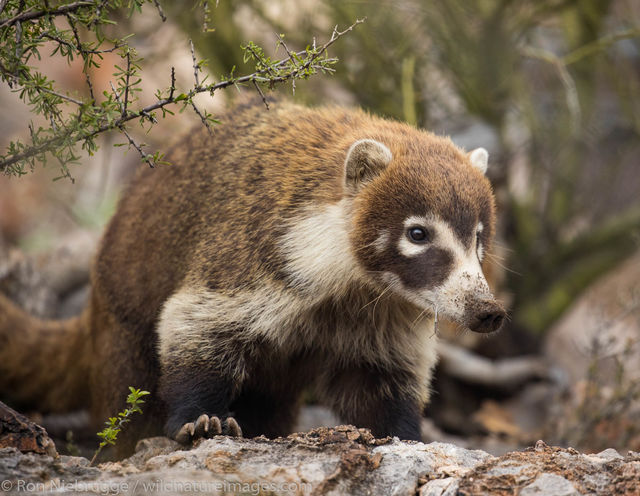
Physical Characteristics of the Coatimundi
One of the most distinctive features of the coatimundi is its long, bushy tail, which it uses for balance and communication. These animals have a thick, brown coat with a white nose and a long, pointed snout. They have large, dark eyes and sharp claws, which they use for climbing and digging. Adult coatimundis typically weigh between 4-6 kg (8.8-13.2 lbs) and reach lengths of 100-130 cm (3.3-4.3 ft), including their tail. They are relatively small compared to other mammals, but their unique appearance and behavior make them stand out in the animal kingdom.
Coatimundis are also known for their intelligence and dexterity. They have been observed using tools, such as rocks and sticks, to obtain food and solve problems. In the wild, they are skilled climbers and have been known to climb trees in search of fruit, insects, and other small animals. Their adaptability and resourcefulness have allowed them to thrive in a variety of environments, from the tropical forests of Central America to the grasslands of South America.
Diet and Foraging Habits
Coatimundis are omnivores, which means they eat a wide variety of foods including fruits, insects, small animals, and even carrion. They are opportunistic feeders, which means they will eat whatever is available in their environment. In the wild, they have been known to feed on fruits, such as berries and figs, as well as insects, such as ants and beetles. They will also eat small vertebrates, such as lizards and rodents, and have even been known to raid nests and eat eggs and chicks.
:max_bytes(150000):strip_icc()/pet-coatimundi-1239553-04-e45eb759b2c84e8c98a51be851b0b161.jpg)
In addition to their varied diet, coatimundis are also skilled foragers. They use their keen sense of smell and their sharp claws to dig and climb in search of food. They have been observed using their long, pointed snout to sniff out fruit and insects, and their agile hands to pick and manipulate food items. In urban areas, they have even been known to raid garbage cans and gardens, where they will eat a wide variety of human food, from fruits and vegetables to pet food and scraps.
Coatimundi Social Structure and Behavior
Coatimundis are social animals that live in small groups, typically consisting of females and their young. These groups are usually led by a dominant female, who will often guide the group's foraging and nesting activities. Male coatimundis, on the other hand, are typically solitary and will only join female groups during the breeding season. This unique social structure allows females to cooperate and care for their young, while males focus on mating and defending their territory.
Coatimundis are also known for their playful and curious nature. They have been observed playing with sticks, leaves, and other objects, and will often engage in mock fights and chases. This playful behavior is thought to be important for developing social skills and bonding within the group. In addition, coatimundis are highly vocal, using a variety of sounds, including grunts, whistles, and chirps, to communicate with each other.

Conservation Status and Threats
Unfortunately, coatimundis are facing a number of threats in the wild, including habitat loss, hunting, and persecution. As their habitats are converted into agricultural land, urban areas, and other human-dominated landscapes, coatimundis are forced to adapt to new environments and compete with humans for resources. They are also hunted for their meat, fur, and body parts, which are believed to have medicinal properties. In some areas, coatimundis are even considered pests, and are persecuted by farmers and other landowners who view them as a threat to their crops and livestock.
Despite these threats, coatimundis are still widely distributed and are considered to be a species of least concern by the International Union for Conservation of Nature (IUCN). However, conservation efforts are still necessary to protect their habitats and prevent overhunting and persecution. By protecting and restoring their habitats, and educating local communities about the importance of coexisting with wildlife, we can help ensure the long-term survival of this fascinating species.
Interesting Facts About Coatimundis
Coatimundis have a number of unique characteristics and behaviors that make them fascinating to study and observe. For example, they are skilled swimmers and have been known to swim long distances in search of food or shelter. They are also highly adaptable, and have been observed living in a variety of environments, from sea level to high mountains. In addition, coatimundis have a highly developed sense of smell, which they use to detect food and predators, and are able to remember the location of food sources and other important landmarks.
:max_bytes(150000):strip_icc()/Getty Images-491654043-8480db6120714cd398572a02d3fd8413.jpg)
Coatimundis are also known for their complex communication system, which includes a variety of vocalizations, body language, and even scent markings. They use these signals to convey information about food, predators, and potential mates, and to maintain social bonds within their groups. In addition, coatimundis have been observed using tools, such as rocks and sticks, to obtain food and solve problems, making them one of the most intelligent and resourceful animals in the wild.
In conclusion, the coatimundi is a fascinating and unique animal that continues to capture the imagination of wildlife enthusiasts and scientists alike. With their distinctive appearance, intelligent behavior, and adaptability, it's no wonder that these animals have thrived in a variety of environments, from the tropical forests of Central America to the grasslands of South America. By learning more about these amazing creatures, we can appreciate their importance in their ecosystems and work to protect and conserve them for future generations.