capybara pet

Are you thinking of getting a unique and interesting pet? If so, you might want to consider a capybara. These large rodents are native to South America and are known for their friendly and social nature. In this article, we'll take a closer look at what it's like to have a capybara as a pet, including their needs, habits, and personalities.
Introduction to Capybaras
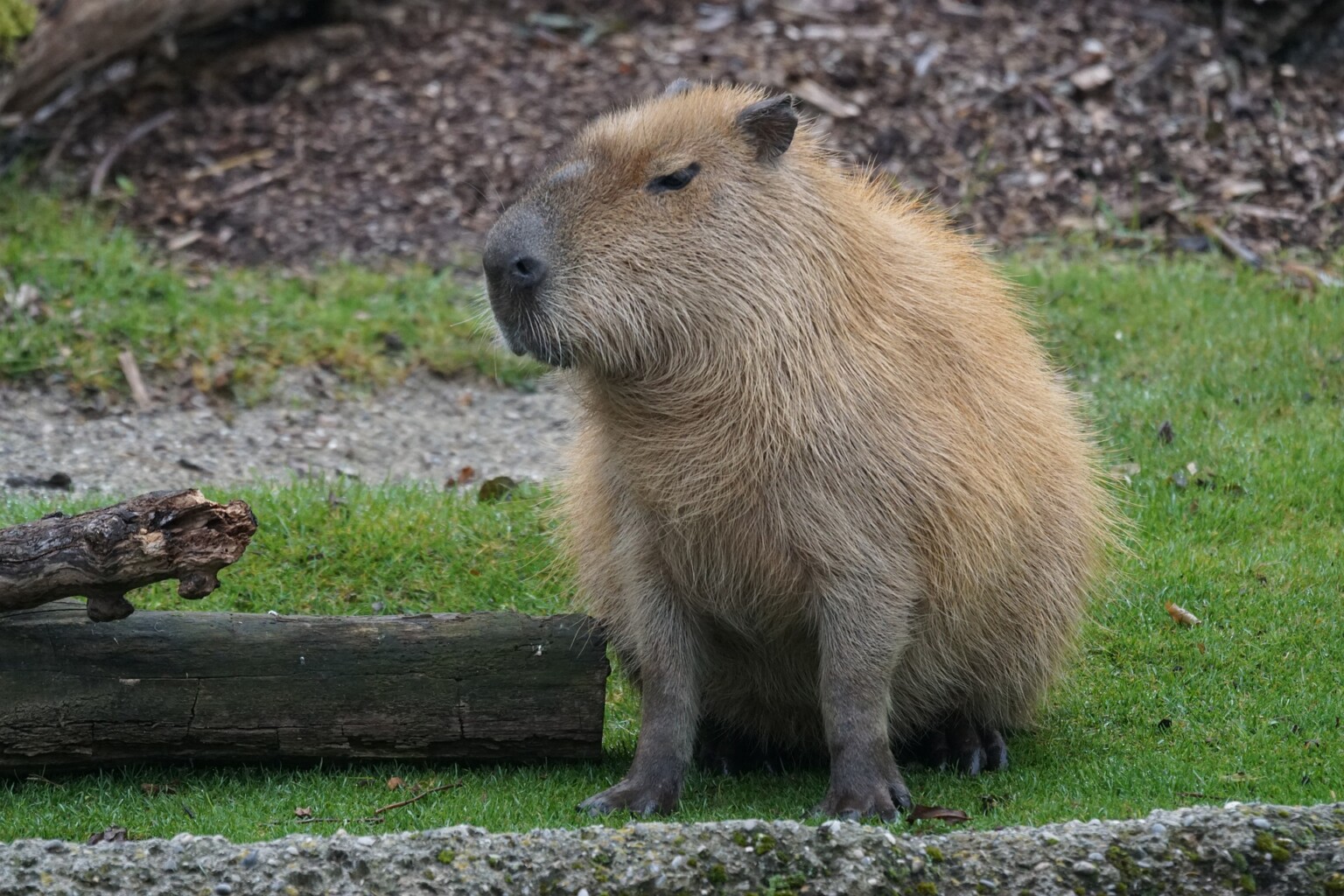
Capybaras are the world's largest rodents, growing up to 130 cm in length and weighing up to 66 kg. They have a stocky body, webbed feet, and a distinctive pair of teeth that are constantly growing. In the wild, capybaras live in large groups and are found in a variety of habitats, including grasslands, wetlands, and forests. They are herbivores and feed on a variety of plants, including grasses, aquatic plants, and fruit.
Despite their large size, capybaras are known for their gentle and affectionate nature. They are highly social animals and thrive on interaction with their owners. In fact, capybaras are often described as "dog-like" in their behavior, as they love to play, swim, and even cuddle with their owners.
Capybara Care and Housing
If you're thinking of getting a capybara as a pet, it's essential to provide them with the right care and housing. Capybaras require a lot of space to move around, so you'll need a large enclosure that provides enough room for them to exercise and play. The enclosure should be escape-proof, as capybaras are skilled diggers and can easily burrow under fences.
In addition to a large enclosure, capybaras also require a swimming area, as they are excellent swimmers and love to spend time in the water. You can provide a swimming pool or a large tub filled with water, but make sure it's deep enough for your capybara to swim comfortably.

Diet and Nutrition
Capybaras are herbivores, so they require a diet rich in fiber and low in protein. You can feed your capybara a variety of plants, including grasses, hay, and aquatic plants. Fresh fruit and vegetables should also be provided daily, but make sure to introduce them slowly to prevent digestive problems.
It's also essential to provide your capybara with a high-quality pellet specifically formulated for rodents. These pellets should be given in limited amounts, as capybaras can easily become overweight. Fresh water should always be available, and you should change it daily to prevent bacterial growth.

In terms of supplements, capybaras require a calcium supplement to prevent metabolic bone disease. You can provide a calcium-rich food or a supplement specifically formulated for rodents. Vitamin D3 is also essential, as it helps to regulate calcium levels in the body.
Health and Veterinary Care
Capybaras are generally healthy animals, but they can be prone to certain health problems. One of the most common health issues in capybaras is respiratory disease, which can be caused by a variety of factors, including poor ventilation, stress, and bacterial infections.
Teeth problems are also common in capybaras, as their teeth are constantly growing and can become overgrown or misaligned. Regular dental checks are essential to prevent these problems, and your veterinarian may need to trim your capybara's teeth periodically.
Another health issue that can affect capybaras is obesity. Capybaras can easily become overweight, especially if they are not provided with enough exercise and a balanced diet. Obesity can lead to a variety of health problems, including diabetes, heart disease, and joint problems.
Training and Socialization
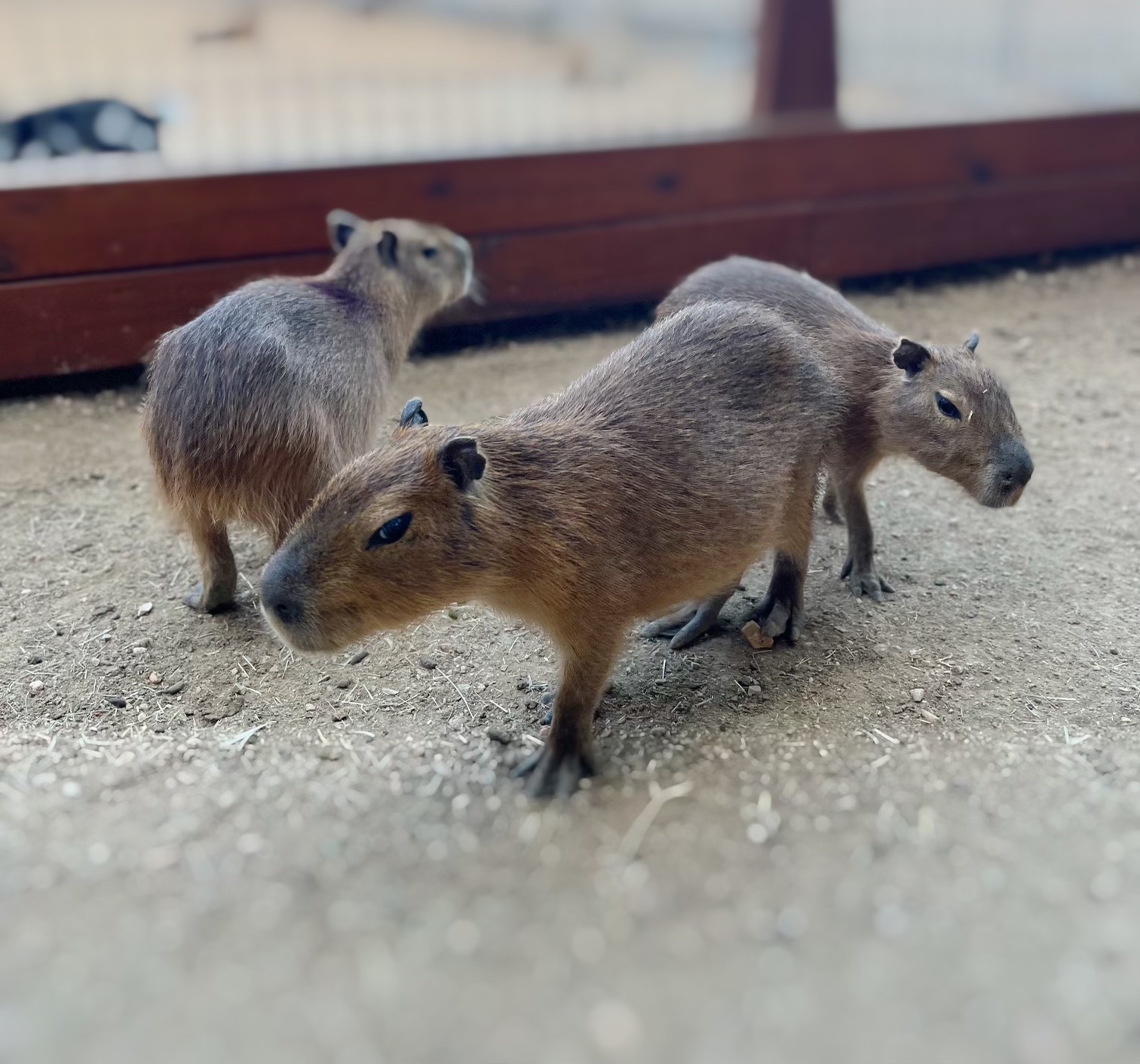
Capybaras are highly intelligent and can be trained with positive reinforcement techniques. They are known to be curious and love to explore their surroundings, so providing them with toys and activities can help to stimulate their minds and prevent boredom.
Socialization is also essential for capybaras, as they are highly social animals that thrive on interaction with their owners. You should spend plenty of time with your capybara, playing with them, cuddling them, and providing them with attention. This will help to strengthen your bond and prevent behavioral problems.
Capybaras can also be trained to use a litter box, which can make cleaning up after them much easier. You can start by placing your capybara in the litter box after meals or playtime, and gradually increase the amount of time they spend in it. With patience and consistency, your capybara can learn to use the litter box like a pro.
Cost and Commitment
Having a capybara as a pet can be a significant commitment, both financially and in terms of time. Capybaras can live up to 10 years in captivity, so you'll need to be prepared to care for them for the long haul.
The cost of caring for a capybara can also be high, especially if you factor in the cost of food, veterinary care, and supplies. You'll need to budget for a large enclosure, swimming pool, and plenty of toys and activities to keep your capybara stimulated and happy.
Despite the costs and commitment, many capybara owners find that the rewards of owning one of these unique animals far outweigh the drawbacks. With their gentle and affectionate nature, capybaras can make wonderful pets for the right owner. If you're thinking of getting a capybara, make sure you're prepared to provide them with the care and attention they need to thrive.

In conclusion, having a capybara as a pet can be a rewarding and unique experience. With their friendly and social nature, capybaras can make wonderful companions for the right owner. However, it's essential to provide them with the right care and housing, including a large enclosure, swimming area, and balanced diet. With patience, consistency, and plenty of love and attention, you can help your capybara thrive and enjoy a happy and healthy life.
0 Response to "capybara pet"
Post a Comment