If you're interested in learning about one of the largest rodents in the world, you've come to the right place. The capybara, a semi-aquatic mammal native to South America, is a fascinating creature that has gained popularity in recent years due to its unique appearance and interesting habits. One of the most common questions people ask about capybaras is how long they live, which is what we'll be exploring in this article. So, let's dive into the world of capybaras and find out more about their life expectancy.
Introduction to Capybaras
Capybaras are large rodents that belong to the family Hydrochoeridae. They are found in the grasslands and dense forests of South America, near bodies of water such as rivers, lakes, and swamps. These creatures are well adapted to their environment, with webbed feet and a stocky body that allows them to swim and dive with ease. Capybaras are herbivores, feeding on a variety of plants, including grasses, aquatic plants, and fruit. They are social animals and live in large groups, called "herds," which can consist of up to 100 individuals.
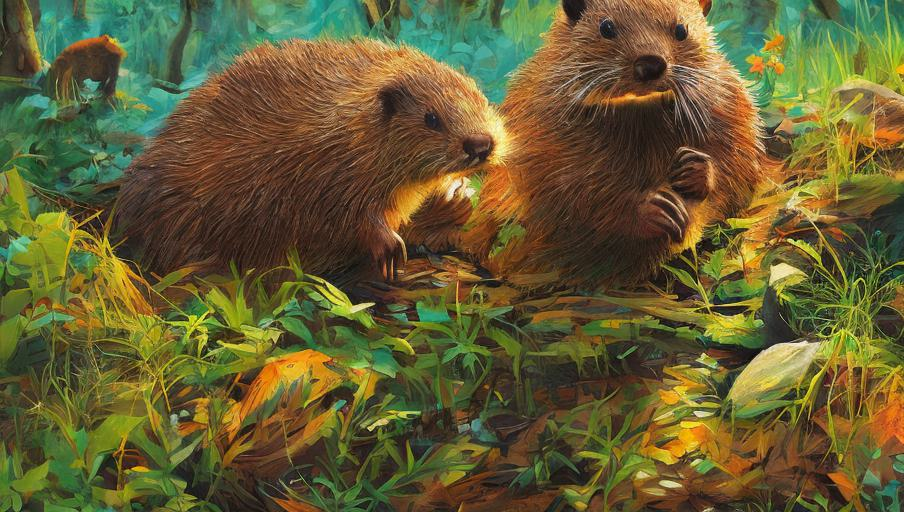
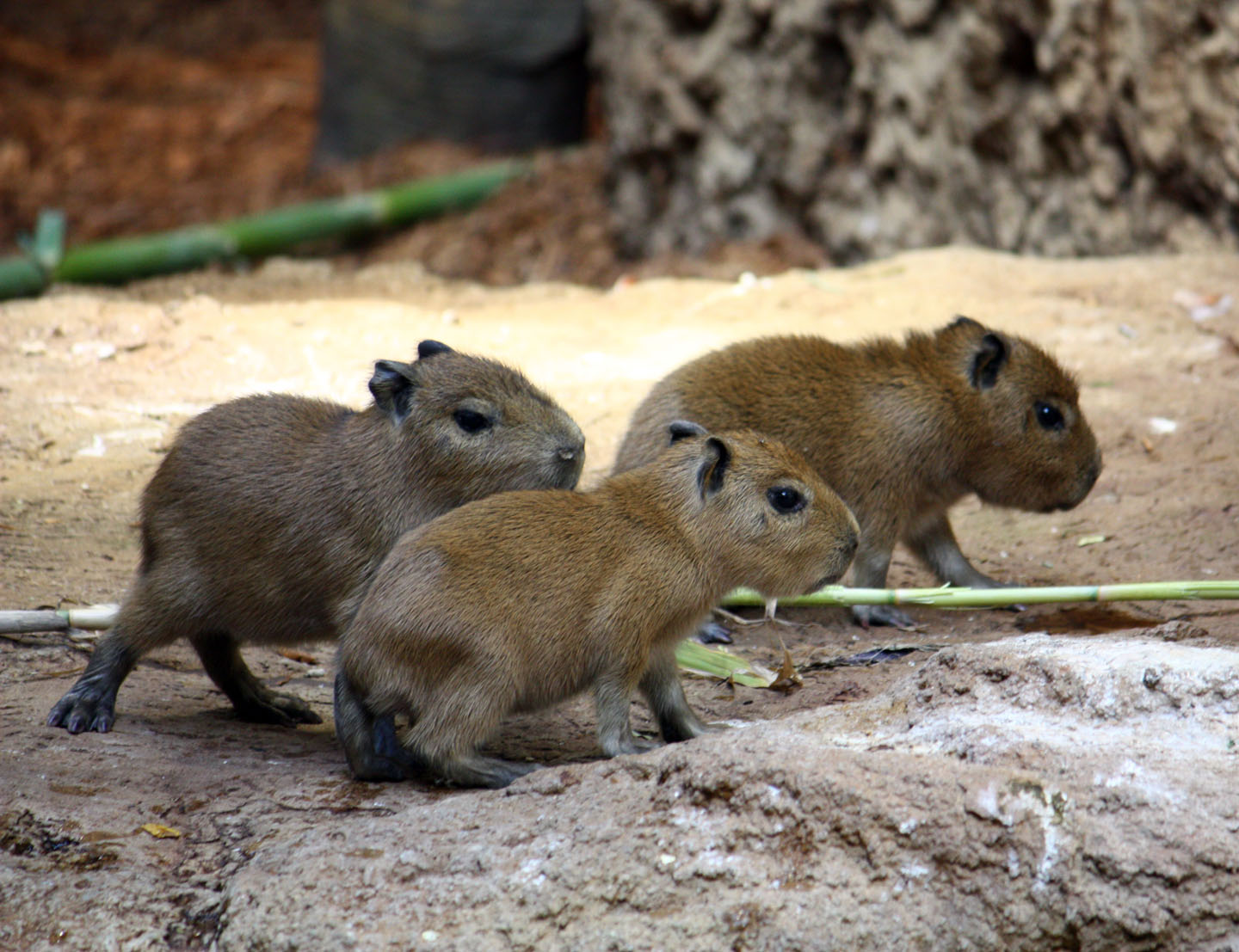
Capybaras are quite large, with adults reaching lengths of up to 130 cm (51 in) and weighing between 35 and 66 kg (77 and 145 lbs). They have a distinctive appearance, with a reddish-brown coat and a pair of large teeth that are visible even when their mouth is closed. Despite their size, capybaras are excellent swimmers and can stay underwater for up to 5 minutes. They are also skilled divers and can dive to depths of up to 5 meters (16 ft) in search of food or to escape predators.
Capybara Life Expectancy
So, how long do capybaras live? The average life expectancy of a capybara in the wild is around 8-10 years, although some individuals have been known to live up to 12 years. In captivity, capybaras can live for up to 15 years, provided they receive proper care and nutrition. Factors such as diet, environment, and disease can all impact a capybara's lifespan, and those living in the wild are more susceptible to predators and harsh weather conditions.
It's worth noting that capybaras are considered a "keystone species," meaning that they play a crucial role in their ecosystem. They help to disperse seeds, create pathways through dense vegetation, and serve as a food source for predators such as jaguars, anacondas, and caimans. As a result, the loss of capybaras could have significant impacts on the ecosystem as a whole.

One of the main threats to capybara populations is habitat loss and fragmentation. As their natural habitats are destroyed or converted into agricultural land, capybaras are left with limited space and resources. This can lead to increased competition for food and shelter, making it more difficult for individuals to survive. Additionally, capybaras are often hunted for their meat and hide, which can further reduce population numbers.
Capybara Conservation Efforts
Fortunately, there are conservation efforts in place to protect capybara populations and their habitats. National parks and protected areas have been established in countries such as Argentina, Uruguay, and Brazil, providing a safe haven for capybaras and other wildlife. Additionally, organizations such as the International Union for Conservation of Nature (IUCN) are working to raise awareness about the importance of capybara conservation and the impacts of habitat loss and hunting.
Individuals can also make a difference by supporting conservation efforts and reducing their impact on the environment. This can include making eco-friendly choices, such as reducing meat consumption and choosing sustainable products, as well as spreading awareness about the importance of capybara conservation. By working together, we can help to protect these incredible creatures and the ecosystems they inhabit.
In addition to conservation efforts, research is also being conducted to learn more about capybara behavior, ecology, and population dynamics. By studying capybaras in their natural habitats, scientists can gain a better understanding of their needs and develop effective strategies for conservation. This research can also provide valuable insights into the impacts of climate change, habitat loss, and other environmental factors on capybara populations.
Capybara Behavior and Social Structure
Capybaras are social creatures that live in large groups, called herds.These herds are usually made up of females and their young, while males will often wander on their own or form bachelor groups. Within the herd, there is a strict social hierarchy, with dominant females leading the group and younger or subordinate females following their lead.
Capybaras are also excellent communicators, using a variety of vocalizations, scent markings, and body language to convey information and express themselves. They are able to produce a range of sounds, including clicks, whistles, and grunts, which can be used to alert other capybaras to potential threats or to signal the location of food. They also use scent markings to communicate with other capybaras, leaving behind a scent that can be detected by others in the area.
One of the most interesting aspects of capybara behavior is their unique way of communicating with each other. They are able to use a variety of vocalizations, including clicks, whistles, and grunts, to convey information and express themselves. They are also able to use body language, such as posturing and facial expressions, to communicate with other capybaras. This complex communication system allows capybaras to convey a range of information, from warning calls to signals of friendly interactions.
Capybara Diet and Nutrition
Capybaras are herbivores, feeding on a variety of plants, including grasses, aquatic plants, and fruit. They are able to eat a wide range of plants, from soft grasses and leaves to tougher stems and roots. In the wild, capybaras will often feed on whatever is available, including crops and other human-grown plants. In captivity, capybaras are typically fed a diet of hay, grains, and vegetables, with occasional treats of fresh fruit and other tasty goodies.
It's worth noting that capybaras have a unique digestive system that allows them to break down and extract nutrients from plant material. They have a large cecum, a specialized part of the large intestine that is home to a diverse community of microbes. These microbes help to break down and extract nutrients from plant material, allowing capybaras to thrive on a diet that is high in fiber and low in protein.
In addition to their diet, capybaras also need access to plenty of fresh water. They are able to drink large amounts of water, and will often spend hours swimming and playing in the water. In the wild, capybaras will often drink from rivers, lakes, and other bodies of water, while in captivity, they are typically provided with a large pool or tank of water.
Capybara Health and Disease
Like all animals, capybaras are susceptible to a range of health problems and diseases. In the wild, capybaras are at risk of contracting diseases such as leptospirosis, which can be spread through contact with contaminated water or soil. They are also at risk of being injured or killed by predators, such as jaguars and anacondas.
In captivity, capybaras are at risk of developing health problems such as obesity, respiratory infections, and skin problems. They are also at risk of contracting diseases such as tuberculosis, which can be spread through contact with infected animals or contaminated food and water.
It's worth noting that capybaras are able to receive veterinary care and treatment for a range of health problems. In captivity, capybaras are typically provided with regular check-ups and preventative care, such as vaccinations and parasite control. In the wild, conservation efforts are in place to protect capybara populations and prevent the spread of disease.
In conclusion, capybaras are fascinating creatures that are well adapted to their environment. With their unique appearance, interesting habits, and complex social structure, it's no wonder that capybaras have gained popularity in recent years. By learning more about capybara life expectancy, behavior, and conservation, we can gain a deeper appreciation for these incredible animals and the ecosystems they inhabit. Whether you're a seasoned wildlife enthusiast or just starting to learn about capybaras, there's no denying the charm and appeal of these incredible creatures.