capybara fact sheet

When it comes to the world's largest rodents, the capybara is undoubtedly the star of the show. Native to South America, these incredible creatures have been fascinating humans for centuries with their unique appearance, intelligent nature, and intriguing habits. In this article, we'll delve into the world of capybaras and explore some of the most interesting facts about these amazing animals. So, let's get started and discover the wonders of the capybara.
Introduction to Capybaras
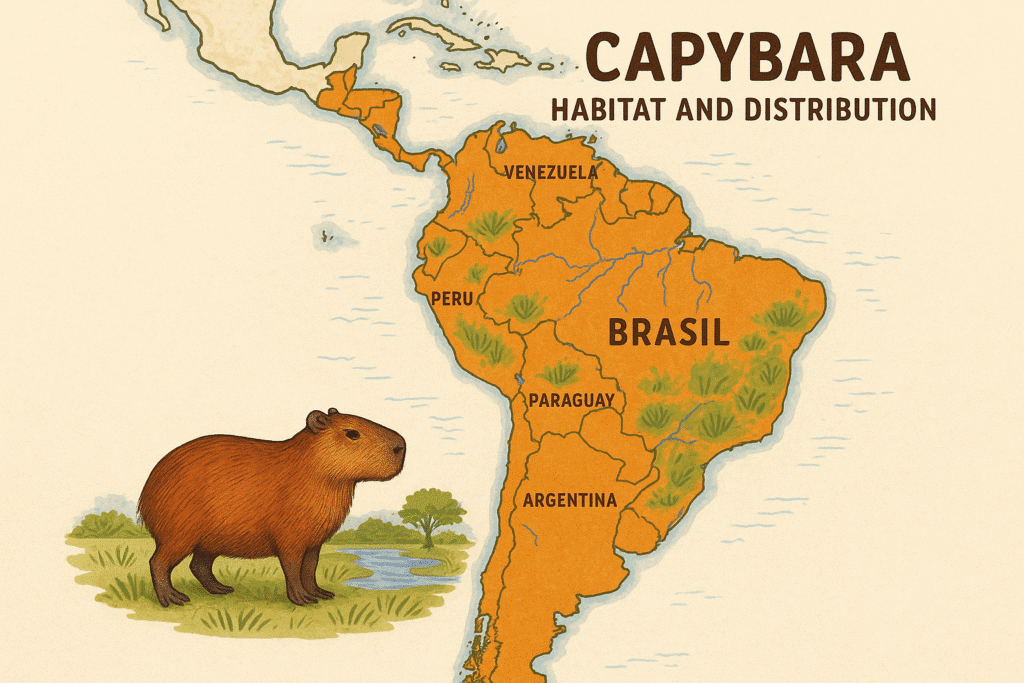
Capybaras are found in the wild throughout much of South America, including countries such as Argentina, Uruguay, and Brazil. They inhabit a variety of habitats, from dense forests to grasslands and even wetlands. These rodents are well adapted to their environments, with webbed feet that make them excellent swimmers and a stocky build that allows them to move easily through dense vegetation.

One of the most distinctive features of capybaras is their size. On average, they can grow up to 130 cm in length and weigh between 35 and 66 kg, making them the largest rodents in the world. Despite their large size, capybaras are herbivores and feed on a variety of plants, including grasses, aquatic plants, and fruit. They have a unique set of teeth that are specially designed for grinding and crushing tough plant material, allowing them to eat a wide range of foods.
Diet and Foraging Habits
Capybaras are grazers and spend most of their day eating and foraging for food. They have a highly developed sense of smell that helps them locate the best plants to eat, and their sharp teeth allow them to crop grasses and other plants with ease. In the wild, capybaras play a crucial role in shaping their ecosystems, helping to disperse seeds and create pathways through dense vegetation.

In addition to their impressive size and unique diet, capybaras are also known for their intelligent and social nature. They live in large groups, called "herds," which can range in size from 10 to 100 individuals. Within these groups, capybaras have a complex communication system that involves a range of clicks, whistles, and scent markings. They are able to recognize individual members of their group and have even been observed showing signs of affection and playfulness.
Social Structure and Communication
Despite their large size, capybaras are incredibly agile and can run at speeds of up to 30 km/h when threatened. They are also excellent swimmers and have been known to escape predators by diving into the water. In the wild, capybaras have a number of natural predators, including jaguars, pumas, and anacondas. However, they are also hunted by humans for their meat and hide, which has led to a decline in their populations in some areas.
Fortunately, conservation efforts are underway to protect capybara populations and their habitats. In some countries, capybaras are considered an important part of the ecosystem and are protected by law. Additionally, many zoos and wildlife sanctuaries are working to breed capybaras in captivity and raise awareness about the importance of conserving these amazing animals. By supporting these efforts, we can help ensure the long-term survival of capybaras and the ecosystems they inhabit.
Reproduction and Lifespan
Capybaras are able to breed throughout the year, although the majority of births occur during the wet season. Female capybaras give birth to litters of 2-8 young after a gestation period of approximately 130-150 days. The young are born with their eyes open and are able to walk and swim within hours of birth. They are weaned after about 3-4 months and reach sexual maturity at around 18-24 months.

In the wild, capybaras can live for up to 10 years, although their average lifespan is around 5-7 years. In captivity, they can live for up to 12 years with proper care and management. Despite their relatively long lifespan, capybaras are still vulnerable to a range of threats, including habitat loss, hunting, and disease. As a result, conservation efforts are necessary to protect these incredible animals and ensure their survival for generations to come.
Conservation Status
Capybaras are listed as "least concern" on the IUCN Red List, although their populations are declining in some areas due to habitat loss and hunting. In addition to these threats, capybaras are also vulnerable to disease, including leptospirosis and tuberculosis. To address these challenges, conservation efforts are focusing on protecting capybara habitats, reducing hunting and poaching, and promoting sustainable land-use practices. By working together, we can help ensure the long-term survival of capybaras and the ecosystems they inhabit.
In conclusion, capybaras are fascinating creatures that continue to capture the imagination of people around the world. With their unique appearance, intelligent nature, and intriguing habits, it's no wonder why these animals are often considered one of the most interesting species in the animal kingdom. By learning more about capybaras and the challenges they face, we can gain a deeper appreciation for these incredible animals and work to protect them for generations to come.
Interesting Capybara Facts
Here are some additional interesting facts about capybaras: they are excellent divers and can stay underwater for up to 5 minutes, they have a special valve in their ears that helps to equalize the pressure when they dive, and they are able to sleep with their eyes open. These unique characteristics, combined with their intelligent and social nature, make capybaras one of the most fascinating creatures in the animal kingdom.

As we've seen, capybaras are incredible animals that play a vital role in their ecosystems. By learning more about these amazing creatures, we can gain a deeper appreciation for the natural world and the importance of conservation. Whether you're a seasoned wildlife enthusiast or just starting to learn about the animal kingdom, capybaras are sure to captivate and inspire. So, next time you're out in nature, keep an eye out for these incredible rodents and appreciate the important role they play in shaping their ecosystems.
Capybara Habitats and Distribution
Capybaras are found in a variety of habitats, including grasslands, savannas, and wetlands. They are widely distributed throughout South America, with populations found in countries such as Argentina, Uruguay, and Brazil. In the wild, capybaras can be found in areas with dense vegetation, such as thickets and forests, as well as in more open areas, such as grasslands and marshes. [IMAGE]
One of the most interesting things about capybara habitats is the way they use their environment to their advantage. For example, capybaras are excellent swimmers and often use water to escape predators or travel long distances. They are also skilled at hiding and can often be found in dense thickets or undergrowth, where they are protected from predators and can rest and feed in safety.
Capybara Adaptations
Capybaras have a number of adaptations that help them survive in their environments. For example, their webbed feet make them excellent swimmers, while their sharp teeth and powerful jaws allow them to eat a wide range of plants. They also have a thick coat of fur that helps to protect them from the elements and a highly developed sense of smell that allows them to detect predators and find food. [IMAGE]
In addition to their physical adaptations, capybaras also have a number of behavioral adaptations that help them survive. For example, they are highly social animals and live in large groups, which provides them with protection and support. They are also skilled at communicating with each other, using a range of clicks, whistles, and scent markings to convey information and coordinate their behavior.
Capybara Behavior
Capybaras are fascinating creatures, and their behavior is just one of the many things that makes them so interesting. From their complex social structures to their unique communication systems, there's no denying that capybaras are one of the most captivating animals in the animal kingdom. By studying their behavior and learning more about their habitats and adaptations, we can gain a deeper appreciation for these incredible animals and work to protect them for generations to come.
In conclusion, capybaras are incredible creatures that continue to capture the imagination of people around the world. With their unique appearance, intelligent nature, and fascinating habits, it's no wonder why these animals are often considered one of the most interesting species in the animal kingdom. By learning more about capybaras and the challenges they face, we can gain a deeper appreciation for these amazing animals and work to protect them for generations to come. So, next time you're out in nature, keep an eye out for these incredible rodents and appreciate the important role they play in shaping their ecosystems.
0 Response to "capybara fact sheet"
Post a Comment