random facts about capybaras

When it comes to rodents, most people think of mice, rats, or maybe even squirrels. But have you ever heard of the capybara? These large, semi-aquatic rodents are native to South America and are actually the world's largest rodents. In this article, we'll delve into some random facts about capybaras that will make you appreciate these amazing creatures even more.
Introduction to Capybaras
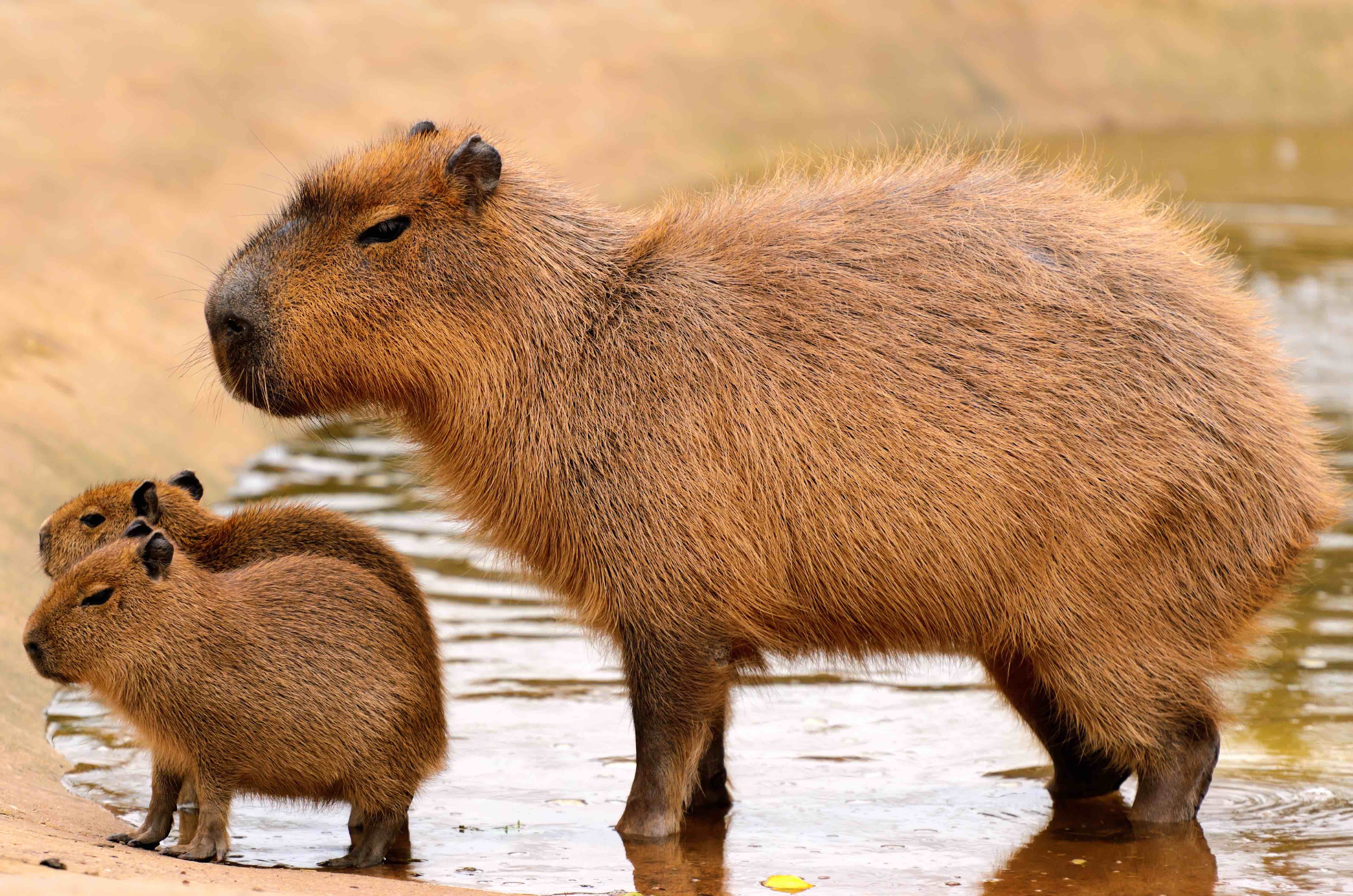
Capybaras are found in the wild in countries such as Argentina, Uruguay, and Brazil, and are known for their distinctive appearance. They can grow up to 130 cm in length and weigh up to 66 kg, making them quite a sight to behold. But it's not just their size that's impressive - capybaras are also incredibly social creatures, living in large groups in the wild.

One of the most interesting things about capybaras is their ability to thrive in a variety of environments. They can be found in grasslands, savannas, and even wetlands, and are excellent swimmers. In fact, capybaras are so comfortable in the water that they can stay submerged for up to 5 minutes at a time. This adaptability has helped them to survive and thrive in their native habitats, and has also made them popular among animal enthusiasts and scientists alike.
Diet and Digestion
So, what do capybaras eat? These rodents are herbivores, which means they feed on a variety of plants and plant-based materials. Their diet consists mainly of grasses, aquatic plants, and fruit, which they gather from their surroundings. But what's really interesting about capybaras is their unique digestive system. They have a special type of stomach that allows them to break down and extract nutrients from plant material, which is difficult for many animals to digest. This specialized digestive system is one of the reasons why capybaras are able to thrive in their environments, and is also a key factor in their ability to grow and maintain their large size.

In addition to their unique digestive system, capybaras also have a number of other adaptations that help them to survive and thrive in their environments. For example, they have webbed feet, which make them excellent swimmers, and their eyes and nostrils are located on top of their head, allowing them to stay mostly submerged in the water. These adaptations, combined with their social nature and ability to thrive in a variety of environments, make capybaras one of the most fascinating creatures in the animal kingdom.
Social Structure and Behavior
Capybaras are highly social creatures, and are known to live in large groups in the wild. These groups, which can range in size from 10 to 100 individuals, are typically made up of females, their young, and one or more males. The males in these groups play a crucial role in protecting the females and young from predators, and also help to maintain the social hierarchy within the group.

One of the most interesting things about capybara social structure is their communication methods. These rodents use a variety of clicks, whistles, and scent markings to communicate with each other, and are also able to recognize individual members of their group. This complex communication system allows capybaras to maintain their social bonds and work together to protect their group and territory. In addition to their social behavior, capybaras are also known for their intelligence and curiosity, and have been observed using tools and solving problems in their environments.
Despite their many adaptations and abilities, capybaras are still vulnerable to a number of threats in the wild. Habitat loss and hunting are two of the main threats facing capybara populations, and conservation efforts are necessary to protect these amazing creatures. By learning more about capybaras and their unique characteristics, we can gain a greater appreciation for these incredible animals and work to ensure their survival for generations to come.
Interesting Capybara Facts
In addition to their social behavior, unique digestive system, and adaptability, there are many other interesting facts about capybaras. For example, did you know that capybaras are excellent divers, and can stay underwater for up to 5 minutes at a time? Or that they are able to run at speeds of up to 30 km per hour, making them one of the fastest rodents in the world?

Another interesting fact about capybaras is their unique relationship with other animals in their environments. In the wild, capybaras have been known to form symbiotic relationships with birds, such as egrets and cowbirds, which will often perch on their backs and feed on parasites and insects. This mutually beneficial relationship is just one example of the many fascinating ways in which capybaras interact with their environments and the other creatures that live there.
In conclusion, capybaras are truly one of the most fascinating creatures in the animal kingdom. With their unique adaptations, social behavior, and ability to thrive in a variety of environments, it's no wonder that these rodents have captured the hearts of animal enthusiasts and scientists alike. By learning more about capybaras and their many interesting characteristics, we can gain a greater appreciation for these incredible animals and work to protect and conserve them for generations to come.
Capybara Conservation Status
Unfortunately, capybaras are facing a number of threats in the wild, including habitat loss, hunting, and climate change. As a result, conservation efforts are necessary to protect these amazing creatures and ensure their survival. The capybara is currently listed as "least concern" on the IUCN Red List, but their populations are declining in some areas due to habitat loss and hunting.
To help protect capybaras and their habitats, a number of conservation efforts are underway. These include the creation of protected areas, such as national parks and wildlife reserves, as well as education and outreach programs to raise awareness about the importance of capybara conservation. By working together to protect these incredible animals and their habitats, we can help to ensure the long-term survival of capybaras and the ecosystems they inhabit.
In addition to conservation efforts, there are also many ways that individuals can help to support capybara conservation. For example, by supporting organizations that work to protect capybara habitats and populations, or by spreading awareness about the importance of capybara conservation, individuals can make a real difference in the lives of these amazing creatures. By working together, we can help to protect capybaras and ensure their survival for generations to come.
Conclusion
In conclusion, capybaras are truly one of the most fascinating creatures in the animal kingdom. With their unique adaptations, social behavior, and ability to thrive in a variety of environments, it's no wonder that these rodents have captured the hearts of animal enthusiasts and scientists alike. By learning more about capybaras and their many interesting characteristics, we can gain a greater appreciation for these incredible animals and work to protect and conserve them for generations to come. Whether you're an animal enthusiast, a scientist, or simply someone who loves learning about the natural world, capybaras are definitely worth learning more about.
So next time you're out in nature, keep an eye out for these amazing creatures. Who knows, you might just catch a glimpse of a capybara or two. And even if you don't, you can still learn more about these incredible animals and the important role they play in their ecosystems. By working together to protect and conserve capybaras, we can help to ensure the long-term survival of these amazing creatures and the ecosystems they inhabit. [IMAGE]
0 Response to "random facts about capybaras"
Post a Comment