7 Plants in Your House That Could Kill Your Pet
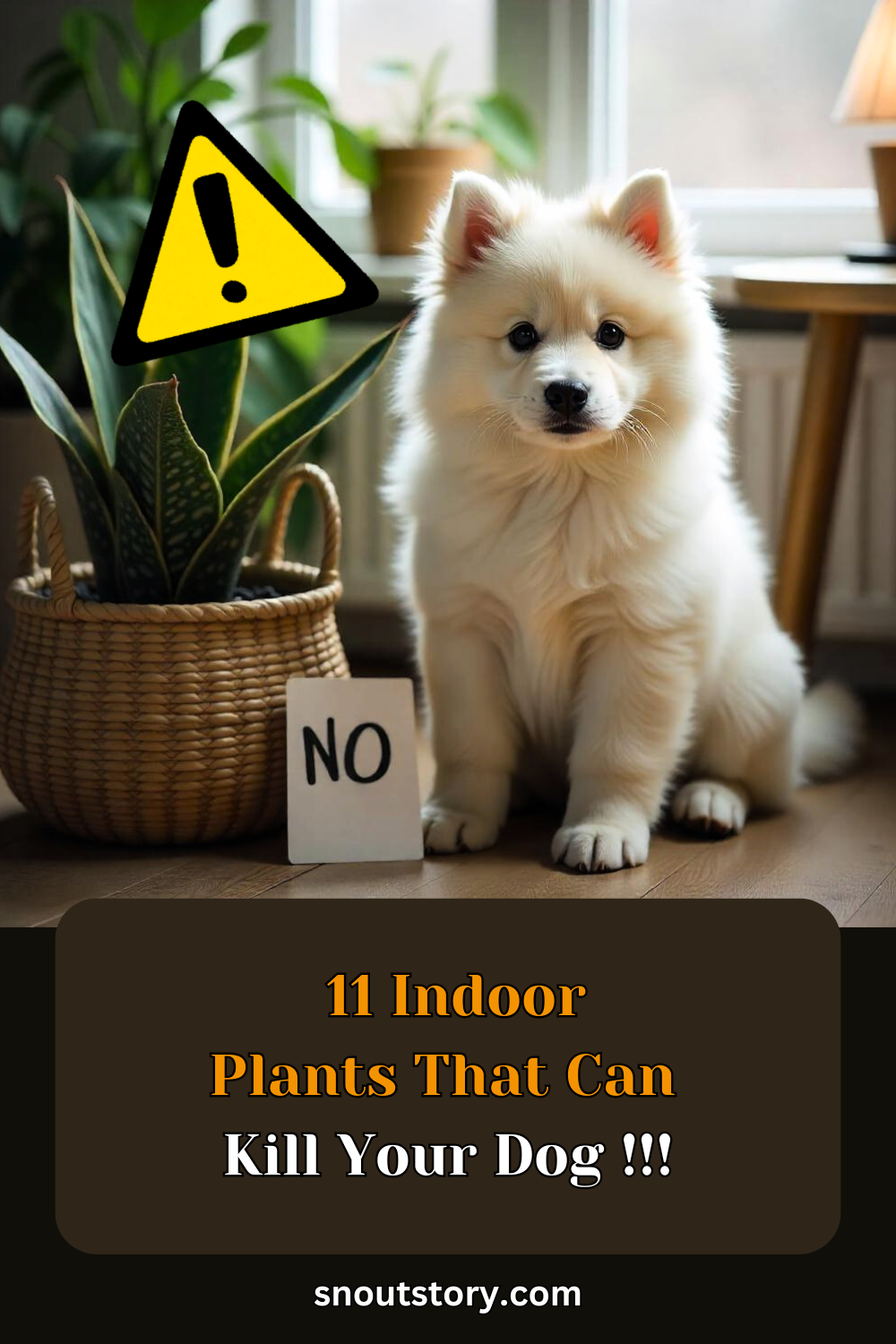
As a pet owner, it's natural to want to create a beautiful and welcoming home for your furry friends. However, some of the plants you have in your house could be toxic to your pets. Yes, you read that right - toxic! It's shocking to think that something as innocent-looking as a household plant could harm your beloved pet. In this article, we'll explore 7 common plants that could kill your pet, and what you can do to keep them safe.
Introduction to Toxic Plants
Toxic plants can be found in many homes, and they can cause a range of symptoms in pets, from mild gastrointestinal upset to life-threatening conditions. The most common culprits are plants that contain toxic compounds like alkaloids, glycosides, and terpenes. These compounds can be found in the leaves, stems, and flowers of the plants, and can be ingested by curious pets. Some plants are more toxic than others, and the severity of the symptoms will depend on the type of plant, the amount ingested, and the size and health of your pet.
1. Snake Plant (Mother-in-Law's Tongue)
The snake plant, also known as Mother-in-Law's Tongue, is a popular houseplant that's known for its sword-shaped leaves and ability to purify the air. However, it contains a toxic compound called calcium oxalate, which can cause oral and gastrointestinal irritation, and can lead to kidney damage if ingested in large amounts. If you have a snake plant in your home, make sure to keep it out of reach of your pets, and consider replacing it with a non-toxic alternative.

2. Lily (Lilium spp.)
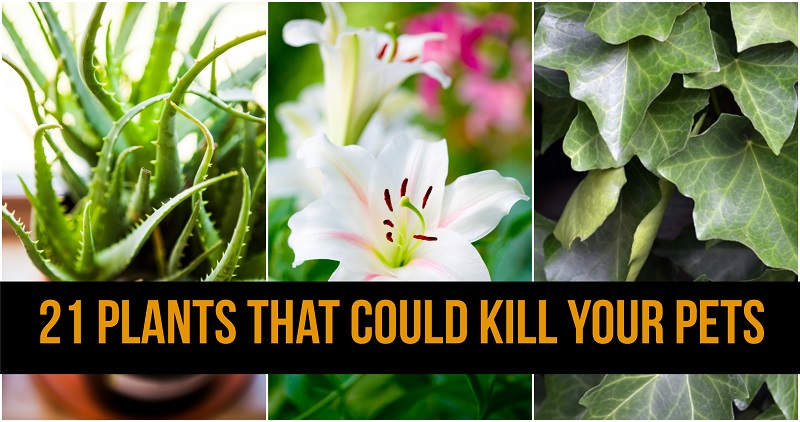
Lilies are beautiful and fragrant, but they're also highly toxic to cats and dogs. The pollen, leaves, and flowers of lilies contain a compound that can cause vomiting, diarrhea, and abdominal pain in pets, and can lead to kidney failure if ingested in large amounts. If you have a cat or dog, it's best to avoid having lilies in your home altogether. If you do have lilies, make sure to keep them in a secure location where your pets can't access them, and wash your hands thoroughly after handling the plants.
3. Sago Palm (Cycas revoluta)
The sago palm is a popular ornamental plant that's known for its distinctive seeds and feathery leaves. However, the seeds of the sago palm contain a toxic compound called cycasin, which can cause liver failure and death in pets if ingested. The seeds are particularly toxic, and can cause symptoms like vomiting, diarrhea, and lethargy in pets. If you have a sago palm in your home, make sure to keep the seeds out of reach of your pets, and consider replacing the plant with a non-toxic alternative.

4. Tulip (Tulipa spp.)
Tulips are beautiful and colorful, but they're also toxic to pets. The bulbs of tulips contain a compound that can cause vomiting, diarrhea, and respiratory problems in pets, and can lead to cardiac arrest if ingested in large amounts. If you have tulips in your home, make sure to keep them in a secure location where your pets can't access them, and wash your hands thoroughly after handling the bulbs.
5. Daffodil (Narcissus spp.)
Daffodils are another popular spring flower that's toxic to pets. The bulbs of daffodils contain a compound that can cause vomiting, diarrhea, and abdominal pain in pets, and can lead to respiratory failure if ingested in large amounts. If you have daffodils in your home, make sure to keep them in a secure location where your pets can't access them, and wash your hands thoroughly after handling the bulbs.
6. Azalea (Rhododendron spp.)
Azaleas are beautiful and fragrant, but they're also toxic to pets. The leaves and flowers of azaleas contain a compound that can cause vomiting, diarrhea, and abdominal pain in pets, and can lead to cardiac arrest if ingested in large amounts. If you have azaleas in your home, make sure to keep them in a secure location where your pets can't access them, and wash your hands thoroughly after handling the plants.
7. Oleander (Nerium oleander)
Oleander is a popular ornamental plant that's known for its beautiful flowers and ability to purify the air. However, it's also highly toxic to pets, and can cause symptoms like vomiting, diarrhea, and abdominal pain if ingested. The leaves and flowers of oleander contain a compound that can lead to cardiac arrest and death in pets, so it's best to avoid having oleander in your home altogether.

What to Do If Your Pet Ingests a Toxic Plant
If you suspect that your pet has ingested a toxic plant, it's essential to act quickly. The first thing to do is to remove your pet from the area and prevent them from ingesting any more of the plant. Then, contact your veterinarian or a pet poison hotline for advice. They may recommend inducing vomiting, administering activated charcoal, or providing supportive care like fluids and medication. In severe cases, your pet may need to be hospitalized for treatment.
Prevention is the Best Medicine
The best way to keep your pets safe from toxic plants is to prevent them from accessing the plants in the first place. Here are some tips to help you pet-proof your home:
Keep Plants Out of Reach
Keep plants in high locations where your pets can't access them, like on top of a bookshelf or in a hanging basket. This will prevent your pets from ingesting the plants, and will also prevent them from getting tangled in the leaves or stems.
Use Plant Covers
Use plant covers or plant sleeves to prevent your pets from accessing the plants. These covers can be made of plastic or fabric, and can be placed over the soil or around the pot to prevent your pets from getting to the plants.
Choose Non-Toxic Plants
Choose non-toxic plants that are safe for your pets to be around. Some examples of non-toxic plants include spider plants, parlor palms, and prayer plants. These plants are safe for your pets to ingest, and can add beauty and freshness to your home.
Supervise Your Pets
Supervise your pets when they're in the same room as plants, and make sure they're not trying to ingest the plants. If you notice your pet trying to eat a plant, intervene immediately and remove the plant from the area.
Conclusion
Toxic plants can be a serious threat to your pets, but by being aware of the risks and taking steps to prevent them, you can keep your pets safe. Remember to keep plants out of reach, use plant covers, choose non-toxic plants, and supervise your pets when they're around plants. If you suspect that your pet has ingested a toxic plant, act quickly and seek advice from a veterinarian or pet poison hotline. By taking these steps, you can create a safe and welcoming home for your pets, and enjoy the beauty of plants without putting your pets at risk.
0 Response to "7 Plants in Your House That Could Kill Your Pet"
Post a Comment