You Won’t Believe This Animal’s Size and Speed
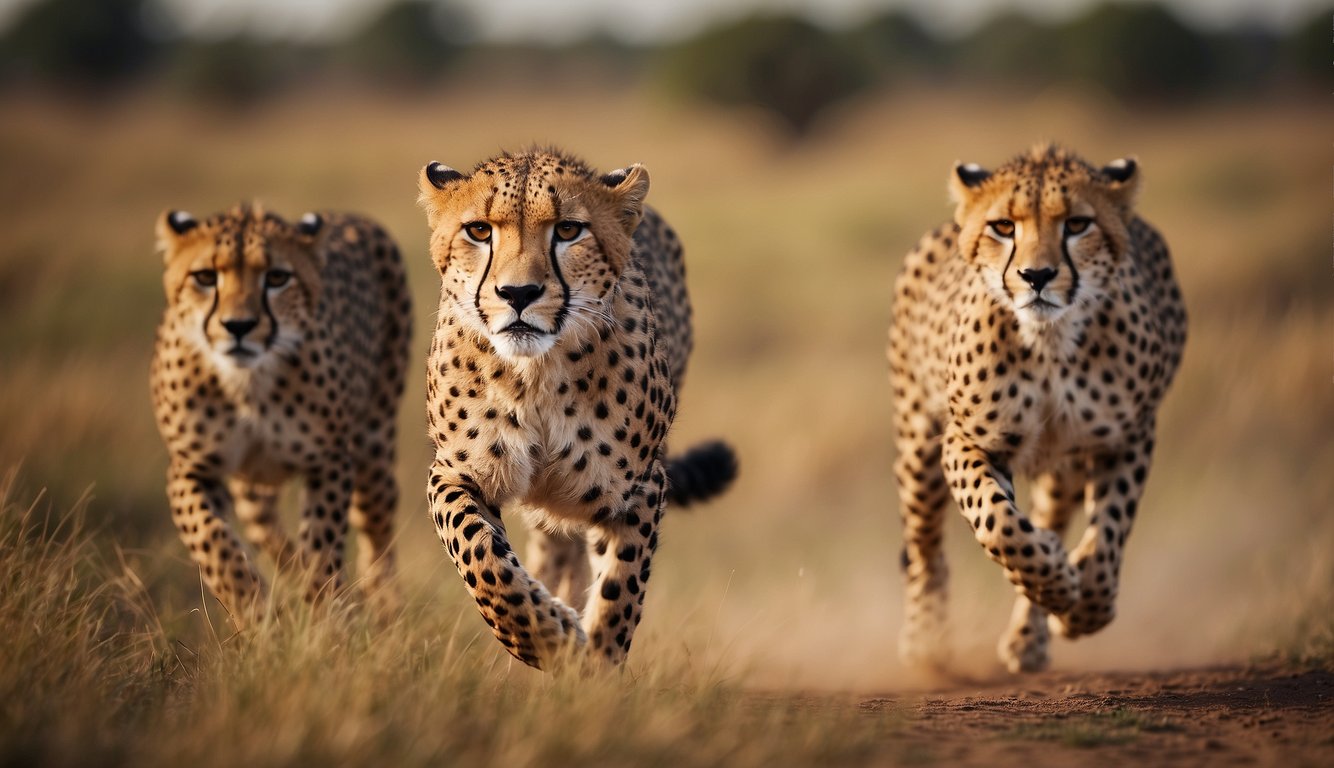
When it comes to the animal kingdom, there's no shortage of fascinating creatures that can leave us in awe. From the majestic lions of the savannah to the intelligent dolphins of the ocean, each species has its unique characteristics that set it apart from the rest. However, there's one animal that stands out from the crowd, not just because of its size, but also its incredible speed. Say hello to the cheetah, the fastest land animal on Earth.
Introduction to the Cheetah
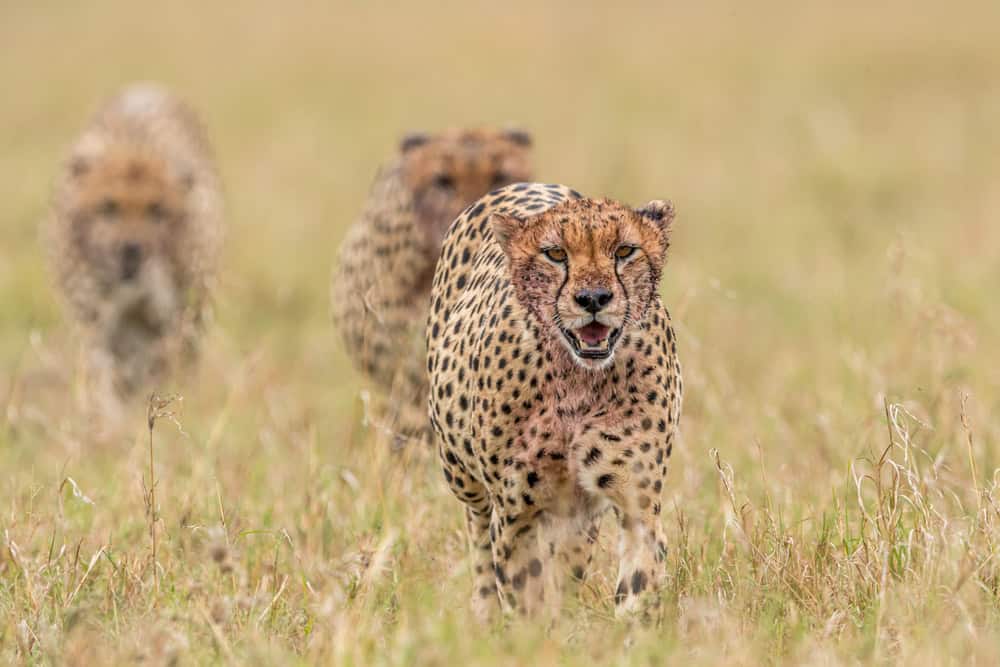
The cheetah is a big cat that belongs to the family Felidae. It's native to the savannahs and grasslands of Africa and a small portion of Iran. With its slender body, long legs, and distinctive "tear lines" that run from its eyes to its mouth, the cheetah is a stunning creature to behold. But what really sets it apart is its incredible speed, which can reach up to 70 miles per hour (113 kilometers per hour). To put that into perspective, the cheetah can go from 0 to 60 miles per hour in just three seconds, making it faster than most sports cars.
 Believe This Animals Size and Speed Introduction to the Cheetah" loading="lazy" style="max-width:700px;width:100%;height:auto;border-radius:8px;">
Physical Characteristics
So, what makes the cheetah so fast? It all comes down to its physical characteristics. The cheetah has a unique body shape that's designed for speed. Its long legs, flexible spine, and non-retractable claws provide the cheetah with the traction and power it needs to accelerate quickly. The cheetah's tail also plays a crucial role in its speed, acting as a counterbalance to help the cheetah make sharp turns and quick changes in direction. And let's not forget the cheetah's powerful muscles, which make up a significant portion of its body weight. All these physical characteristics combined make the cheetah a formidable predator that can catch its prey off guard.
The cheetah's size is also quite impressive. While it's not the largest big cat, the cheetah can weigh up to 140 pounds (64 kilograms) and reach lengths of up to 5 feet (1.5 meters). Its slender body and long legs make it appear even larger than it actually is, giving it an intimidating presence on the savannah.
 Wont Believe This Animals Size and Speed Conservation Status" loading="lazy" style="max-width:700px;width:100%;height:auto;border-radius:8px;">
Hunting and Diet
So, what does the cheetah eat? As a carnivore, the cheetah's diet consists mainly of small to medium-sized antelopes, such as Thomson's gazelles and impalas. The cheetah uses its speed to chase down its prey, often getting as close as possible before making a final sprint to catch its unsuspecting meal. The cheetah's hunting strategy is quite unique, using its speed and agility to outmaneuver its prey rather than relying on stealth or ambush tactics. This approach allows the cheetah to hunt during the day, when its prey is most active, giving it a distinct advantage over other predators.
Despite its impressive hunting skills, the cheetah is also a vulnerable species. With a declining population due to habitat loss, human-wildlife conflict, and poaching, conservation efforts are underway to protect the cheetah and its habitat.
 You Wont Believe This Animals Size and Speed Conclusion" loading="lazy" style="max-width:700px;width:100%;height:auto;border-radius:8px;">
Conservation Status
The cheetah is currently listed as vulnerable on the IUCN Red List, with estimates suggesting that there are only around 7,000 cheetahs left in the wild. The main threats to the cheetah's survival include habitat loss and fragmentation, human-wildlife conflict, poaching, and the illegal pet trade. As the cheetah's habitat is converted into agricultural land or urban areas, the cheetah is forced to compete with humans for space and resources. This can lead to conflicts between cheetahs and farmers, who may see the cheetah as a threat to their livelihoods.
Conservation efforts are underway to protect the cheetah and its habitat. National parks and protected areas have been established to provide a safe haven for the cheetah, while community-based conservation initiatives aim to educate local communities about the importance of cheetah conservation. Additionally, research programs are studying the cheetah's behavior, habitat, and population dynamics to better understand the species and develop effective conservation strategies.
Interesting Facts
Despite its impressive speed, the cheetah is not built for long-distance running. It can only sustain its top speed for around 20-30 seconds, after which it needs to slow down to catch its breath. This is because the cheetah's body temperature can rise rapidly during intense exercise, causing it to overheat. To avoid this, the cheetah will often use its speed in short bursts, chasing down its prey over a short distance before slowing down to avoid exhaustion.
The cheetah is also a diurnal animal, meaning it's most active during the day. This is unusual for a big cat, as most species are nocturnal or crepuscular (active at twilight). The cheetah's diurnal nature allows it to hunt during the day, when its prey is most active, giving it a distinct advantage over other predators.

Cheetahs in Captivity
Cheetahs are also found in captivity, in zoos and wildlife sanctuaries around the world. These institutions play an important role in cheetah conservation, providing a safe haven for rescued cheetahs and educating the public about the species. Many zoos and sanctuaries also participate in breeding programs, which help to increase the cheetah population and reduce the demand for wild-caught cheetahs.
However, keeping cheetahs in captivity can be challenging. Cheetahs require a lot of space to roam and exercise, and their enclosures must be designed to mimic their natural habitat. The cheetah's dietary needs must also be met, which can be expensive and logistically challenging. Despite these challenges, many zoos and sanctuaries are doing excellent work in caring for cheetahs and promoting their conservation.
Conclusion
In conclusion, the cheetah is an incredible animal that's capable of reaching incredible speeds. Its unique physical characteristics, combined with its powerful muscles and flexible spine, make it a formidable predator that can catch its prey off guard. However, the cheetah is also a vulnerable species that's threatened by habitat loss, human-wildlife conflict, and poaching. Conservation efforts are underway to protect the cheetah and its habitat, but more needs to be done to ensure the long-term survival of this incredible species.
The cheetah's size and speed are just two of the many fascinating aspects of this animal. Its hunting strategy, social behavior, and conservation status are all important topics that deserve further exploration. By learning more about the cheetah and its habitat, we can gain a deeper appreciation for this incredible species and the important role it plays in the ecosystem.
As we continue to learn more about the cheetah and its habits, we're reminded of the importance of conservation and protecting our planet's precious wildlife. The cheetah may be a vulnerable species, but it's also a resilient one, and with our help, it can continue to thrive for generations to come. By supporting conservation efforts and spreading awareness about the cheetah's plight, we can all play a role in ensuring the long-term survival of this incredible animal.
0 Response to "You Won’t Believe This Animal’s Size and Speed"
Post a Comment