The Most Unique Animals Ever on Earth
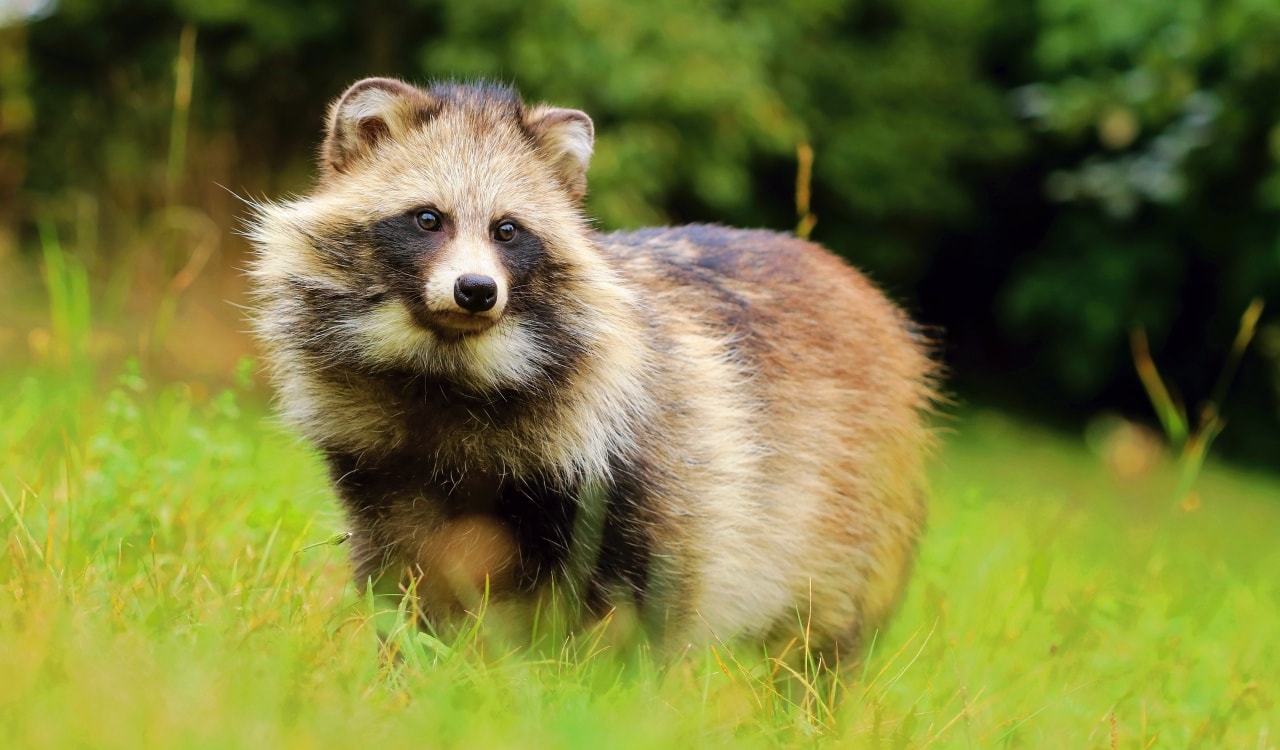
The natural world is full of incredible and unique animals that continue to fascinate and inspire us. From the depths of the ocean to the highest mountains, our planet is home to a staggering array of creatures that have evolved to thrive in even the most extreme environments. In this article, we'll take a journey to explore some of the most unique animals that have ever existed on Earth, and discover what makes them so special.
Introduction to Unique Animals
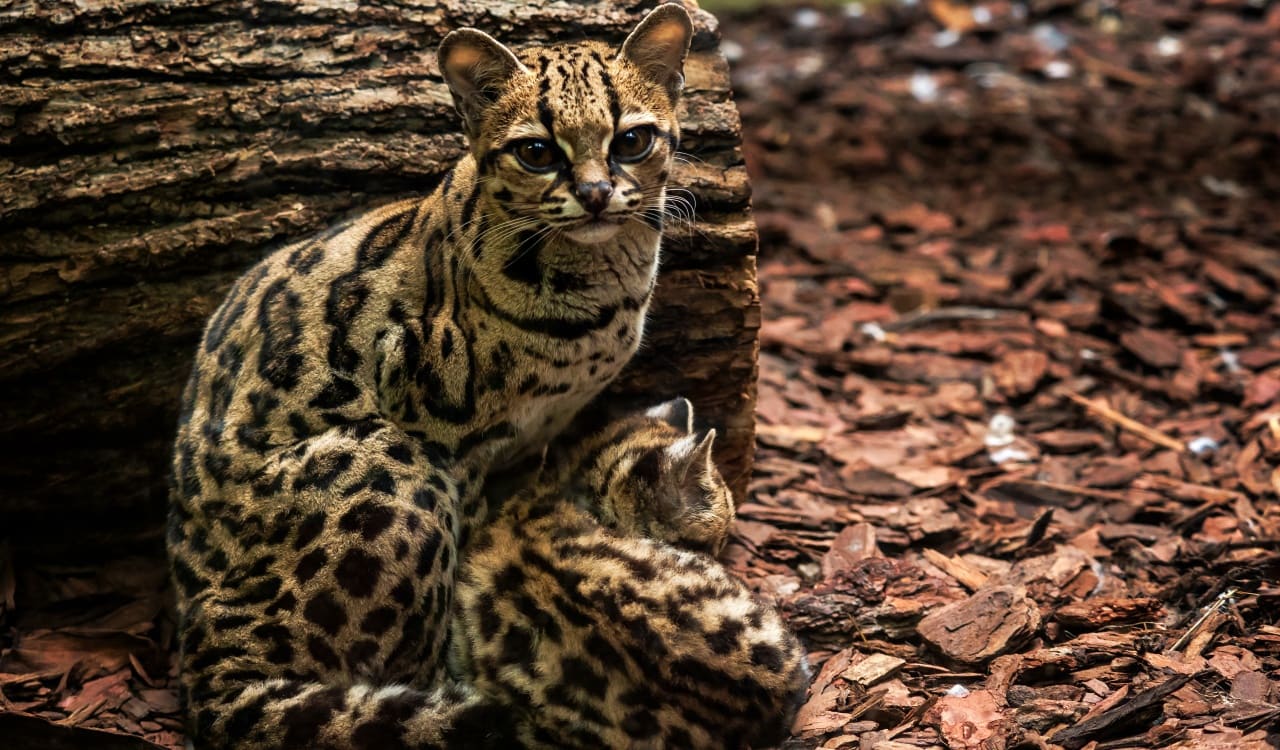
When we think of unique animals, we often imagine creatures that are rare, exotic, or have extraordinary abilities. But what makes an animal truly unique? Is it its appearance, its behavior, or its adaptations to its environment? The answer is often a combination of these factors, and more. Unique animals can be found in all shapes and sizes, from the tiny, iridescent feathers of a hummingbird to the massive, gentle giant of a blue whale. Each of these creatures has evolved to occupy a specific niche in its ecosystem, and their unique characteristics have allowed them to thrive in ways that other animals cannot.
One of the most fascinating things about unique animals is the way they challenge our perceptions of what is possible in the natural world. Take, for example, the axolotl, a type of salamander that has the ability to regrow its limbs and is found in the lakes and canals of Mexico. This incredible creature has the power to regenerate its brain, eyes, and parts of its spinal cord, making it a subject of great interest for scientists and animal enthusiasts alike.
 Most Unique Animals Ever on Earth Introduction to Unique Animals" loading="lazy" style="max-width:700px;width:100%;height:auto;border-radius:8px;">
The Aye-Aye: A Lemur Like No Other
The aye-aye is a type of lemur found only in Madagascar, and it's widely considered to be one of the most unusual primates in the world. With its long, thin fingers and toes, and its oversized eyes and ears, the aye-aye looks like something out of a science fiction movie. But what really sets this lemur apart is its unique method of hunting, which involves using its long middle finger to catch insects and grubs. The aye-aye will insert its finger into a hole in a tree, feeling for the presence of its prey, and then use its sharp teeth to bite down and kill it. This bizarre behavior has led to the aye-aye being considered an omen of bad luck in some parts of Madagascar, where it's believed to have the power to bring death and destruction.
Despite its fearsome reputation, the aye-aye is actually a gentle and intelligent creature, and it's considered to be one of the most endangered primates in the world. Conservation efforts are underway to protect the aye-aye and its habitat, but more needs to be done to ensure the long-term survival of this incredible animal.

The Mola Mola: The Ocean's Largest Fish
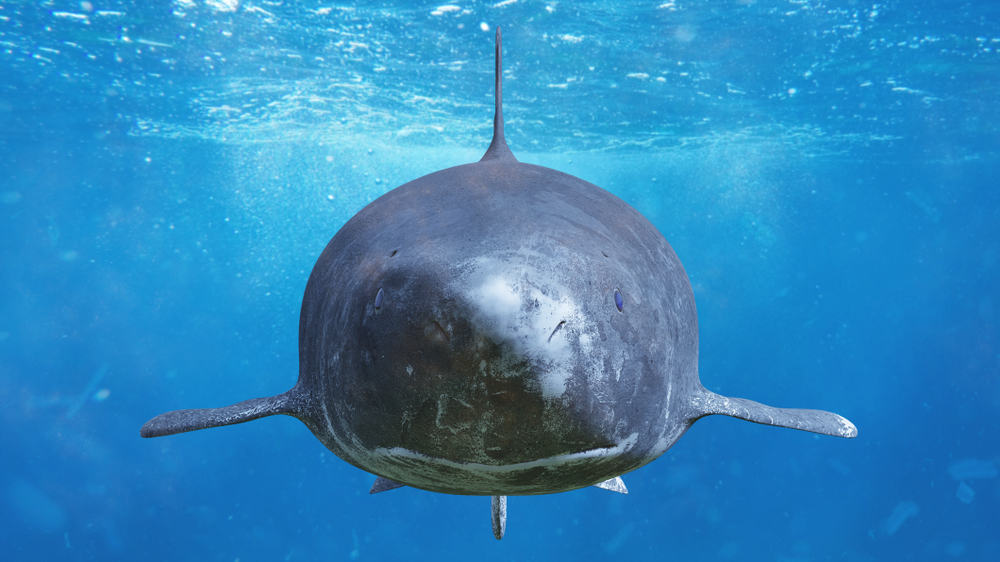
The mola mola, also known as the ocean sunfish, is the largest bony fish in the world, with some specimens reaching up to 3 meters in length and weighing over 2,000 kilograms. Despite its massive size, the mola mola is a gentle giant, feeding on a diet of jellyfish and plankton in the warm, tropical waters of the Pacific and Atlantic oceans. One of the most interesting things about the mola mola is its unique body shape, which is flattened and rounded like a giant disk. This allows the fish to swim efficiently through the water, using its small fins to steer and maneuver.
Another fascinating feature of the mola mola is its ability to dive to great depths in search of food. Some specimens have been tracked diving as deep as 700 meters, where the pressure is extreme and the light is scarce. This allows the mola mola to feed on deep-sea jellyfish and other creatures that other fish can't access, making it one of the most successful and widespread fish in the ocean.
Unique Animals of the Past
While there are many unique animals alive today, there have also been many fascinating creatures that have gone extinct over the centuries. One of the most interesting examples is the quagga, a type of zebra that was once found in large numbers in South Africa. The quagga was characterized by its distinctive stripes, which only covered the front half of its body, giving it a unique and striking appearance. Unfortunately, the quagga was hunted to extinction in the late 19th century, and the last specimen died in captivity in 1883.
Another example of a unique extinct animal is the thylacine, also known as the Tasmanian tiger. This carnivorous marsupial was found in Tasmania and mainland Australia, and was characterized by its distinctive stripes and powerful jaws. The thylacine was hunted to extinction in the 1930s, and the last specimen died in captivity in 1936. Despite its extinction, the thylacine remains a fascinating and mysterious creature, and its legacy lives on in the form of conservation efforts and scientific research.

The Discovery of New Species
Despite the many unique animals that have gone extinct, there are still many new species being discovered every year. In fact, it's estimated that there may be as many as 30 million different species on Earth, although only a small fraction of these have been formally described and classified. The discovery of new species is an exciting and ongoing process, with scientists using a range of techniques from DNA analysis to field observations to identify and describe new creatures.
One of the most significant discoveries in recent years is the finding of a new species of ancient human in the Philippines, known as Homo luzonensis. This diminutive species, which is thought to have lived on the island of Luzon at least 50,000 years ago, is characterized by its small size and primitive features, and is believed to have been one of the first human species to migrate out of Africa. The discovery of Homo luzonensis has shed new light on the evolution of the human species, and has raised important questions about the origins and migrations of our ancient ancestors.
Conclusion
In conclusion, the natural world is full of unique and fascinating animals, from the axolotl and the aye-aye to the mola mola and the thylacine. Each of these creatures has evolved to occupy a specific niche in its ecosystem, and their unique characteristics have allowed them to thrive in ways that other animals cannot. By studying and learning about these incredible animals, we can gain a deeper appreciation for the diversity and complexity of life on Earth, and work to protect and conserve the many species that are under threat. Whether you're a scientist, a conservationist, or simply someone who loves animals, there's never been a more exciting time to explore the natural world and discover the many wonders that it holds.
0 Response to "The Most Unique Animals Ever on Earth"
Post a Comment