See This Animal Before They’re Gone!

As we go about our daily lives, it's easy to forget about the incredible diversity of wildlife that shares our planet. But the truth is, many species are on the brink of extinction, and it's up to us to take notice and take action. In this article, we'll explore some of the most endangered animals on the planet, and why it's so important that we see them before they're gone. From the majestic mountain gorilla to the tiny vaquita, these incredible creatures are a reminder of the beauty and wonder of the natural world.
Introduction to Endangered Species
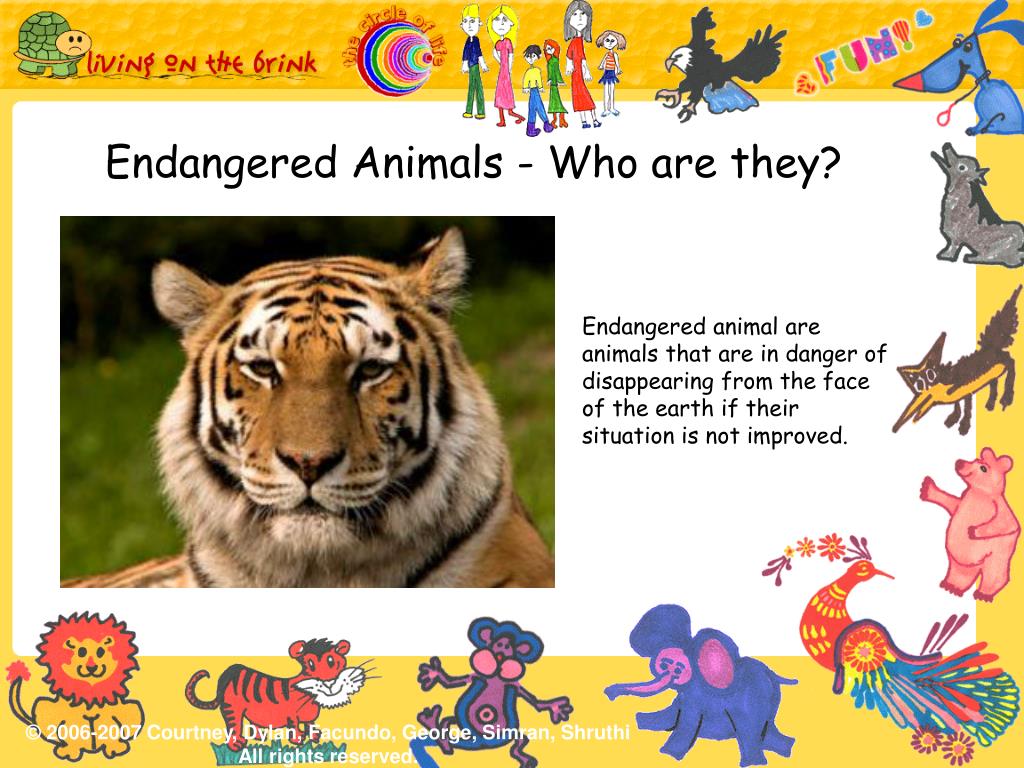
So, what exactly is an endangered species? Simply put, it's a species that is at risk of becoming extinct due to a range of threats, including habitat loss, pollution, climate change, and hunting. The International Union for Conservation of Nature (IUCN) is the global authority on the conservation status of species, and it maintains a "Red List" of threatened species. According to the IUCN, there are currently over 27,000 animal species that are threatened with extinction, ranging from mammals and birds to reptiles and insects.
 See This Animal Before Theyre Gone Introduction to Endangered Species" loading="lazy" style="max-width:700px;width:100%;height:auto;border-radius:8px;">
The Impact of Human Activity
So, what's driving the decline of so many species? The answer is simple: human activity. From deforestation and habitat destruction to pollution and climate change, our actions are having a devastating impact on the natural world. Take the example of the Sumatran rhino, which is found only in Indonesia. Due to habitat loss and poaching, there are now fewer than 80 individuals remaining in the wild. It's a tragic reminder of the impact that human activity can have on the most vulnerable species.
Another example is the vaquita, which is the smallest porpoise in the world and is found only in the Gulf of California. With fewer than 20 individuals remaining, the vaquita is the most endangered marine mammal on the planet. The main threat to the vaquita is entanglement in fishing nets, which is a direct result of human activity. It's a heartbreaking example of how our actions can have unintended consequences for the most vulnerable species.
The Importance of Conservation Efforts
So, what can we do to help? The answer is simple: support conservation efforts. From donating to reputable organizations to spreading awareness about the plight of endangered species, every little bit counts. Take the example of the mountain gorilla, which is found in the Virunga Mountains in central Africa. Thanks to conservation efforts, the population of mountain gorillas has been increasing in recent years, and there are now over 1,000 individuals in the wild. It's a powerful reminder of the impact that conservation efforts can have when we work together to protect the most vulnerable species.

The Role of National Parks and Protected Areas
National parks and protected areas play a critical role in the conservation of endangered species. By providing a safe habitat for species to thrive, these areas help to reduce the impact of human activity and protect species from extinction. Take the example of the Serengeti National Park in Tanzania, which is home to an incredible array of wildlife, including lions, elephants, and giraffes. The park provides a safe habitat for these species to roam and hunt, and it's a powerful reminder of the importance of protected areas in the conservation of endangered species.
Another example is the Great Barrier Reef in Australia, which is the largest coral reef system in the world. The reef is home to an incredible array of marine life, including corals, fish, and turtles. However, the reef is under threat from climate change and pollution, and it's up to us to take action to protect it. By supporting conservation efforts and reducing our impact on the environment, we can help to preserve the reef for future generations.
Species on the Brink of Extinction
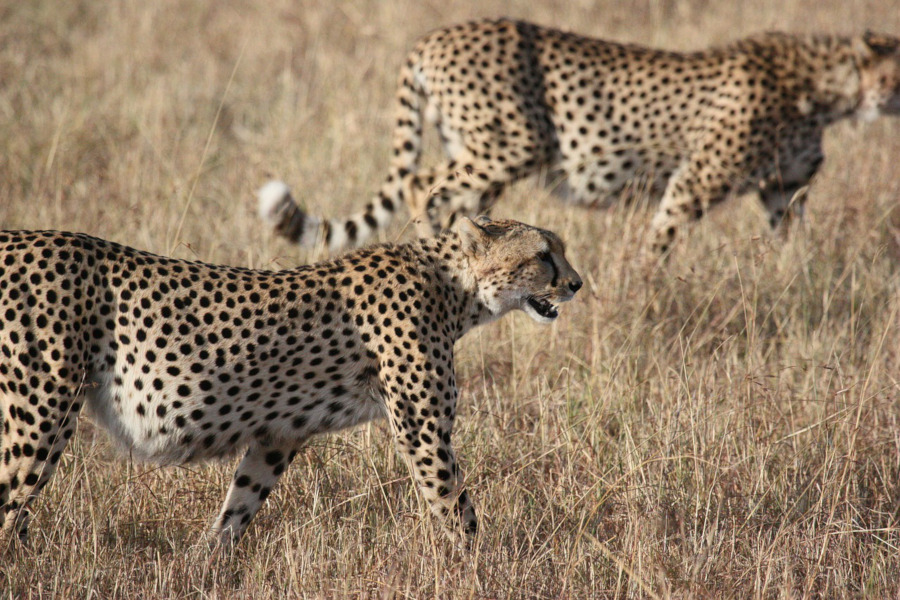
So, which species are on the brink of extinction? The answer is sobering. From the Amur leopard to the Javan rhino, there are countless species that are at risk of disappearing forever. Take the example of the Asiatic cheetah, which is found only in Iran. With fewer than 50 individuals remaining in the wild, the Asiatic cheetah is one of the most endangered big cats in the world. It's a tragic reminder of the impact that human activity can have on the most vulnerable species.
The Plight of the Pangolin
Another example is the pangolin, which is found in Africa and Asia. The pangolin is the most trafficked mammal on the planet, and it's estimated that over 1 million individuals have been poached in the past decade. The main threat to the pangolin is the demand for its scales, which are used in traditional medicine. It's a heartbreaking example of how human greed can drive species to the brink of extinction.
But it's not all doom and gloom. There are many organizations and individuals working tirelessly to protect the pangolin and other endangered species. From conservation efforts to education and awareness campaigns, there are many ways that we can help to make a difference. By supporting these efforts and reducing our impact on the environment, we can help to preserve the pangolin and other endangered species for future generations.
What You Can Do to Help
So, what can you do to help? The answer is simple: get involved. From donating to reputable organizations to spreading awareness about the plight of endangered species, every little bit counts. Take the example of the World Wildlife Fund (WWF), which is one of the largest and most respected conservation organizations in the world. The WWF works to protect endangered species and their habitats, and it relies on donations and support from individuals like you to continue its work.
Reducing Your Impact on the Environment
Another way to help is to reduce your impact on the environment. From reducing your carbon footprint to using eco-friendly products, there are many ways that you can make a difference. Take the example of single-use plastics, which are a major threat to marine life and other species. By reducing your use of single-use plastics and recycling as much as possible, you can help to reduce the impact of human activity on the environment.
Finally, it's up to us to take action to protect the most vulnerable species. By supporting conservation efforts, reducing our impact on the environment, and spreading awareness about the plight of endangered species, we can help to preserve the natural world for future generations. It's a big task, but together, we can make a difference. So, let's get started and see these incredible animals before they're gone.
0 Response to "See This Animal Before They’re Gone!"
Post a Comment