The Smartest Animals After Humans
Ever looked into the eyes of an animal and wondered just how much they understand? We often think of ourselves as the pinnacle of intelligence, but the animal kingdom is full of creatures with astonishing cognitive abilities. Prepare to have your mind blown as we delve into the fascinating world of animal intelligence, exploring which species give humanity a run for its money.
It's easy to fall into the trap of anthropocentrism, judging intelligence solely based on human standards. We may ask ourselves if animals think, feel, or reason like us. How can we be sure which species are capable of complex thought and problem-solving? Are there other forms of intelligence that we aren’t even recognizing?
This exploration isn't about dethroning humans but about appreciating the diverse forms of intelligence that exist on our planet. We're going to look at some of the animals that consistently rank high on the intelligence scale, examining their unique skills, behaviors, and cognitive abilities that allow them to navigate their world in incredibly clever ways.
So, which animals truly stand out? We’ll be discussing the usual suspects like chimpanzees, dolphins, and elephants, but also exploring some less obvious contenders like crows, octopuses, and even pigs. We'll touch on their problem-solving skills, social intelligence, communication abilities, and capacity for learning, highlighting how their intelligence is uniquely adapted to their environments. Key topics covered include animal cognition, comparative intelligence, and animal behavior.
Chimpanzees: Our Closest Relatives
My first real glimpse into the intelligence of chimpanzees came during a visit to a wildlife sanctuary. I watched in amazement as a chimp named Bobo used a stick to fish termites out of a log. He wasn't just randomly poking; he carefully selected the right-sized twig, stripped it of leaves, and then skillfully inserted it into the termite mound, patiently waiting for the tasty insects to latch on. It was like watching a human craftsman at work, demonstrating problem-solving, tool use, and planning - abilities we often consider uniquely human.
Beyond their impressive tool skills, chimpanzees possess remarkable social intelligence. They live in complex social groups with intricate hierarchies, alliances, and rivalries. They can recognize individual faces, remember past interactions, and use tactical deception to get what they want. Scientists have observed chimpanzees forming coalitions to overthrow dominant males, cooperating in hunts, and even engaging in reconciliation behaviors after conflicts, showing a level of social awareness that is truly fascinating. Chimpanzees showcase advanced cognitive abilities. Their capacity for learning and adaptation makes them the primates closest to us in terms of intelligence. They demonstrate a wide range of skills that challenge our understanding of the line between humans and animals.
Dolphins: Masters of Communication
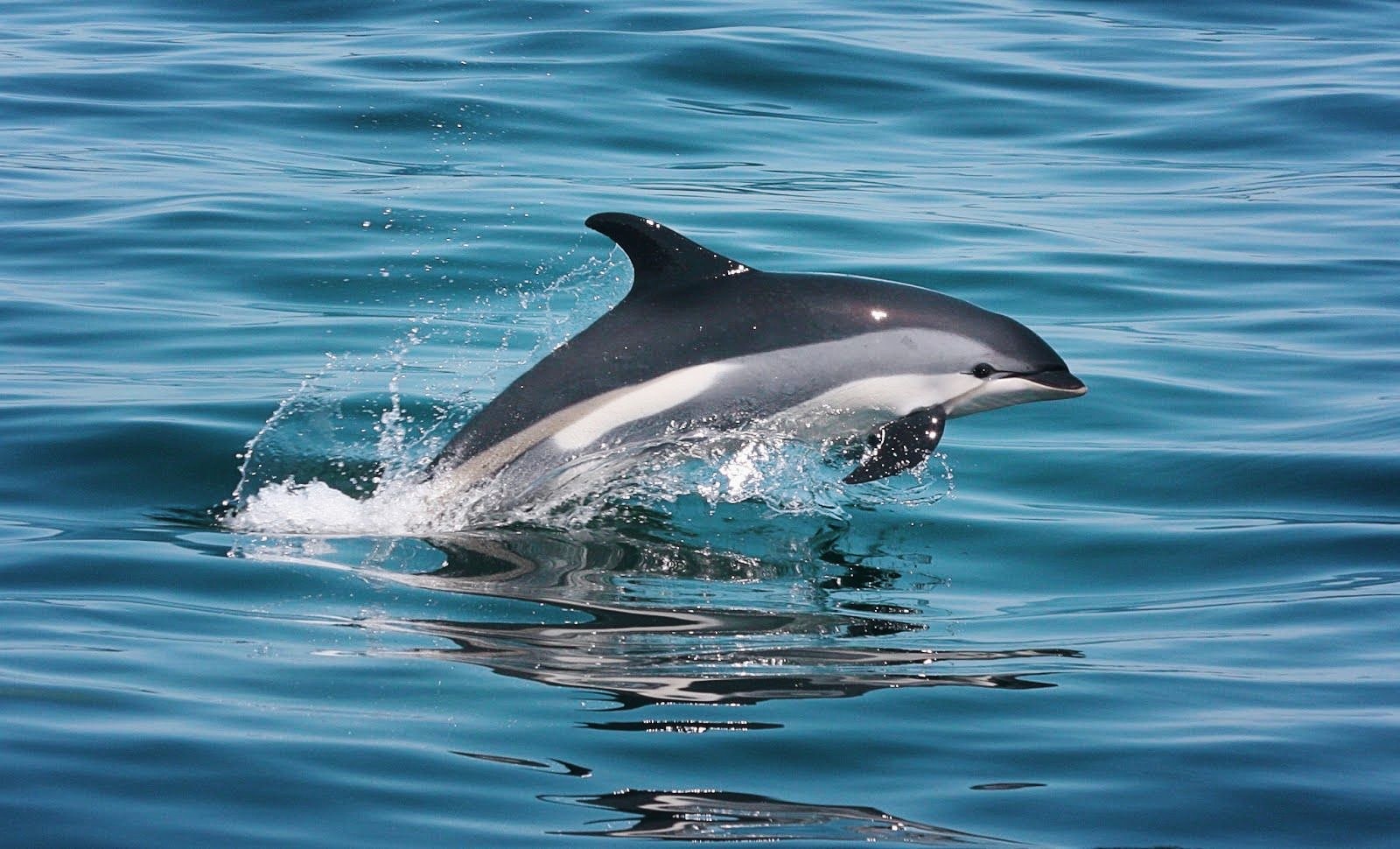
Dolphins are renowned for their complex communication skills and social intelligence. They use a variety of clicks, whistles, and body language to communicate with each other, and each dolphin even has its own unique signature whistle that serves as a name. This allows them to identify each other even when they can't see each other, which is crucial for maintaining social bonds within their pods.
Beyond their vocalizations, dolphins exhibit impressive problem-solving abilities. They can learn to perform complex tricks, understand abstract concepts, and even cooperate with humans to catch fish. In some areas, dolphins work alongside fishermen, driving fish towards their nets in exchange for a share of the catch. This requires a high level of understanding and trust, further highlighting their intelligence. Research has also shown that dolphins are capable of recognizing themselves in mirrors, a test of self-awareness that only a few species have passed. This suggests that they have a sense of identity and are able to think about themselves as individuals, placing them among the most intelligent creatures on Earth.
Crows: The Avian Einsteins
Crows might not be the most cuddly or charismatic animals, but they are undeniably intelligent. These black-feathered birds possess remarkable problem-solving abilities, tool-using skills, and even a sense of humor. In one experiment, researchers presented crows with a water-filled tube containing a floating treat that was out of reach. The crows quickly figured out that they could raise the water level by dropping stones into the tube, eventually retrieving the treat. This demonstrated a clear understanding of cause and effect, as well as the ability to plan and execute a multi-step solution.
Crows also use tools in the wild, crafting hooks from twigs to extract insects from logs and using rocks to crack open nuts. They can even remember where they've hidden food caches and retrieve them months later. What's even more impressive is that crows can learn from each other, passing down knowledge and skills to future generations. This cultural transmission of knowledge is a hallmark of intelligence and is rarely seen in the animal kingdom. Crows are not just clever birds; they are a testament to the power of adaptation and learning.
Octopuses: The Tentacled Geniuses
Octopuses are invertebrates, a group of animals not typically associated with high intelligence. However, these eight-armed cephalopods are surprisingly clever creatures, capable of solving complex puzzles, escaping from enclosures, and even recognizing individual humans. Octopuses have a decentralized nervous system, with each arm containing its own miniature brain. This allows them to perform multiple tasks simultaneously, such as using one arm to open a jar while using another to explore its contents.
They are also masters of camouflage, changing their skin color and texture to blend seamlessly with their surroundings. This requires a high level of sensory processing and control over their pigment cells. In laboratory settings, octopuses have demonstrated the ability to open jars, navigate mazes, and even predict the outcome of sporting events. They are curious, playful, and remarkably adaptable, proving that intelligence can take many different forms. The intelligence of octopuses challenges our preconceived notions about the relationship between brain size and cognitive ability.
Recommendations for Learning More
If you're fascinated by animal intelligence, there are many resources available to deepen your understanding. Start by watching documentaries like "My Octopus Teacher," which offers a unique and intimate glimpse into the life of an octopus and its interactions with a human diver. Read books like "Are We Smart Enough to Know How Smart Animals Are?" by Frans de Waal, which challenges our anthropocentric views and explores the cognitive abilities of various species. You can also follow research from scientists like Irene Pepperberg, known for her work with the African grey parrot Alex, who demonstrated remarkable language comprehension and cognitive skills. Visit zoos and aquariums with a critical eye, observing the behavior of animals and considering their problem-solving abilities, social interactions, and communication methods.
By exploring these resources and engaging with the scientific community, you can gain a deeper appreciation for the diverse forms of intelligence that exist in the animal kingdom. This will not only expand your knowledge but also challenge your assumptions about the relationship between humans and other species. Keep an open mind and be prepared to be amazed by the hidden talents of the animals around us.
Exploring Animal Cognition in Detail
Animal cognition is a broad field that encompasses all aspects of an animal's mental abilities, including perception, learning, memory, problem-solving, and social intelligence. Researchers use a variety of methods to study animal cognition, from simple observation to complex experiments involving tool use, spatial navigation, and communication. One key area of research is comparative cognition, which seeks to understand how cognitive abilities vary across different species and how these abilities have evolved over time. By comparing the cognitive skills of different animals, scientists can gain insights into the underlying neural mechanisms that support intelligence.
Another important area of research is animal consciousness, which explores whether animals are aware of themselves and their surroundings. This is a difficult question to answer, but researchers have developed various tests to assess self-awareness, such as the mirror test, which measures whether an animal can recognize its own reflection. While only a few species have passed the mirror test, other studies have shown that animals are capable of experiencing emotions, forming social bonds, and even engaging in empathy, suggesting that they have a rich and complex inner life. The study of animal cognition is constantly evolving, and new discoveries are challenging our understanding of the relationship between humans and other species.
Tips for Observing Animal Intelligence
When observing animals, it's important to be patient and observant, paying attention to their behavior, social interactions, and problem-solving skills. Look for signs of intelligence, such as tool use, cooperation, communication, and learning. Consider the animal's environment and how it adapts to its surroundings.
For example, watch how squirrels navigate obstacles to reach a bird feeder, or how ants cooperate to carry large food items back to their colony. Visit zoos and aquariums, but don't just passively observe the animals. Read the informational displays and learn about their natural behaviors and cognitive abilities. Try to imagine what it's like to be that animal, how it perceives the world, and what challenges it faces. Engage with the animals in a respectful and ethical way, avoiding actions that could cause them stress or harm. By taking a more active and thoughtful approach to animal observation, you can gain a deeper appreciation for their intelligence and complexity.
Ethical Considerations in Animal Research
It is important to consider the ethical implications of studying animal intelligence. Ensuring the well-being of the animals involved in research is paramount. This includes providing them with appropriate living conditions, minimizing stress and discomfort, and avoiding unnecessary harm. Researchers should also be transparent about their methods and findings, and they should be willing to engage in public dialogue about the ethical challenges of animal research.
Additionally, we should challenge our own assumptions about the relationship between humans and other species. Just because animals are different from us doesn't mean they are less intelligent or less deserving of respect. By promoting a more ethical and compassionate approach to animal research, we can ensure that our pursuit of knowledge does not come at the expense of the animals we study. In the end, understanding animal intelligence is not just about expanding our scientific knowledge but also about fostering a deeper appreciation for the diversity and complexity of life on Earth.
Fun Facts About Animal Intelligence
Did you know that some animals can count? Researchers have shown that birds, primates, and even insects can distinguish between different quantities of objects. Some animals can even perform simple arithmetic. For example, chimpanzees can add and subtract small numbers, and honeybees can learn to associate different colors with different numerical values.
Another fascinating fact is that some animals can use tools in incredibly creative ways. For example, sea otters use rocks to crack open shellfish, and Egyptian vultures use stones to break open ostrich eggs. Some animals can even make their own tools. New Caledonian crows are known for crafting hooks from twigs to extract insects from logs. These are just a few of the many amazing examples of animal intelligence. The animal kingdom is full of surprises, and new discoveries are being made all the time.
How to Support Animal Intelligence Research
Supporting animal intelligence research is crucial for expanding our understanding of the cognitive abilities of different species and for promoting ethical treatment of animals. You can support this research by donating to reputable organizations that fund scientific studies, advocating for policies that protect animal welfare, and educating yourself and others about the importance of animal cognition.
You can also participate in citizen science projects that involve observing animal behavior and collecting data. This can be a fun and rewarding way to contribute to scientific research while learning more about the animals around you. Finally, be mindful of your own actions and how they might impact animals. Choose sustainable products, reduce your carbon footprint, and avoid supporting industries that harm animals or their habitats. By working together, we can create a world where animals are valued and respected for their intelligence and their contributions to our planet.
What if Animals Could Talk?
The thought of animals being able to talk is both fascinating and unsettling. Imagine the insights we could gain into their thoughts, feelings, and perspectives. We could learn about their social structures, their communication methods, and their understanding of the world. We could also learn about the challenges they face, such as habitat loss, pollution, and climate change.
However, the ability for animals to talk could also raise some difficult ethical questions. Would we be obligated to treat them differently if we knew they were capable of complex thought and communication? Would we be able to understand their language, and would they be able to understand ours? The prospect of animals talking is a reminder of the limitations of our own understanding and the importance of approaching other species with humility and respect.
Top 5 Most Intelligent Animals (Besides Humans)
Here's a quick list of animals consistently recognized for their high intelligence:
- Chimpanzees: Our closest relatives, known for their problem-solving abilities, tool use, and complex social structures.
- Dolphins: Masters of communication, capable of learning complex tricks, and possessing a high level of self-awareness.
- Elephants: Highly social animals with exceptional memories and problem-solving skills, known for their empathy and cooperation.
- Crows: Avian Einsteins, capable of using tools, solving puzzles, and learning from each other.
- Octopuses: Tentacled geniuses with decentralized nervous systems, capable of escaping enclosures, solving puzzles, and changing their skin color to camouflage themselves. These animals represent just a small fraction of the amazing diversity of intelligence in the animal kingdom. Each species has evolved unique cognitive abilities that allow it to thrive in its particular environment.
Question and Answer about Animal Intelligence
Q: How do scientists measure animal intelligence?
A: Scientists use a variety of methods to measure animal intelligence, including observational studies, experimental tasks, and comparative analyses. They may observe animal behavior in natural settings or in controlled laboratory environments. They may also design tasks that test an animal's ability to solve problems, use tools, or communicate with others.
Q: Is brain size the only factor that determines intelligence?
A: No, brain size is not the only factor that determines intelligence. While larger brains may be associated with greater cognitive capacity, other factors, such as brain structure, neural connectivity, and the ratio of brain size to body size, also play a role.
Q: Can animals learn from humans?
A: Yes, many animals can learn from humans through training, observation, and social interaction. For example, dogs can learn to follow commands, horses can learn to perform tricks, and parrots can learn to imitate human speech. Animals can also learn from humans through unintentional cues, such as body language and facial expressions.
Q: What are the ethical implications of studying animal intelligence?
A: The ethical implications of studying animal intelligence include ensuring the well-being of the animals involved in research, minimizing stress and discomfort, and avoiding unnecessary harm. Researchers should also be transparent about their methods and findings, and they should be willing to engage in public dialogue about the ethical challenges of animal research.
Conclusion of The Smartest Animals After Humans
The realm of animal intelligence is far more expansive and nuanced than we often assume. From the problem-solving prowess of chimpanzees to the communicative brilliance of dolphins, and the tool-using skills of crows, the creatures we share this planet with demonstrate cognitive abilities that challenge our anthropocentric biases. Appreciating this intelligence not only enriches our understanding of the natural world but also compels us to treat these animals with greater respect and compassion. Continuing to explore and research animal cognition will undoubtedly reveal even more astonishing insights into the minds of our fellow inhabitants of Earth.
0 Response to "The Smartest Animals After Humans"
Post a Comment