The Role of Vultures in the Environment
Imagine a world where carcasses rot in the sun, spreading disease and fouling the air. It's a grim picture, isn't it? But thankfully, we have nature's cleanup crew to keep this scenario at bay.
It's easy to overlook the essential roles certain creatures play in the grand scheme of things. Sometimes, it's even tempting to dismiss some animals as unpleasant or unimportant. But often, those creatures are silently performing a vital service, a service we might only appreciate when it's gone.
The purpose of this exploration is to shine a spotlight on the underappreciated heroes of the ecosystem – vultures. We'll delve into the crucial function they serve in maintaining environmental health and explore why their conservation is so critical.
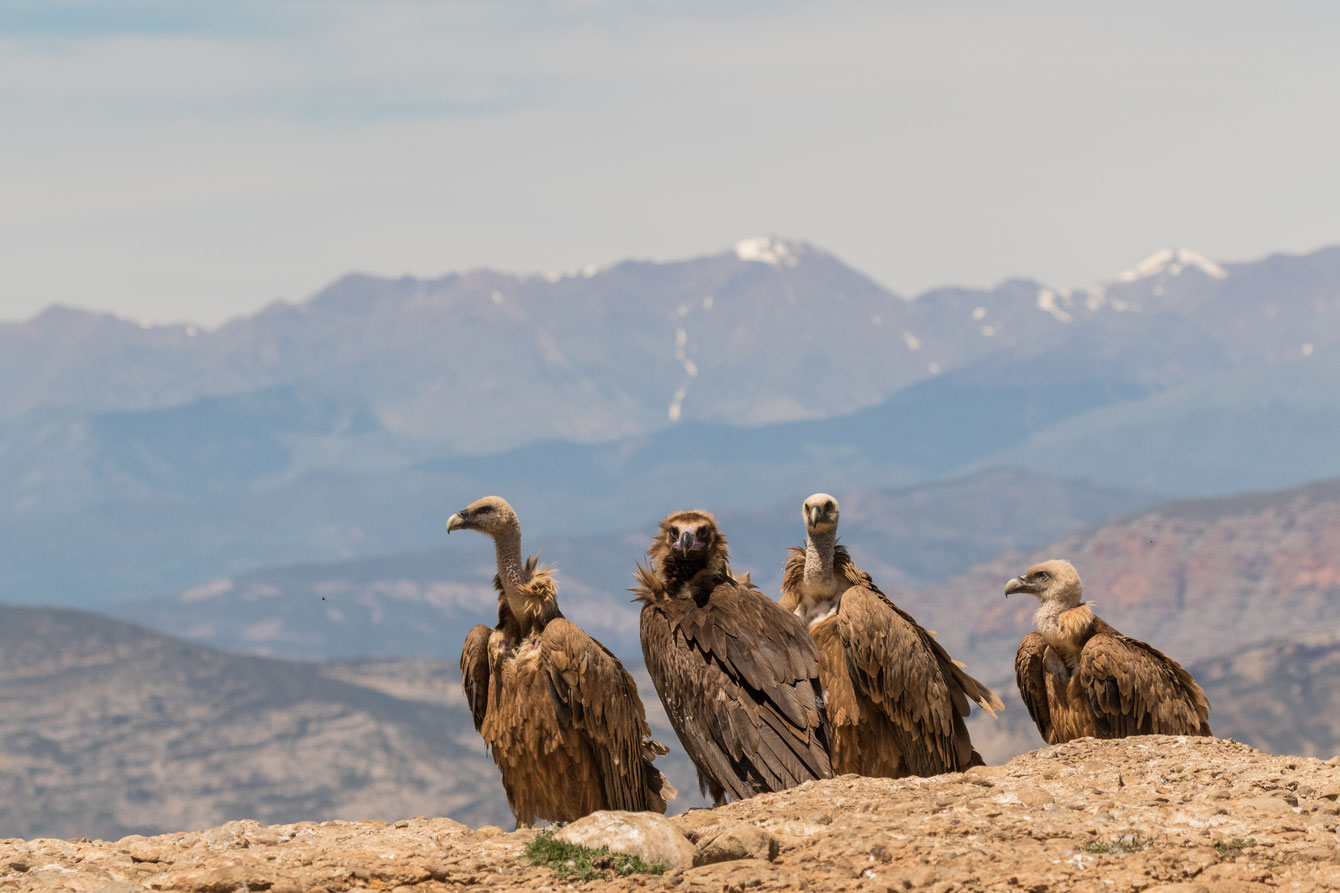
Vultures, often misunderstood and unfairly maligned, are nature's sanitation workers. By scavenging on carrion, they prevent the spread of disease, maintain ecosystem balance, and contribute to nutrient cycling. Their presence has profound implications for both human and animal health. Understanding their role is essential for effective conservation efforts. We'll uncover interesting facts, explore their historical significance, and reveal the surprising secrets of these magnificent birds, while also offering practical recommendations for how we can all contribute to their preservation. Get ready to discover a newfound appreciation for these winged wonders.
Why Vultures are Vital for Disease Control
I remember once visiting a wildlife sanctuary in Kenya. The sheer abundance of life was breathtaking, but what struck me most was the absence of the stench you might expect from so many animals living in close proximity. It was only later, after speaking with a park ranger, that I truly grasped the silent work being done by the vultures soaring overhead. These birds were diligently removing carcasses, preventing the spread of potentially devastating diseases like anthrax and rabies. The ranger explained how a decline in vulture populations could lead to a surge in these diseases, impacting both wildlife and human communities. It was a stark reminder of the interconnectedness of all living things.
Vultures possess incredibly strong stomach acid, capable of neutralizing pathogens that would be lethal to other animals. By consuming carcasses, they effectively break the disease cycle. Their rapid consumption of carrion also prevents the proliferation of flies and other insects that can spread diseases. A healthy vulture population translates to a healthier environment for everyone. Without vultures, we could face increased outbreaks of diseases, requiring costly and complex interventions to manage.
The Unsung Heroes of Ecosystem Balance
Vultures are integral to maintaining a healthy ecosystem. Think of them as nature's recyclers, efficiently breaking down organic matter and returning nutrients to the soil. They prevent the buildup of carcasses, which can pollute water sources and disrupt delicate ecological relationships. Their role is particularly crucial in areas with large populations of livestock or wild animals. Imagine the impact on a grassland ecosystem if vultures were removed; the landscape would quickly become littered with decaying carcasses, attracting pests and creating an unpleasant environment. Vultures help to maintain a natural balance, ensuring that nutrients are recycled effectively and that ecosystems remain healthy and resilient. Their presence supports biodiversity and contributes to the overall stability of the environment.
Vultures in History and Mythology
Throughout history, vultures have been viewed with a mixture of reverence and disdain. In some cultures, they were associated with death and decay, seen as harbingers of misfortune. However, in other cultures, they were revered as symbols of cleansing and renewal. Ancient Egyptians, for example, associated vultures with the goddess Nekhbet, a protector of the pharaohs. They believed that vultures symbolized motherhood and protection. In some Native American cultures, vultures were seen as messengers between the earthly and spiritual realms. Despite these varied interpretations, one thing remains constant: vultures have always been a part of the human experience. Understanding the historical and cultural significance of vultures can help us to appreciate their place in our world and to recognize the importance of their conservation.
The Hidden Secrets of Vulture Biology
Vultures possess an arsenal of adaptations that make them perfectly suited for their role as scavengers. Their bald heads prevent feathers from becoming soiled while feeding on carcasses. Their powerful beaks and claws allow them to tear through tough hides and access the nutrient-rich flesh inside. But perhaps the most remarkable adaptation is their incredible digestive system. Vultures can consume carcasses contaminated with deadly bacteria and toxins without suffering any ill effects. Their stomach acid is so potent that it can neutralize anthrax, botulism, and other pathogens. This remarkable ability makes them indispensable in preventing the spread of disease. Moreover, vultures can soar for hours on end, covering vast distances in search of food. Their keen eyesight allows them to spot carcasses from miles away, ensuring that they are among the first to arrive at the scene. These hidden secrets of vulture biology highlight the extraordinary adaptations that make them such effective scavengers.
Recommendations for Vulture Conservation
The decline of vulture populations in many parts of the world is a serious conservation concern. Habitat loss, poisoning, and hunting are among the major threats facing these birds. However, there are many things we can do to help protect vultures and ensure their survival. Supporting organizations that work to conserve vultures is a crucial step. Reducing our use of pesticides and other toxins can help to prevent poisoning. Protecting vulture habitats from deforestation and development is also essential. Educating others about the importance of vultures and the threats they face can help to raise awareness and inspire action. By working together, we can create a future where vultures thrive and continue to play their vital role in the ecosystem. Even simple actions, such as properly disposing of carcasses and avoiding the use of lead ammunition, can make a difference.
The Impact of Diclofenac on Vulture Populations
One of the most devastating threats to vulture populations in Asia has been the use of diclofenac, a non-steroidal anti-inflammatory drug (NSAID) commonly used to treat livestock. When vultures consume carcasses of animals treated with diclofenac, they suffer kidney failure and die. This has led to a catastrophic decline in vulture populations in India, Pakistan, and Nepal. The impact has been so severe that some vulture species are now critically endangered. The good news is that efforts to ban the use of diclofenac in livestock have been successful in some countries. However, illegal use of the drug continues to pose a threat. Continued monitoring and enforcement are essential to ensure that diclofenac is not used in livestock and that vulture populations can recover. The diclofenac crisis serves as a stark reminder of the unintended consequences of human activities on wildlife and the importance of careful consideration of the environmental impacts of our actions.
Tips for Appreciating Vultures
It's easy to overlook the importance of vultures, but these birds play a vital role in maintaining a healthy environment. Here are a few tips for appreciating these often-misunderstood creatures. First, take the time to learn more about vultures and the threats they face. Understanding their role in the ecosystem can help you to appreciate their importance. Second, support organizations that work to conserve vultures and their habitats. Third, share your knowledge with others and encourage them to learn more about these amazing birds. Fourth, when you have the opportunity, observe vultures in their natural habitat. Watching them soar overhead or feed on carcasses can be a fascinating experience. Fifth, remember that vultures are an integral part of the ecosystem and that their survival depends on our actions. By taking these simple steps, we can all contribute to the conservation of vultures and ensure that they continue to play their vital role in the environment. One of the most amazing things about vultures is their ability to soar for hours without flapping their wings. They use thermals, rising columns of warm air, to gain altitude and glide effortlessly across the landscape. This allows them to conserve energy and cover vast distances in search of food.
The Importance of Citizen Science in Vulture Conservation
Citizen science projects, where members of the public contribute to scientific research, can play a valuable role in vulture conservation. By participating in bird surveys, monitoring vulture nests, and reporting sightings of tagged birds, citizen scientists can help to gather valuable data on vulture populations and their movements. This data can be used to inform conservation efforts and to track the effectiveness of conservation measures. Citizen science projects also help to raise awareness about vultures and their importance, encouraging people to become more engaged in conservation efforts. Anyone can participate in citizen science projects, regardless of their scientific background. All you need is a willingness to learn and a desire to contribute to the conservation of these amazing birds. Many organizations offer training and resources to help citizen scientists get involved. By working together, scientists and citizen scientists can make a real difference in the conservation of vultures.
Fun Facts About Vultures
Did you know that vultures can fly at altitudes of up to 37,000 feet? This allows them to soar above the clouds and to spot carcasses from great distances. Or that vultures have a wingspan of up to 9 feet, making them one of the largest birds in the world? They also have incredibly strong immune systems that allow them to consume carcasses contaminated with deadly bacteria and toxins without suffering any ill effects. Vultures are also highly social birds, often gathering in large groups to roost and feed. They communicate with each other through a variety of vocalizations and body postures. Vultures are truly remarkable creatures, and there is always something new to learn about them. Their unique adaptations and behaviors make them fascinating to observe and study. The next time you see a vulture soaring overhead, take a moment to appreciate these amazing birds and the vital role they play in the ecosystem.
How to Help Vultures
Protecting vultures requires a multi-faceted approach that involves government agencies, conservation organizations, and individuals. Supporting organizations that are actively working to protect vulture habitats, prevent poisoning, and combat illegal hunting is crucial. You can also make a difference by reducing your use of pesticides and other toxins that can harm vultures. Properly disposing of carcasses and avoiding the use of lead ammunition can also help to protect these birds. Educating others about the importance of vultures and the threats they face is another important way to contribute to their conservation. By working together, we can create a future where vultures thrive and continue to play their vital role in the ecosystem. Even small actions, such as reducing your carbon footprint and supporting sustainable agriculture, can have a positive impact on vulture populations. Every effort counts in the fight to protect these amazing birds.
What if Vultures Disappeared?
The disappearance of vultures would have devastating consequences for the environment and human health. Carcasses would accumulate, leading to increased outbreaks of diseases such as anthrax and rabies. The populations of flies and other insects would explode, spreading disease and creating unsanitary conditions. Water sources would become polluted, and the overall health of ecosystems would decline. The economic costs of dealing with these problems would be enormous. The loss of vultures would also have a significant impact on the livelihoods of people who depend on them for ecotourism and other services. The disappearance of vultures would be a tragedy, highlighting the importance of protecting these birds and ensuring their survival. We cannot afford to lose these vital members of the ecosystem. Their presence is essential for maintaining a healthy and balanced environment.
Top 5 Reasons to Appreciate Vultures: A Listicle
1. They prevent the spread of disease by consuming carcasses.
- They help to maintain a healthy ecosystem by recycling nutrients.
- They are fascinating creatures with unique adaptations and behaviors.
- They play an important role in the cultural and spiritual traditions of many societies.
- Their conservation is essential for protecting biodiversity and maintaining a healthy planet.
Vultures are often misunderstood and unfairly maligned, but they are essential members of the ecosystem. By appreciating their role and supporting their conservation, we can help to ensure that these amazing birds continue to thrive for generations to come. Their presence is a sign of a healthy and balanced environment, and their loss would have devastating consequences.
Question and Answer about The Role of Vultures in the Environment
Q: Why are vultures important?
A: Vultures are nature's cleanup crew. They consume dead animals, preventing the spread of diseases and keeping ecosystems healthy.
Q: What are the main threats to vultures?
A: The biggest threats include poisoning (often from eating animals that have ingested lead or pesticides), habitat loss, and direct persecution.
Q: How can I help vultures?
A: Support conservation organizations, reduce your use of toxins, and educate others about the importance of vultures.
Q: What happens if vultures disappear?
A: The environment would suffer. Disease outbreaks would likely increase, and ecosystems would become less stable.
Conclusion of The Role of Vultures in the Environment
Vultures, though often misunderstood, play a vital and irreplaceable role in maintaining the health of our planet. Their efficient cleanup of carrion prevents disease, recycles nutrients, and contributes to the overall balance of ecosystems. The challenges they face – from poisoning to habitat loss – demand our attention and action. By supporting conservation efforts, educating others, and making conscious choices in our daily lives, we can ensure that these remarkable birds continue to soar and fulfill their crucial function for generations to come. Let's champion these unsung heroes of the environment and recognize the indispensable service they provide.
0 Response to "The Role of Vultures in the Environment"
Post a Comment