The Fastest Flying Birds in the World
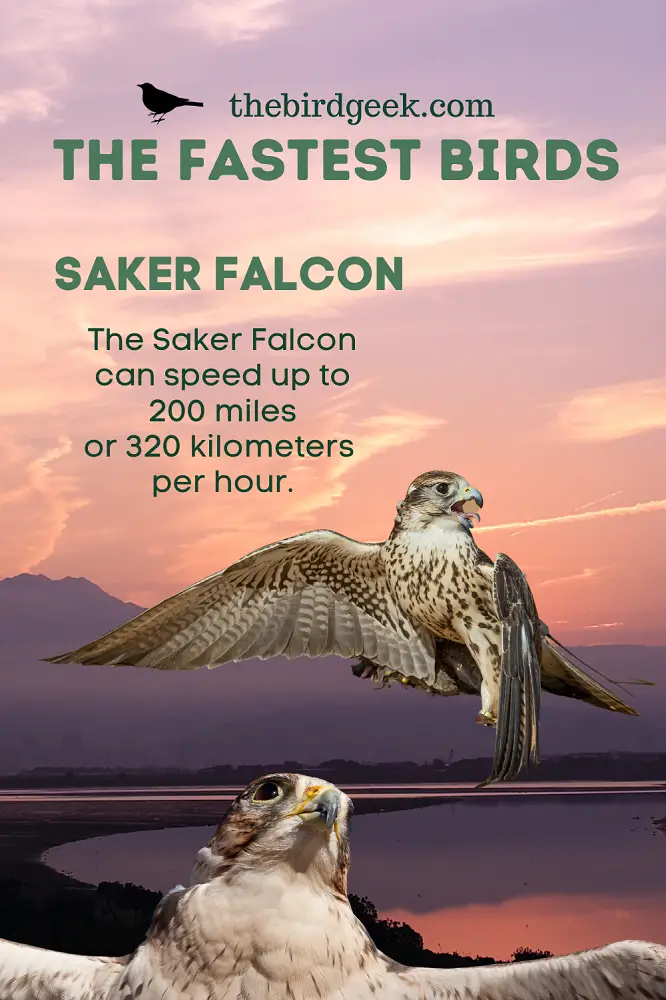
Have you ever looked up at a bird soaring through the sky and wondered just how fast they can actually go? It’s a question that has fascinated ornithologists and bird enthusiasts alike for centuries. The avian world is full of surprises, especially when it comes to speed and agility in the air.
Trying to pinpoint the absolute speed demons of the sky can feel like chasing a moving target. There are so many factors to consider: different flight techniques, varying environmental conditions, and even just accurately measuring their speed in the first place. It's tough to get a clear picture of who truly reigns supreme in the speed department.
This article aims to explore the incredible world of avian speed, focusing on the birds that have been clocked at the highest velocities. We’ll delve into the different types of flight that contribute to these speeds, the adaptations that allow them to achieve such feats, and some of the specific species known for their incredible aerial prowess.
We will explore the world of avian speed, highlighting the peregrine falcon and other contenders for the title of fastest bird. The peregrine falcon's diving speed, powered flight champions like the swift and spur-winged goose, and the role of adaptations will be discussed. We will also explore historical facts about the fastest bird as well as myths and secrets of their ability to fly fast. You'll discover fun facts, tips on how to observe these aerial masters, and even explore hypothetical scenarios related to their incredible speeds.
Diving Speed vs. Level Flight: A Matter of Perspective
I remember being a kid and visiting a falconry display at a local country fair. The falconer released a peregrine falcon, and it climbed high into the sky, almost disappearing from view. Then, with breathtaking speed, it folded its wings and plummeted towards a lure. The sheer velocity was astounding; it was like watching a feathered missile. That experience cemented my fascination with these incredible birds and their unique hunting strategy. This is a perfect example of diving speed.
Diving speed, often referred to as stooping, is where birds like the Peregrine Falcon achieve their most impressive velocities. It’s important to distinguish this from level flight. Diving involves utilizing gravity to accelerate downwards, allowing them to reach speeds far exceeding what they could achieve in horizontal flight. The peregrine falcon, for example, can reach speeds exceeding 200 mph (320 km/h) during a stoop.
The physics are fairly simple: potential energy converts to kinetic energy as the bird falls. However, the adaptation that allows these birds to withstand such forces are truly remarkable. Their streamlined bodies, stiff feathers, and specialized respiratory systems are all crucial for surviving these high-speed dives. Other birds, like eagles and hawks, also employ diving techniques to hunt, although their recorded speeds are generally lower than those of the peregrine falcon. The key takeaway is that diving speed represents a specialized adaptation for hunting, leveraging gravity for a burst of incredible velocity. It’s not a measure of sustained flight capability, but rather a demonstration of avian engineering at its finest.
What Makes a Bird "Fastest"?
Defining the "fastest" bird isn't as straightforward as you might think. Are we talking about the fastest sustained flight, or the highest speed achieved in a dive? The answer impacts which species earns the title. The peregrine falcon, with its incredible diving speed, often takes the crown in popular discussions. However, other birds are masters of sustained, level flight. The needletail swift, for instance, is known for its rapid, direct flight, reaching speeds of up to 105 mph (170 km/h) in level flight. Frigatebirds, on the other hand, are specialized for sustained soaring, gliding effortlessly for days across oceans.
The key adaptations for speed vary depending on the type of flight. Birds that prioritize speed often have streamlined bodies, powerful wing muscles, and specialized feathers that reduce drag. The shape and length of their wings also play a crucial role. Long, pointed wings are typical of birds that need speed and endurance, whereas shorter, broader wings are better suited for maneuvering in tight spaces.
So, which bird is truly the "fastest"? It depends on how you define the criteria. The peregrine falcon holds the record for overall speed, but the needletail swift and other species excel in different categories. Ultimately, the avian world showcases a diverse range of adaptations for flight, each tailored to the bird's specific ecological niche and hunting strategy.
History and Myths Surrounding Avian Speed
Throughout history, birds have symbolized freedom, speed, and agility. Ancient cultures often attributed mythical qualities to fast-flying birds, associating them with gods, messengers, or even omens. The falcon, for example, held a sacred position in ancient Egyptian society, representing power, protection, and royalty. Images of falcons adorned tombs and temples, reflecting their cultural significance. In other cultures, swifts were seen as symbols of swiftness, perseverance, and adaptability, inspiring athletes and warriors.
These historical perceptions often intertwined with myths and legends. Stories of birds carrying messages across vast distances, outrunning storms, or even transforming into supernatural beings are common across many cultures. While these tales may not be literally true, they highlight the human fascination with avian speed and the desire to understand and emulate their capabilities.
Today, scientific advancements have allowed us to better understand the physical capabilities of birds. Radar technology and sophisticated tracking devices have provided valuable data on their flight speeds, migration patterns, and hunting strategies. Despite these advancements, the sense of wonder and admiration for these aerial masters persists. They continue to inspire us with their speed, agility, and ability to navigate the world with remarkable skill.
Unveiling the Secrets of Fast Flight: Adaptations and Techniques
What allows these birds to achieve such incredible speeds? The answer lies in a combination of evolutionary adaptations and learned flight techniques. Aerodynamic body shapes, strong wing muscles, and specialized feathers are all crucial for minimizing drag and maximizing thrust. The way birds control their wings and adjust their body position also plays a significant role.
Peregrine falcons, for instance, employ a technique called "stooping," where they tuck their wings close to their body to reduce air resistance and achieve maximum velocity during a dive. Swifts, on the other hand, rely on their long, narrow wings and rapid wingbeats to maintain high speeds over extended periods. Even the way birds breathe contributes to their ability to fly fast. Their respiratory systems are highly efficient, allowing them to extract more oxygen from the air and power their muscles for sustained flight.
Beyond physical adaptations, learned techniques also play a crucial role. Young birds often learn to fly by observing and mimicking their parents. They gradually refine their skills through trial and error, developing their own unique flight styles. Understanding these secrets of fast flight provides valuable insights into the remarkable engineering and behavioral adaptations that make these birds such impressive aerial athletes.
Recommendations for Observing the Fastest Flyers
If you're eager to witness these speed demons in action, there are a few things you can do to increase your chances. First, research the habitats and migration patterns of the species you're interested in. Peregrine falcons, for example, often nest on cliffs, bridges, and skyscrapers, offering opportunities for urban birdwatching. Swifts are often found in open areas, like fields and meadows, where they can pursue insects in flight.
Bring binoculars to enhance your viewing experience. A good pair of binoculars will allow you to see the details of their plumage, flight patterns, and hunting techniques. A field guide can also be helpful for identifying different species and learning about their unique characteristics. Patience is key when observing birds. They may not always be active, and it may take some time to spot them.
Consider joining a local birdwatching group or attending a birding festival. These events can provide valuable opportunities to learn from experienced birders, share your observations, and discover new locations for birdwatching. By following these recommendations, you'll be well-equipped to witness the incredible speed and agility of the world's fastest flying birds.
The Science Behind Speed: Aerodynamics and Physiology
The science of aerodynamics and physiology plays a crucial role in understanding avian speed. The shape of a bird's body, the structure of its wings, and the efficiency of its respiratory system all contribute to its ability to fly fast. Aerodynamics focuses on the forces that act on an object moving through the air, such as lift, drag, and thrust. Birds have evolved streamlined body shapes and specialized wing structures to minimize drag and maximize lift, allowing them to move through the air with greater efficiency.
Physiology, on the other hand, focuses on the internal functions of the bird's body. The size and strength of its wing muscles, the efficiency of its respiratory system, and the ability to regulate its body temperature all contribute to its overall performance. Birds that prioritize speed often have proportionally larger wing muscles and more efficient respiratory systems, allowing them to generate the power needed for sustained, rapid flight.
By studying the interplay between aerodynamics and physiology, scientists can gain a deeper understanding of the evolutionary adaptations that have enabled birds to conquer the skies. This knowledge can also be applied to other fields, such as aircraft design, to improve the efficiency and performance of human-made flying machines.
Tips for Identifying Fast-Flying Birds in the Wild
Identifying fast-flying birds in the wild can be challenging, but there are a few key characteristics to look for. The first is their overall shape and size. Birds that prioritize speed often have streamlined bodies, long, pointed wings, and relatively small heads. Their flight patterns can also provide clues. Swift-flying birds tend to fly in a straight, direct path, with rapid wingbeats and minimal maneuvering. They may also exhibit a distinctive "whooshing" sound as they pass by.
Pay attention to the habitat where you're observing. Peregrine falcons, for instance, are often found in open areas with high perches, where they can scan for prey. Swifts are commonly seen in urban areas, nesting in crevices on buildings and bridges. If you're unsure of the species, try taking a photo or making a detailed sketch. You can then compare your observations with field guides or online resources to narrow down the possibilities.
Don't be discouraged if you don't identify every bird you see. Bird identification is a skill that takes time and practice to develop. The more you observe and learn, the better you'll become at recognizing the subtle differences that distinguish different species.
The Impact of Climate Change on Avian Flight
Climate change is posing a significant threat to avian populations worldwide, and its impact extends to their ability to fly. Rising temperatures, changes in precipitation patterns, and increased frequency of extreme weather events are all affecting bird habitats, food sources, and migration patterns. These changes can have a direct impact on their flight capabilities. For example, altered wind patterns can make it more difficult for birds to navigate during migration, increasing their energy expenditure and reducing their chances of survival.
Changes in food availability can also affect their physical condition, making them less able to sustain long-distance flights. As insects emerge earlier in the spring due to warmer temperatures, birds that rely on these insects for food may miss the peak abundance, leaving them with insufficient energy for breeding and migration.
Conservation efforts are crucial for mitigating the impact of climate change on avian flight. Protecting and restoring bird habitats, reducing greenhouse gas emissions, and promoting sustainable land management practices are all essential steps for ensuring the long-term survival of these aerial masters. By working together, we can help preserve the incredible diversity and speed of the world's flying birds.
Fun Facts About the Fastest Flyers
Did you know that the peregrine falcon's eyesight is estimated to be eight times sharper than that of humans? This allows them to spot prey from incredible distances, making them highly efficient hunters. Or that swifts can spend months or even years in the air without landing, feeding and even sleeping on the wing? These incredible feats of endurance are made possible by their specialized adaptations and efficient metabolism.
The spur-winged goose, native to Africa, is another contender for the title of fastest bird in level flight, capable of reaching speeds of up to 88 mph (142 km/h). Their powerful wing muscles and streamlined body shape contribute to their impressive speed. Many fast-flying birds are also highly intelligent. They use their cognitive abilities to navigate complex environments, locate food sources, and avoid predators.
Learning about these fun facts can deepen your appreciation for the remarkable adaptations and behaviors of these avian athletes. They remind us of the incredible diversity and ingenuity of life on Earth and inspire us to protect these species for future generations.
How to Photograph Fast-Flying Birds
Photographing fast-flying birds can be a rewarding but challenging pursuit. To capture sharp, detailed images, you'll need the right equipment and techniques. A camera with a fast shutter speed (at least 1/1000th of a second) is essential for freezing the action. A telephoto lens with a focal length of at least 300mm will allow you to get close-up shots of birds in flight.
A tripod can help stabilize your camera and reduce blur, especially when using long lenses. However, it can also limit your mobility, so consider using a monopod instead. When shooting birds in flight, it's important to use continuous autofocus mode to track the bird as it moves. A high frame rate will increase your chances of capturing the perfect moment.
Pay attention to the background. A clean, uncluttered background will help your subject stand out. Try to shoot from a low angle to create a more dramatic perspective. Practice makes perfect when it comes to photographing fast-flying birds. Don't be discouraged if you don't get great results at first. The more you shoot, the better you'll become at anticipating their movements and capturing stunning images of these aerial masters.
What If... The Fastest Birds Were Used for Transportation?
Imagine a world where the fastest birds were harnessed for transportation. What if peregrine falcons could carry messages across vast distances, or swifts could transport small packages between cities? While this scenario may seem far-fetched, it raises interesting questions about the potential applications of avian speed and intelligence. The ethics of domesticating and training wild birds for transportation would be a major consideration. Concerns about animal welfare, habitat disruption, and potential environmental impacts would need to be carefully addressed.
The logistics of such a system would also be complex. Designing harnesses and carriers that are comfortable and safe for the birds, establishing training programs that are effective and humane, and creating infrastructure for launching and retrieving the birds would all present significant challenges. Despite these challenges, the idea of using avian speed for transportation highlights the potential for innovative solutions inspired by nature. By studying the flight capabilities of birds, we can learn valuable lessons about aerodynamics, energy efficiency, and navigation, which can be applied to other fields, such as robotics and transportation engineering.
Even if we never see birds used for widespread transportation, the concept serves as a reminder of the incredible potential for learning from nature and finding creative solutions to complex problems.
Top 5 Fastest Flying Birds: A Listicle
Here's a quick rundown of the top 5 fastest flying birds, based on available data and research:
1.Peregrine Falcon: Renowned for its incredible diving speed, exceeding 200 mph (320 km/h) during a stoop.
2.Needletail Swift: One of the fastest birds in level flight, reaching speeds of up to 105 mph (170 km/h).
3.Spur-Winged Goose: Known for its rapid, direct flight, reaching speeds of up to 88 mph (142 km/h).
4.Eurasian Hobby: A small falcon known for its agility and speed, reaching speeds of up to 100 mph (160 km/h) during a stoop.
5.Gyrfalcon: The largest falcon species, capable of reaching speeds of up to 80 mph (130 km/h) in level flight.
This list highlights the diverse range of avian species that have evolved remarkable adaptations for speed. From the diving prowess of the peregrine falcon to the sustained flight capabilities of the needletail swift, these birds showcase the incredible potential for adaptation and innovation in the natural world. By studying these speed demons, we can gain valuable insights into the principles of aerodynamics, physiology, and evolutionary biology.
Question and Answer about The Fastest Flying Birds in the World
Here are some common questions and answers about the fastest flying birds:
Question: What is the fastest speed ever recorded for a bird?
Answer: The highest speed ever recorded for a bird is over 200 mph (320 km/h), achieved by a peregrine falcon during a dive.
Question: Which bird is the fastest in level flight?
Answer: The needletail swift is generally considered the fastest bird in level flight, reaching speeds of up to 105 mph (170 km/h).
Question: What adaptations allow birds to fly so fast?
Answer: Adaptations for speed include streamlined bodies, powerful wing muscles, specialized feathers that reduce drag, and efficient respiratory systems.
Question: Are there any risks associated with flying at high speeds?
Answer: Yes, flying at high speeds can put stress on the bird's body and increase the risk of collisions. Birds have evolved adaptations to mitigate these risks, such as reinforced skeletons and specialized respiratory systems.
Conclusion of The Fastest Flying Birds in the World
The world of the fastest flying birds is a testament to the power of evolution and the remarkable adaptations that have enabled these creatures to conquer the skies. From the diving prowess of the peregrine falcon to the sustained flight capabilities of the needletail swift, these birds showcase the incredible diversity and ingenuity of life on Earth. By studying their speed, agility, and resilience, we can gain valuable insights into the principles of aerodynamics, physiology, and ecology. As we face the challenges of a changing world, it's more important than ever to protect these incredible species and their habitats, ensuring that future generations can marvel at the speed and grace of the world's fastest flying birds.
0 Response to "The Fastest Flying Birds in the World"
Post a Comment