How Wolves Protect Their Territory
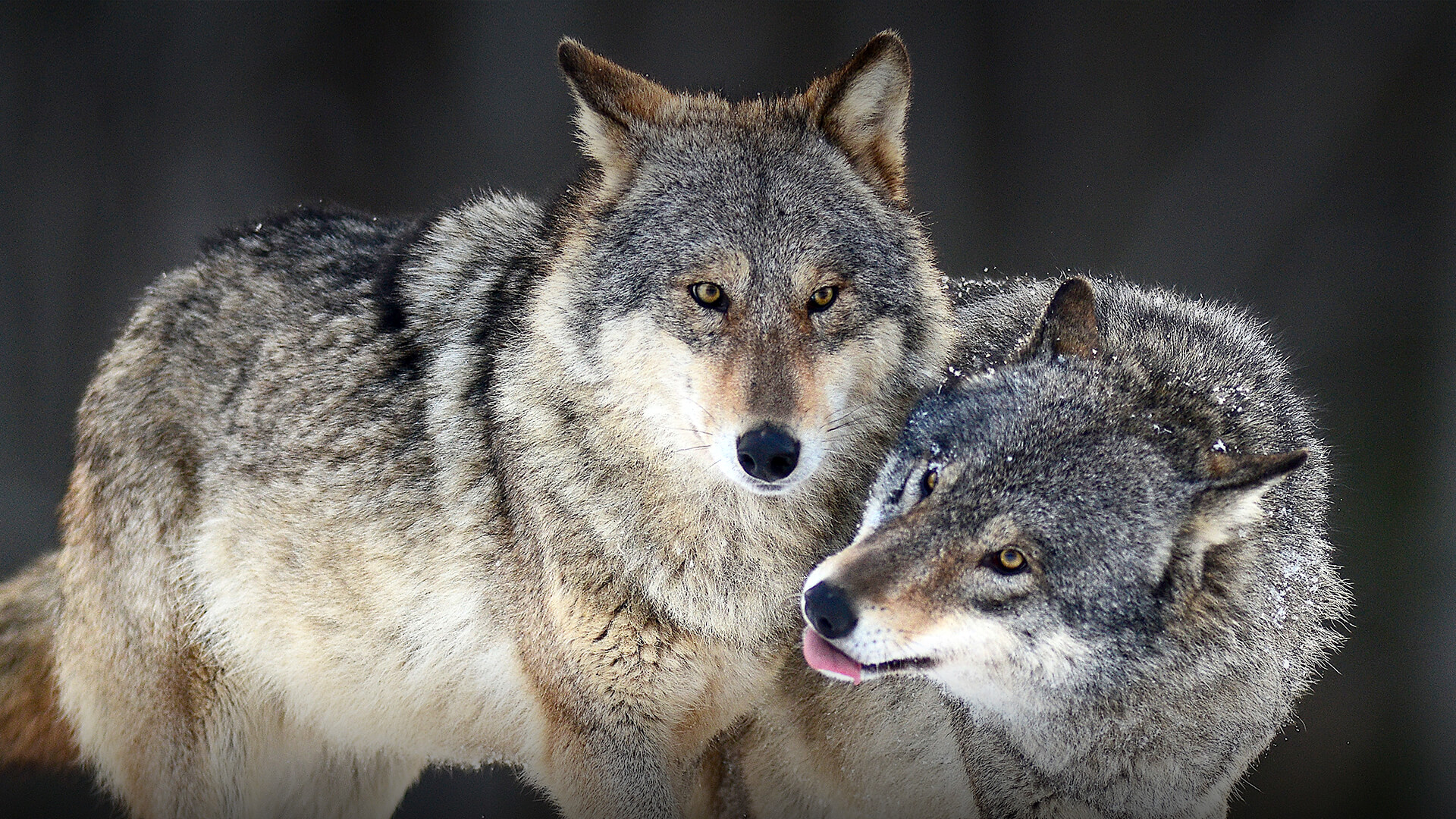
Imagine a vast, snow-covered landscape. The air is crisp, and the only sound is the wind whistling through the trees. Suddenly, a chorus of howls erupts, echoing across the wilderness. It's a powerful, primal sound – a declaration. But what are these wolves saying, and why are they making such a racket?
Understanding the nuances of wolf behavior can be challenging, especially when trying to decipher their motivations and actions. It’s easy to make assumptions or misinterpret their complex social structures and territorial imperatives. This lack of clarity can lead to misconceptions about these magnificent creatures and their vital role in the ecosystem.
This blog post will delve into the fascinating world of wolf territoriality, exploring the various strategies they employ to protect their home ranges. We'll uncover the secrets behind their communication, their social dynamics, and the critical importance of maintaining their boundaries.
In short, wolves safeguard their territories through a multifaceted approach. This includes scent marking using urine and scat, vocalizations like howling, direct physical confrontation (though usually avoided), and patrolling their boundaries. This constant vigilance ensures access to vital resources like food and mates, which are essential for the survival and propagation of the pack. Key elements involve scent marking, howling, patrolling, and occasional conflict, all driven by the need for resources and reproductive success.
Scent Marking: The Olfactory Billboard
Scent marking is perhaps the most subtle, yet pervasive, method wolves use to delineate their territory. I remember once hiking in Yellowstone and noticing a distinct, musky odor near a prominent rock outcropping. Our guide explained it was likely a wolf scent marking, a silent message left for other packs. It's like a dog peeing on a fire hydrant, but with much higher stakes. Wolves deposit urine and scat at strategic locations – along trails, at territory boundaries, and near kills – to communicate ownership. These olfactory "billboards" contain information about the wolf's identity, sex, and social status. Neighboring packs are effectively warned: "This is our land. Proceed with caution." The frequency of scent marking increases near territory edges, creating a reinforced buffer zone. This method of communication is incredibly efficient, allowing wolves to convey information without direct contact, minimizing the risk of conflict. It's a constantly updated map, a chemical conversation happening all the time, just beyond our perception.
Howling: A Song of Ownership and Unity
Howling is arguably the most iconic aspect of wolf behavior. It's not just a random vocalization; it's a sophisticated form of communication with multiple purposes. Wolves howl to announce their presence, warn rivals, rally the pack, and even express emotional bonds. Each wolf has a unique vocal signature, allowing pack members to identify each other from a distance. The calls can carry for miles, acting as a sonic fence around their territory. The chorus howling, where multiple wolves participate, is particularly powerful. It reinforces social cohesion within the pack and sends a clear message to outsiders: "We are strong, and we are united." Imagine hearing that echoing across the wilderness – a truly awe-inspiring and intimidating sound. The intensity and frequency of howling often increase during mating season and when conflicts with neighboring packs are more likely. Therefore, howling is not simply a form of communication but also a demonstration of power and a crucial element in maintaining territorial control.
The History and Myth of Territorial Wolves
Throughout history, wolves have been deeply intertwined with human culture, often cast as both villains and symbols of wilderness. Myths and legends frequently depict them as fiercely territorial creatures, constantly battling for dominance. While there's truth to this portrayal, it often overlooks the complex social structures and nuanced communication that govern their behavior. Historically, the perception of wolves as territorial aggressors fueled persecution and eradication efforts in many regions. However, scientific understanding of wolf ecology has revealed the vital role they play in maintaining ecosystem health. Their territorial behavior, while sometimes involving conflict, is ultimately driven by the need to secure resources and ensure the survival of their pack. The myth of the lone wolf, often portrayed as a rebel without a territory, is largely inaccurate. Wolves are highly social animals, and their territoriality is a collective effort, crucial for their survival. Therefore, understanding the historical context and dispelling the myths surrounding wolf behavior is essential for promoting coexistence and conservation efforts.
Unveiling the Secrets of Wolf Territory
One of the lesser-known aspects of wolf territoriality is the role of "buffer zones." These are areas between established pack territories where neither pack exerts exclusive control. These zones can be areas of increased interaction and potential conflict, but also serve as important areas for dispersing young wolves to establish new territories. Buffer zones are not rigidly defined and can shift depending on resource availability and pack dynamics. Another fascinating secret lies in the subtle communication that occurs between packs. Wolves often use visual signals, such as posture and tail position, to convey messages during encounters. They may also leave "scent posts" in areas where territories overlap, allowing packs to communicate indirectly. Furthermore, the size and quality of a territory significantly impact the pack's reproductive success and overall health. Larger territories with abundant prey allow packs to raise more pups and maintain a higher social status. These subtle dynamics and hidden interactions reveal the complex and fascinating world of wolf territoriality, highlighting the importance of understanding their behavior for effective conservation strategies.
Recommendations for Understanding Wolf Behavior
If you are interested in learning more about wolf behavior and territoriality, I highly recommend seeking out reliable sources of information. Reputable wildlife organizations, scientific journals, and documentaries offer valuable insights into these fascinating creatures. Visiting wolf sanctuaries or observing wolves in their natural habitat (with appropriate guidance and respect) can provide firsthand experience and a deeper appreciation for their behavior. When observing wolves, remember to maintain a safe distance and avoid any actions that could disturb or stress them. Learning to identify wolf tracks, scat, and other signs of their presence can enhance your understanding of their movements and territory boundaries. Furthermore, supporting conservation efforts that protect wolf habitats and promote coexistence between wolves and humans is crucial for ensuring their long-term survival. By educating ourselves and advocating for responsible conservation practices, we can contribute to a greater understanding and appreciation of these magnificent animals and their vital role in the ecosystem.
The Nuances of Pack Dynamics and Territorial Defense
The structure of a wolf pack plays a significant role in how they defend their territory. Typically, a pack consists of an alpha male and female, their offspring, and sometimes related individuals. The alpha pair leads the pack and makes decisions regarding hunting, territory defense, and reproduction. Subordinate wolves contribute to the pack's success by assisting with hunting, pup rearing, and patrolling the territory. The pack's social hierarchy is constantly being negotiated, and conflicts can arise as individuals compete for dominance. However, cooperation is essential for maintaining the pack's territory and ensuring the survival of its members. When defending their territory, wolves typically rely on a combination of tactics, including scent marking, howling, and visual displays. Physical confrontations are usually avoided, as they can result in injuries that could jeopardize the pack's ability to hunt and defend its territory. Instead, wolves often use intimidation and displays of aggression to deter intruders. The effectiveness of these tactics depends on the size and strength of the pack, as well as the presence of valuable resources within their territory. Ultimately, the pack's ability to defend its territory is a testament to their social cohesion and their understanding of the importance of maintaining their boundaries.
Tips for Coexisting with Wolves
Coexisting with wolves can be a challenge, especially in areas where human activities overlap with wolf habitats. However, there are several steps that can be taken to minimize conflicts and promote coexistence. One of the most important is to secure livestock and pets. Wolves are opportunistic predators, and they may be attracted to unprotected animals. Installing fences, using guard animals, and bringing livestock into protected areas at night can help prevent attacks. It is also important to avoid feeding wolves, as this can habituate them to humans and make them more likely to approach settlements. Educating yourself and your community about wolf behavior can also help reduce fear and misconceptions. Learning to identify signs of wolf presence, such as tracks and scat, can help you avoid encounters. If you do encounter a wolf, remain calm and avoid direct eye contact. Back away slowly and do not run. If the wolf approaches you, make yourself appear large by raising your arms and yelling. By taking these precautions, you can help ensure the safety of both humans and wolves and promote a more harmonious relationship between our species.
The Role of Prey Availability in Territory Size
The size of a wolf pack's territory is directly related to the availability of prey. In areas where prey is abundant, such as Yellowstone National Park, wolf packs can maintain smaller territories. Conversely, in areas where prey is scarce, packs must roam over larger areas to find enough food to survive. The type of prey also influences territory size. Wolves that primarily prey on large ungulates, such as elk and deer, typically require larger territories than those that prey on smaller animals, such as rabbits and rodents. The distribution of prey also plays a role. If prey is concentrated in certain areas, wolves may establish territories that encompass those areas, even if they are relatively small. However, if prey is dispersed over a wide area, wolves will need to expand their territory to access enough resources. The relationship between prey availability and territory size is complex and dynamic, constantly shifting in response to changes in environmental conditions and prey populations. Understanding this relationship is crucial for managing wolf populations and ensuring their long-term survival.
Fun Facts About Wolf Territoriality
Did you know that wolves can distinguish between the urine of different packs, even if they haven't encountered them before? Or that the dominant wolves in a pack are more likely to scent mark than subordinate members? Another fascinating fact is that wolves sometimes engage in "scent rolling," where they roll in strong-smelling substances, such as carrion or feces, to mask their own scent and potentially confuse other packs. Wolves also have a highly developed sense of smell, which they use to detect prey, track rivals, and locate scent marks. Their sense of smell is estimated to be up to 100 times better than that of humans. The size of a wolf pack's territory can range from a few dozen square miles to over a thousand square miles, depending on the factors mentioned earlier. Finally, wolves are incredibly adaptable animals, and they have been known to modify their territorial behavior in response to changing environmental conditions and human activities. These fun facts highlight the complexity and fascinating nature of wolf territoriality, reminding us of the many mysteries that remain to be uncovered about these remarkable creatures.
How to Track Wolf Territory
Tracking wolf territory is not something for amateur hikers. It requires specialized knowledge, training, and a deep understanding of wolf behavior and ecology. Professionals use a variety of methods, including radio telemetry, GPS tracking, and non-invasive genetic sampling, to monitor wolf populations and map their territories. Radio telemetry involves attaching radio collars to wolves and tracking their movements using radio receivers. GPS tracking uses collars equipped with GPS devices to record the location of wolves at regular intervals. Non-invasive genetic sampling involves collecting scat or hair samples from wolves and analyzing their DNA to identify individuals and determine their relatedness. By combining these methods, researchers can gain a comprehensive understanding of wolf movements, territory boundaries, and social dynamics. This information is crucial for managing wolf populations, mitigating conflicts with humans, and protecting wolf habitats. For the average person, the best way to learn about wolf territories is to visit reputable wildlife organizations or participate in guided tours led by experienced naturalists. These opportunities can provide valuable insights into wolf behavior and ecology without disturbing the animals or their habitat.
What if Wolf Territories Disappear?
The disappearance of wolf territories would have profound and far-reaching consequences for ecosystems. Wolves are apex predators, and their presence plays a vital role in regulating prey populations and maintaining ecosystem health. Without wolves to control their numbers, ungulate populations, such as deer and elk, could explode, leading to overgrazing and habitat degradation. This, in turn, could negatively impact other species that rely on those habitats, such as songbirds and small mammals. The loss of wolf territories could also lead to an increase in disease transmission among prey populations, as wolves help to remove sick and weak individuals. Furthermore, the absence of wolves could disrupt nutrient cycling, as they play a role in redistributing nutrients through their scat and carcasses. The consequences of losing wolf territories would extend beyond the immediate ecosystem, impacting water quality, soil health, and even climate regulation. Protecting wolf territories is therefore essential for maintaining biodiversity, promoting ecosystem resilience, and ensuring the long-term health of our planet.
Listicle: 5 Fascinating Facts About Wolf Territory
1. Scent marking is like their social media – constantly updating who's who and where they are.
- Howling isn't just for fun; it's a territorial announcement that can travel for miles.
- Wolf packs aren't just families; they're highly organized defense units.
- Territory size depends on food – more food, smaller territory, and vice versa.
- Wolves use buffer zones as contested spaces, sort of like neutral ground.
Question and Answer
Q: How do wolves decide where their territory boundaries are?
A: Territory boundaries are often determined by resource availability, such as prey density and water sources, and are also influenced by the presence of neighboring packs. Wolves will patrol and scent mark areas where they find resources and where they encounter other packs, gradually establishing their boundaries over time.
Q: What happens when two wolf packs meet at their territory boundary?
A: Encounters at territory boundaries can be tense. Wolves will often engage in displays of aggression, such as howling, growling, and posturing, to assert their dominance. Physical fights are rare, as they risk injury, but can occur if neither pack backs down. The outcome often depends on the size and strength of each pack.
Q: Do wolves ever abandon their territory?
A: Yes, wolves may abandon their territory if resources become scarce, such as if prey populations decline or if human activities disrupt their habitat. They may also abandon a territory if they are significantly weakened by disease or conflict.
Q: How do young wolves establish their own territories?
A: Young wolves typically disperse from their natal pack when they reach sexual maturity, seeking out unoccupied areas or challenging existing packs for territory. They may travel long distances to find suitable habitat and a mate, eventually forming their own pack and establishing their own territory.
Conclusion of How Wolves Protect Their Territory
Wolves employ a sophisticated and multifaceted approach to protecting their territory, blending communication, physical presence, and a deep understanding of their environment. Their territorial behavior is not simply about aggression; it's about ensuring the survival and well-being of their pack. By understanding these complexities, we can move beyond simplistic stereotypes and appreciate the crucial role wolves play in maintaining healthy ecosystems and recognize the importance of protecting their territories for the benefit of all.
0 Response to "How Wolves Protect Their Territory"
Post a Comment