How Wolves Communicate Without Words
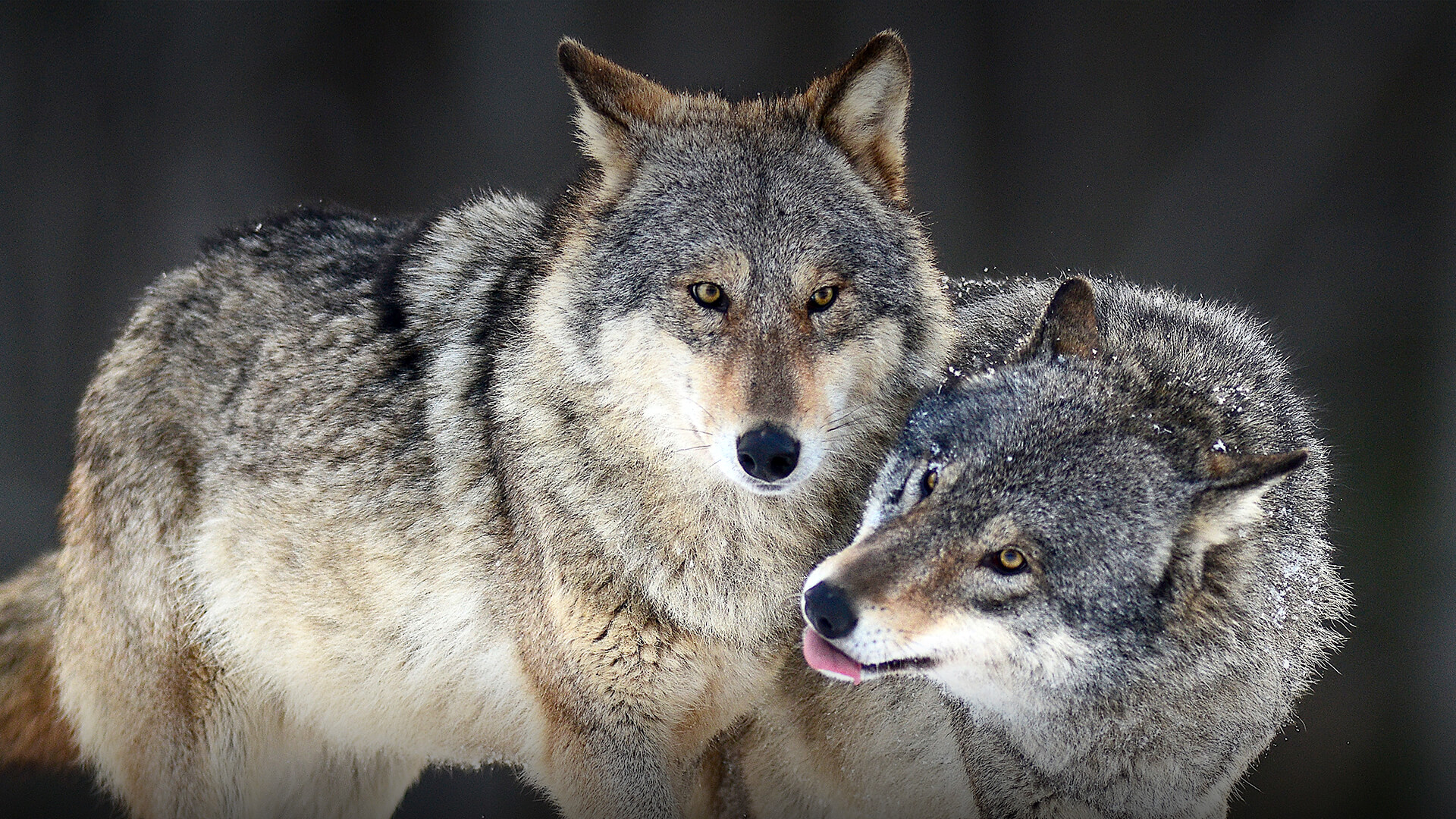
Imagine a world of silent conversations, where nuanced messages are conveyed through a simple glance, a shift in posture, or a subtle scent. This isn't science fiction; it's the reality of wolf communication. They navigate complex social structures, coordinate hunts, and express affection – all without uttering a single word we understand.
Ever struggled to understand your dog's subtle cues? Misinterpreted a cat's purr as contentment when it was actually anxiety? We often miss the intricate ways animals communicate, focusing solely on vocalizations. This can lead to misunderstandings, missed opportunities for connection, and a general disconnect from the natural world.
Wolves, those enigmatic apex predators, offer a fascinating case study in nonverbal communication. They orchestrate their lives through a symphony of body language, scent marking, and subtle vocalizations that transcend simple barks and howls. Their ability to communicate without relying on complex language is a testament to the power of instinct and observation.
This exploration reveals the diverse methods wolves employ to communicate: their posture, facial expressions, tail movements, scent markings, and even subtle vocalizations all play a crucial role. We'll delve into the specifics of each method, uncovering the hidden meanings behind their seemingly simple actions. Understanding these nonverbal cues provides a deeper appreciation for the complexity of wolf society and the richness of their interactions. Key terms: wolf communication, body language, scent marking, vocalizations, social behavior.
Body Language: The Silent Language of Wolves
Body language is perhaps the most readily observable form of wolf communication. I remember once watching a documentary about wolves hunting bison in Yellowstone. The lead wolf, seemingly without a sound, directed the entire hunt through subtle shifts in its body. A slight head nod here, a repositioning of its body there, and the pack moved in perfect synchronicity. It was like watching a silent ballet, a testament to the power of unspoken understanding. Wolves use a wide range of postures and movements to convey dominance, submission, playfulness, aggression, and affection. A dominant wolf, for example, will stand tall with its tail raised high, making direct eye contact. A submissive wolf, on the other hand, will lower its body, tuck its tail between its legs, and avoid eye contact. These cues are instantly recognizable within the pack and help maintain social order.
Facial expressions are also crucial. A wolf's snarl, with its bared teeth and wrinkled nose, is a clear indication of aggression. A relaxed face with a slightly open mouth, on the other hand, often signals playfulness. The position of the ears also provides valuable information. Forward-pointing ears indicate alertness, while flattened ears suggest fear or submission.
Tail movements are another important indicator of a wolf's emotional state. A wagging tail, contrary to popular belief, doesn't always mean happiness. It can also indicate excitement, nervousness, or even aggression. The height and speed of the tail wag are also important factors. A high, rapidly wagging tail often indicates excitement, while a low, slowly wagging tail may suggest uncertainty or anxiety. By carefully observing a wolf's body language, we can gain a deeper understanding of its intentions and emotions.
Scent Marking: Leaving a Message in the Wind
Scent marking is a critical form of communication for wolves, serving as a kind of olfactory bulletin board. Think of it as their version of leaving a detailed note for others to find. Wolves use urine, feces, and secretions from scent glands to mark their territory, communicate their presence, and even convey information about their reproductive status. These scent markings act as territorial boundaries, warning other packs to stay away. They also allow individual wolves to identify themselves to other members of their pack, even when they are not physically present. The chemical composition of the scent can even reveal information about the wolf's age, sex, and health. Wolves often mark prominent objects, such as rocks, trees, or bushes, along the edges of their territory. This creates a "scent fence" that helps to deter intruders and maintain the integrity of their territory. The act of scent marking is also a social behavior, as wolves often scent-mark together, reinforcing their pack bonds and solidifying their claim to their territory. By leaving their scent, wolves create a complex network of olfactory signals that play a vital role in their social lives.
Vocalizations: Beyond the Howl
While howling is perhaps the most iconic wolf vocalization, it is far from the only sound they make. Wolves use a variety of vocalizations, including barks, growls, whines, yips, and whimpers, to communicate different messages. Howling, for instance, serves multiple purposes. It can be used to assemble the pack, defend territory, or even simply express social cohesion. A howl can travel for miles, allowing wolves to communicate across vast distances. Barks and growls are typically used to express aggression or warn off intruders. Whines and whimpers, on the other hand, are often used to express submission, anxiety, or a desire for attention. Yips, which are short, high-pitched vocalizations, are often used during play or to express excitement. The specific meaning of a vocalization can also be influenced by the context in which it is used. For example, a growl accompanied by bared teeth and a raised hackles is a clear indication of aggression, while a playful growl during a wrestling match is simply a form of communication. By carefully listening to the different vocalizations that wolves make, we can gain a better understanding of their complex communication system.
Social Structure and Communication
Wolf packs are not simply random collections of individuals; they are highly structured social units with a clear hierarchy. This social structure is maintained and reinforced through communication. Dominant wolves use a variety of signals, including body language, vocalizations, and scent marking, to assert their authority. Submissive wolves, in turn, use signals of appeasement to avoid conflict. This constant communication helps to maintain order within the pack and ensure that everyone knows their place. For example, a dominant wolf may stand tall and make direct eye contact with a submissive wolf, while the submissive wolf will lower its body and avoid eye contact. This simple interaction reinforces the dominance hierarchy and prevents potential conflict. Communication is also essential for coordinating pack activities, such as hunting. Wolves use a combination of body language and vocalizations to communicate their intentions and coordinate their movements during the hunt. This allows them to work together effectively as a team and increase their chances of success. By understanding the social structure of wolf packs and the role that communication plays in maintaining it, we can gain a deeper appreciation for the complexity of their lives.
The Importance of Observation
One of the most important things we can do to understand wolf communication is to simply observe them. Spend time watching wolves in the wild or in captivity, and pay attention to their body language, vocalizations, and scent marking behavior. The more we observe them, the better we will be able to understand their communication system. Look for patterns in their behavior and try to identify the different signals that they are using to communicate with each other. Consider the context in which the communication is taking place and how that might influence the meaning of the signals. Also, be patient and persistent. It can take time to learn to understand wolf communication, but the rewards are well worth the effort. Remember that wolves are complex creatures with a rich social life, and their communication system is just one aspect of their fascinating world. By taking the time to learn about their communication, we can gain a deeper appreciation for these magnificent animals and their place in the ecosystem.
Also, look for resources about wolf. By doing so we are able to learn more about them.
Lastly, understanding of their nonverbal communication leads to better interpretation about how wolves behave and survive.
Decoding Facial Expressions: A Window into the Wolf Mind
Facial expressions are a subtle but powerful aspect of wolf communication. Just like humans, wolves use a variety of facial expressions to convey a range of emotions, from happiness and playfulness to fear and aggression. Learning to decode these expressions can provide valuable insights into the wolf mind. For example, a relaxed face with a slightly open mouth often indicates playfulness, while a snarl with bared teeth and wrinkled nose is a clear sign of aggression. The position of the ears is also an important indicator of a wolf's emotional state. Forward-pointing ears suggest alertness or curiosity, while flattened ears indicate fear or submission. The eyes can also provide clues about a wolf's mood. A direct gaze can be a sign of dominance or aggression, while averted eyes suggest submission or fear. By carefully observing a wolf's facial expressions, we can gain a better understanding of its intentions and emotions. However, it is important to remember that facial expressions are just one aspect of wolf communication and should be interpreted in conjunction with other cues, such as body language and vocalizations. With practice and careful observation, we can learn to read the faces of wolves and gain a deeper appreciation for their complex communication system.
The Role of Pheromones
Pheromones, those invisible chemical messengers, play a crucial role in wolf communication. These scent-based signals convey a wealth of information, from individual identity to reproductive status. Wolves release pheromones through urine, feces, and specialized scent glands, leaving behind olfactory "signatures" that other wolves can detect. Imagine a wolf pack's territory as a complex network of pheromone trails, each carrying a distinct message. These trails act as territorial markers, warning outsiders to stay away. They also allow pack members to identify each other, even when they are not visually present. A female wolf in heat releases pheromones that signal her readiness to mate, attracting the attention of potential partners. Pheromones even play a role in social bonding, helping pack members to recognize and reinforce their relationships. The study of wolf pheromones is a fascinating area of research, offering insights into the complex chemical language that governs their social lives. While humans may not be able to consciously detect these pheromones, they are a vital part of the wolf communication system, shaping their behavior and interactions.
Fun Facts About Wolf Communication
Did you know that wolves have different "dialects" of howls depending on their region? Just like human languages, wolf howls can vary from pack to pack and region to region. This allows wolves to recognize members of their own pack and distinguish them from outsiders. Another fascinating fact is that wolves can use their urine to "sign" their territory, leaving behind a chemical message that tells other wolves who was there. This is similar to how dogs mark their territory, but wolves are much more strategic about where and how they scent mark. Wolves also use a variety of facial expressions to communicate with each other, including raising their eyebrows, wrinkling their noses, and flattening their ears. These expressions can convey a range of emotions, from happiness and playfulness to aggression and fear. Finally, wolves are incredibly intelligent animals, and they are constantly learning new ways to communicate with each other. This makes them fascinating subjects of study and reminds us that there is still much to learn about the animal kingdom.
Wolves are known for their complex social structures, with packs often consisting of extended family members. Communication is key to maintaining harmony within the pack, and wolves have developed a sophisticated system of nonverbal cues to express dominance, submission, and affection.
Wolves are also skilled hunters, and communication plays a vital role in coordinating their hunting strategies. They use a combination of body language and vocalizations to communicate their intentions and work together to bring down prey.
How To Learn Wolf Communication
Learning to understand wolf communication is a fascinating and rewarding endeavor. While it may seem daunting at first, with dedication and the right resources, you can begin to decipher the subtle cues they use to interact. Start by immersing yourself in the world of wolves. Watch documentaries, read books, and explore reputable websites dedicated to wolf research and conservation. Pay close attention to their behavior in different contexts, noting their body language, facial expressions, and vocalizations. Look for patterns and try to identify the meanings behind their actions. Visit wolf sanctuaries or wildlife parks where you can observe wolves in a controlled environment. This will give you the opportunity to study their behavior up close and ask questions of experienced wolf handlers and researchers. Remember that understanding wolf communication is an ongoing process. The more you observe and learn, the better you will become at interpreting their behavior and appreciating the complexity of their social lives.
It is also helpful to keep a journal of your observations. Write down what you see, hear, and learn, and try to connect the dots between different behaviors and communication signals.
Lastly, be patient and respectful. Wolves are wild animals, and it is important to observe them from a distance and avoid interfering with their natural behavior.
What If We Could Truly Understand Wolves?
Imagine a world where we could truly understand what wolves are trying to communicate. What insights would we gain into their social lives, their hunting strategies, and their overall intelligence? If we could decipher their complex language of body language, vocalizations, and scent markings, we might be able to develop a deeper appreciation for these magnificent creatures and their role in the ecosystem. We could learn more about their social structures, their family dynamics, and their hunting techniques. We might also be able to better understand their fears, their anxieties, and their needs.
This deeper understanding could lead to more effective conservation efforts, helping to protect wolves and their habitats. It could also lead to more humane treatment of wolves in captivity, ensuring that their needs are met and that they are treated with respect.
By learning to understand wolf communication, we can bridge the gap between humans and wolves and build a more harmonious relationship with these fascinating animals.
Top 5 Things To Know About Wolf Communication
Let's break down the top 5 most important aspects of wolf communication for quick reference:
1.Body Language is Key: Posture, tail position, and facial expressions are paramount in conveying messages.
2.Scent Marking Establishes Territory: Wolves use scent to define boundaries and communicate their presence.
3.Vocalizations are Varied: Howls are only one piece of the puzzle; barks, growls, and whines all have specific meanings.
4.Social Structure Dictates Communication: Dominant and submissive wolves communicate differently to maintain order.
5.Context is Crucial: Always consider the situation when interpreting wolf communication signals.
Remember that wolves are complex creatures with a rich social life, and their communication system is just one aspect of their fascinating world.
Keep learning, keep observing, and keep appreciating the wonders of the natural world.
Question and Answer About How Wolves Communicate Without Words
Q: What is the most important aspect of wolf communication?
A: Body language is arguably the most important. Wolves rely heavily on posture, facial expressions, and tail movements to convey a wide range of messages.
Q: What does a wolf howl mean?
A: Howling can serve multiple purposes, including assembling the pack, defending territory, and expressing social cohesion. The specific meaning can depend on the context and the characteristics of the howl itself.
Q: How do wolves mark their territory?
A: Wolves use scent marking, primarily through urine, feces, and secretions from scent glands, to establish territorial boundaries and communicate their presence to other wolves.
Q: Can humans learn to understand wolf communication?
A: While it requires dedication and careful observation, humans can learn to recognize and interpret many of the communication signals that wolves use. By studying their body language, vocalizations, and scent marking behavior, we can gain a deeper understanding of their complex social lives.
Conclusion of How Wolves Communicate Without Words
The silent world of wolf communication is a testament to the power of nonverbal expression. By understanding their body language, scent markings, and vocalizations, we gain a deeper appreciation for their complex social lives and their place in the natural world. This knowledge can lead to more effective conservation efforts, more humane treatment of wolves in captivity, and a stronger connection between humans and these magnificent creatures.
0 Response to "How Wolves Communicate Without Words"
Post a Comment